
Izumibashi no ame — History & Facts
What if silence could speak through light? In Izumibashi no ame, the gentle cascade of rain transforms the mundane into a majestic symphony, creating a dialogue between color and emotion. Look to the left at the gradations of deep indigo and vibrant azure that define the bridge, drawing your eye across the canvas. Notice how the rain-soaked surface shimmers subtly, reflecting a soft, muted palette that melds with the misty atmosphere. The brushwork is delicate, capturing the essence of the downpour, while wispy strokes create a sense of movement, almost as if the rain itself is a character in this tranquil play. Beneath the surface, there are layers of introspection and contrast.
The starkness of the bridge juxtaposed against the fluidity of the rain evokes feelings of solitude, yet the colors together forge a bond, suggesting a connection between nature and humanity. The silence of the scene speaks volumes about contemplation and the ephemeral beauty found in fleeting moments, reminding us of life’s fragility. Created in the early 20th century, Izumibashi no ame reflects Takahashi Hiroaki’s exploration of ukiyo-e, a traditional Japanese woodblock print style. During this time, Hiroaki was part of a movement that sought to bridge the classical aesthetics of his predecessors with modern influences.
His works often captured the essence of everyday life while infusing them with a sense of depth and emotion, resonating with the shifting tides of art and culture in Japan.
More Artworks by Takahashi Hiroaki
Browse all →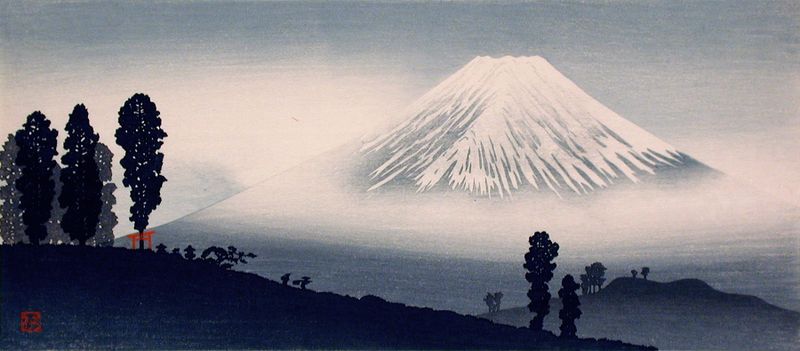
Mount Fuji
Takahashi Hiroaki

Mount Fuji seen near Tamaho, Dawn
Takahashi Hiroaki
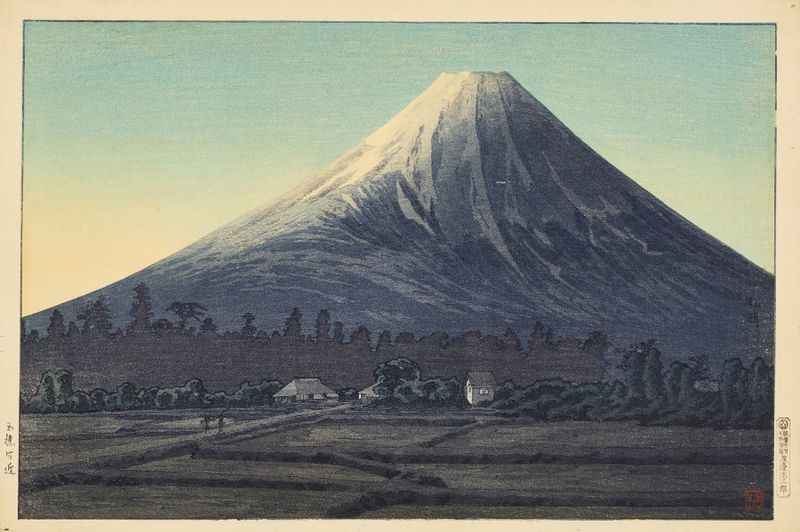
Mount Fuji seen near Tamaho, day
Takahashi Hiroaki
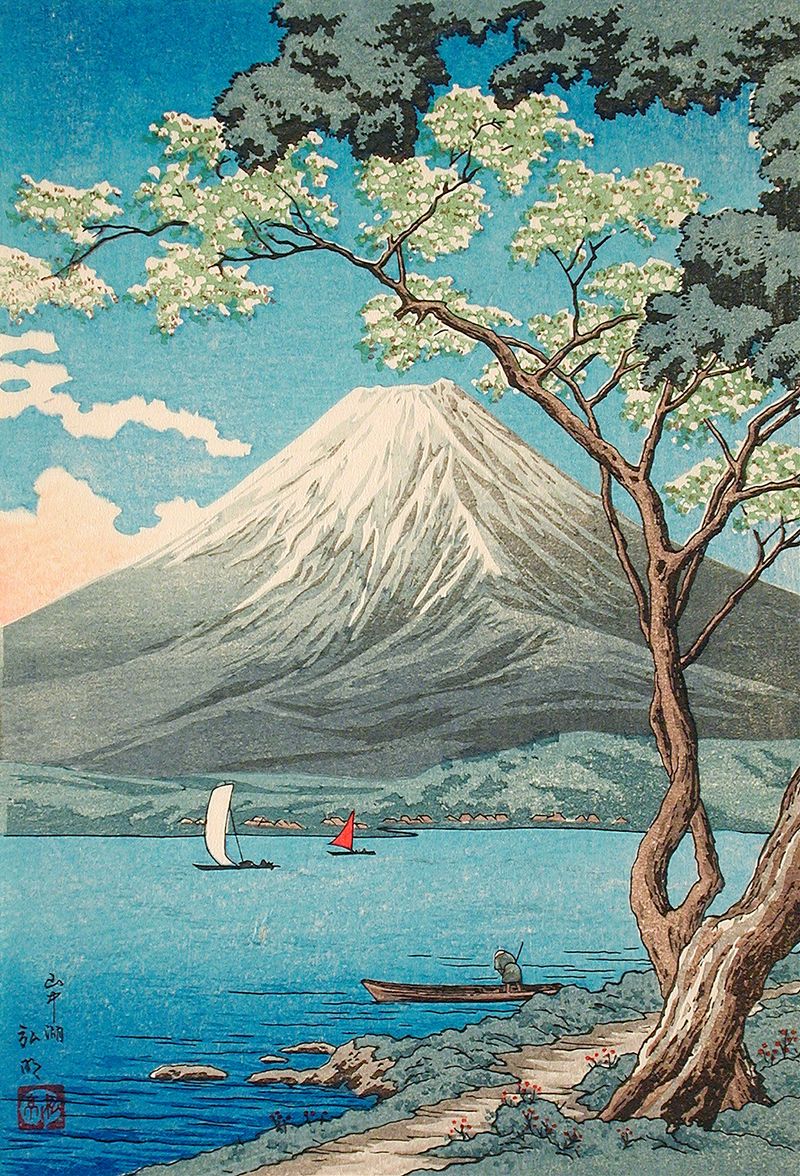
Mount Fuji from Lake Yamanaka
Takahashi Hiroaki

Mt. Fuji from Tagonoura, Snow Scene
Takahashi Hiroaki

Egoda no tsuki
Takahashi Hiroaki
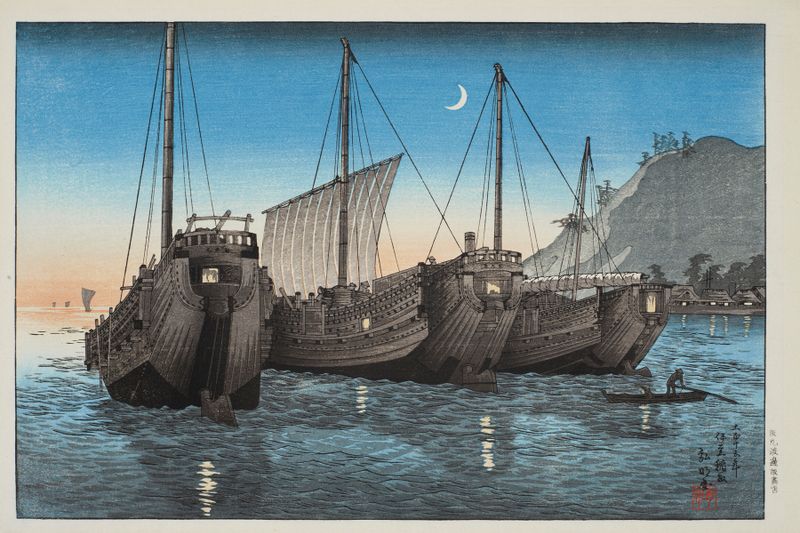
Junks in Inatori Bay, Izu
Takahashi Hiroaki
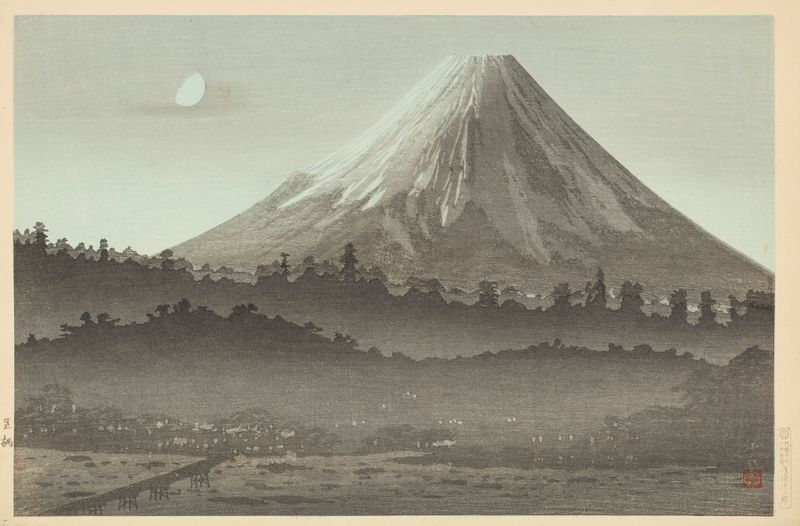
Mount Fuji seen near Tamaho, Night
Takahashi Hiroaki

Fishing nets at Tsukuda
Takahashi Hiroaki
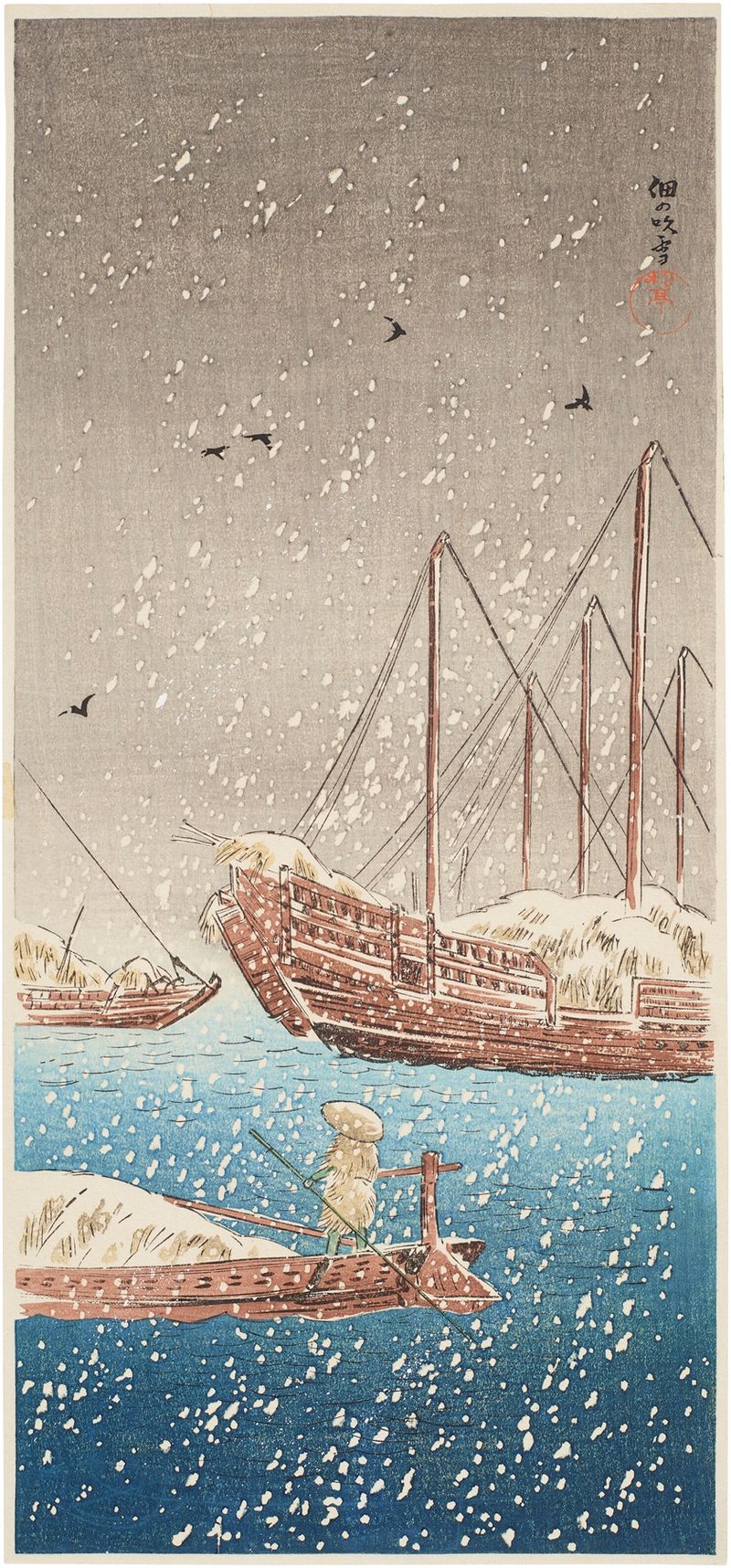
Tsukuda no fubuki
Takahashi Hiroaki





