
Junks in Inatori Bay, Izu — History & Facts
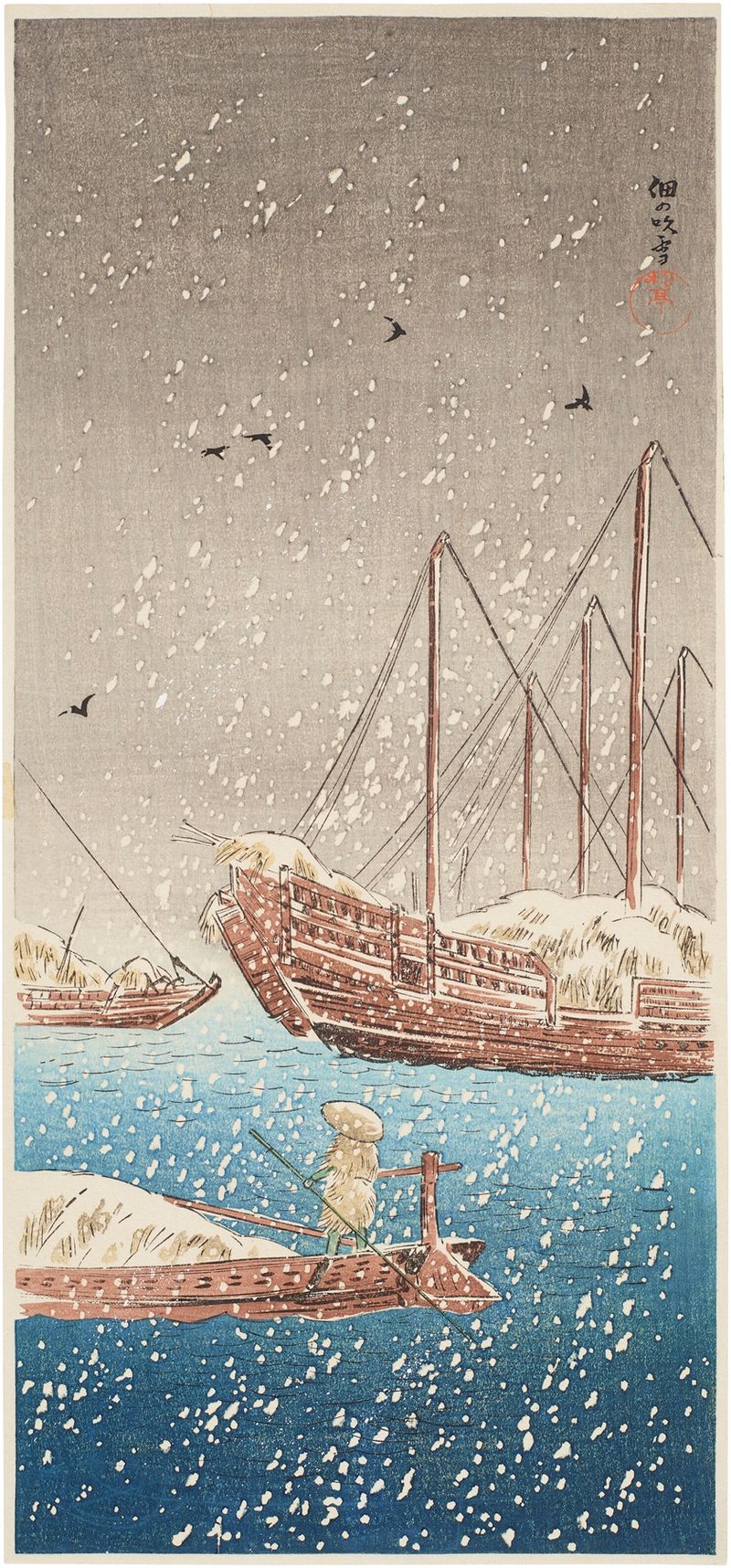
What if silence could speak through light? In Junks in Inatori Bay, Izu, tranquility resonates with every brushstroke, as the scene invites viewers into a serene embrace of nature's calm. Focus on the distant horizon, where soft, pastel hues of dawn blend seamlessly into the water’s surface. The junks, weathered yet noble, rest gently on the bay, their sails catching the first whispers of morning light. Notice how the artist's delicate strokes capture the reflection of each vessel, transforming the water into a mirror that dances with hints of color.
The composition balances the stillness of the boats with the gentle ripples, creating an enchanting symphony of peace. Delve deeper, and subtle contrasts emerge: the sturdy wooden hulls of the junks juxtaposed against the ephemeral light of dawn suggest both permanence and transience. The serene blue and soft pink hues evoke a sense of nostalgia, transporting one to a moment where time pauses. Here, the silence of the bay is almost tangible, inviting contemplation of life’s fleeting beauty and the quiet persistence of nature. Takahashi Hiroaki created this artwork in 1926, during a time when Japan was undergoing significant modernization.
Working within the traditional ukiyo-e style, he sought to capture the essence of the natural world amid rapid change. The interplay of light and shadow in this piece reflects his desire to preserve the tranquil landscapes that resonated with the collective memory of a simpler time.
More Artworks by Takahashi Hiroaki
Browse all →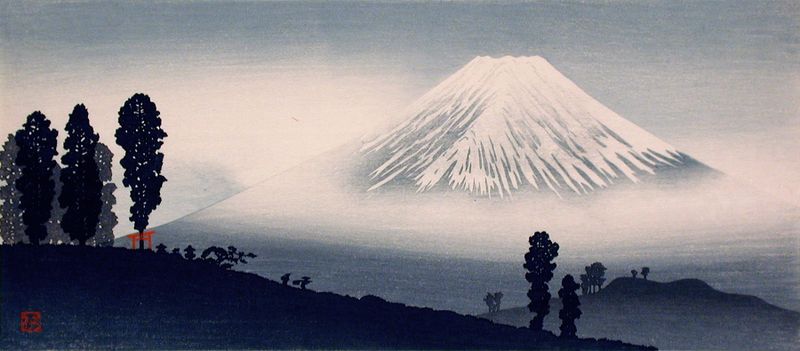
Mount Fuji
Takahashi Hiroaki

Mount Fuji seen near Tamaho, Dawn
Takahashi Hiroaki
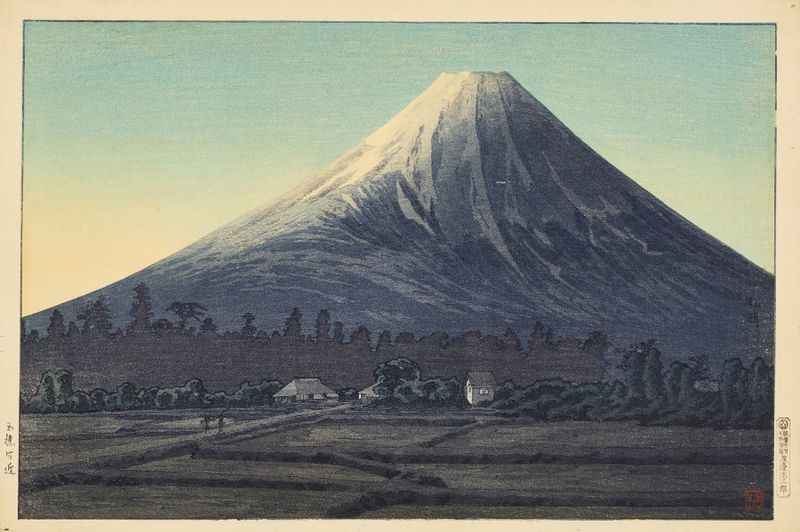
Mount Fuji seen near Tamaho, day
Takahashi Hiroaki
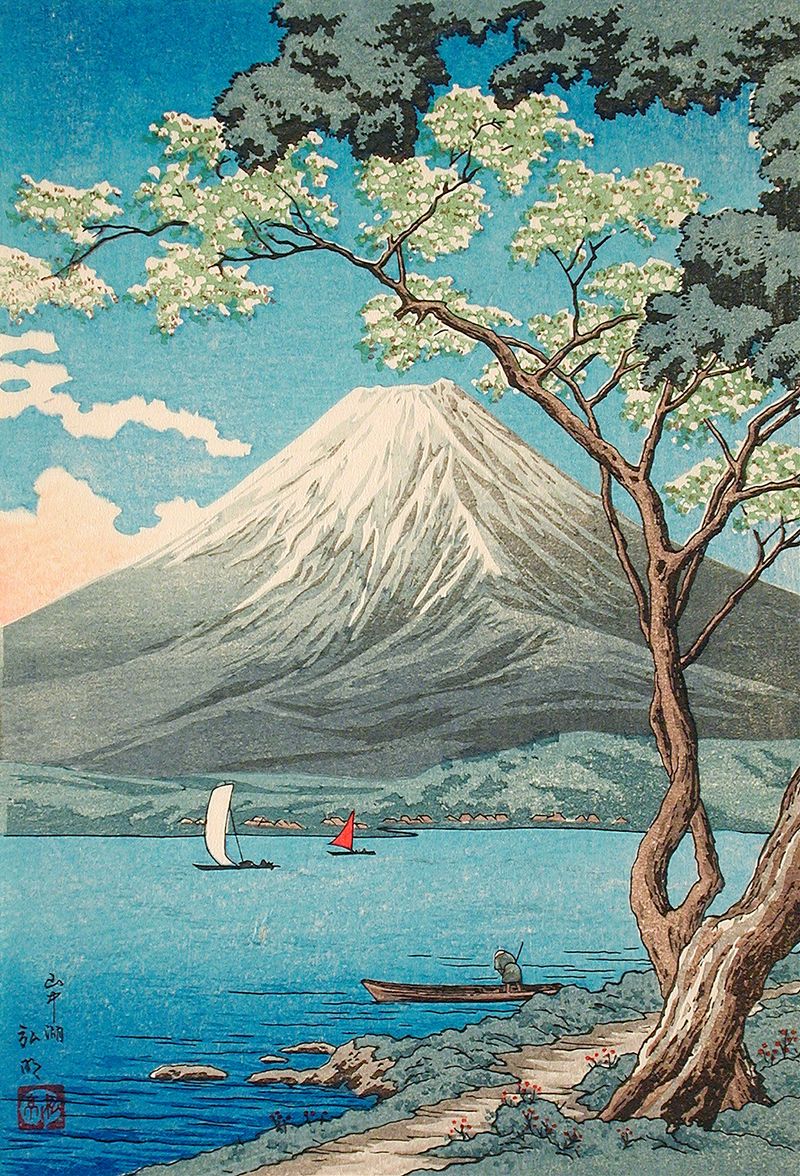
Mount Fuji from Lake Yamanaka
Takahashi Hiroaki

Mt. Fuji from Tagonoura, Snow Scene
Takahashi Hiroaki

Egoda no tsuki
Takahashi Hiroaki

Izumibashi no ame
Takahashi Hiroaki
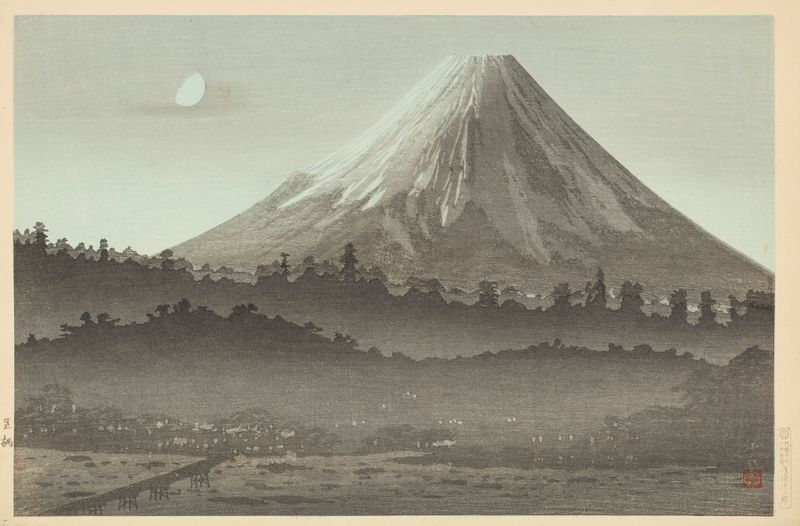
Mount Fuji seen near Tamaho, Night
Takahashi Hiroaki

Fishing nets at Tsukuda
Takahashi Hiroaki
Tsukuda no fubuki
Takahashi Hiroaki





