
Eisschollen Am Ufer Der Thaya — History & Facts
What if silence could speak through light? In Eisschollen Am Ufer Der Thaya, the ethereal glow of winter’s touch channels a profound stillness that captivates the viewer, inviting introspection and contemplation. Look to the center of the canvas, where the shimmering ice formations glisten under a pale sun, their delicate textures contrasting crisply with the muted tones of the water. Notice how the soft blues and whites harmonize with gentle browns and grays, creating a serene yet dynamic composition. The artist’s brushwork reveals subtle details in the ice, capturing both its fragility and strength, while the serene surface of the water reflects a sky heavy with clouds, suggesting the passage of time. Hidden within this tranquil scene lies a tension between the ephemeral beauty of winter and the inevitability of change.
The ice, with its crystalline purity, alludes to moments of clarity and transcendence, perhaps hinting at divinity in nature. The bare trees at the edges act as guardians of this pristine moment, contrasting the vibrancy of the ice with their stark silhouettes, reminding us of the cycles of life and the beauty of quiet reflection. In 1891, Theodor Von Hörmann painted this work during a period when artists were increasingly drawn to the interplay of nature and human emotion. Living in Austria, he was deeply influenced by the Romantic ideals that urged a connection to the sublime, as well as the evolving modern art movements that began to explore light and color in innovative ways.
More Artworks by Theodor Von Hörmann
Browse all →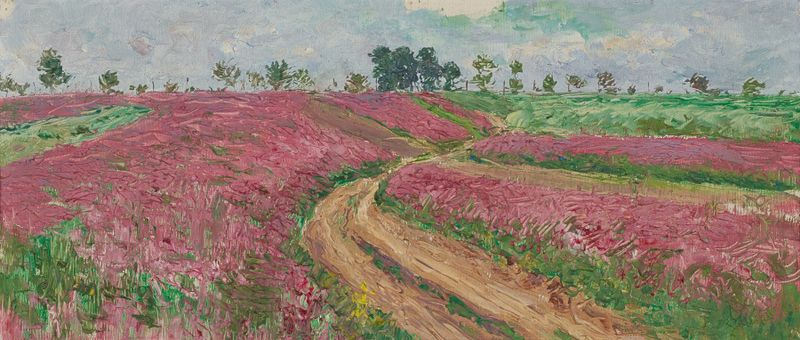
Esparsettenfeld Bei Znaim Ii
Theodor Von Hörmann

Blick Auf Paris
Theodor Von Hörmann

A Watering Place in Kis Bagh
Theodor Von Hörmann

Auf Der Ligethi Puszta
Theodor Von Hörmann
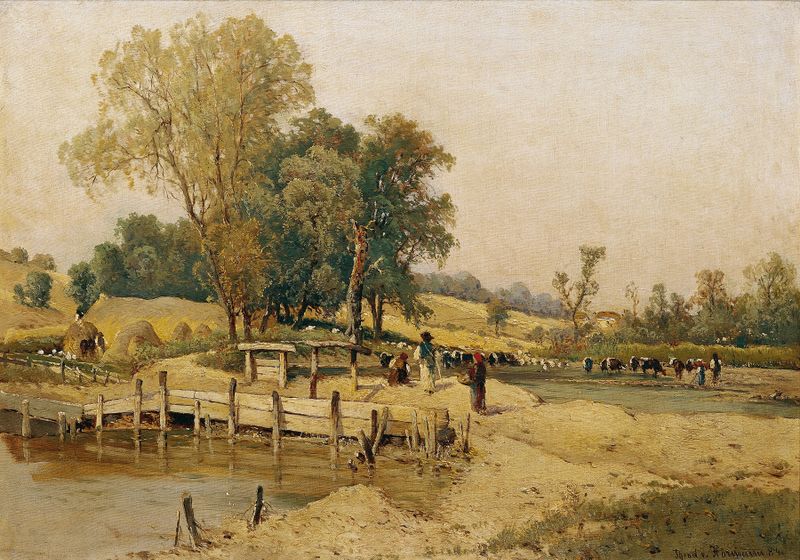
Ungarische Landschaft Mit Viehtränke
Theodor Von Hörmann
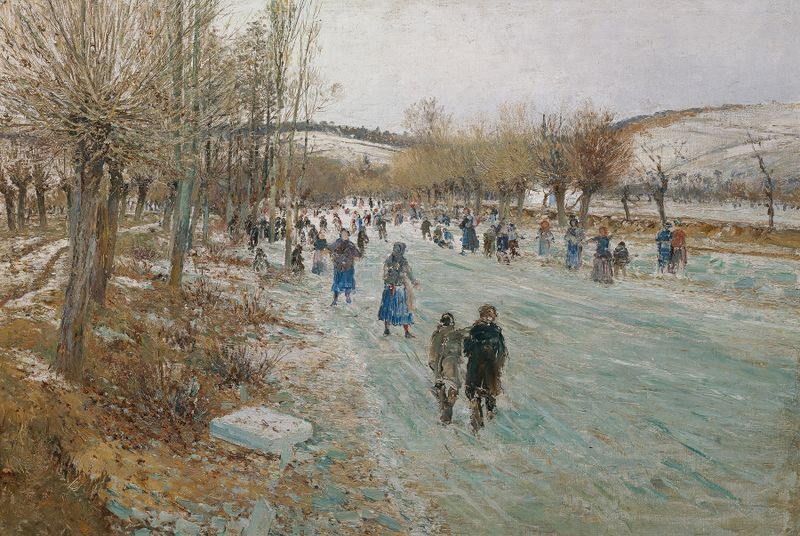
Eisläufer Auf Der Thaya Bei Lundenburg
Theodor Von Hörmann
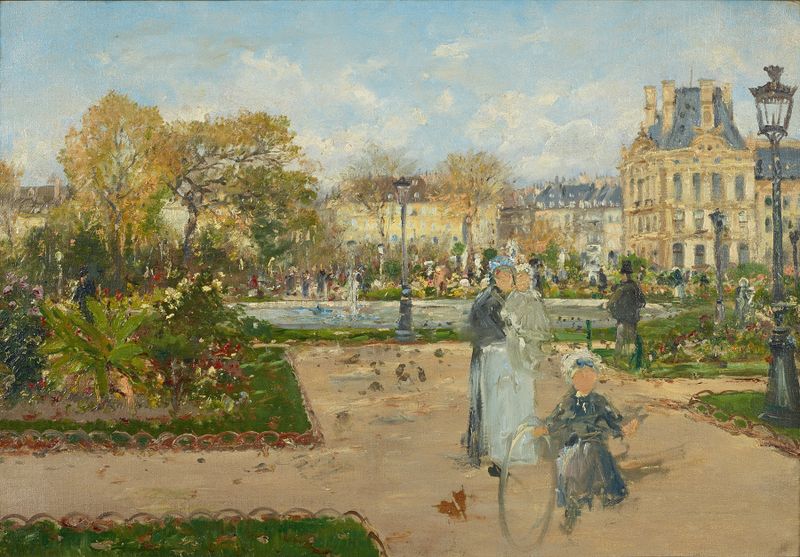
In Den Tuilerien
Theodor Von Hörmann

A Winter Day, Scene near St. Pölten
Theodor Von Hörmann

Znaim Im Schnee Ii
Theodor Von Hörmann
Dorfmotiv von Albeins bei Brixen, Tirol
Theodor Von Hörmann





