El Jardín De La Bailarina, Granada — History & Facts
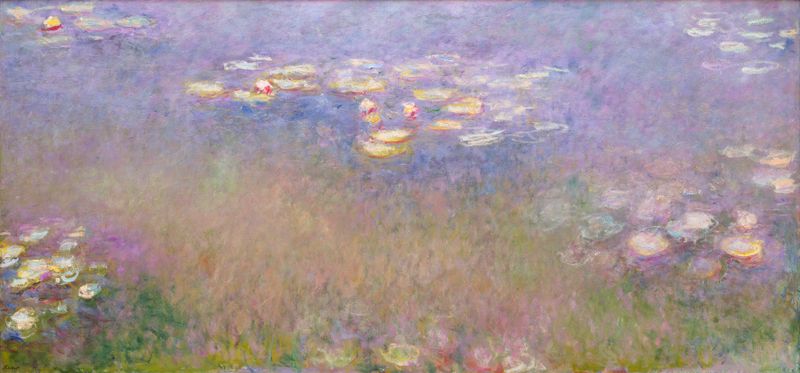
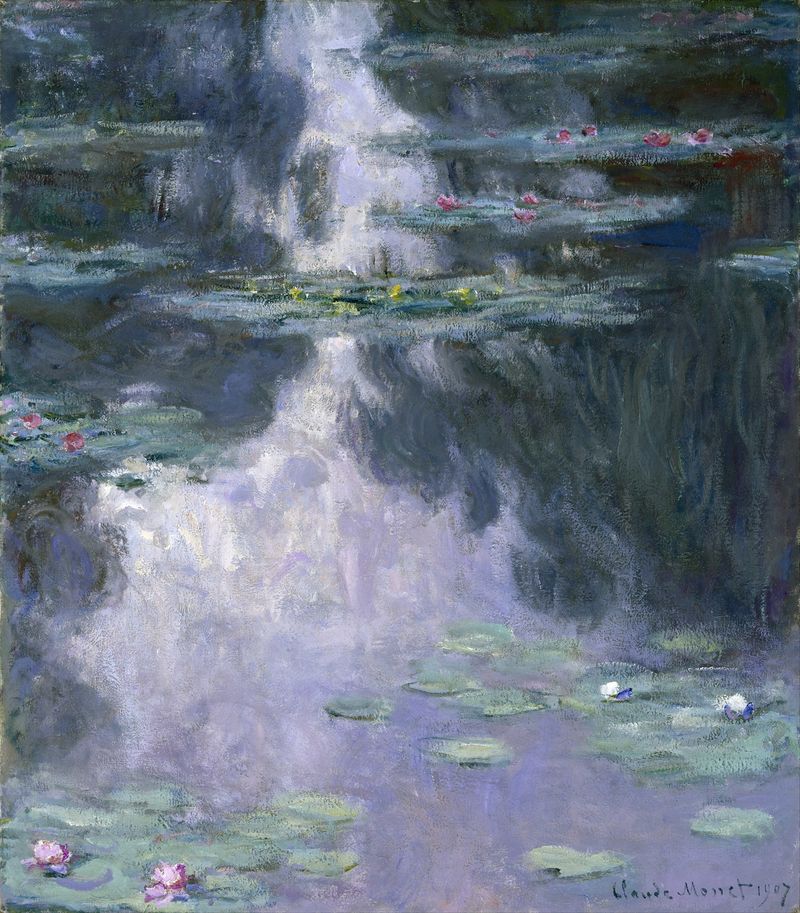
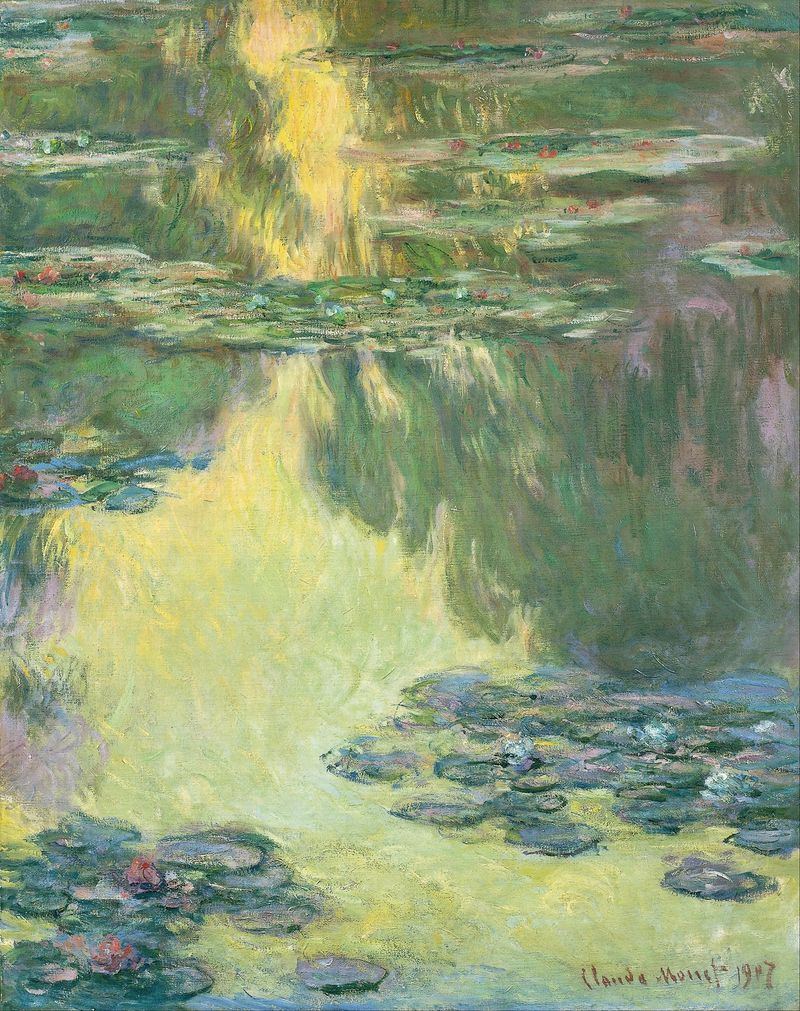
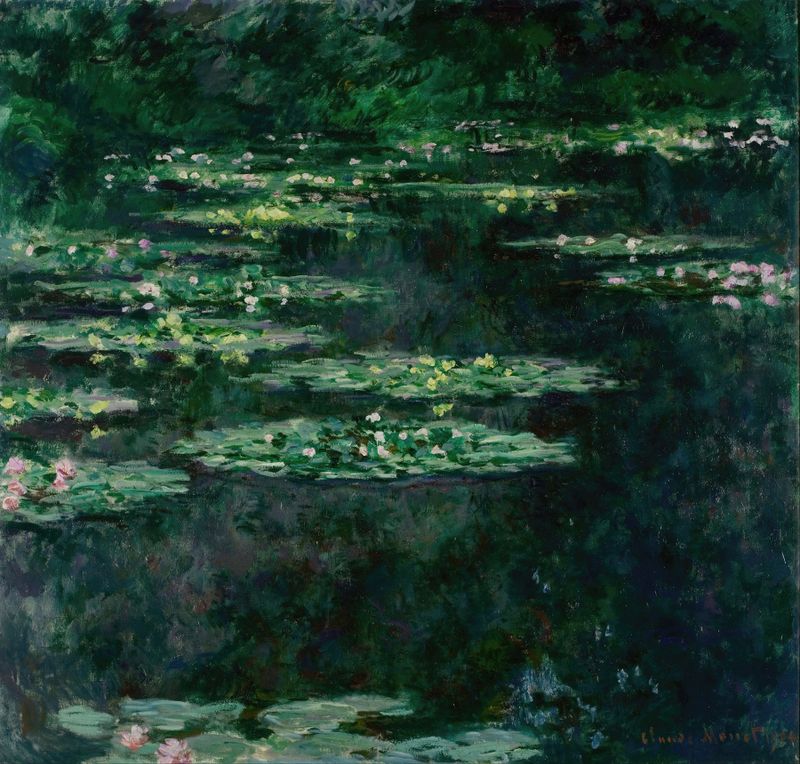
Where does light end, and longing begin? In the lush embrace of El Jardín De La Bailarina, the boundaries blur, creating a space where dreams dance amidst the verdant shadows. Focus on the interplay of light and color as it washes over the garden. The gentle hues of green and gold beckon the eye, inviting exploration. Notice how the delicate petals of blooming flowers are illuminated, their vibrancy intensified by the sun's caress, while deeper shades linger in the foliage, hinting at what lies unseen.
The composition draws you into a realm where nature and emotion entwine, and the figure of the dancer, poised and elegant, becomes a conduit for transcendence. Within the painting lies a complex tension: the serene beauty of the garden juxtaposed with the dancer's longing, an unfulfilled desire that resonates through every brushstroke. The way she extends her arms suggests both a celebration of life and a yearning for something lost. This duality invites viewers to reflect on their own desires and the ephemeral nature of happiness, illustrating that within such tranquility can exist profound depths of feeling. Santiago Rusiñol painted El Jardín De La Bailarina during his time in Granada, around the turn of the 20th century.
This period marked a heightened interest in Impressionism and Symbolism, as he sought to translate emotions into visual form. Amidst personal struggles and the vibrant artistic community of modern Spain, he cultivated a unique style that bridged reality with emotional resonance, encapsulating moments that echo long after their creation.
More Artworks by Santiago Rusiñol
Browse all →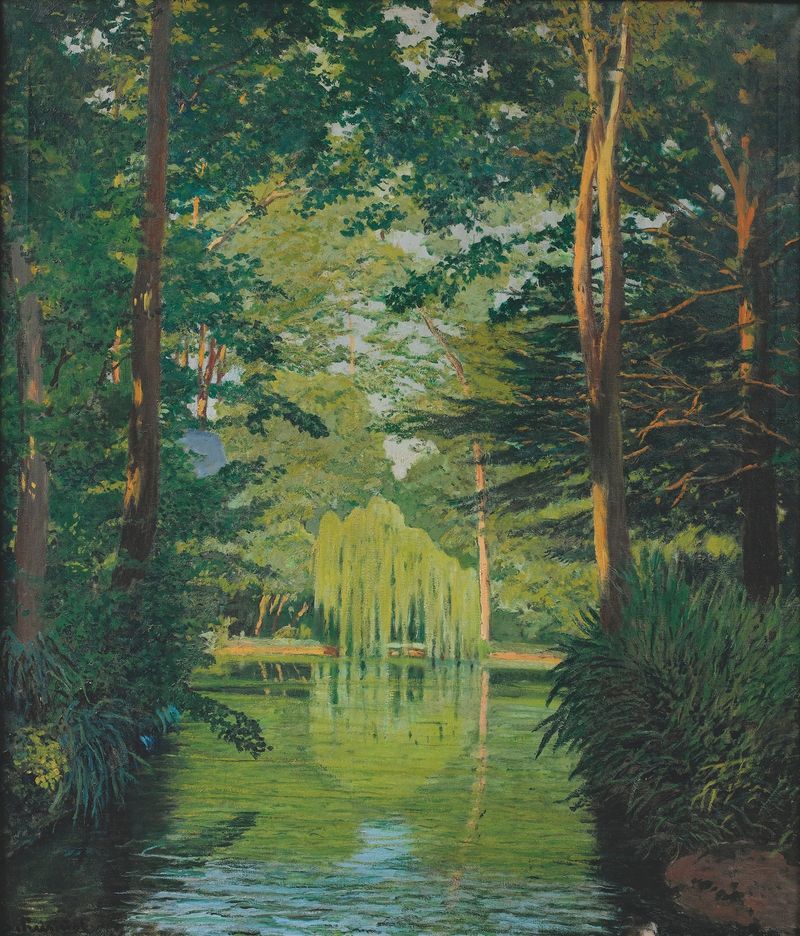
Parc Badés, Arbúcies
Santiago Rusiñol
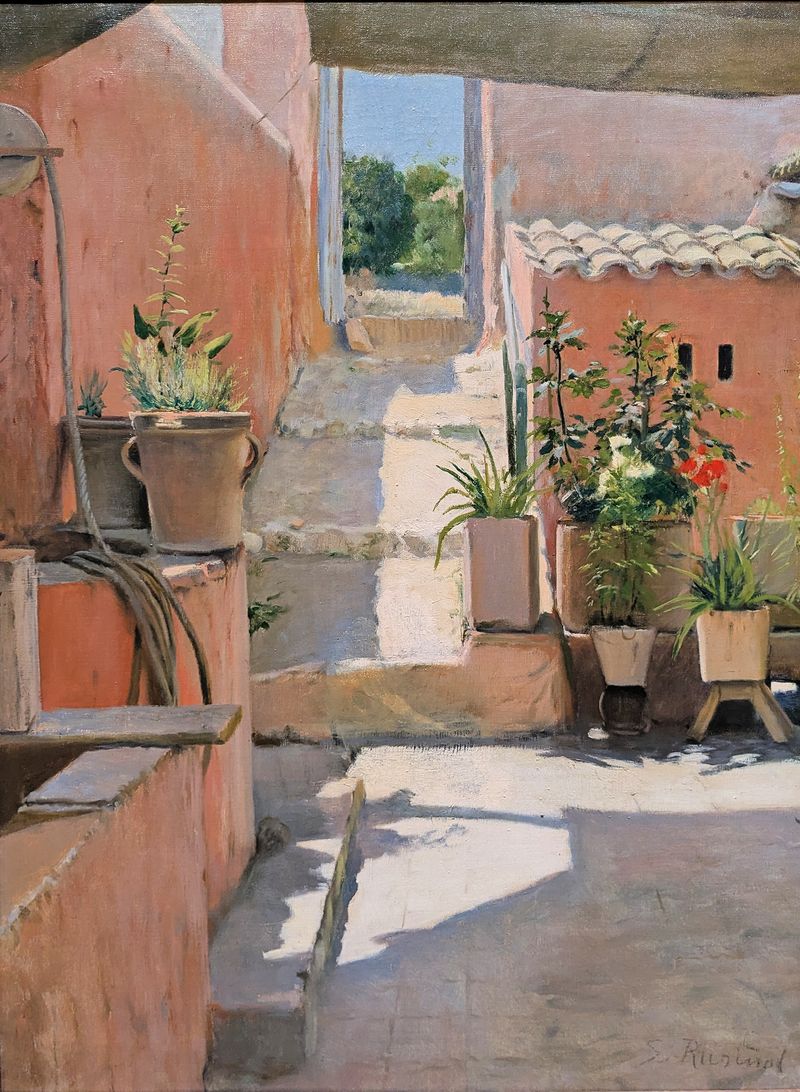
Patio in Sitges
Santiago Rusiñol
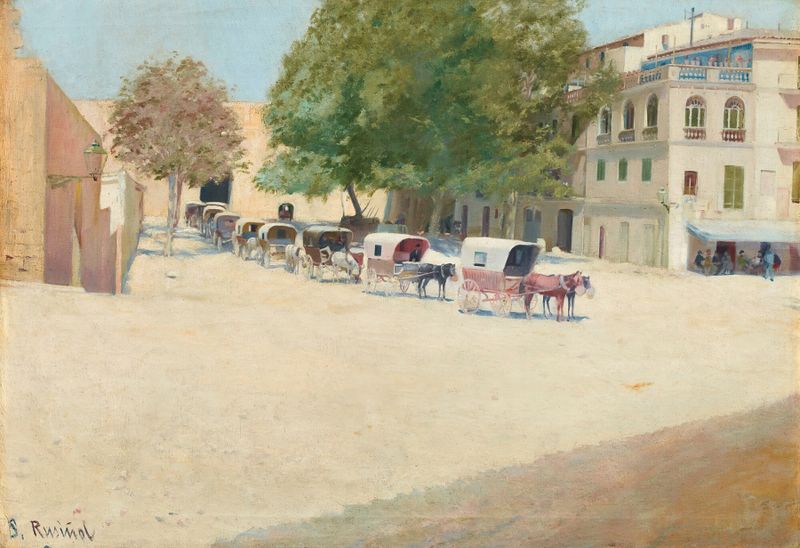
Paseo De Mallorca
Santiago Rusiñol
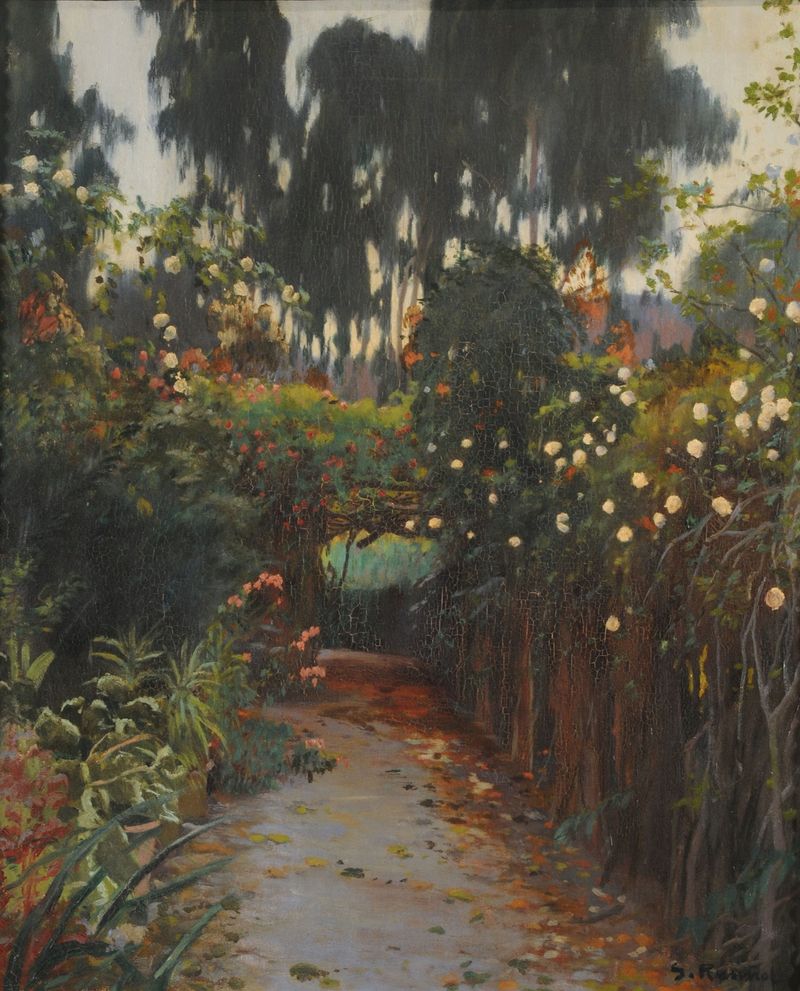
Camino de rosas
Santiago Rusiñol

Lavaderos De La Barceloneta
Santiago Rusiñol
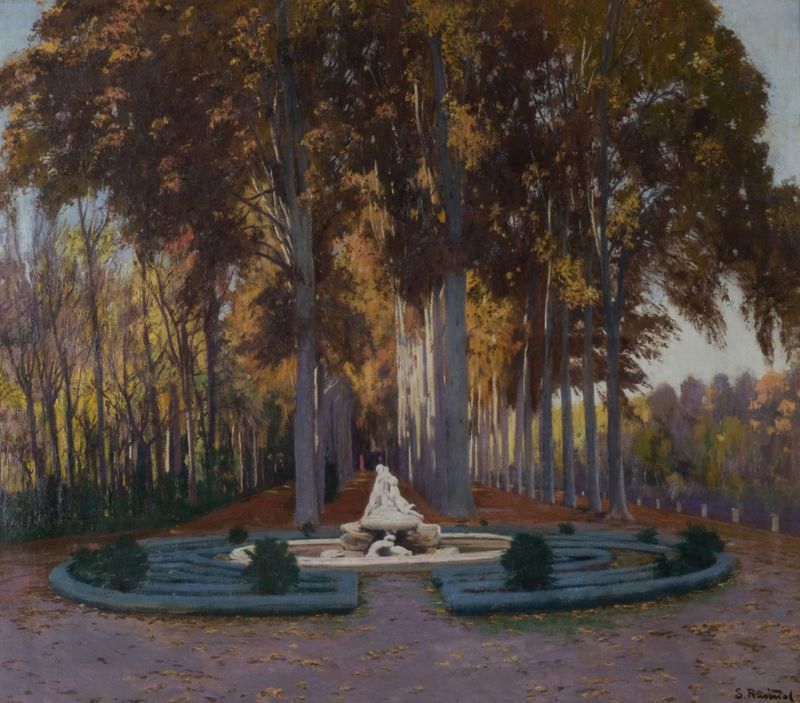
Otoñal
Santiago Rusiñol

Cala Grisa
Santiago Rusiñol

Gardens of the Generalife
Santiago Rusiñol

Jardín De Sa Coma. Valdemosa
Santiago Rusiñol

La Fuente De Los Cipreses
Santiago Rusiñol