
Elijah Fed by the Ravens — History & Facts
In the depths of solitude, when madness creeps, an unseen hand often guides the soul toward salvation. Focus on the figures at the center of the composition, where Elijah sits in a moment of quiet desperation. The ravens, dark and foreboding, contrast sharply against the muted earth tones of the landscape. Notice how the artist employs light and shadow, casting a soft glow upon Elijah’s face, illuminating both his weariness and his unwavering faith.
The surrounding wilderness, rendered with meticulous detail, envelops him, a testament to both his isolation and his divine connection. Within this work lies a poignant exploration of sustenance, both physical and spiritual. The ravens, typically symbols of darkness, transform into agents of salvation, representing the duality of life’s challenges that can lead to enlightenment or despair. The rough texture of the rocks and the soft brush strokes of the clouds signify the tension between chaos and tranquility in Elijah's journey.
Each element serves a purpose, inviting viewers to delve into the layers of meaning surrounding divine Providence and the fragile state of the human psyche. Antonie Waterloo painted this work during the later part of the 17th century, a time when the Baroque style was evolving, and artists were increasingly drawn to themes of introspection and spirituality. Living in the Netherlands, Waterloo was influenced by the tumultuous political landscape and shifting artistic movements, reflecting a culture grappling with both external struggles and internal crises. This piece encapsulates his deep engagement with the themes of isolation and divine intervention, echoing the sentiments of a world on the brink of change.
More Artworks by Antonie Waterloo
Browse all →
Gezicht op het dorp Soest
Antonie Waterloo

Hagar comforted by the Angel
Antonie Waterloo

Waldbach, der über Felsen stürzt, über die eine Holzbrücke führt
Antonie Waterloo
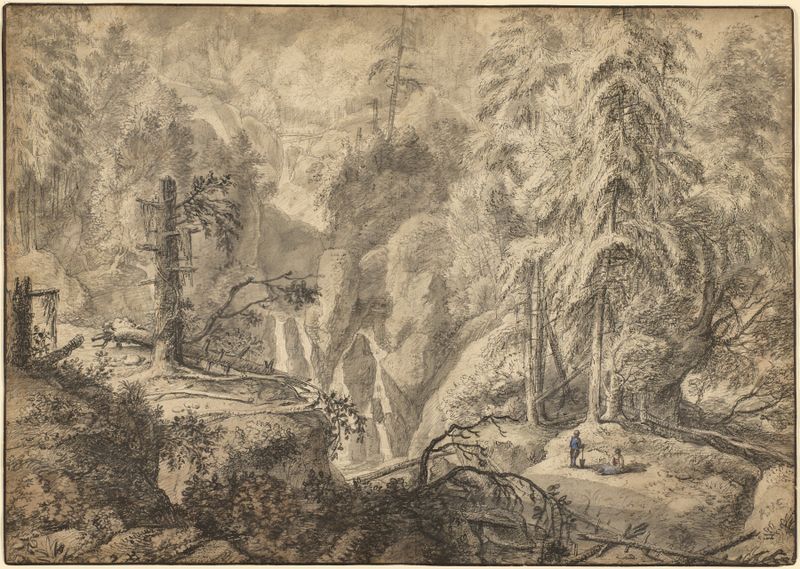
Mountain Landscape, Peasants in a Clearing near a Waterfall
Antonie Waterloo
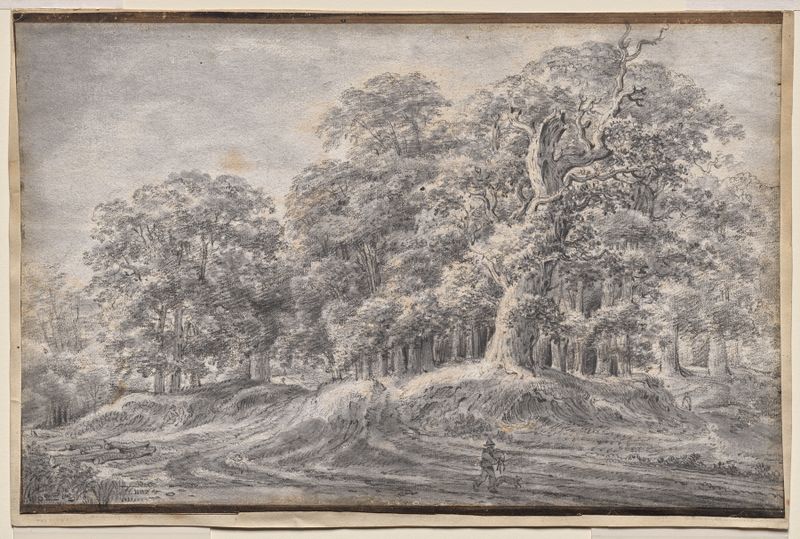
A Track on the Edge of a Wood with a Peasant Carrying Sheep
Antonie Waterloo
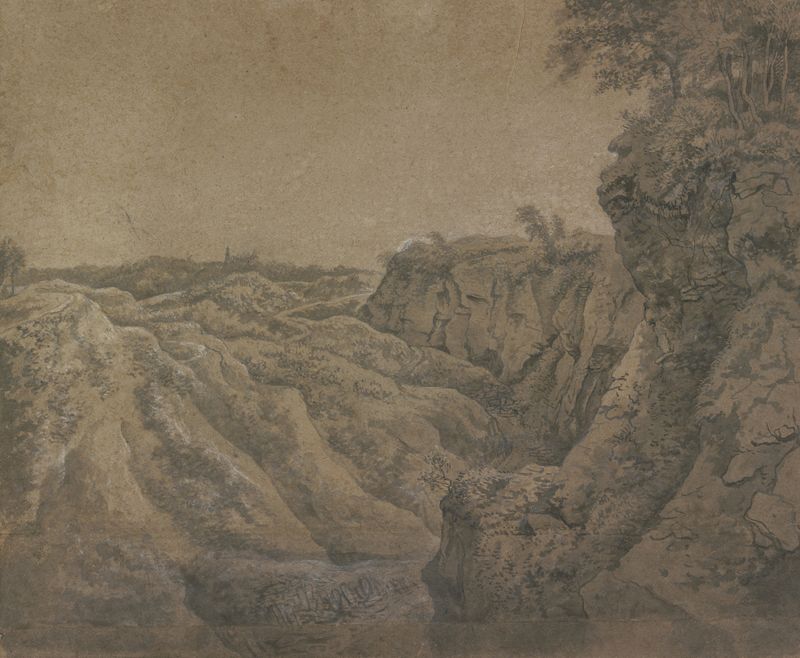
Landscape with a View of Bentheim Castle in the far Distance
Antonie Waterloo
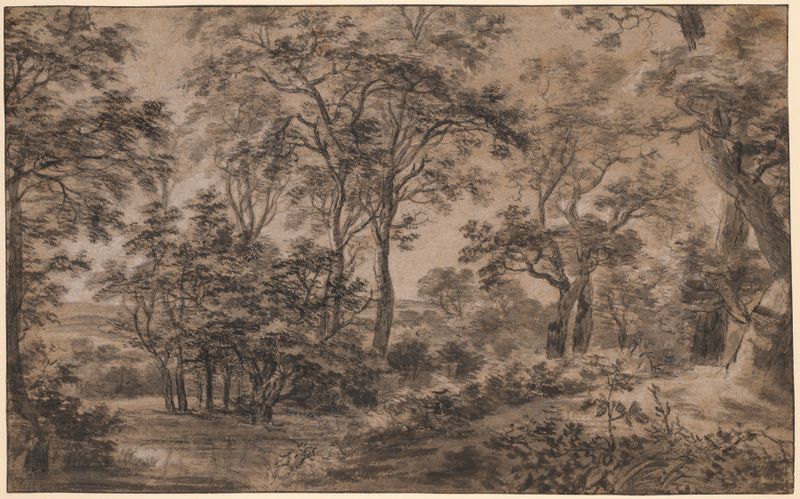
Wooded Landscape
Antonie Waterloo
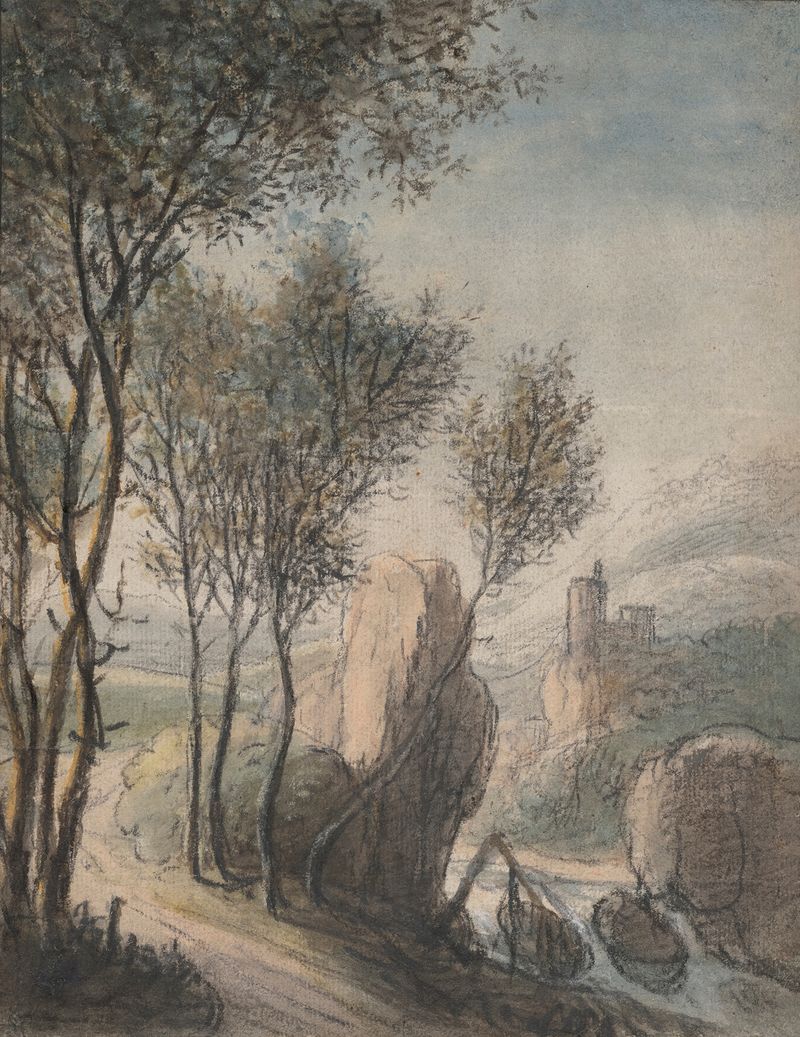
River Landscape with a Castle in the Distance
Antonie Waterloo

Trees and cottages in hilly landscape
Antonie Waterloo
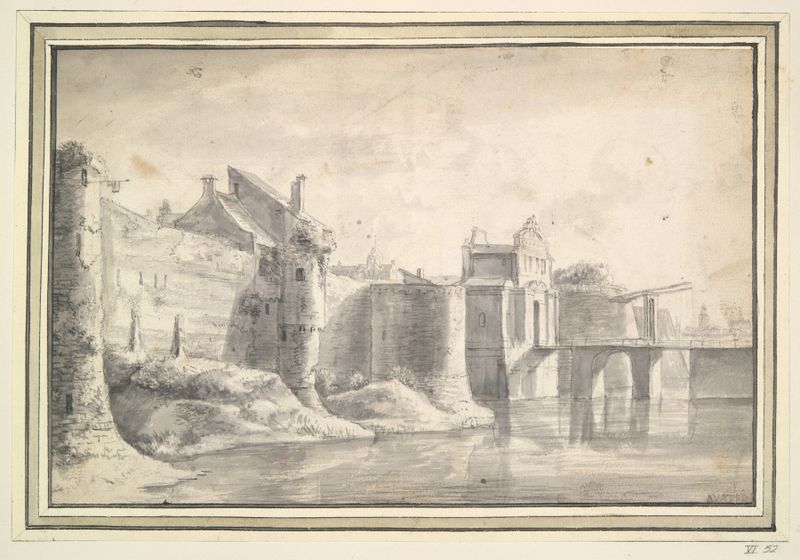
View of the city walls of Utrecht with St. Mary’s Church in the distance
Antonie Waterloo
More Religious Art
Browse all →
The Return of the Prodigal Son
Rembrandt van Rijn

The Garden of Earthly Delights
El Bosco

Count Orgaz’ funeral
El Greco

The Hundred Guilder Print: the central piece with Christ preaching, the plate arched
Rembrandt van Rijn

The Descent from the Cross
Rogier van der Weyden

The return of the prodigal son
Rembrandt van Rijn