
Wooded Landscape — History & Facts
Can paint confess what words never could? In Wooded Landscape, the artist invites us into a world where silence speaks volumes and nature holds its breath. Focus on the foreground, where dappled sunlight filters through the rich canopy, casting a mosaic of shadows on the forest floor. Notice how the vibrant greens of the foliage contrast with the soft browns of the earth, creating a harmonious balance that draws the eye deeper into the scene. The trees, standing tall and stately, create a rhythm that guides our gaze toward the gently winding path that disappears into the dense woods, sparking curiosity and offering a sense of journey. In this work, the play of light and shadow symbolizes the interplay between hope and uncertainty.
The open space of the path suggests freedom and exploration, yet the trees loom large, hinting at the wildness and unpredictability of nature. The subtle layering of colors and textures reveals the artist’s deep understanding of natural landscapes, while also hinting at the complexities of human emotion—how we often seek solace in the woods yet are reminded of our own vulnerability amidst their towering presence. Antonie Waterloo created Wooded Landscape after 1648, during a period when landscape painting began to flourish in the Netherlands. Following the tumult of the Thirty Years' War, artists like Waterloo turned to nature as a refuge, producing works that not only depicted the physical world but also explored inner landscapes of feeling and reflection.
This painting exemplifies that transition, capturing both the beauty and the brooding spirit of the natural world.
More Artworks by Antonie Waterloo
Browse all →
Gezicht op het dorp Soest
Antonie Waterloo

Hagar comforted by the Angel
Antonie Waterloo

Waldbach, der über Felsen stürzt, über die eine Holzbrücke führt
Antonie Waterloo
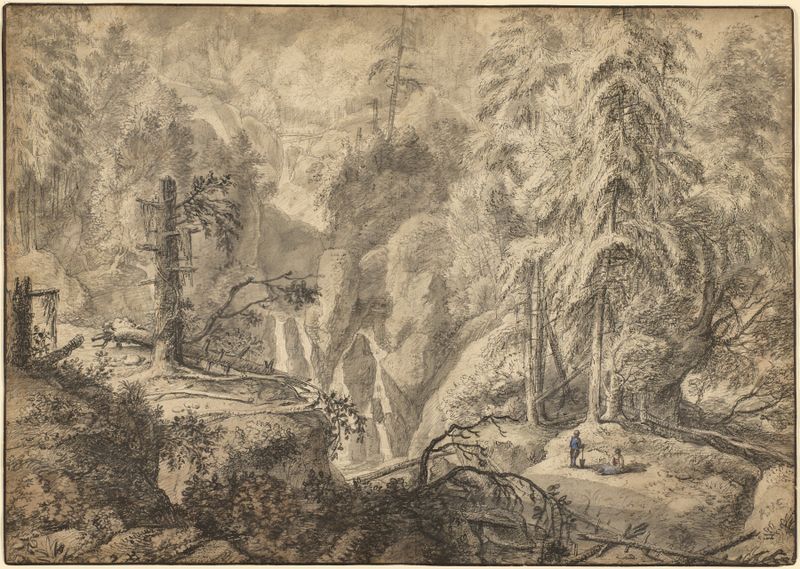
Mountain Landscape, Peasants in a Clearing near a Waterfall
Antonie Waterloo
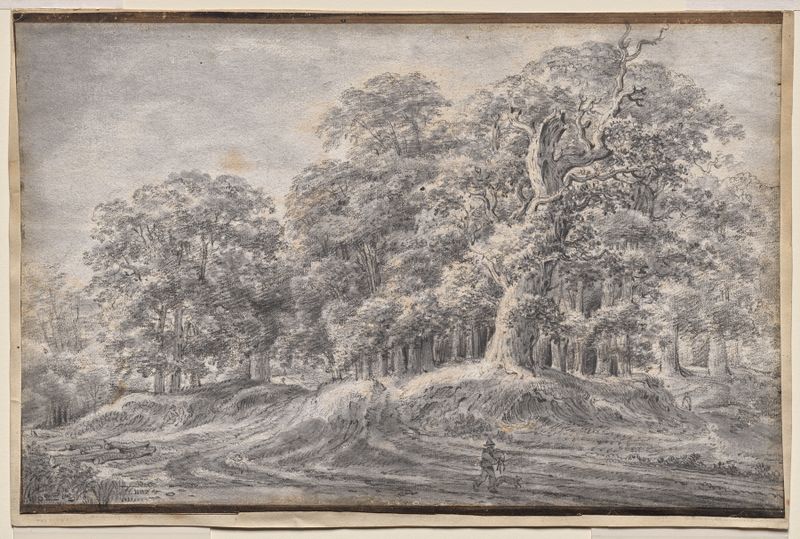
A Track on the Edge of a Wood with a Peasant Carrying Sheep
Antonie Waterloo
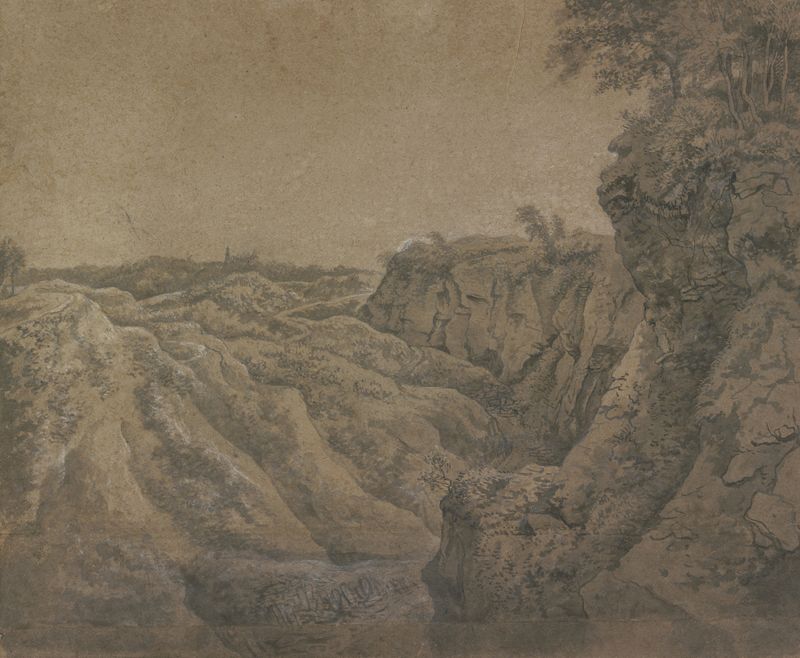
Landscape with a View of Bentheim Castle in the far Distance
Antonie Waterloo
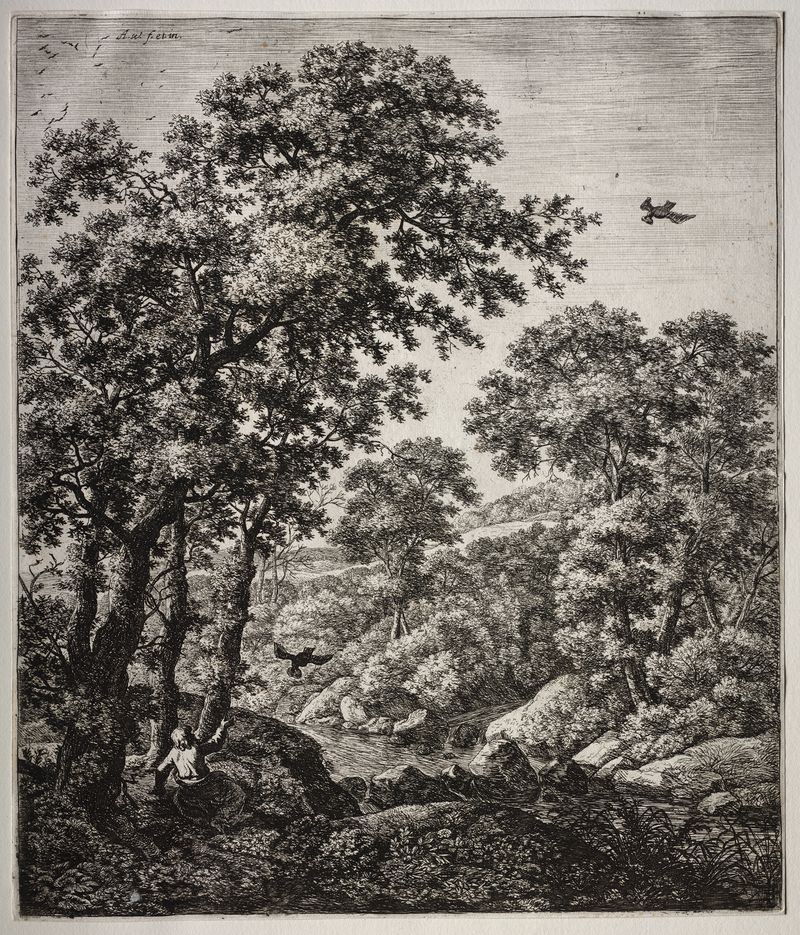
Elijah Fed by the Ravens
Antonie Waterloo
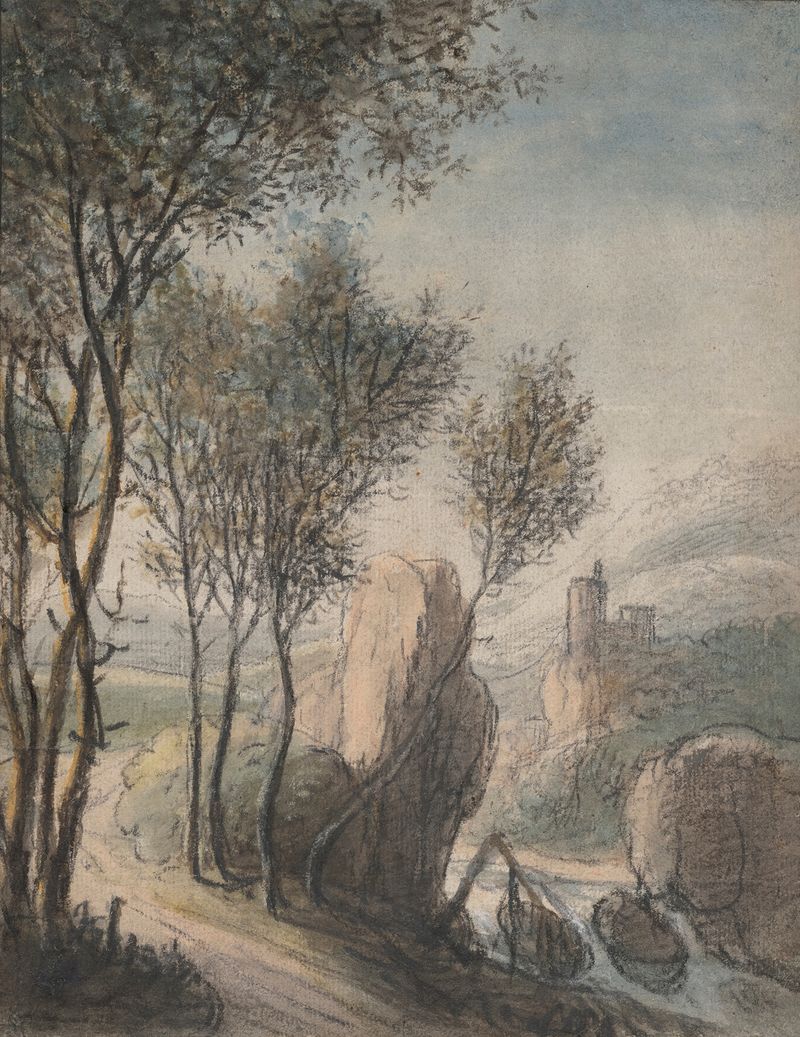
River Landscape with a Castle in the Distance
Antonie Waterloo

Trees and cottages in hilly landscape
Antonie Waterloo
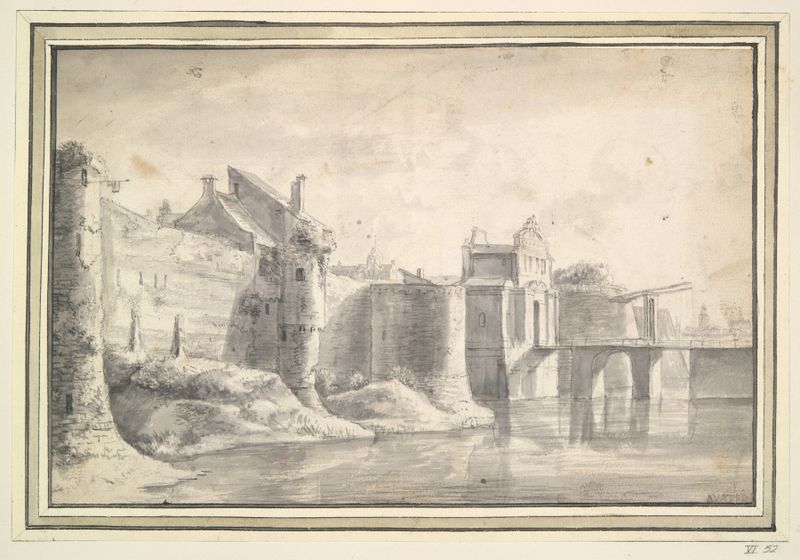
View of the city walls of Utrecht with St. Mary’s Church in the distance
Antonie Waterloo





