
Hagar comforted by the Angel — History & Facts
What if beauty was never meant to be finished? In Hagar comforted by the Angel, a poignant moment unfolds, inviting us into a realm where creation and solace intertwine. Look to the center of the canvas, where Hagar, a figure of quiet despair, finds herself enveloped in the gentle light radiating from the angel beside her. Her posture, a blend of weariness and tentative hope, draws the eye immediately. The warm tones of ochre and gold wash over the figures, contrasting with the cool shadows that cradle the landscape, suggesting the dichotomy between suffering and divine comfort.
The delicate brushwork captures the textures of their garments and the surrounding wilderness, offering a tactile experience that invites contemplation. Within this tender scene lies an exploration of profound themes: the complexity of motherhood, the intersection of human vulnerability and divine intervention, and the resilience found in moments of despair. Hagar's expression hints at a narrative that stretches beyond her immediate plight, echoing the struggles of many who seek solace amidst turmoil. The angel, poised with grace, symbolizes the hope that emerges from the shadows, a reminder that even in the depths of hardship, beauty can blossom. Antonie Waterloo painted this work during a period marked by a deep engagement with religious themes and a burgeoning fascination with emotional narratives in art.
Completed between 1640 and 1690, Waterloo was immersed in a world where the Baroque style was flourishing, and artists were increasingly drawing from personal experiences to convey complex human emotions. His mastery of light and shadow in this piece reflects not only his technical skills but also a cultural moment deeply invested in the interplay of faith and human experience.
More Artworks by Antonie Waterloo
Browse all →
Gezicht op het dorp Soest
Antonie Waterloo

Waldbach, der über Felsen stürzt, über die eine Holzbrücke führt
Antonie Waterloo
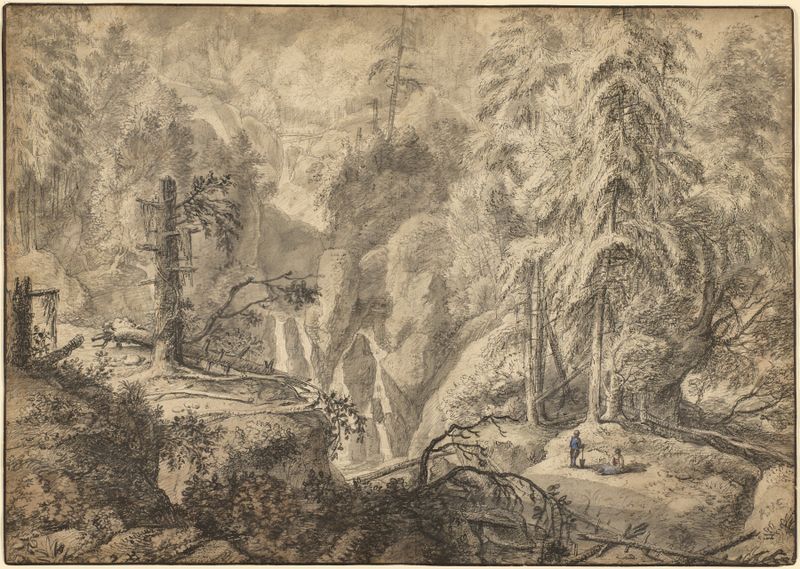
Mountain Landscape, Peasants in a Clearing near a Waterfall
Antonie Waterloo
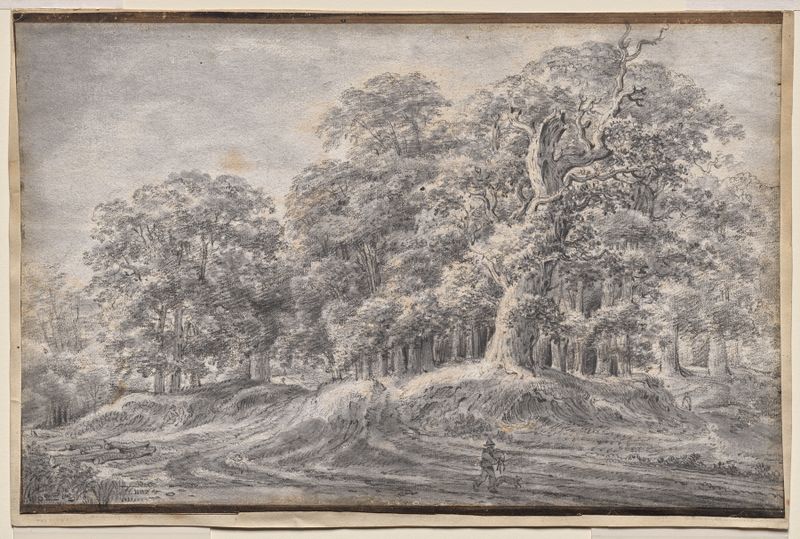
A Track on the Edge of a Wood with a Peasant Carrying Sheep
Antonie Waterloo
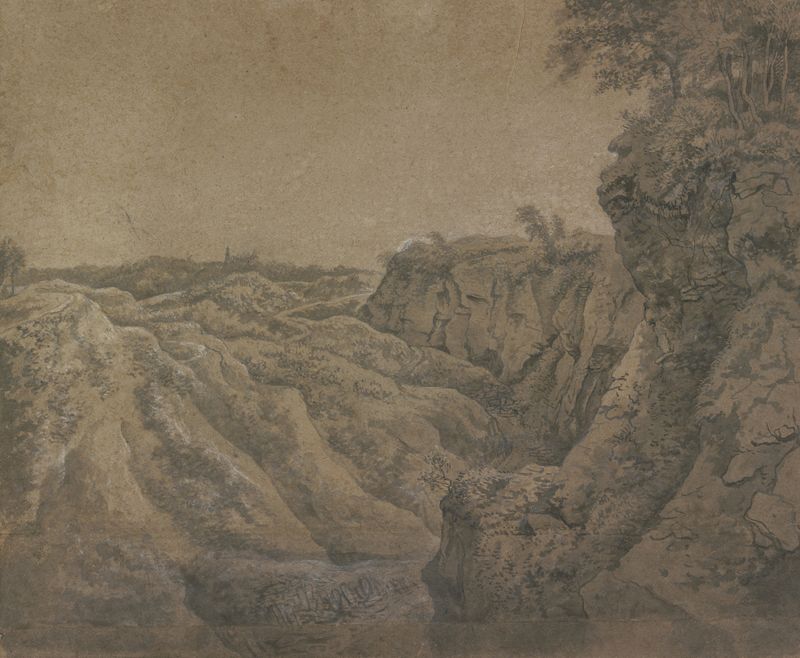
Landscape with a View of Bentheim Castle in the far Distance
Antonie Waterloo
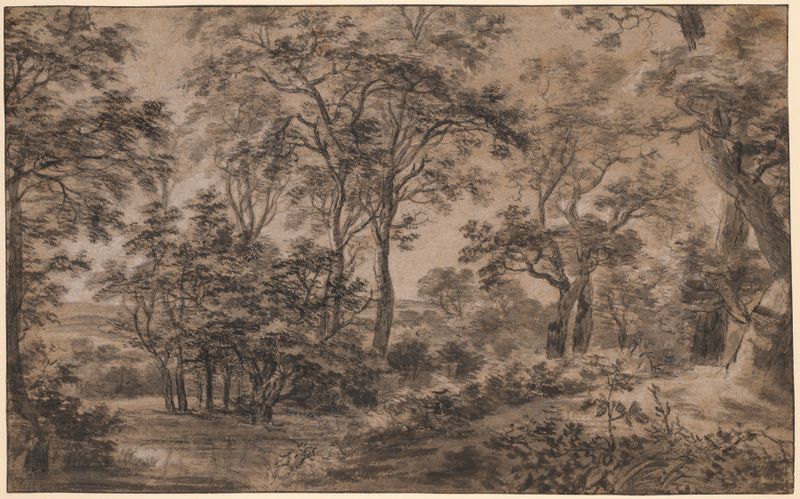
Wooded Landscape
Antonie Waterloo
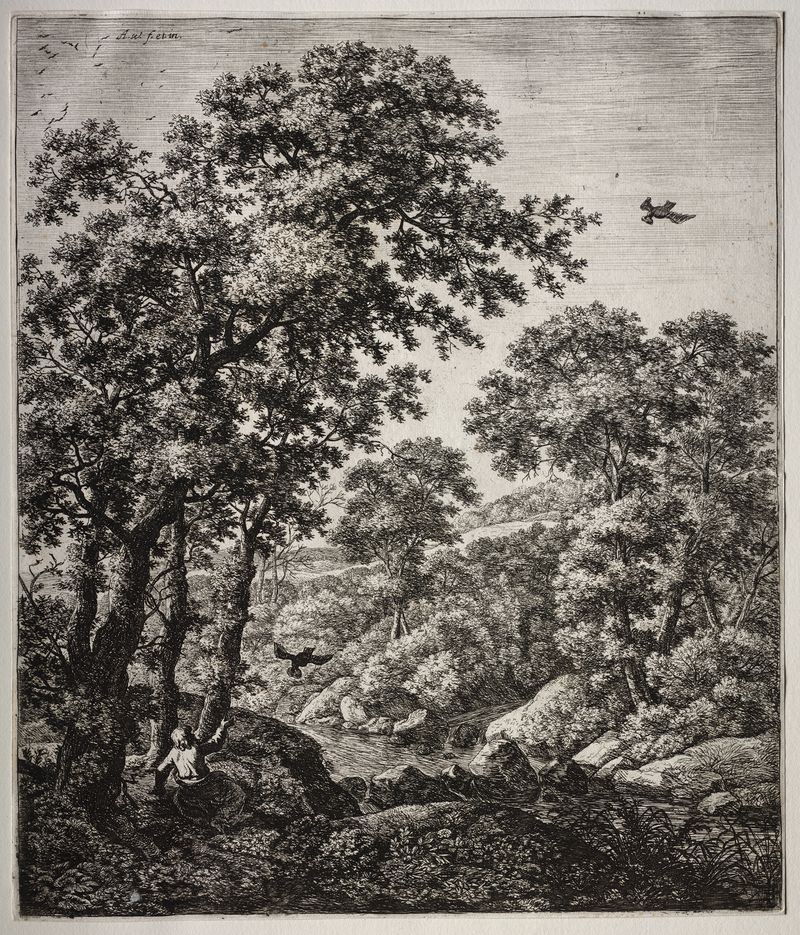
Elijah Fed by the Ravens
Antonie Waterloo
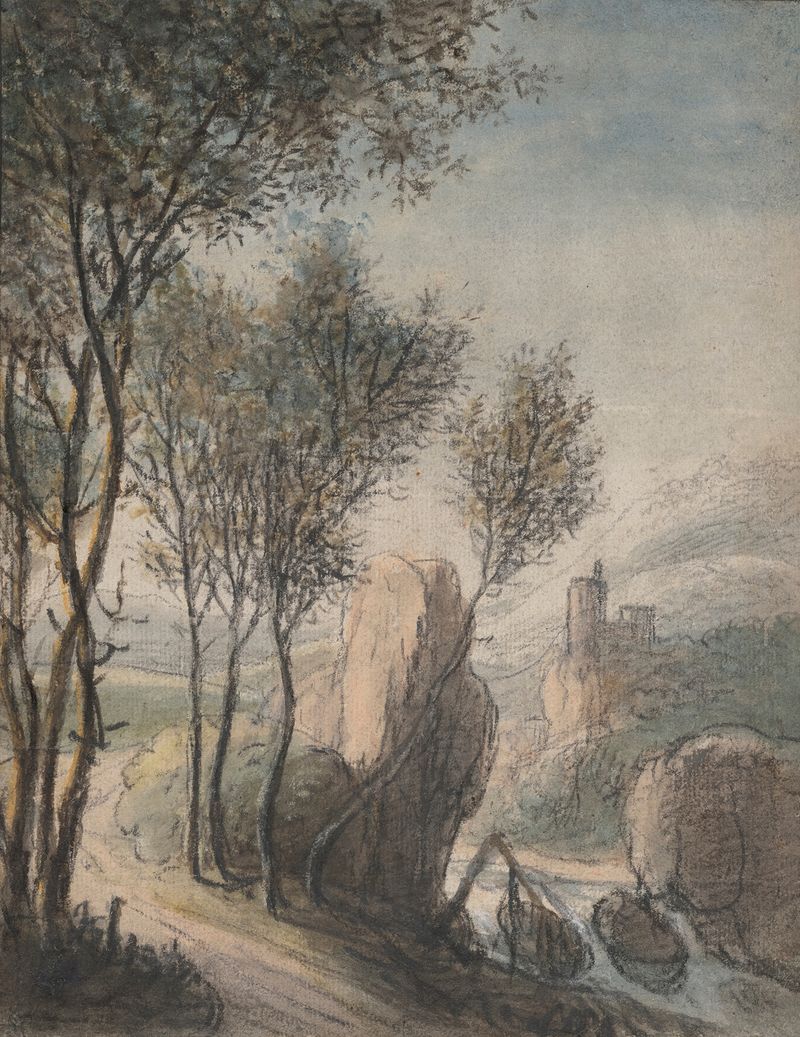
River Landscape with a Castle in the Distance
Antonie Waterloo

Trees and cottages in hilly landscape
Antonie Waterloo
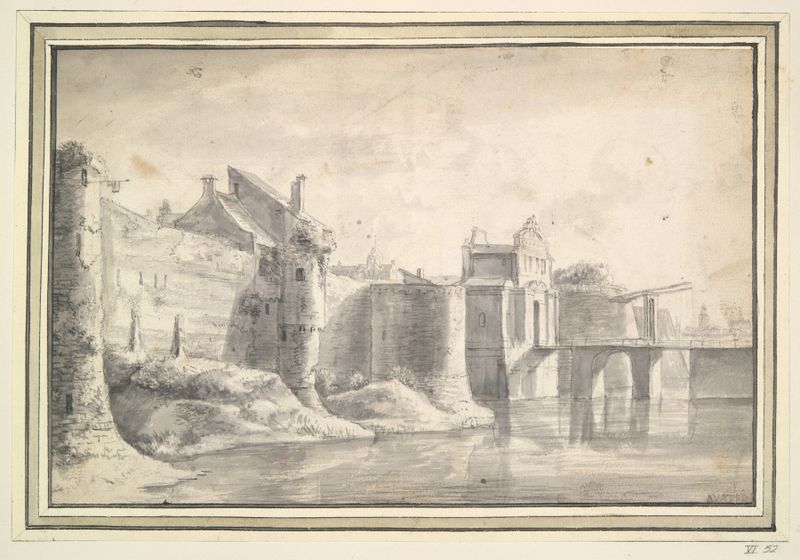
View of the city walls of Utrecht with St. Mary’s Church in the distance
Antonie Waterloo
More Religious Art
Browse all →
The Return of the Prodigal Son
Rembrandt van Rijn

The Garden of Earthly Delights
El Bosco

Count Orgaz’ funeral
El Greco

The Hundred Guilder Print: the central piece with Christ preaching, the plate arched
Rembrandt van Rijn

The Descent from the Cross
Rogier van der Weyden

The return of the prodigal son
Rembrandt van Rijn