
Mountain Landscape, Peasants in a Clearing near a Waterfall — History & Facts
What if beauty was never meant to be finished? In Mountain Landscape, Peasants in a Clearing near a Waterfall, the delicate interplay between nature’s splendor and human toil suggests that perfection is but a fleeting illusion, poised on the edge of decay. Look to the left, where the waterfall cascades down large, moss-covered boulders, its silvery water catching the light and creating a vibrant contrast against the deep greens and browns of the surrounding forest. The peasant figures, though humble and small, bring life to the scene as they engage in their daily tasks, their earthy clothing blending harmoniously with the landscape. Notice how the artist expertly balances light and shadow, using chiaroscuro to create depth and to evoke a sense of movement that animates the tranquil setting. Within this landscape lies a poignant tension between the beauty of nature and the inevitability of decay.
The lush greenery and vibrant waterfall symbolize vitality, yet the backdrop of jagged mountains hints at an unforgiving world. The peasants, engaged in their simple yet laborious activities, underscore the transience of both human effort and natural beauty, suggesting that even the most picturesque scenes are subject to the ravages of time. Antonie Waterloo painted this piece in the early 1650s during a period marked by significant changes in the Dutch art world, where landscapes began to flourish as a genre. Living in a time when artists were exploring the intricate relationships between humanity and nature, Waterloo found himself at the forefront of this movement, reflecting both the romanticism of untouched beauty and the inevitability of decay in his work.
More Artworks by Antonie Waterloo
Browse all →
Gezicht op het dorp Soest
Antonie Waterloo

Hagar comforted by the Angel
Antonie Waterloo

Waldbach, der über Felsen stürzt, über die eine Holzbrücke führt
Antonie Waterloo
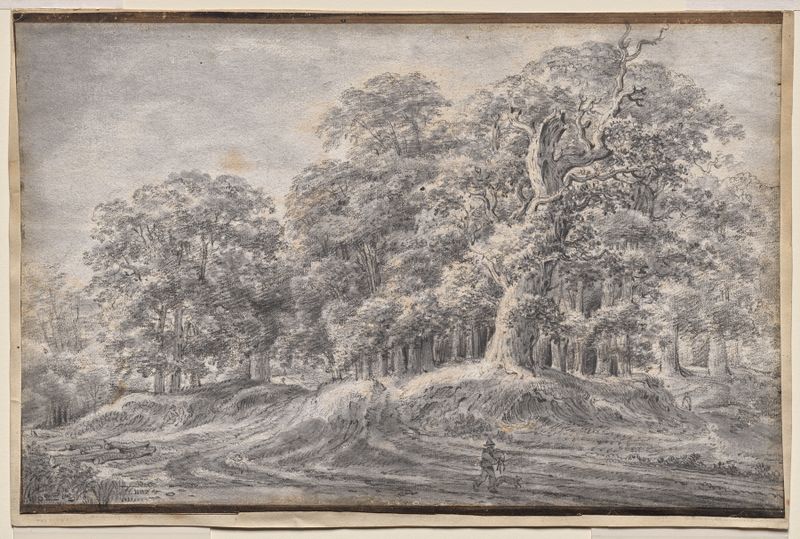
A Track on the Edge of a Wood with a Peasant Carrying Sheep
Antonie Waterloo
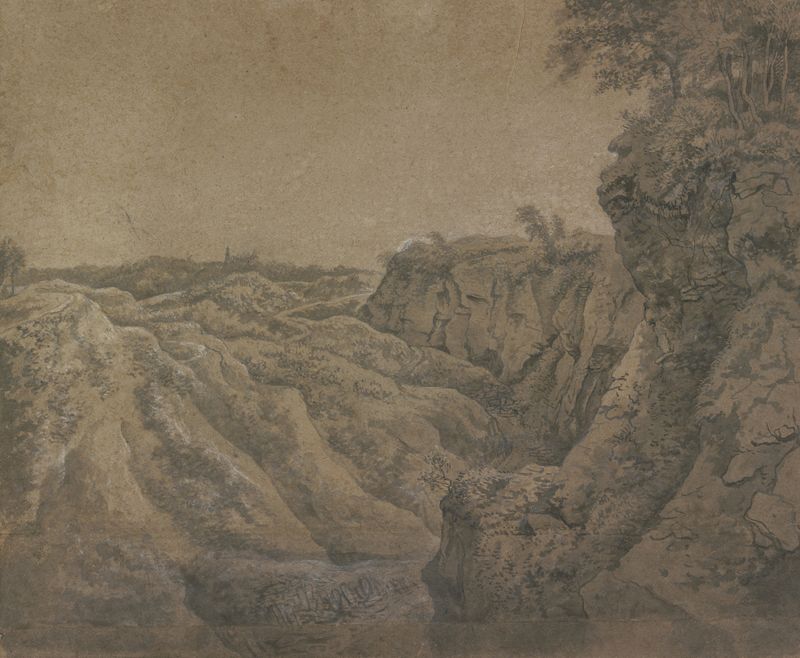
Landscape with a View of Bentheim Castle in the far Distance
Antonie Waterloo
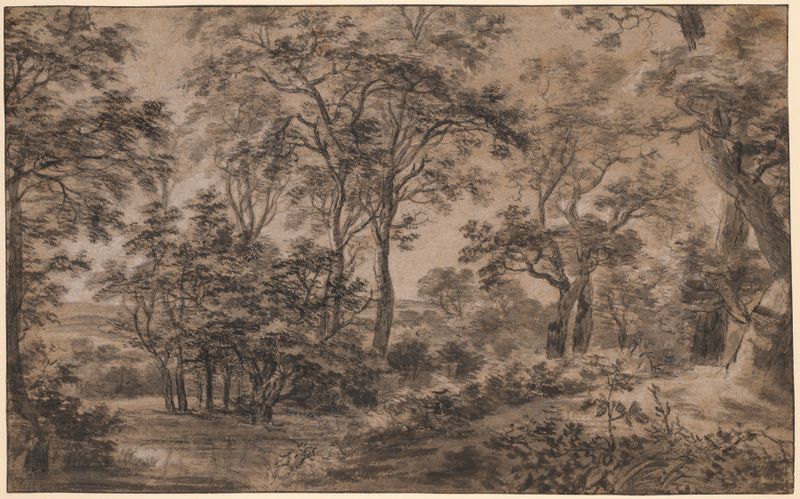
Wooded Landscape
Antonie Waterloo
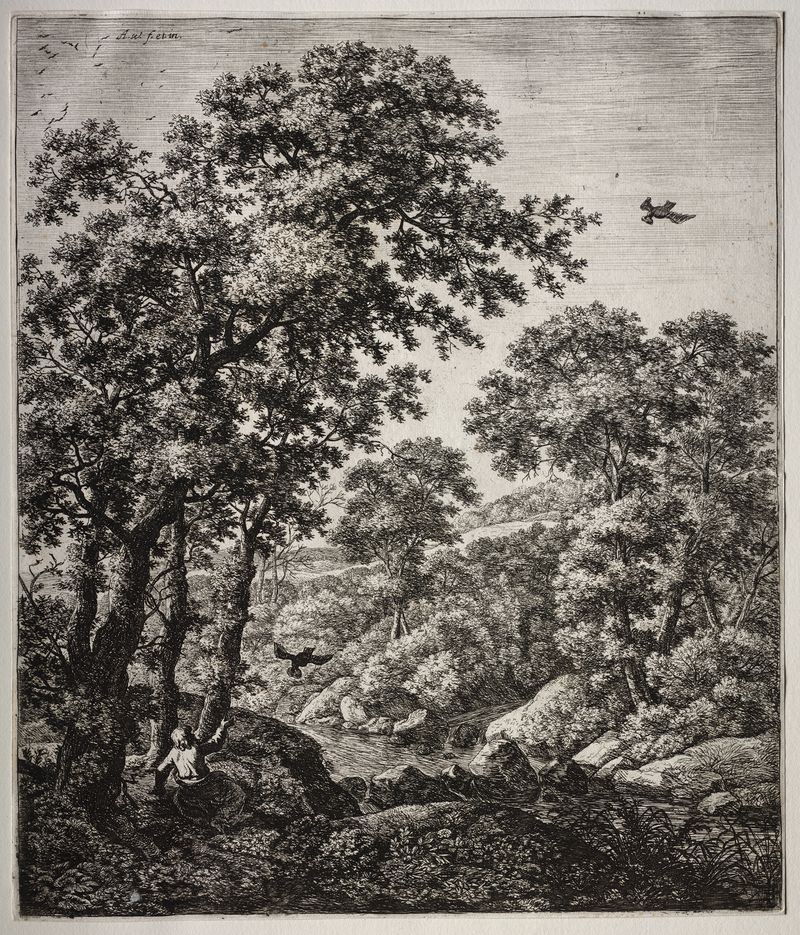
Elijah Fed by the Ravens
Antonie Waterloo
River Landscape with a Castle in the Distance
Antonie Waterloo

Trees and cottages in hilly landscape
Antonie Waterloo
View of the city walls of Utrecht with St. Mary’s Church in the distance
Antonie Waterloo





