
Elisabethenpforte im Schlossgarten — History & Facts
Within the hushed confines of a garden, the stillness bears witness to a deep-seated obsession that lingers in the air, cloaked in mystery and beauty. Look to the left at the elegantly arching gate, intricately detailed, standing as a sentinel between the verdant overgrowth and the world beyond. Notice how the sunlight dapples through the leaves, casting soft, flickering shadows that dance across the cobblestones, creating a textured tapestry of light and dark. The palette is a symphony of greens and earth tones, evoking a sense of tranquility that belies the underlying tension inherent in the threshold it frames. Delve deeper into the piece, and one begins to sense the layers of longing embedded within the garden's embrace.
The contrasting elements—the delicate flora and the imposing structure—reflect a tension between nature and human ambition, perhaps hinting at unfulfilled desires. Each leaf whispers secrets, while the ironwork gate stands resolute, suggesting a barrier to connection or understanding, capturing the essence of a yearning heart. Daniel Fohr created this artwork during a period of introspection, likely influenced by the romantic movements of his time. Though the exact date is unknown, his work reflects the late 19th to early 20th century, a time when artists were increasingly drawn to the interplay of nature and architectural forms, mirroring broader themes of isolation and obsession that permeated the art world.
More Artworks by Daniel Fohr
Browse all →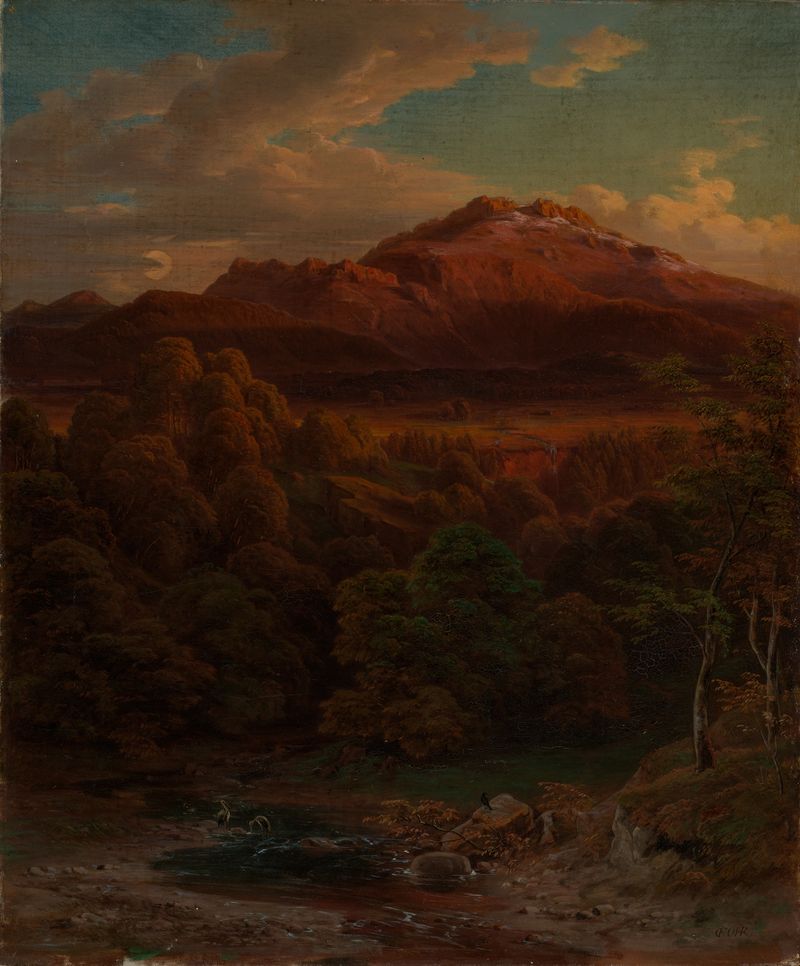
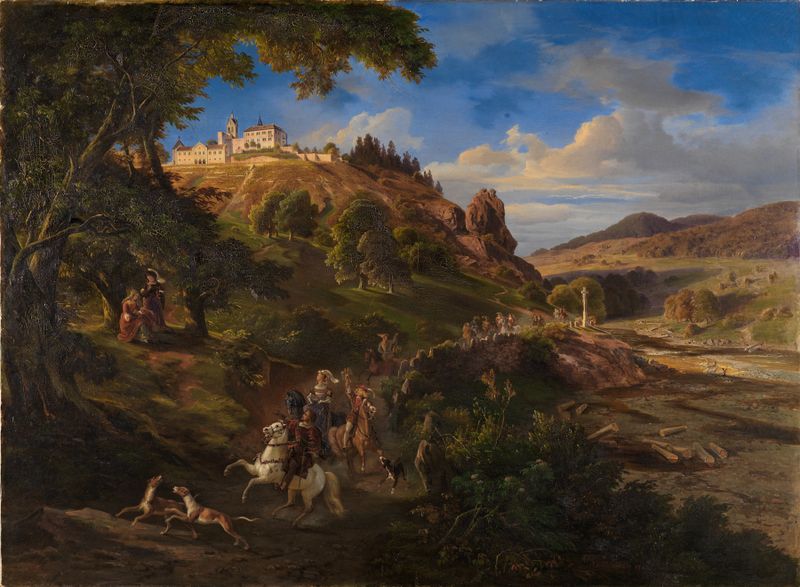
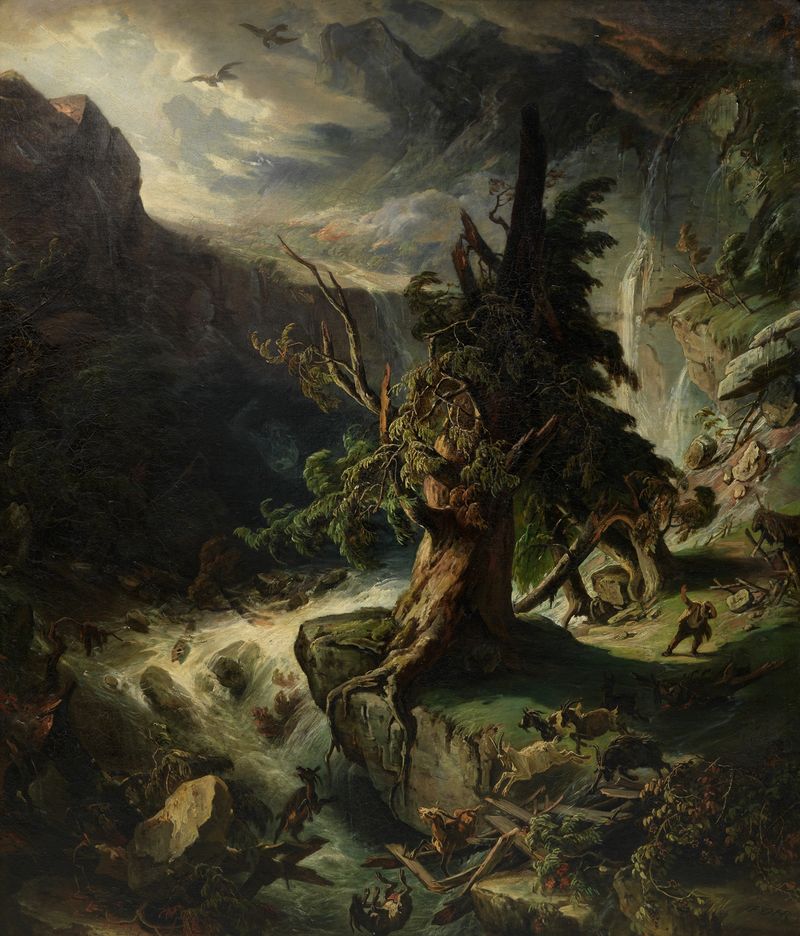
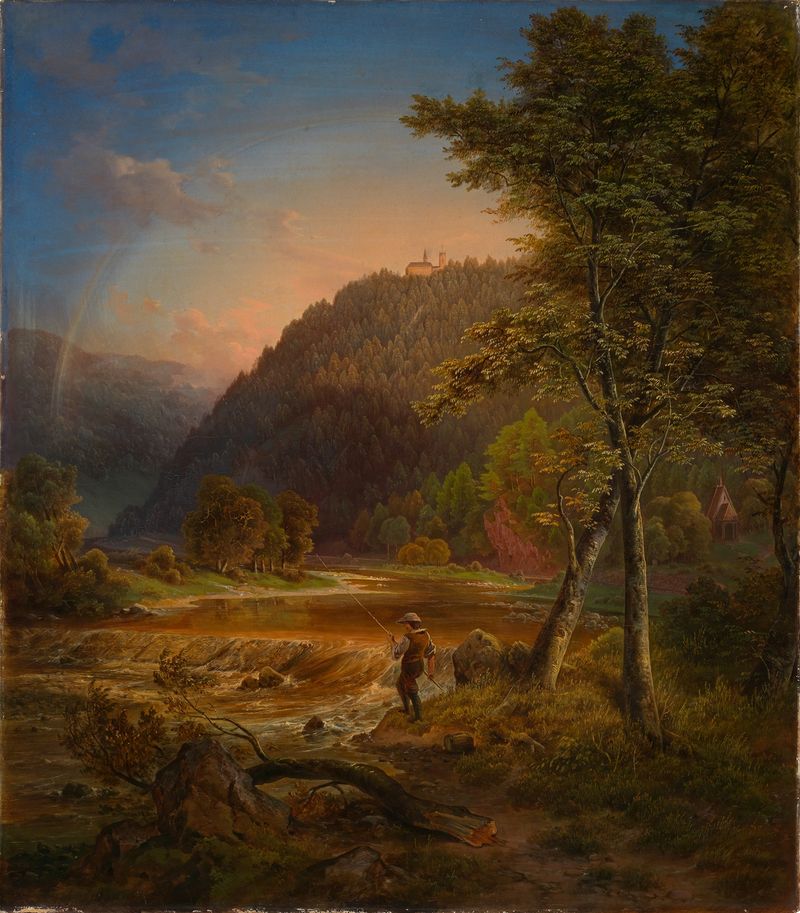
More Architecture Art
Browse all →
The statue of Liberty
Frédéric Auguste Bartholdi

View of Houses in Delft, Known as ‘The Little Street’
Johannes Vermeer

View of Houses in Delft, Known as ‘The Little Street’
Johannes Vermeer

The Cathedral in Rouen. The portal, Grey Weather
Claude Monet

The yellow house
Vincent van Gogh

The Church in Auvers-sur-Oise, View from the Chevet
Vincent van Gogh