
Elite Hotel Zürich — History & Facts
The first thing to catch the eye in Elite Hotel Zürich is the striking self-possession of the woman at its center, her fiery red curls and bold gaze framed by a sweeping hat and the crisp white of her dress. The artist, Emil Cardinaux, sets her against a nearly blank ground, making her presence all the more commanding. Every detail—the patterned muff, the embroidered green bag with its leaping stag, the confident tilt of her head—signals a world of refinement and tradition, yet the poster’s bold, simplified forms and saturated colors speak to the modernity of early twentieth-century design.
The oversized red and black letters anchor her in place, as if she herself is both the guardian and the embodiment of the hotel’s promise. This image belongs to the golden age of the travel poster, when Swiss hotels and resorts vied for attention in a rapidly expanding world of tourism. Around 1915, when this work was created, posters like this were not mere advertisements but invitations to an experience: they conjured a sense of place and aspiration, blending local folklore with cosmopolitan flair. Cardinaux was among the pioneers who elevated the travel poster to an art form, and his work often drew on Swiss motifs—here, the stag and the folk embroidery—while using the clarity and impact of modern graphic design.
Though little is recorded about this particular commission, its survival in a Swiss collection today lets us glimpse the ambitions and allure of a vanished era, and invites us to imagine ourselves stepping into that world.
More Artworks by Emil Cardinaux
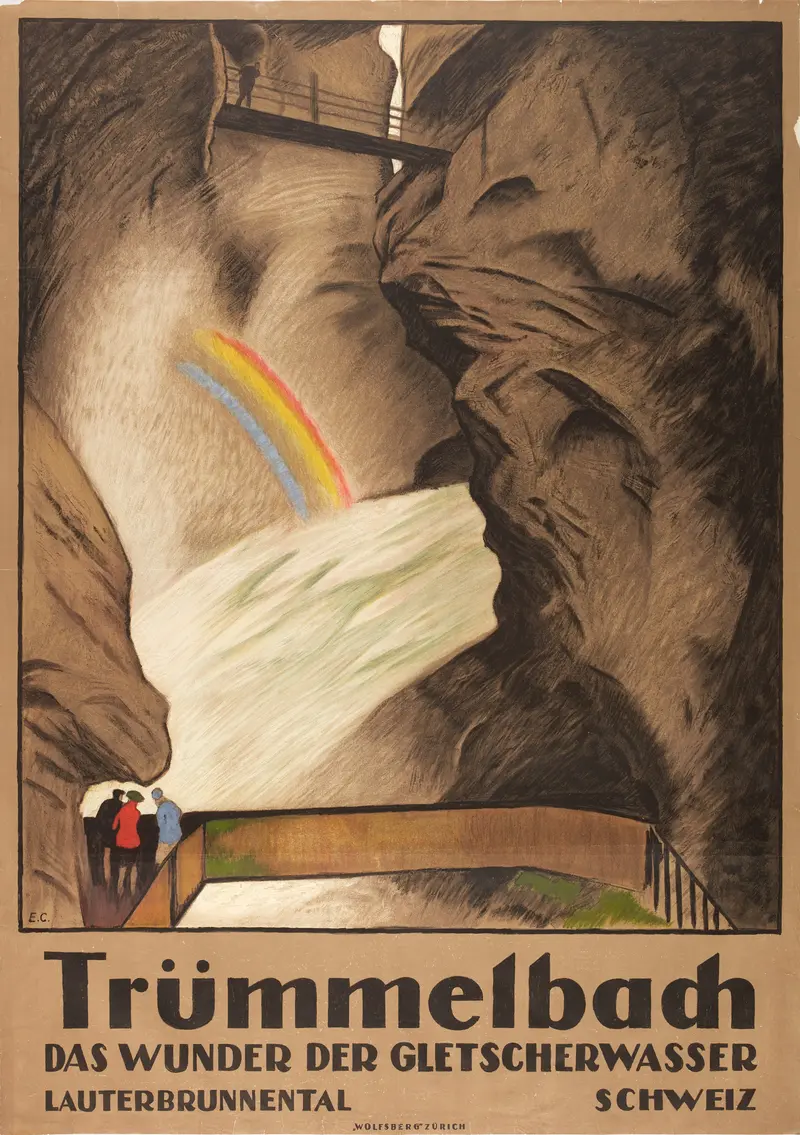
Trümmelbach
Emil Cardinaux
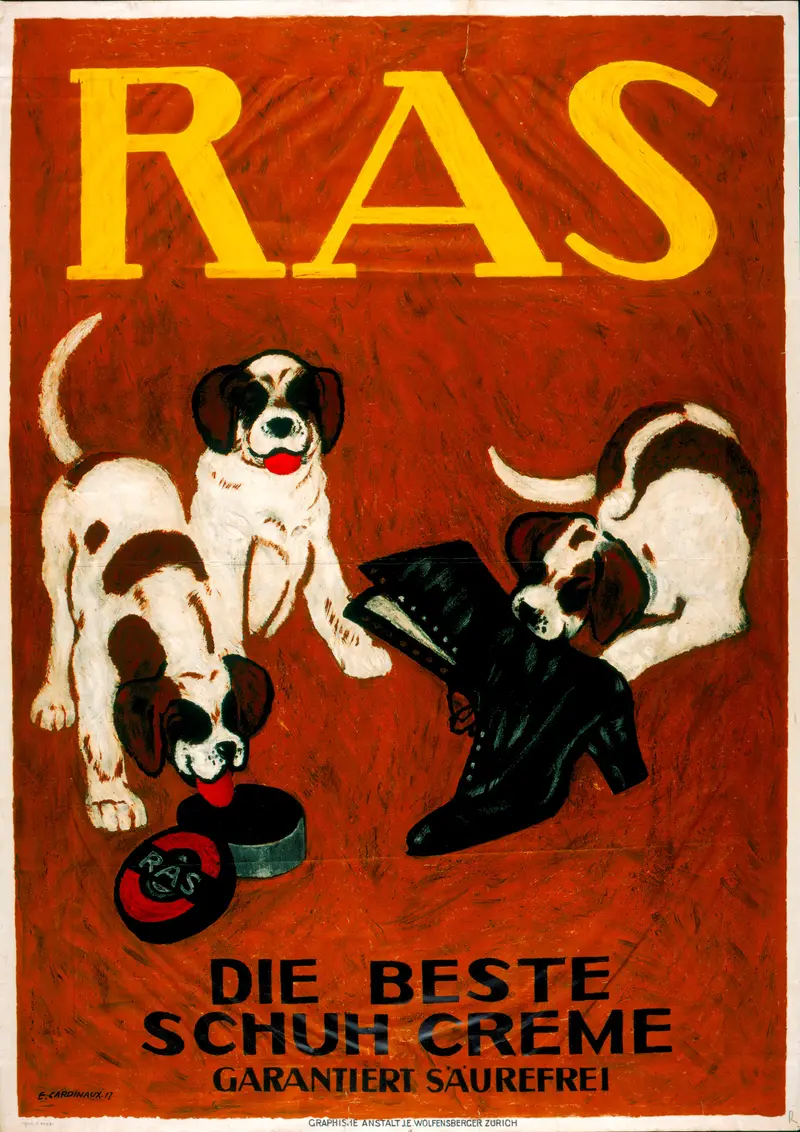
RAS, die beste Schuhcrème
Emil Cardinaux
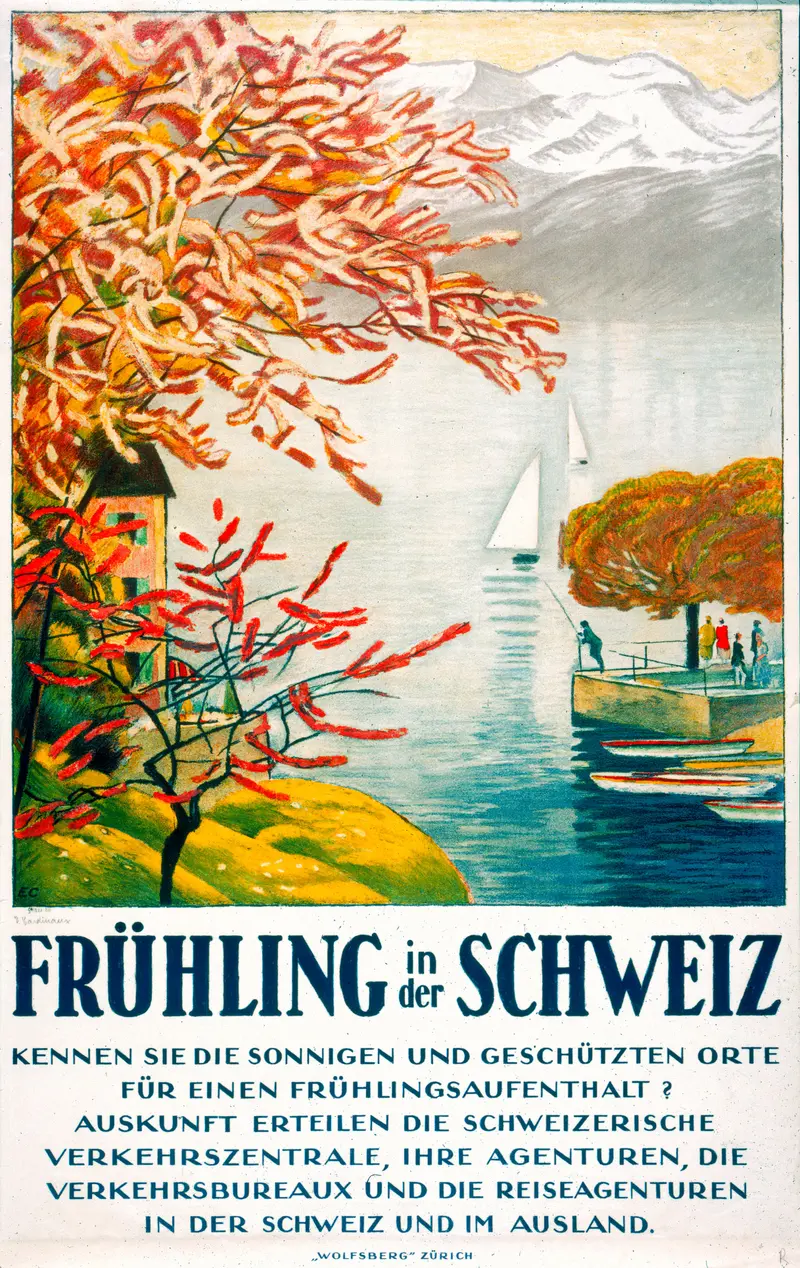
Frühling in der Schweiz
Emil Cardinaux
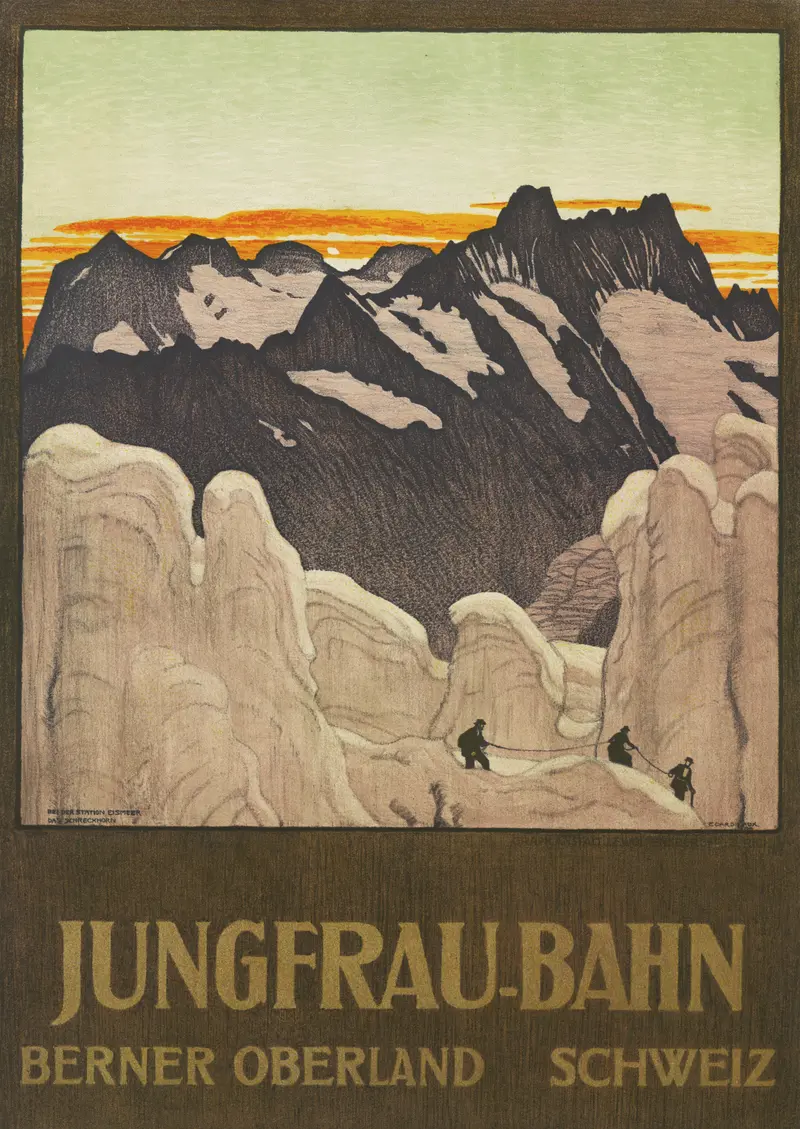
Jungfrau-Bahn, Berner Oberland
Emil Cardinaux
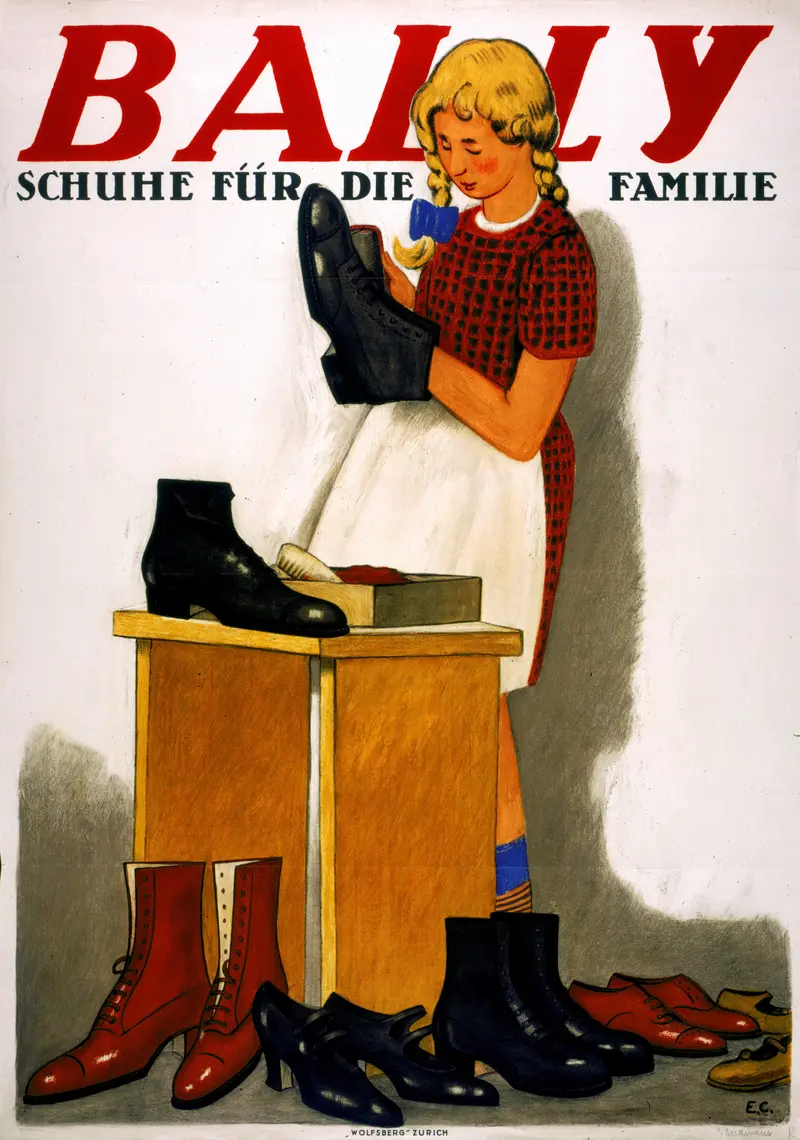
Bally – Schuhe für die Familie
Emil Cardinaux

Winter in Switzerland
Emil Cardinaux
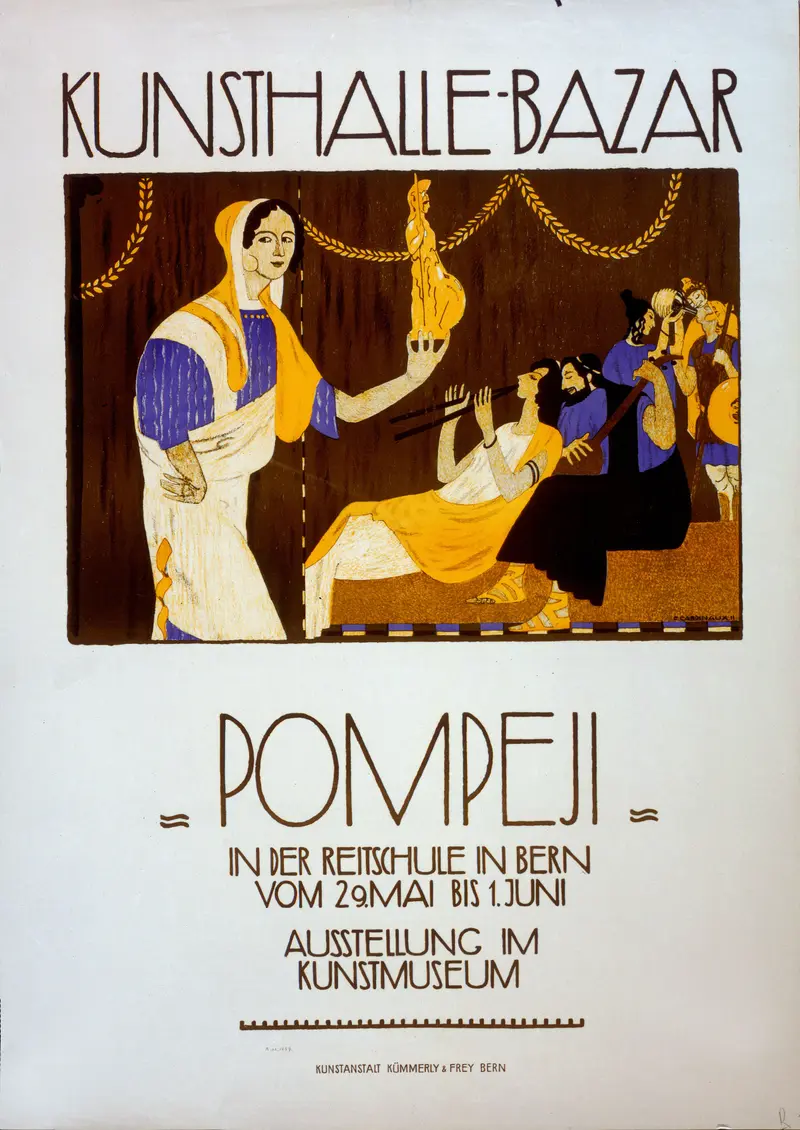
Kunsthalle-Bazar Pompeji, Bern 1911
Emil Cardinaux
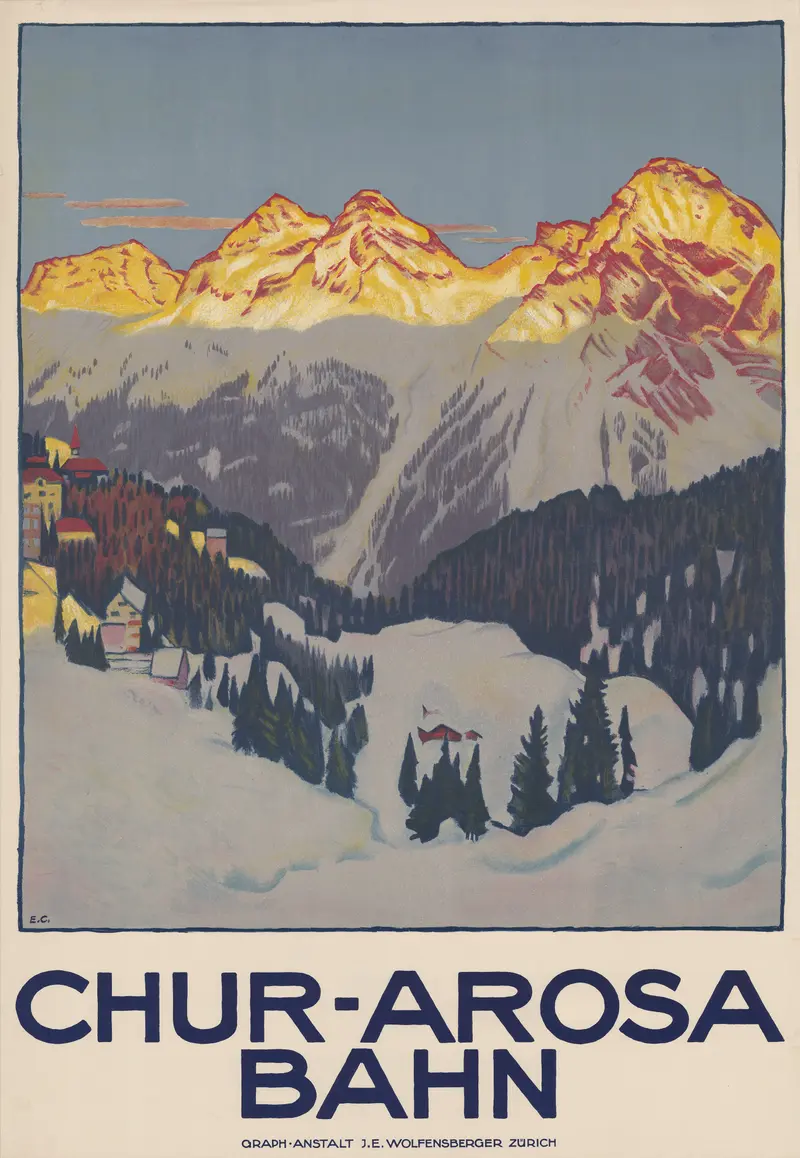
Chur-Arosa-Bahn
Emil Cardinaux
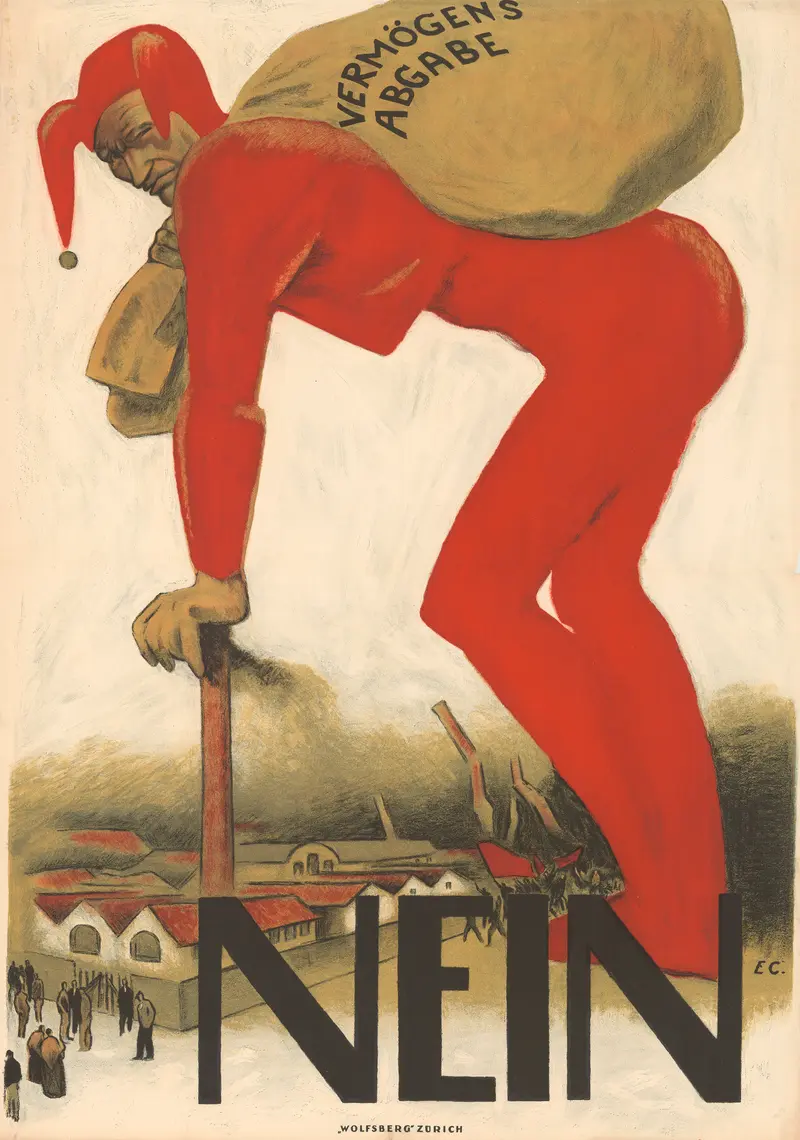
Vermögensabgabe – Nein
Emil Cardinaux
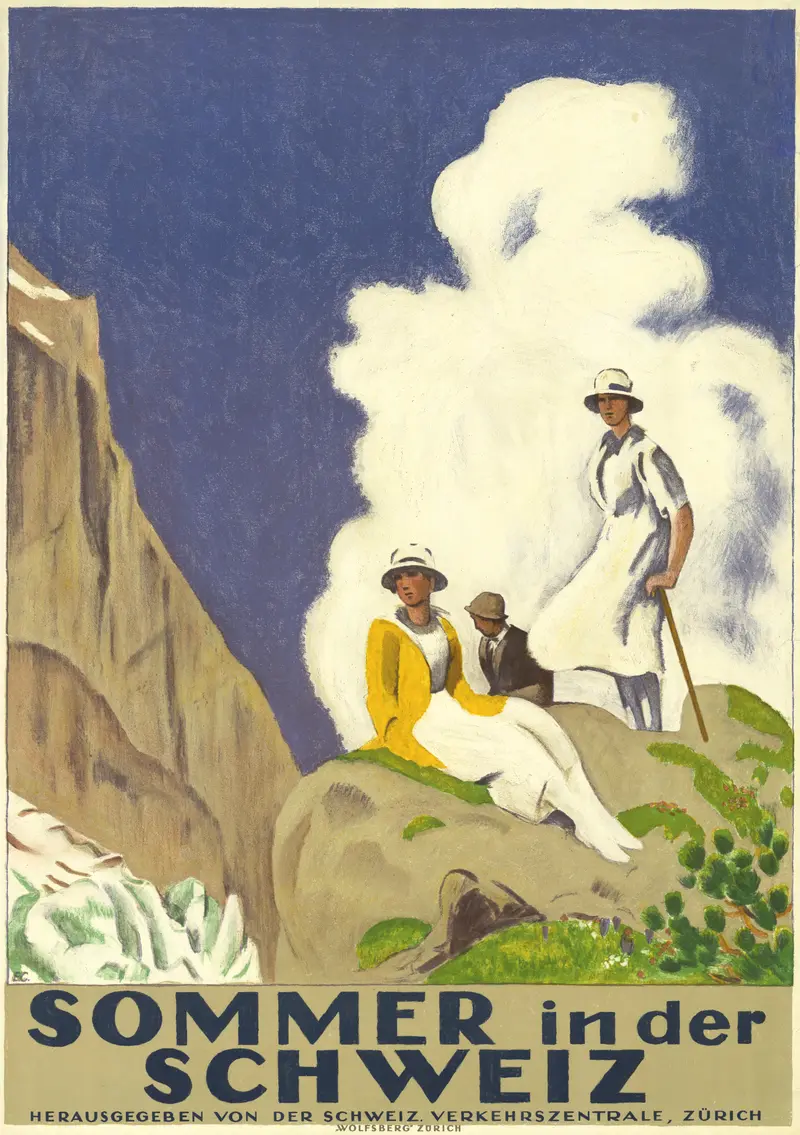
Sommer in der Schweiz
Emil Cardinaux





