
Ely Cathedral, August 5, 1824 — History & Facts
In Ely Cathedral, the exquisite interplay of light and shadow reveals the depths of obsession that dwell within religious architecture. Look to the left at the towering spires reaching toward the heavens, their gothic outlines framed against a tender, early morning sky. Notice how the sun spills through the stained glass windows, casting vibrant hues that dance across the stone floor. The meticulous brushwork captures both the grandeur of the cathedral and the intimate details—every chisel mark on the stone seems to whisper stories of devotion and despair.
The muted palette, punctuated by bursts of color, invites a sense of reverence while evoking the haunting echoes of prayers long past. Yet, beneath this façade of beauty lies an undercurrent of tension. The cathedral’s majesty is counterbalanced by the isolation of its surroundings; the figures are dwarfed, fragile against the monumental structure, illustrating a deep yearning for connection. The shadows lurking in the corners suggest a trepidation, an obsession with the divine that might come at a great personal cost.
Each element resonates with the idea that beauty can be both a sanctuary and a prison, a place of worship entwined with the complexities of human longing. In 1825, Rushout painted this piece as she sought to capture the essence of her surroundings while grappling with her own artistic identity. Living in a time when Romanticism was flourishing, she was influenced by the tumultuous emotions and reverence for nature and spirituality that characterized the movement. As she rendered this iconic site, she was not only embracing her role as a female artist but also responding to the broader currents of a changing world, where faith and art were inextricably linked.
More Artworks by Anne Rushout
Browse all →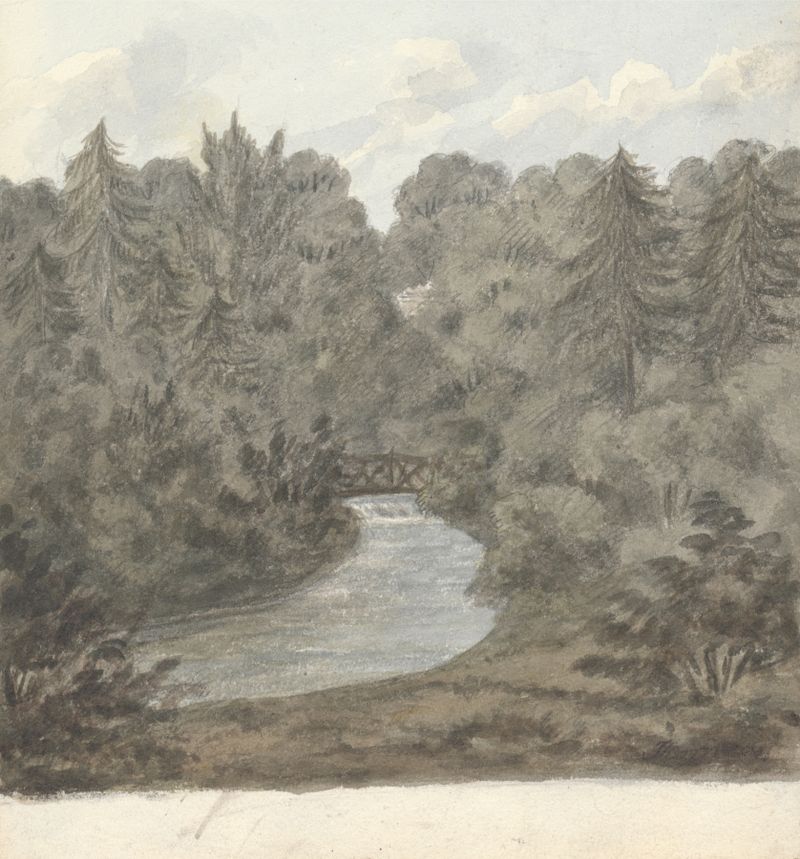
Thornery Pool, Sezincote
Anne Rushout
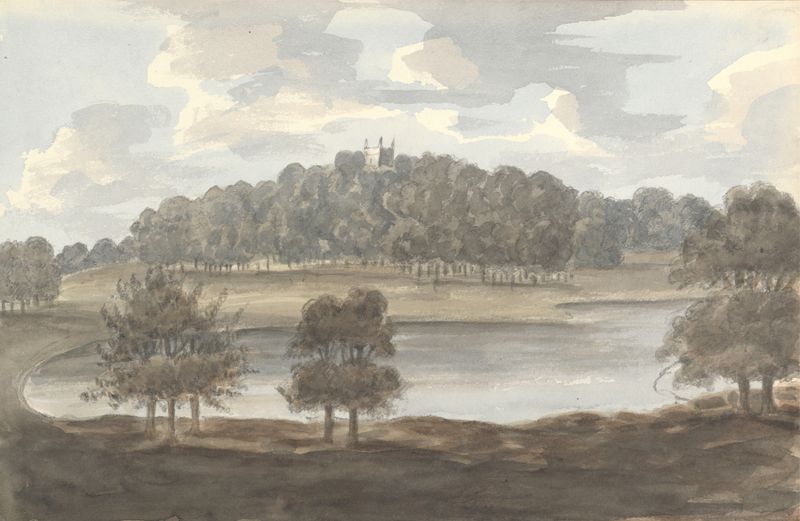
Holkham, August 1824
Anne Rushout

Grove Cottage, Wanstead May 18th, 1825
Anne Rushout
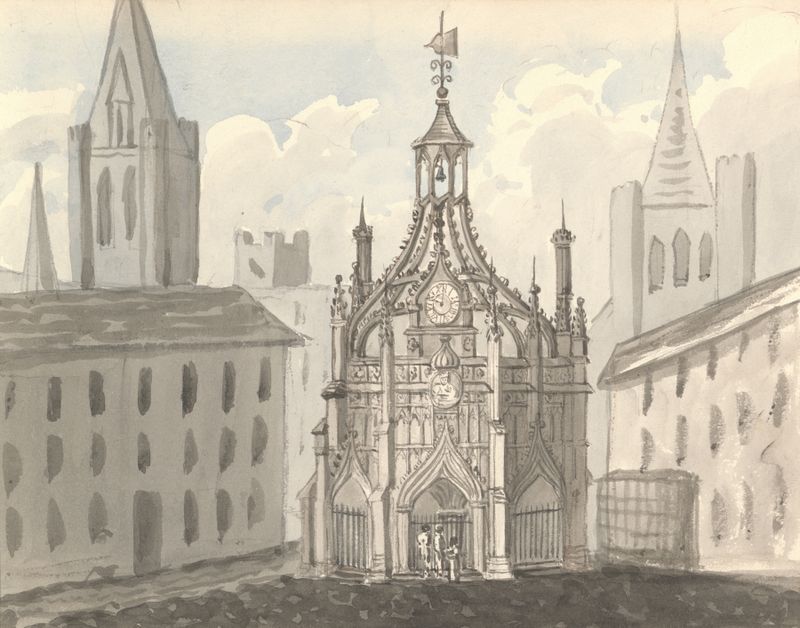
From Inn at Chichester, July 1828
Anne Rushout
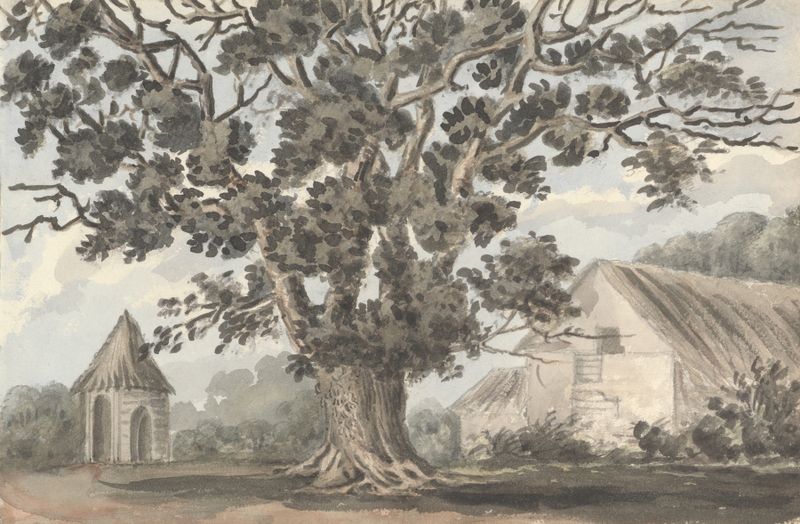
Queen Elizabeth’s Oak near Finborough Hall
Anne Rushout

Holkham, August 1824
Anne Rushout
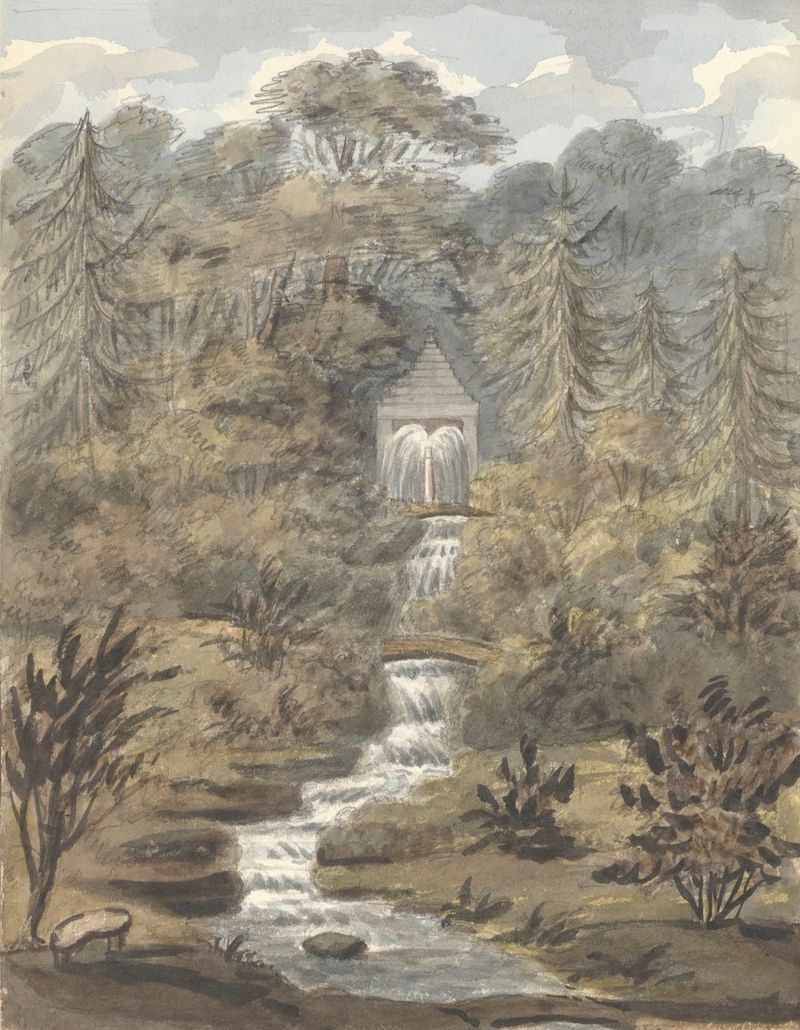
Temple and Falls, Sezincote
Anne Rushout

From Flower Garden, Wanstead Grove
Anne Rushout

From Window at Eastnor Castle, Gloucestershire Beacon, September 28, 1829
Anne Rushout

From Portico at Wanstead Grove, May 24, 1825
Anne Rushout
More Architecture Art
Browse all →
The statue of Liberty
Frédéric Auguste Bartholdi

View of Houses in Delft, Known as ‘The Little Street’
Johannes Vermeer

View of Houses in Delft, Known as ‘The Little Street’
Johannes Vermeer

The Cathedral in Rouen. The portal, Grey Weather
Claude Monet

The yellow house
Vincent van Gogh

The Church in Auvers-sur-Oise, View from the Chevet
Vincent van Gogh