Discover insights about this artwork
Emperor moth — History & Facts
In Emperor Moth, Vincent van Gogh captures the intricate beauty of the moth with vibrant colors. The painting features a rich palette of yellows, greens, and browns, creating a lively depiction of nature. The moth is set against a soft, blurred background that enhances its vivid details.
This focus on the moth draws the viewer's attention to its delicate wings and patterns. The painting is executed in oil on canvas, a medium that allows for rich textures and depth. Van Gogh's brushwork is visible, with thick, expressive strokes that add dimension to the moth's form. The use of color is striking, with contrasting hues that bring the subject to life.
This technique is characteristic of Van Gogh's Post-Impressionist style, emphasizing emotion and personal expression. Vincent van Gogh painted Emperor Moth during his exploration of nature and its details. This work reflects his fascination with the natural world, which he often depicted in his art. Interestingly, the painting showcases Van Gogh's unique approach to color and form, which would later influence many artists.
It serves as a testament to his ability to find beauty in the small and often overlooked aspects of life.
More Artworks by Vincent van Gogh
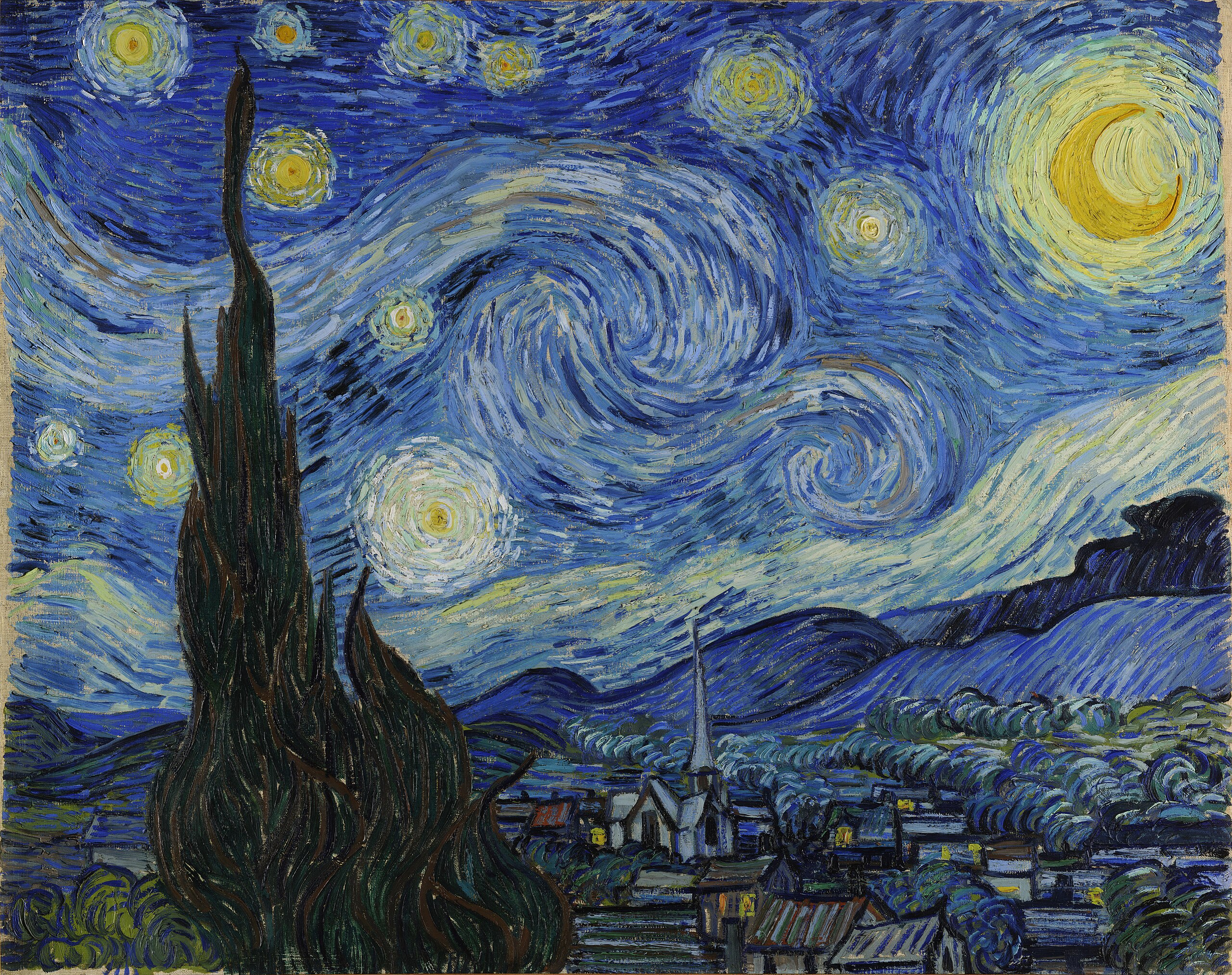
Starry Night
Vincent van Gogh
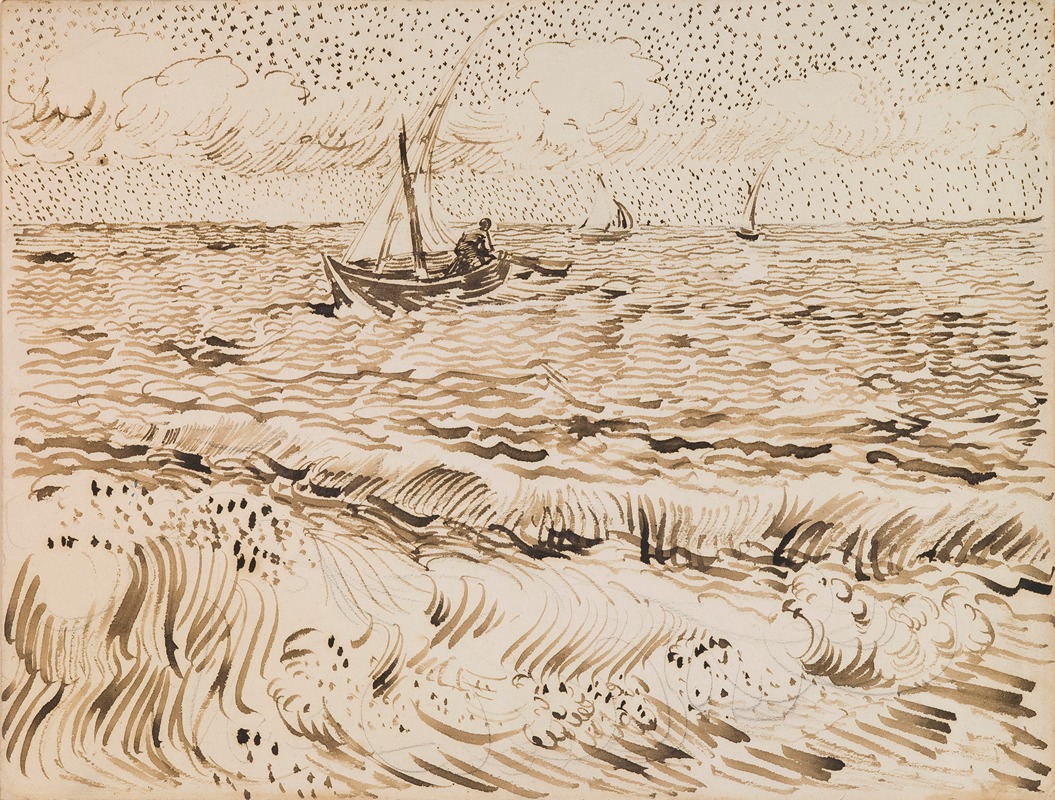
Fishing Boats at Saintes-Maries-de-la-Mer
Vincent van Gogh
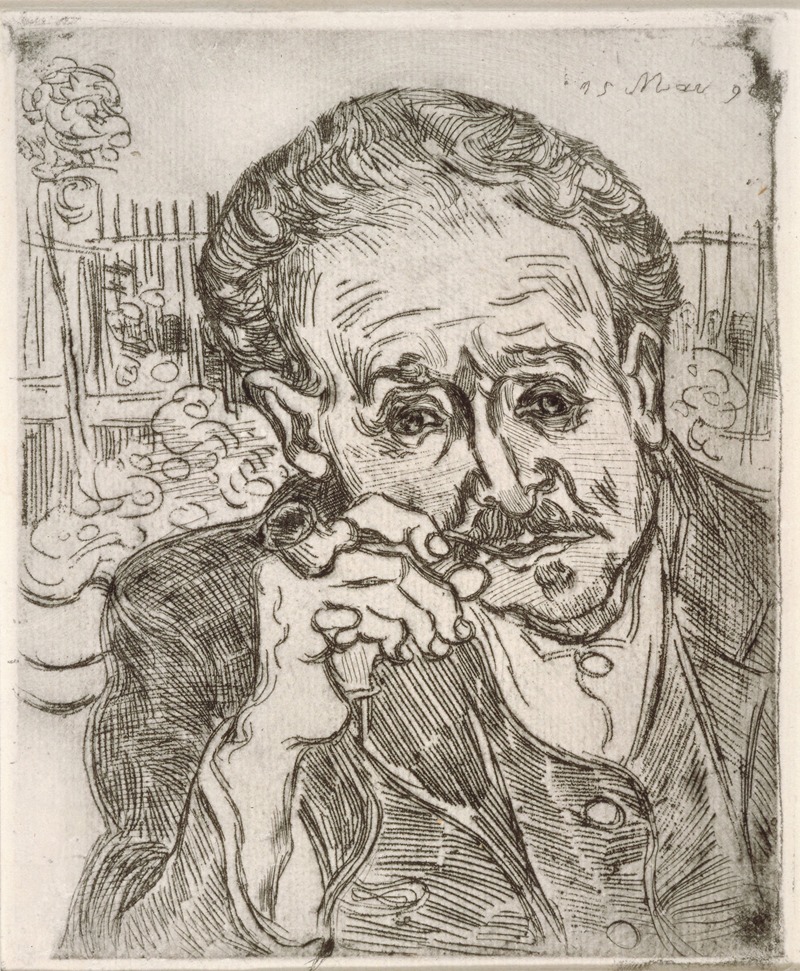
Portrait of Dr. Gachet (Auvers-sur-Oise)
Vincent van Gogh
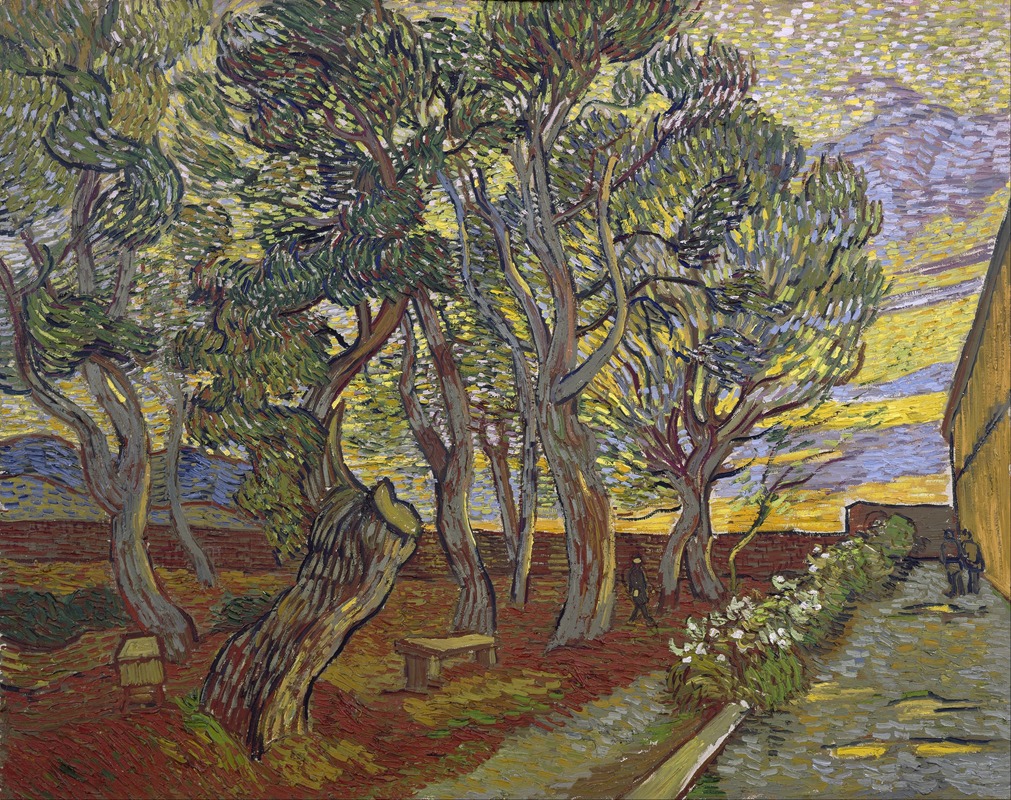
The garden of Saint Paul’s Hospital
Vincent van Gogh
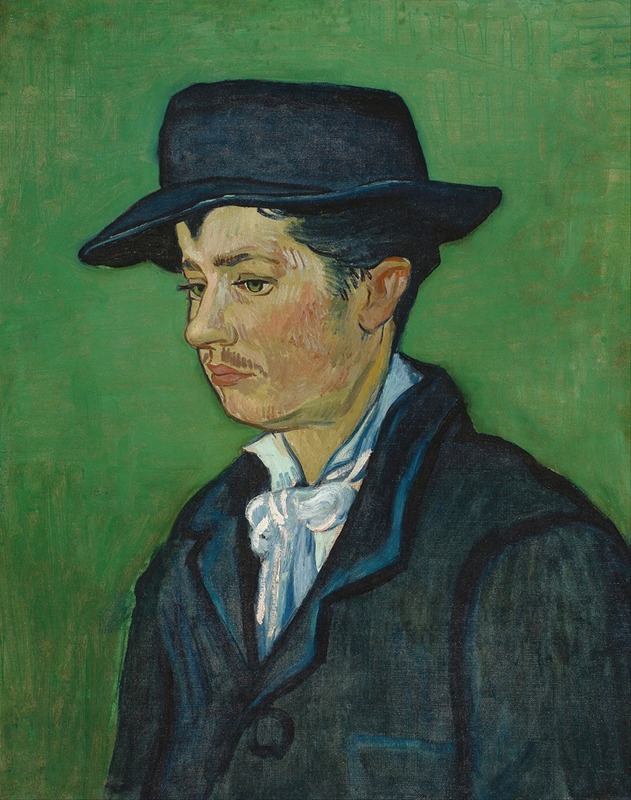
Portrait Of Armand Roulin
Vincent van Gogh
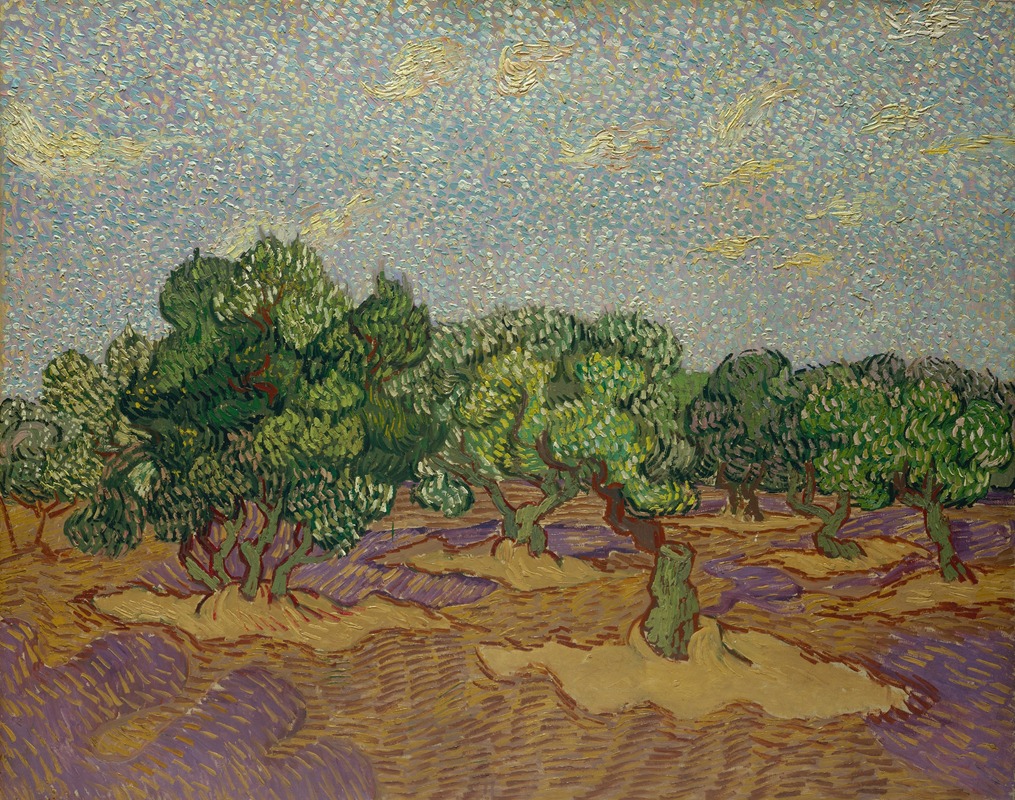
Olive Trees
Vincent van Gogh
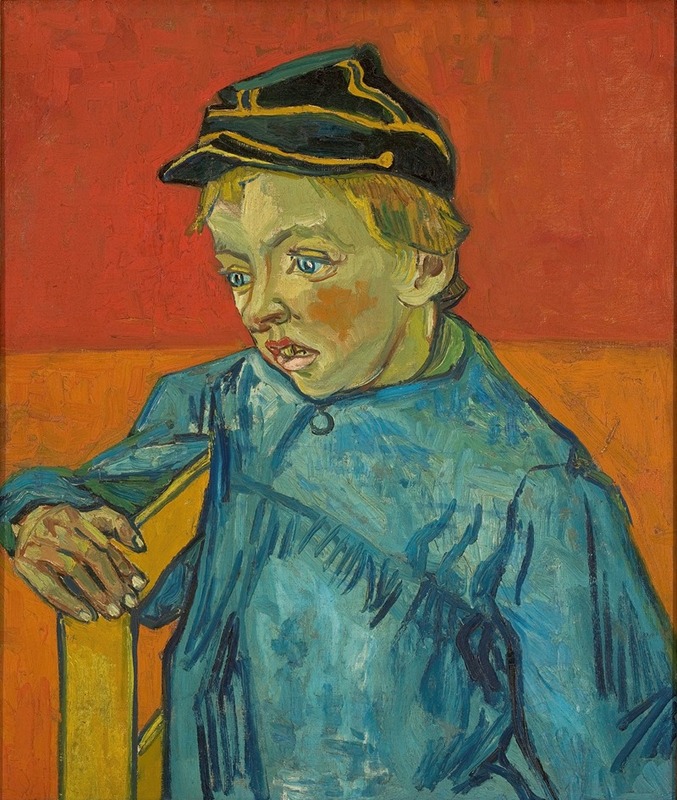
The Schoolboy (Camille Roulin)
Vincent van Gogh
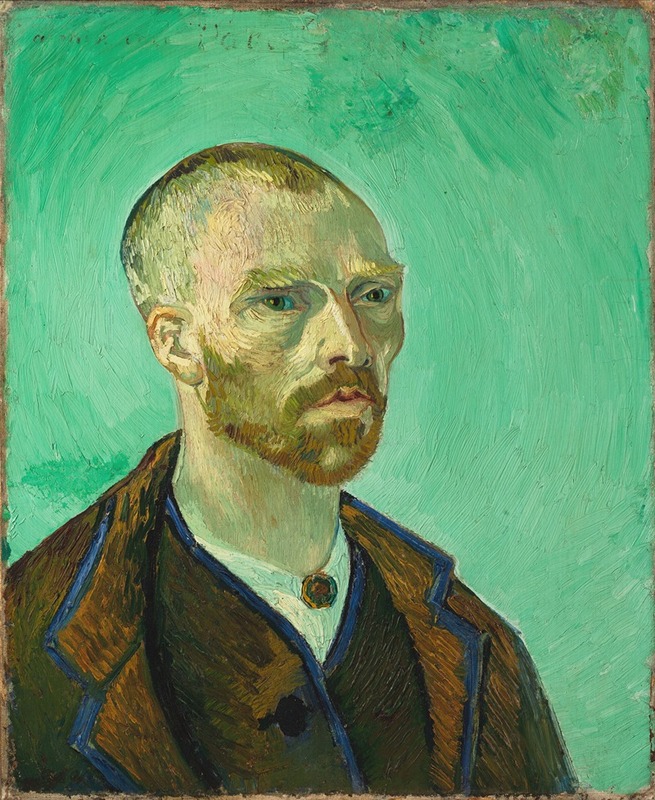
Self Portrait (dedicated to Paul Gauguin)
Vincent van Gogh
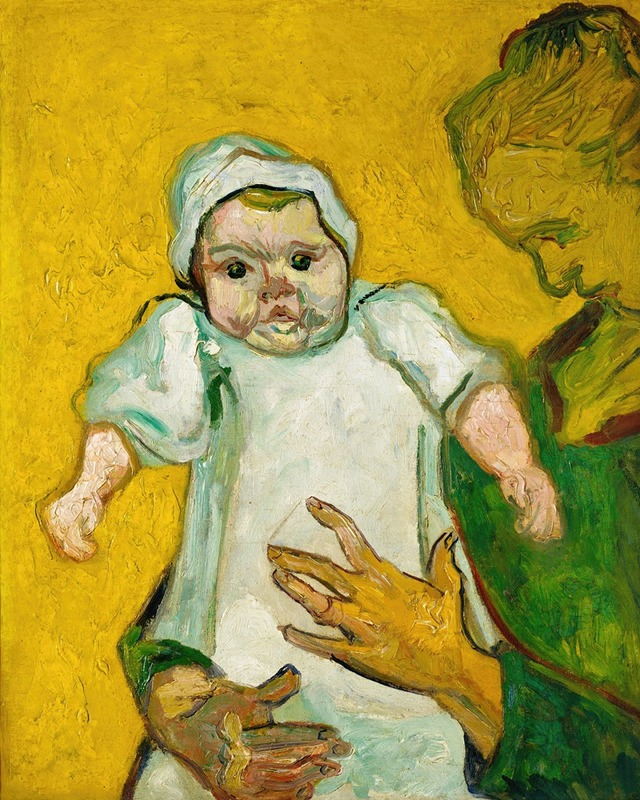
Madame Roulin and Her Baby
Vincent van Gogh
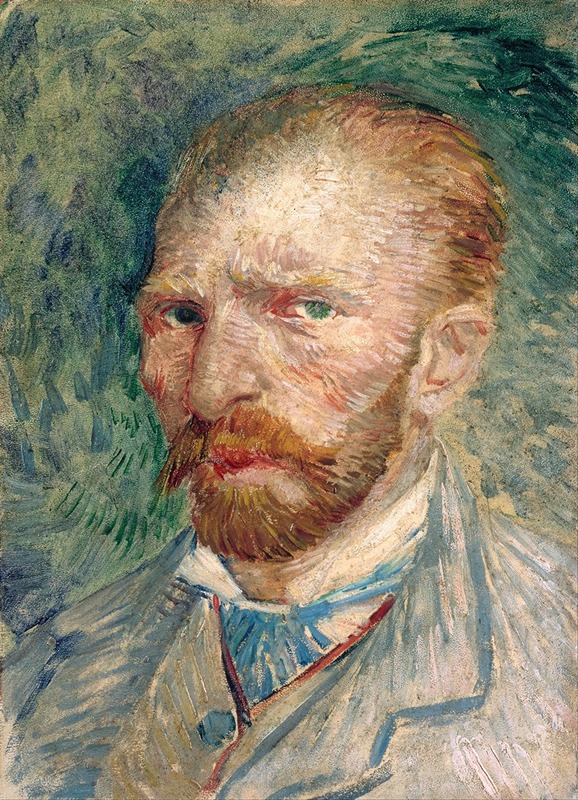
Self-Portrait
Vincent van Gogh