
Engelberg (Schweiz) — History & Facts
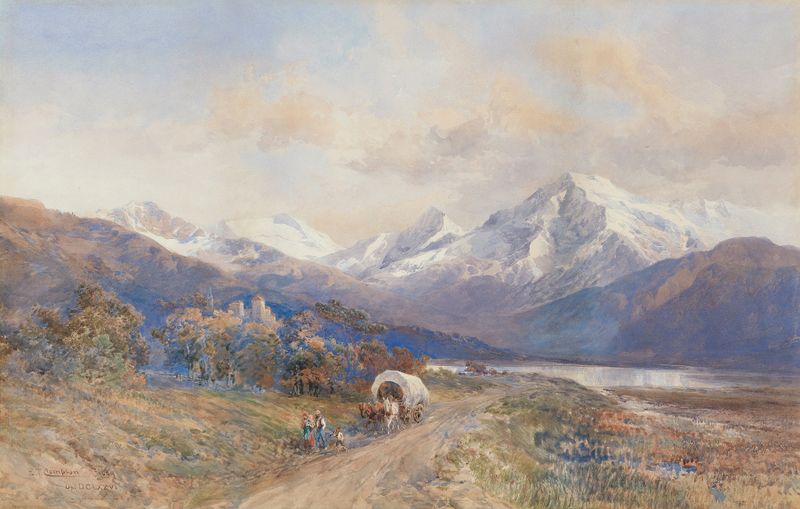
In the delicate interplay between nature and artistry, we find echoes of balance that resonate through the ages. Focus on the serene valley that unfolds in the foreground, where gentle greens cradle the rugged mountains. Notice how the soft brushstrokes depict an ethereal light, illuminating the peaks with a golden hue, casting long shadows that stretch toward the viewer. The composition leads your eye upward, inviting you to travel along the sweeping contours of the landscape, each layer of color harmonizing with the next, creating a dialogue between earth and sky. Yet beneath this tranquil surface lies a tension between the grandeur of nature and the fragility of human existence.
The distant figures, dwarfed by the mighty mountains, embody our smallness against the vastness of the world, reminding us of our place within it. The intricate details—the swirling clouds and the tranquil reflections in the water—speak to the duality of peace and turmoil, a balance that defines both nature and the human spirit. In the late 19th century, Edward Theodore Compton painted Engelberg (Schweiz), drawing inspiration from his travels in Switzerland. This period marked an artistic shift toward realism and a renewed fascination with landscapes, capturing the sublime beauty of the natural world.
As Compton explored these breathtaking vistas, he sought to convey not just their aesthetic appeal but also the profound connection between humanity and the environment, a theme that resonates deeply within his body of work.
More Artworks by Edward Theodore Compton
Browse all →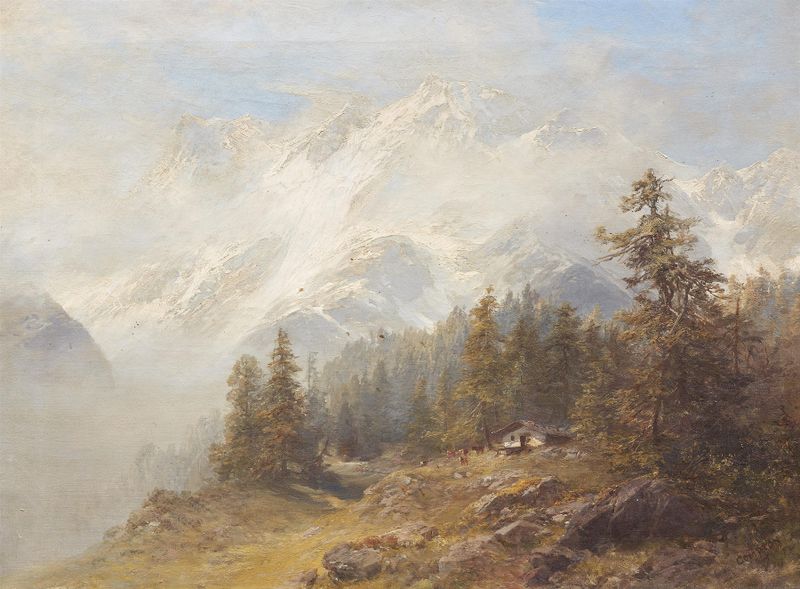
Alpenlandschaft vor schneebedecktem Massiv
Edward Theodore Compton
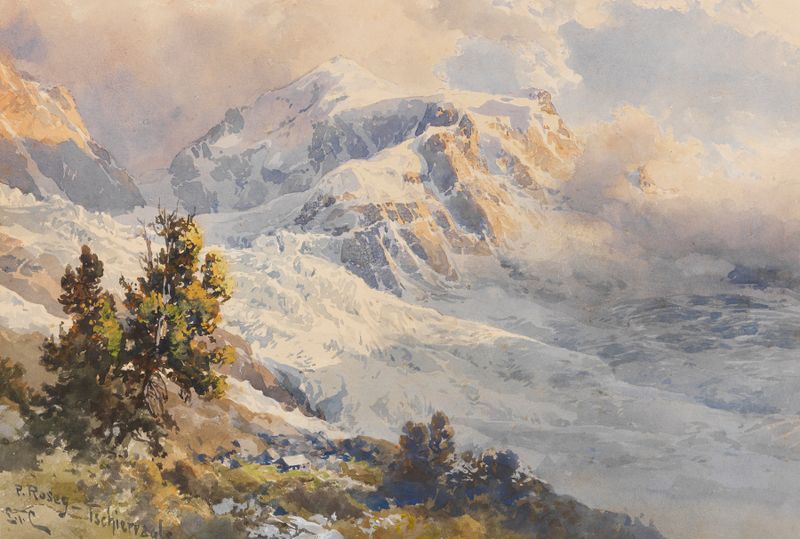
Piz Roseg – Tschiervagletscher
Edward Theodore Compton
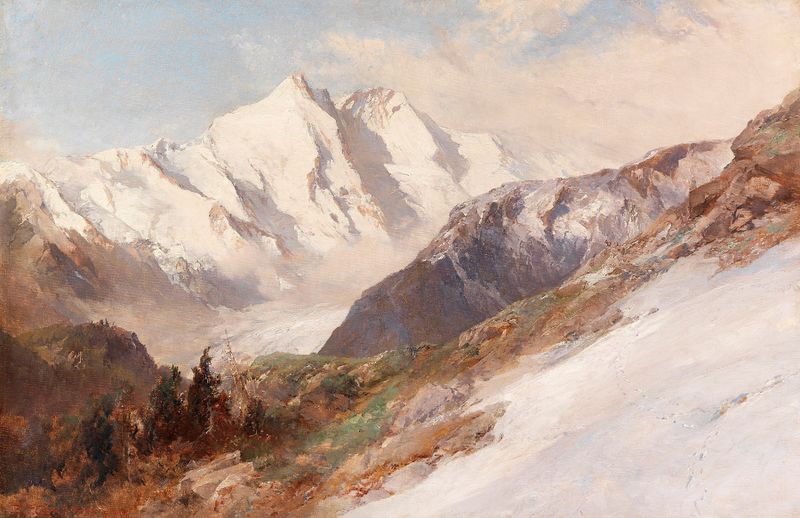
Blick auf die Nordseite des Großglockners
Edward Theodore Compton
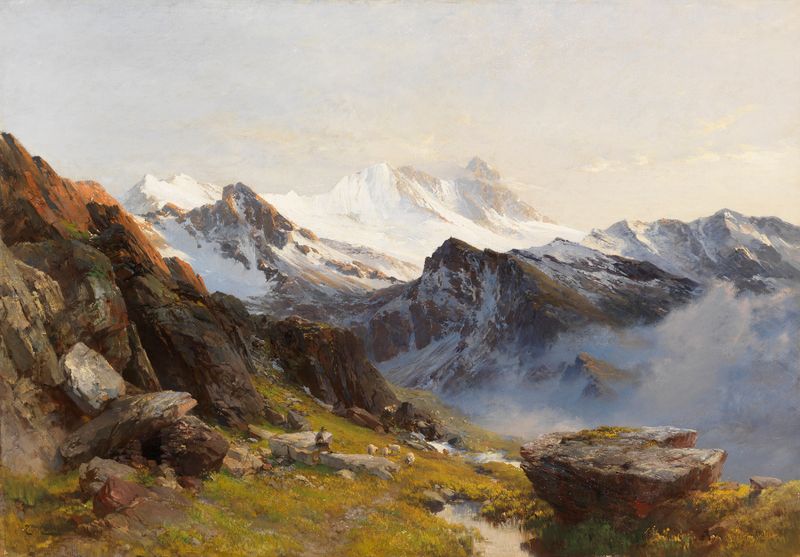
Großglockner von der Prager Hütte aus, früh
Edward Theodore Compton
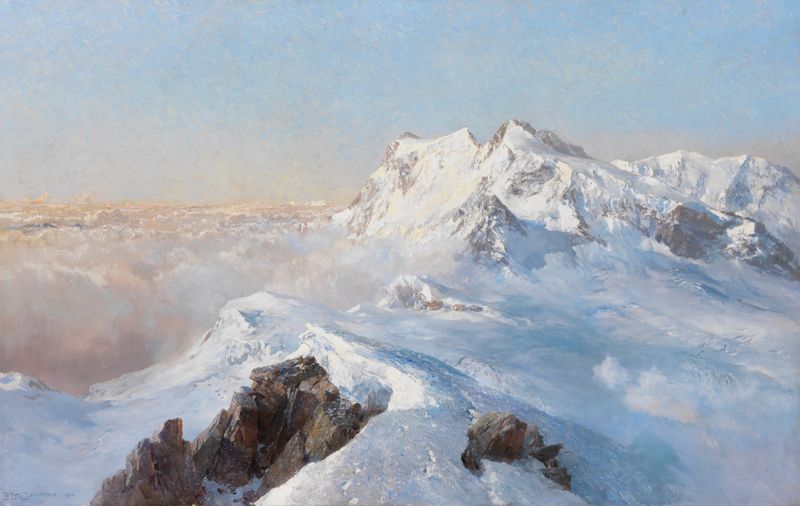
Über dem Nebelmeer (Monte Rosa vom Rimpfischhorn)
Edward Theodore Compton
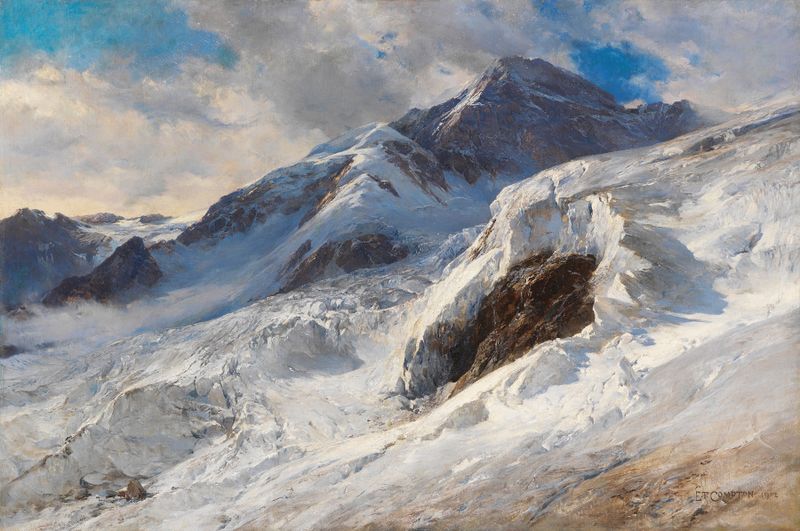
Lyskamm (Monte-Rosa)
Edward Theodore Compton
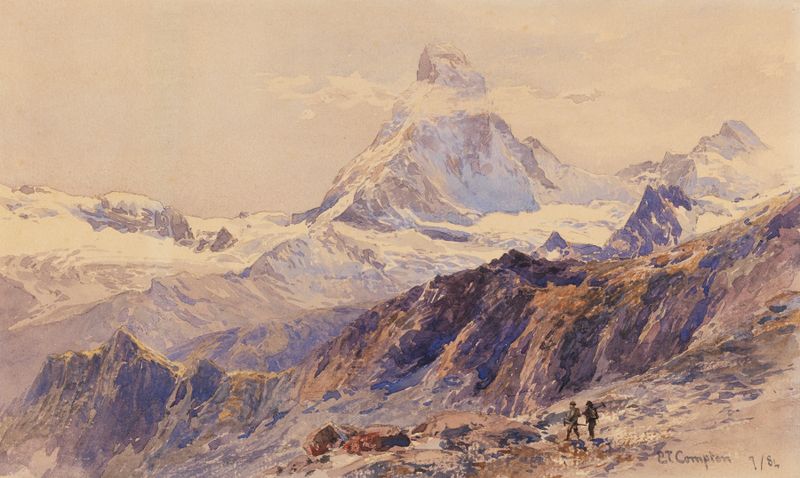
Das Matterhorn von der Triftkumme
Edward Theodore Compton
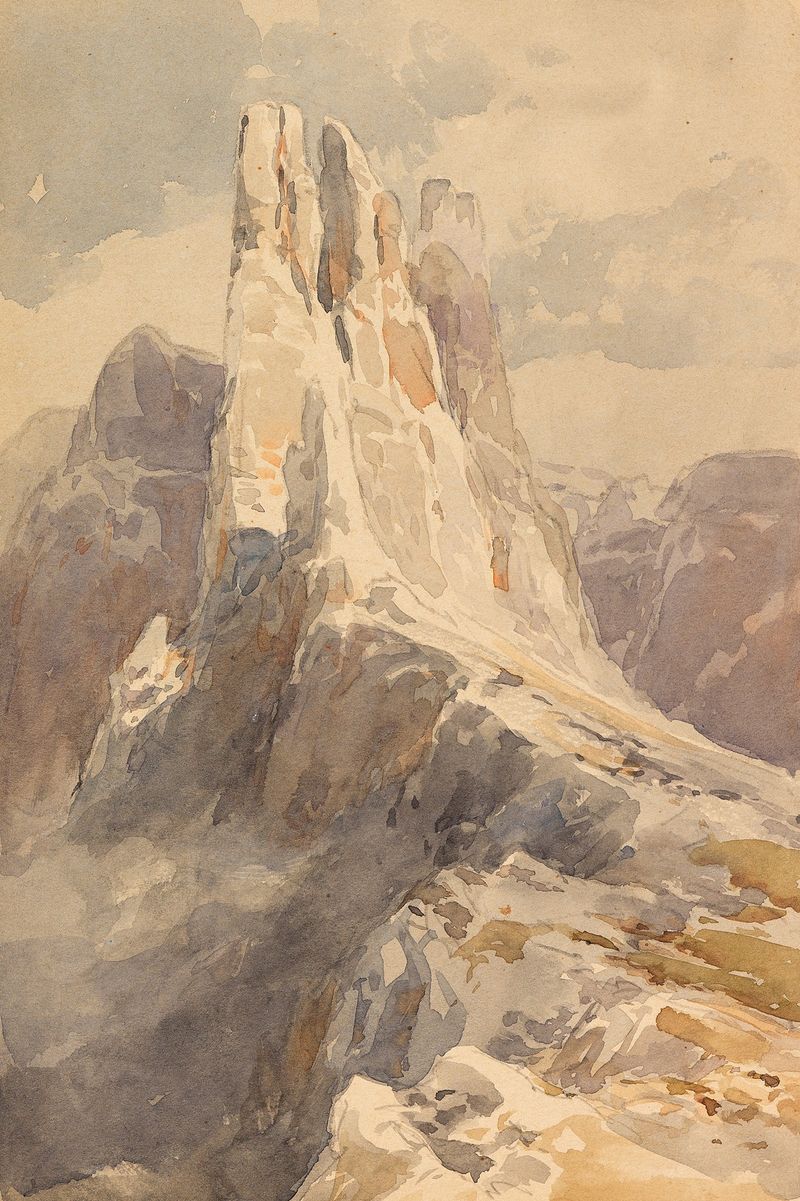
Blick auf die Vajolet-Türme in den Dolomiten
Edward Theodore Compton
Blick auf den Ortler von St. Valentin
Edward Theodore Compton
View of the Matterhorn
Edward Theodore Compton





