Engllacke — History & Facts
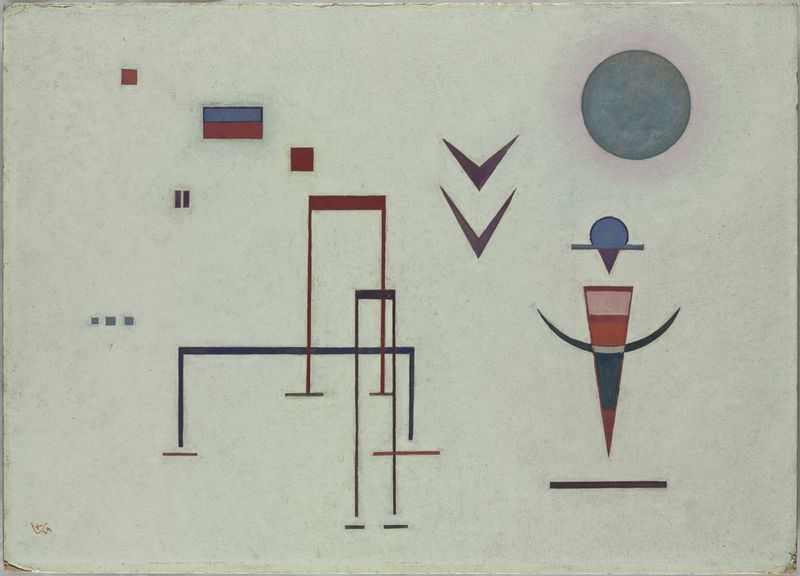
Can paint confess what words never could? In the silence of the canvas, unspoken truths emerge, revealing the pulse of a revolution waiting to be born. Look to the top left of the canvas, where vibrant strokes collide with darker hues, creating a dynamic tension that draws the eye. The swirling colors seem to pulsate, suggesting movement and change, while the angular forms anchor the composition with an unsettling urgency. Kahrer’s technique, a masterful manipulation of texture and layering, offers a glimpse into the emotional chaos beneath the surface, illuminating the raw energy of transformation. Delve deeper into the brushwork and notice how certain areas bleed into one another, a testament to the confusion accompanying upheaval.
Here, the juxtaposition of warm and cool tones echoes the clash of ideologies, inviting contemplation on conflict and harmony. The abstract forms, fragmented yet cohesive, serve as a metaphor for the disassembly and reconstruction of identity within a revolutionary landscape. Max Kahrer painted Engllacke during a period of personal exploration and artistic innovation. Though the exact date remains unknown, his work emerged amidst post-war Europe, a time ripe with social and political change.
The avant-garde movements of the time influenced his approach, urging him to probe the boundaries of expression and the role of art in reflecting the tumult of contemporary society.
More Artworks by Max Kahrer
Browse all →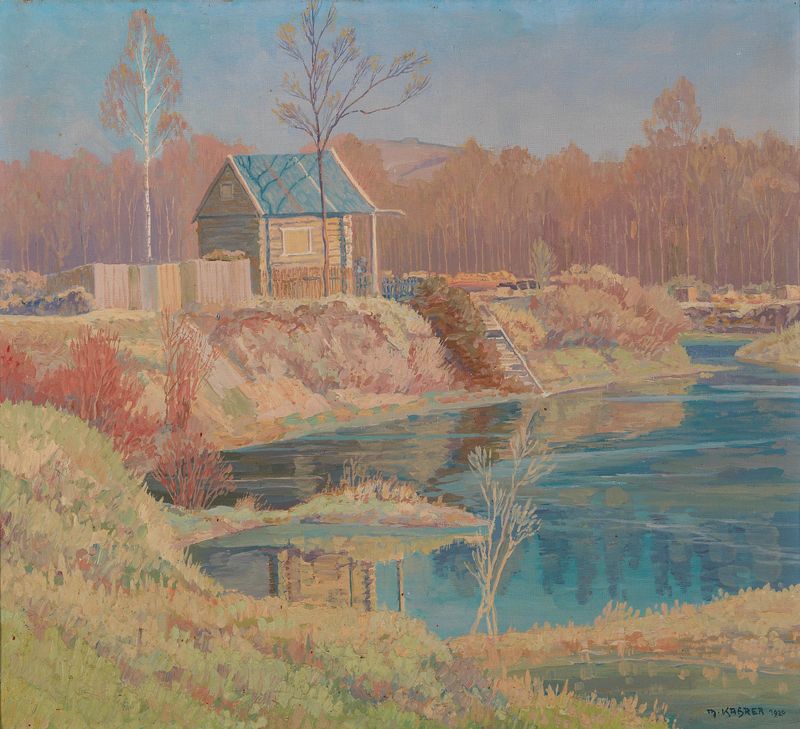
By A Lake
Max Kahrer

View of Klosterneuburg in winter
Max Kahrer

Klosterneuburg im Winter
Max Kahrer
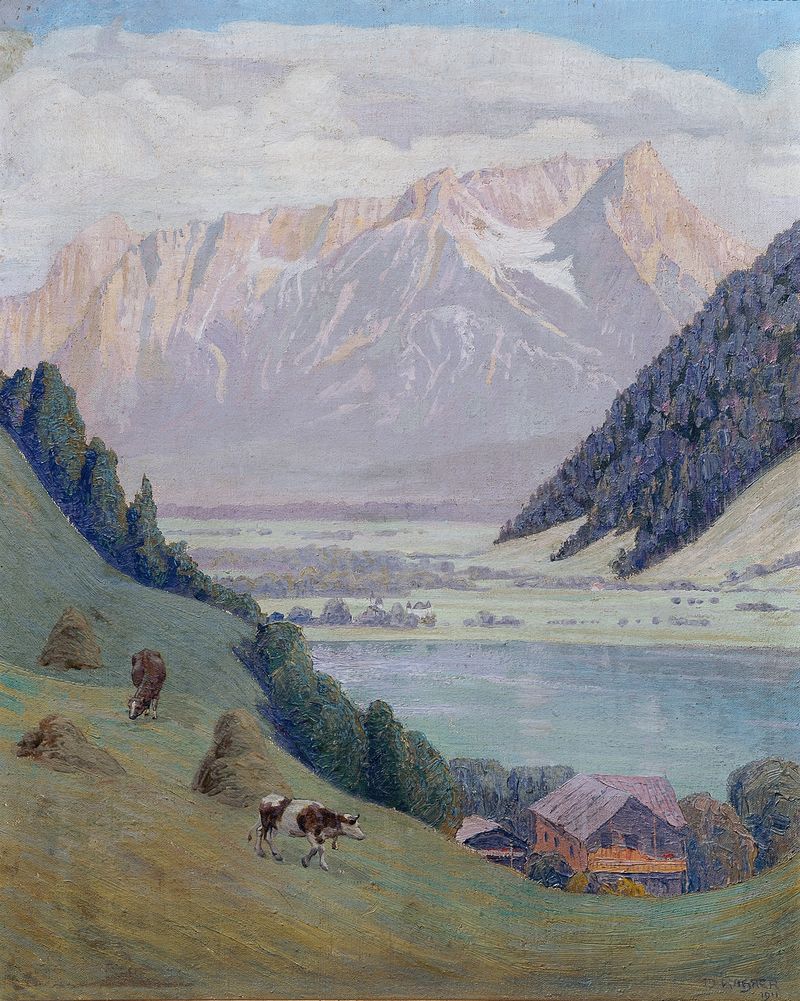
Bergsee
Max Kahrer

Seiser Alm (Südtirol)
Max Kahrer
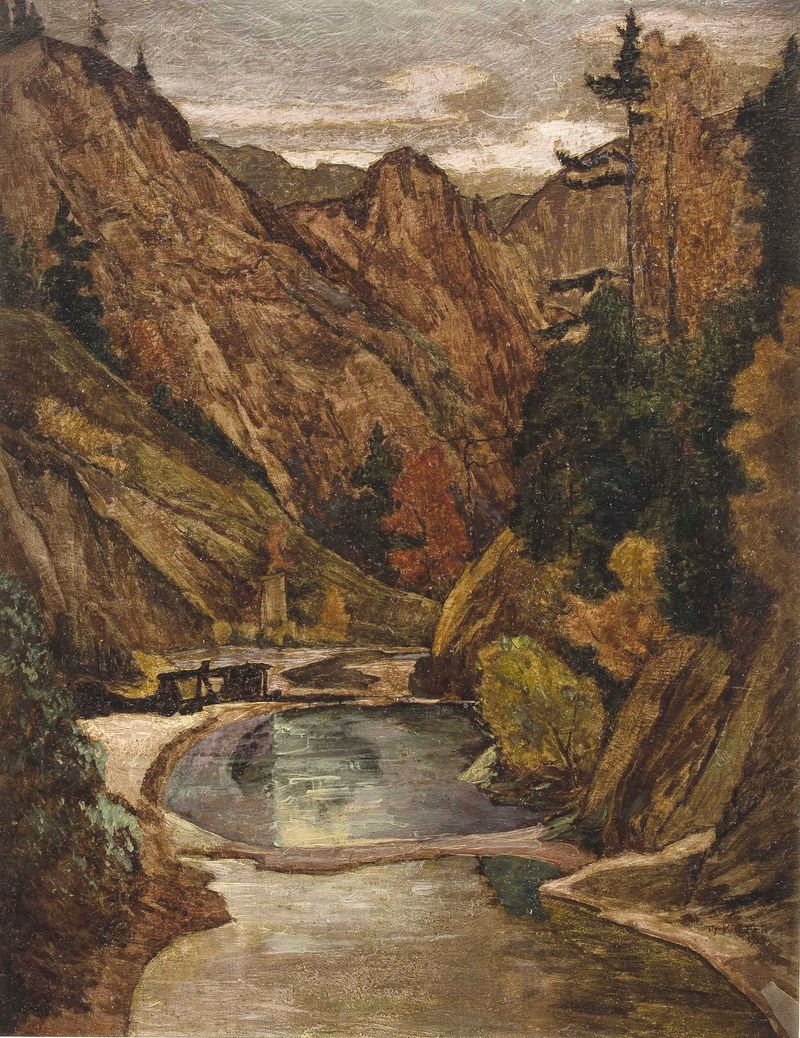
Der Lassinggraben
Max Kahrer
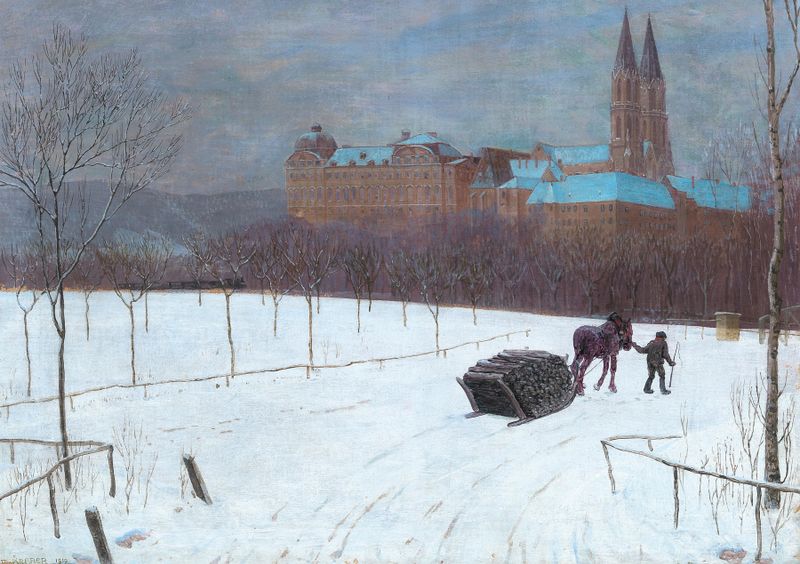
Winter landscape at Klosterneuburg
Max Kahrer

Auf dem Feld
Max Kahrer
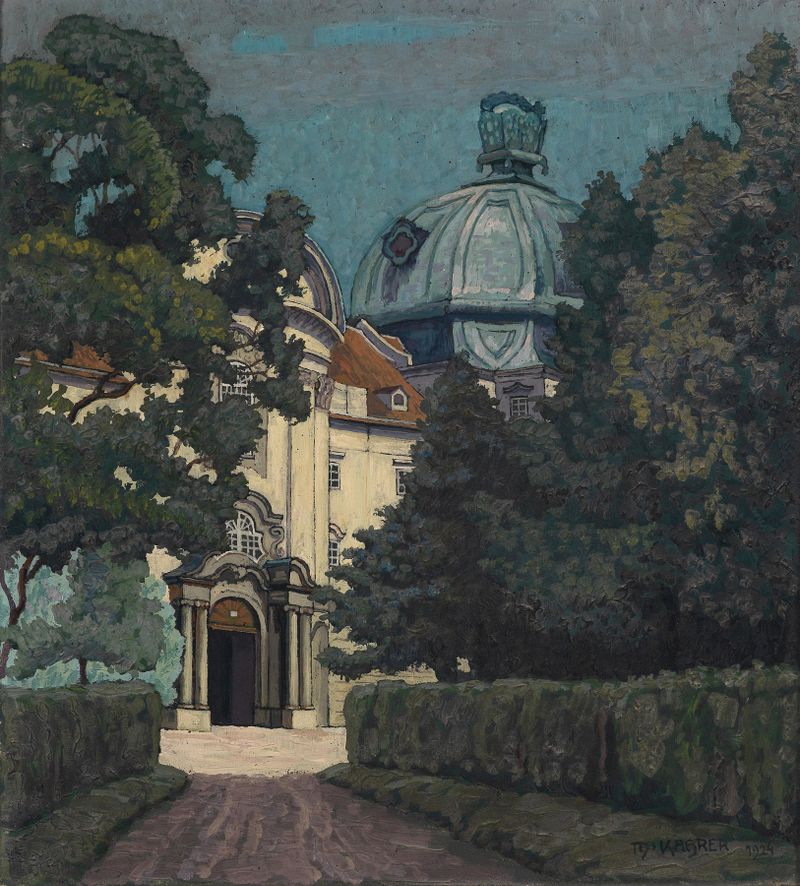
Stiftsportal Klosterneuburg
Max Kahrer

Aulandschaft im Vorfrühling
Max Kahrer