
Entrance to a cave in Ariccia — History & Facts
Can beauty exist without sorrow? In Entrance to a Cave in Ariccia, the delicate interplay of light and shadow evokes a fragile balance between the two. Look to the left where a cascade of soft greens and muted earth tones envelops the cave's entrance, drawing the eye toward the darker recesses within. The way the light spills into the scene creates a halo effect, illuminating the textured rocks and contrasting them against the somber depths. Each brushstroke reveals a methodical attention to detail, from the wisps of moss clinging to the craggy surface to the gentle curvature of the cave’s mouth, inviting yet foreboding. Deeper within this composition lies a poignant tension: the stark juxtaposition of the vibrant foreground against the hidden unknown of the cave suggests both the allure and danger of exploration, embodying human curiosity.
This sense of fragility amplifies the emotional weight of the scene, as the beauty of nature is intertwined with an unsettling sense of what lies beyond the light. It’s a reminder that every entrance carries the burden of uncertainty, hinting at stories untold and the inevitability of sorrow that often shadows beauty. In 1857, Blaschnik was navigating the shift in European art towards realism, focusing on capturing the divine in the commonplace. Living in Italy at the time, he was influenced by the romantic landscapes that surrounded him, as well as the emerging fascination with nature’s rugged beauty.
This work reflects a moment of introspection, blending the artist’s personal exploration with broader artistic movements of his era.
More Artworks by Arthur Blaschnik
Browse all →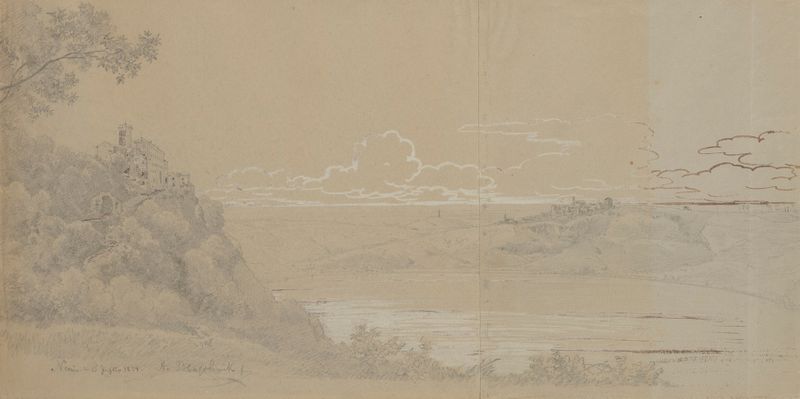
Palazzo Ruspoli by Lake Nemi, in the Distance the Town of Genzano di Roma
Arthur Blaschnik
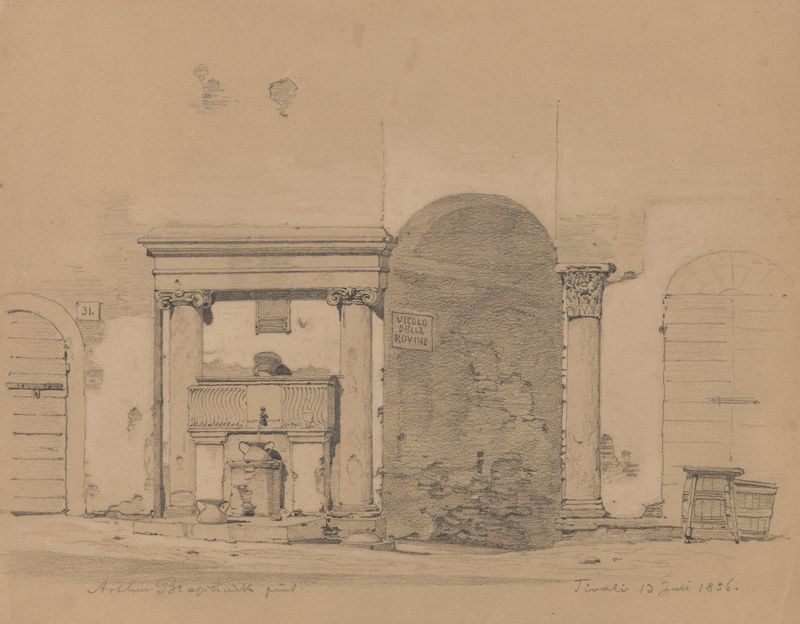
Gate Leading to Vicoli dei Grana near Piazza Palatina in Tivoli
Arthur Blaschnik
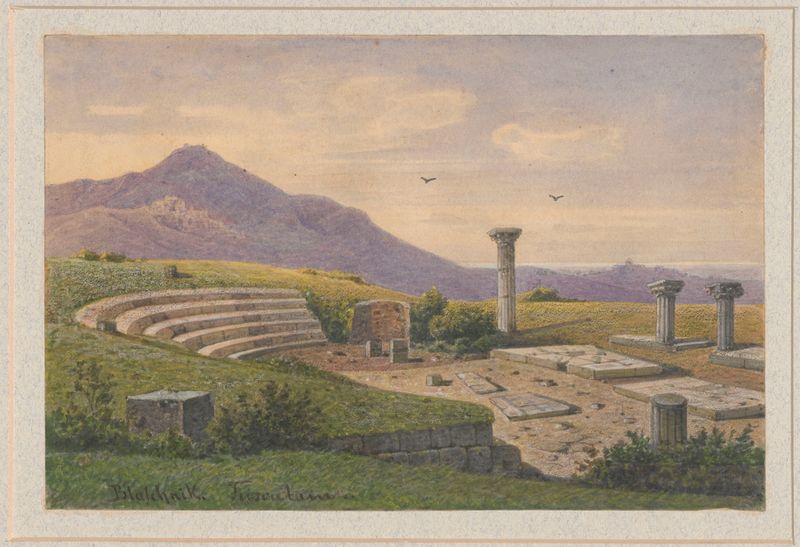
Amphitheatre in Tusculum
Arthur Blaschnik
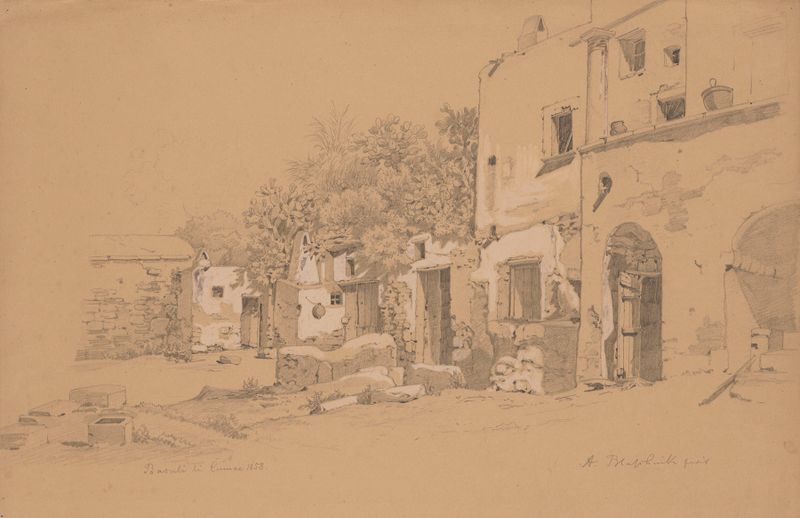
House and Outbuildings in Bacoli
Arthur Blaschnik
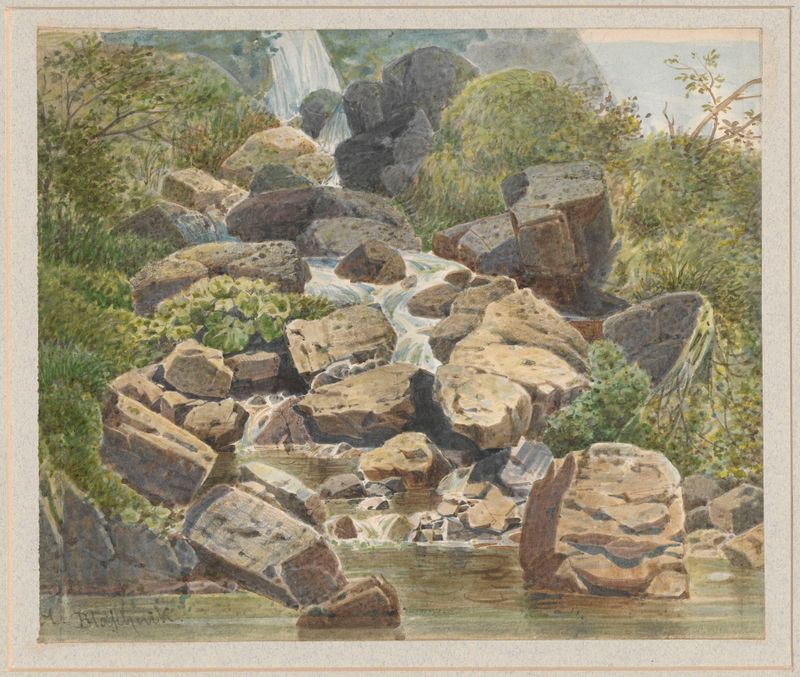
View of a small waterfall near Covigliaio, Tuscany
Arthur Blaschnik
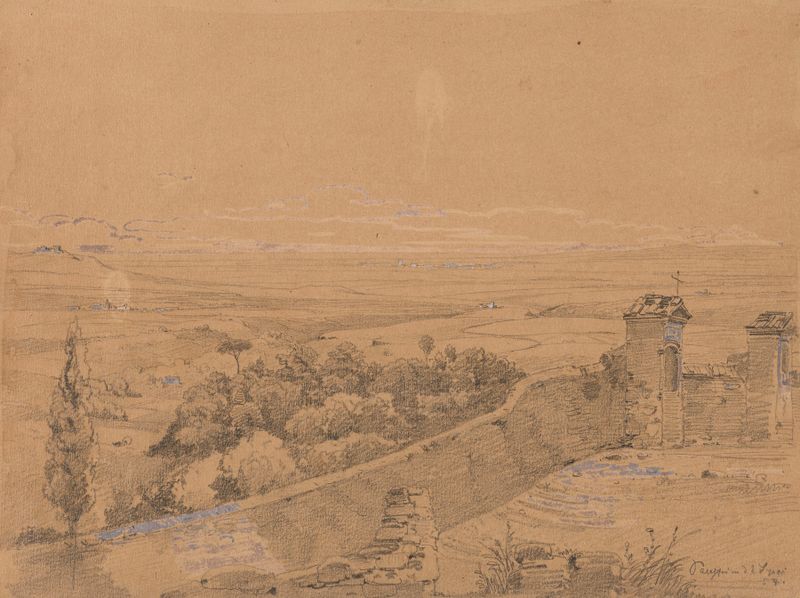
Landscape from the Vicinity of Palestrina
Arthur Blaschnik
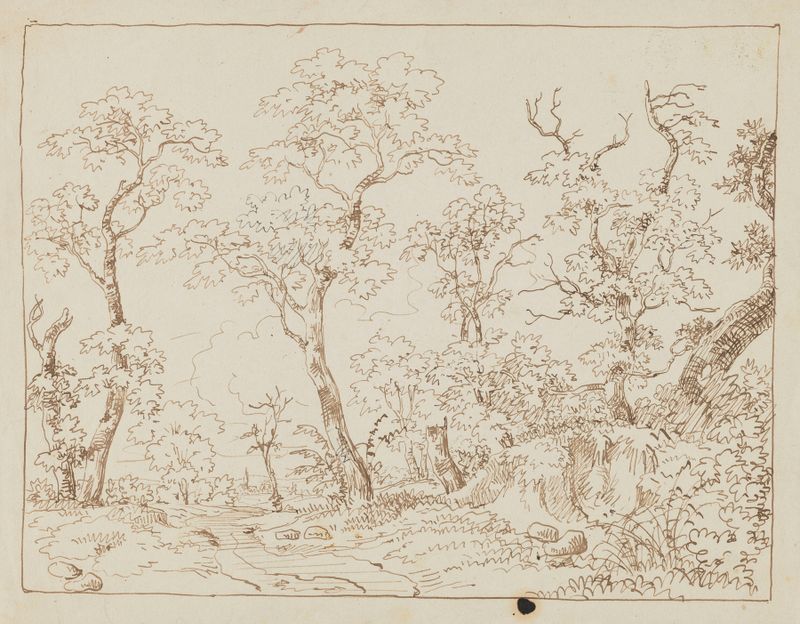
Studies of Trees, Landscape
Arthur Blaschnik
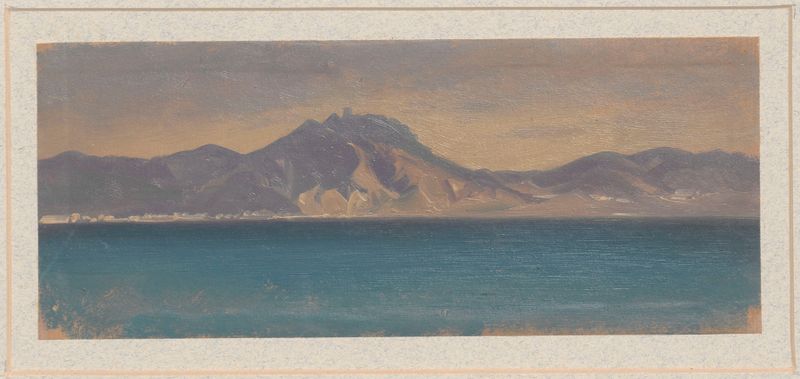
View of the Island of Capri
Arthur Blaschnik
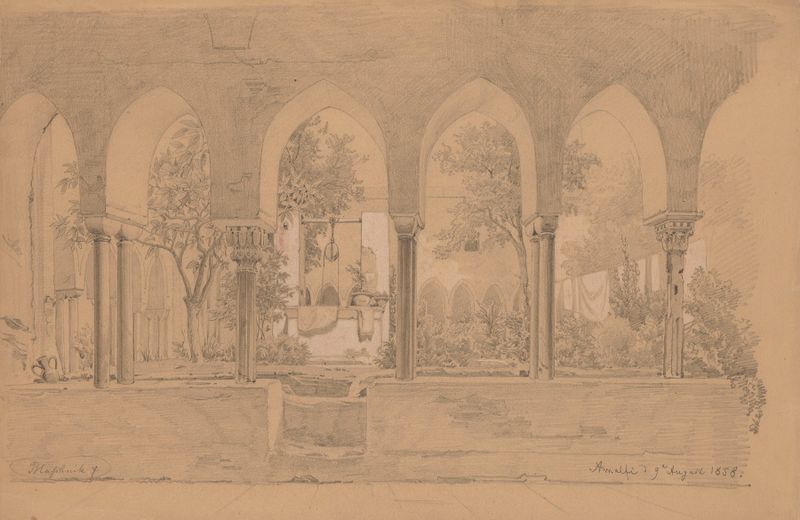
Cloister with Arcade Gallery in Amalfi
Arthur Blaschnik
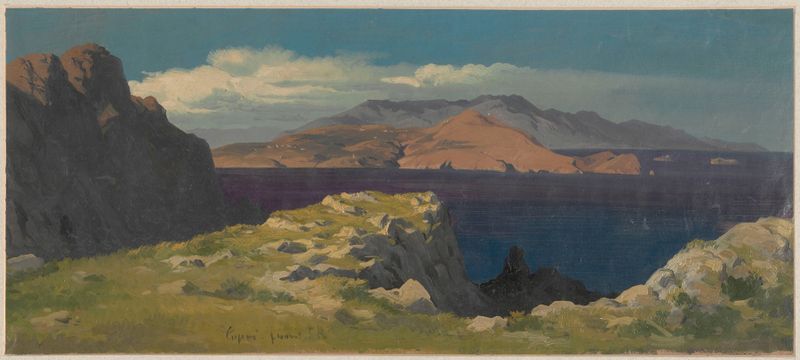
View of Capri
Arthur Blaschnik





