
Entrance to a cave near Albano — History & Facts
In the dim light of chaos, the entrance to a cave beckons as if holding secrets untold, whispering the promises of discovery beneath its rugged facade. Look to the left at the way the muted greens and browns intertwine, creating a tapestry of nature that surrounds the cave's mouth. The delicate play of light and shadow animates the scene, guiding your gaze toward the deep, shadowy recesses of the cave, where hints of blue and gray suggest the unknown. The brushwork is both precise and fluid, capturing the organic contours of the rock, while dappled sunlight filters through the foliage above, illuminating the chaos lurking at the cave’s edge. A tension exists between the stability of the surrounding earth and the uncertainty of what lies within.
The cave represents a threshold, a divide between the known world and the tumultuous depths of imagination and fear. The juxtaposition of warm earth tones against cooler shadows evokes an emotional dissonance, hinting at the duality of exploration: brave adventurers driven by hope, yet shadowed by apprehension. In 1857, the artist created this work during a period rife with Romantic influences, where nature was revered as a source of both beauty and mystery. Blaschnik was navigating his own artistic identity, establishing a connection with the landscapes of his homeland while responding to the larger movements in European art.
The cave, an emblem of the chaos within and without, reflects not only his personal journey but also the broader cultural dialogues of his time.
More Artworks by Arthur Blaschnik
Browse all →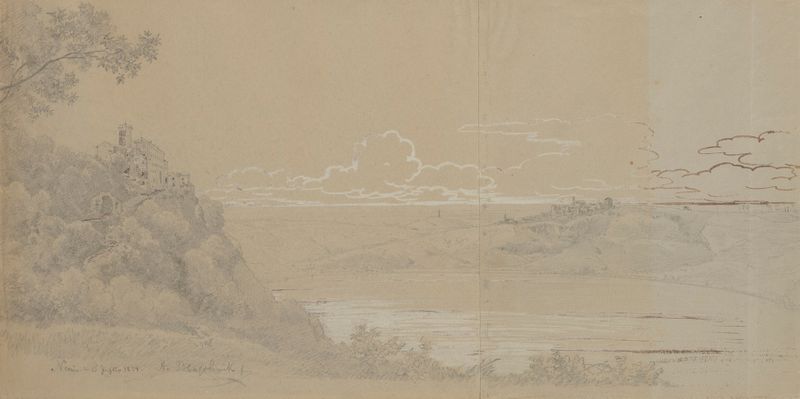
Palazzo Ruspoli by Lake Nemi, in the Distance the Town of Genzano di Roma
Arthur Blaschnik
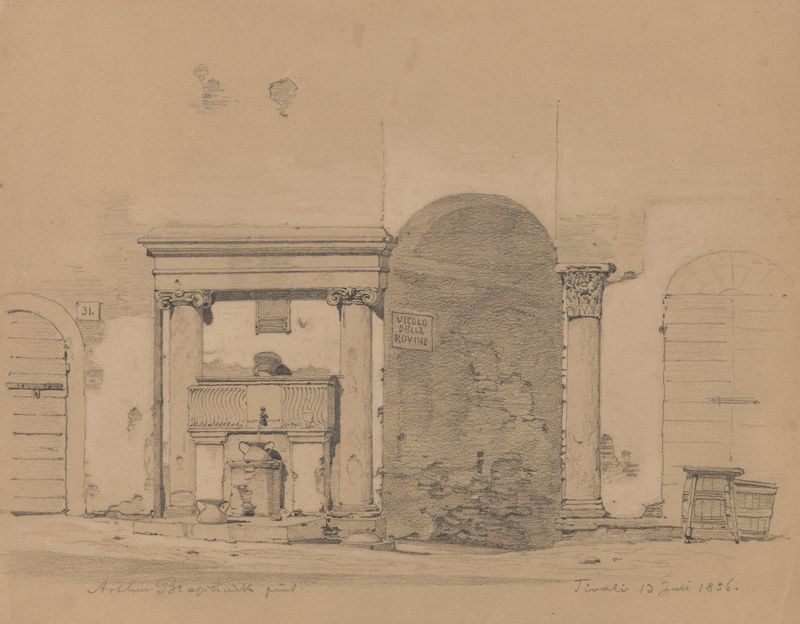
Gate Leading to Vicoli dei Grana near Piazza Palatina in Tivoli
Arthur Blaschnik
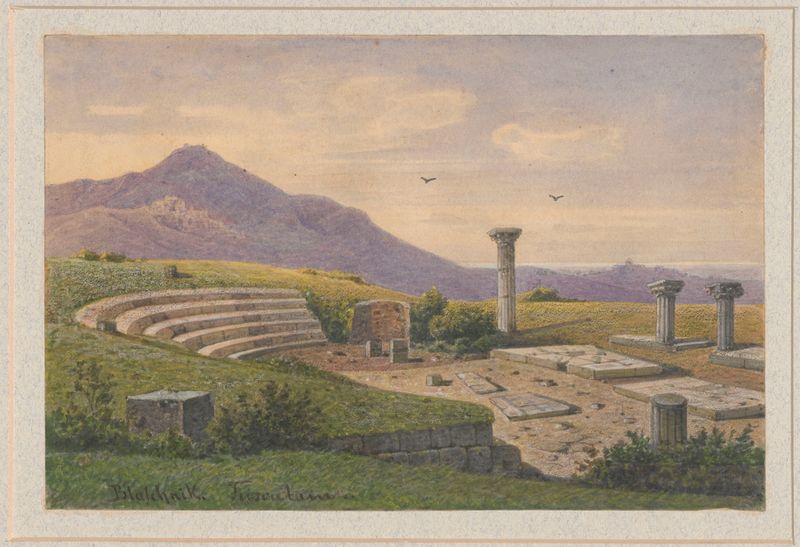
Amphitheatre in Tusculum
Arthur Blaschnik
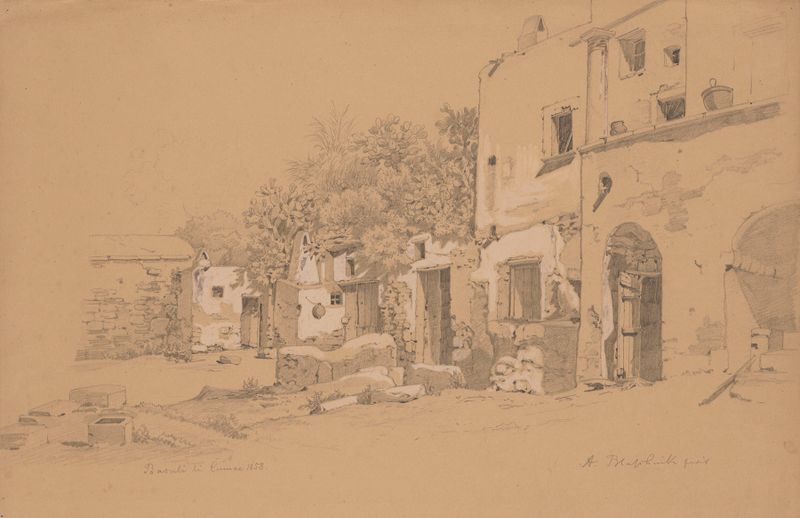
House and Outbuildings in Bacoli
Arthur Blaschnik
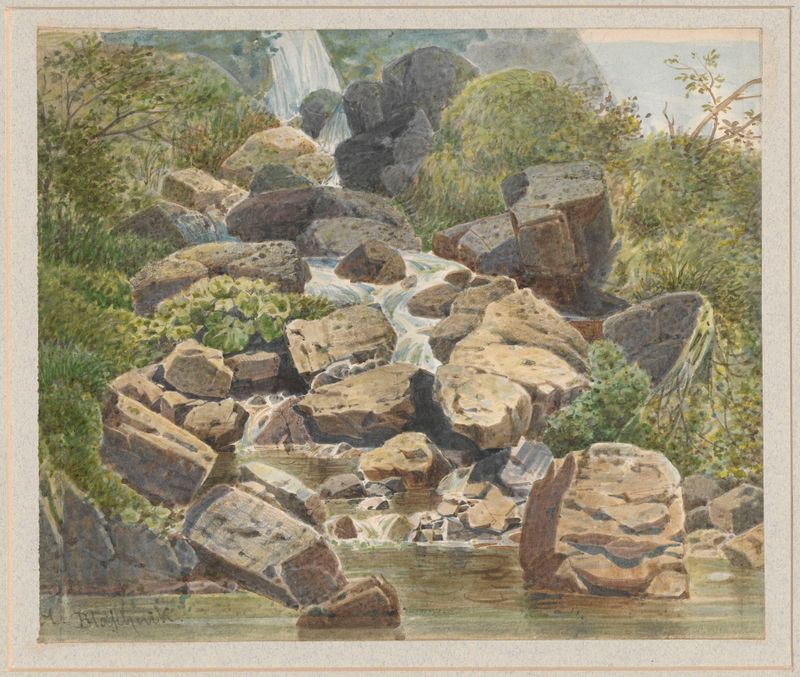
View of a small waterfall near Covigliaio, Tuscany
Arthur Blaschnik
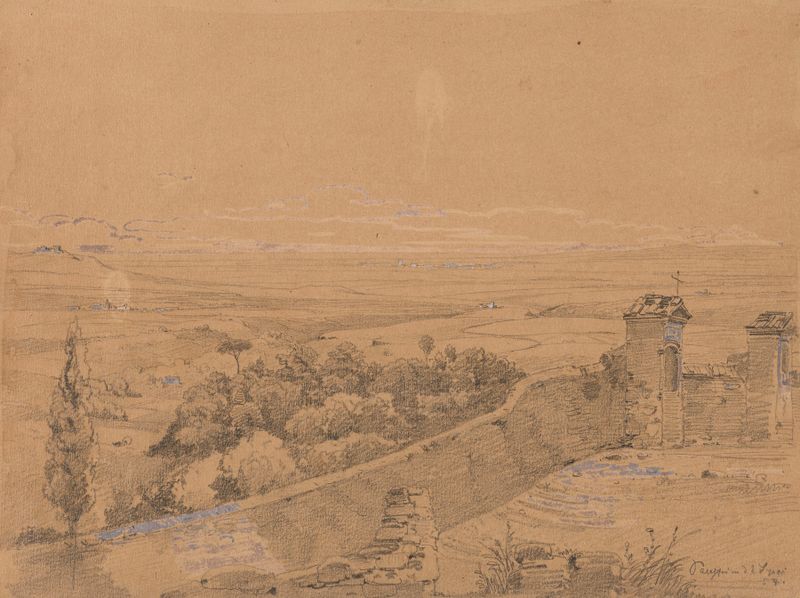
Landscape from the Vicinity of Palestrina
Arthur Blaschnik
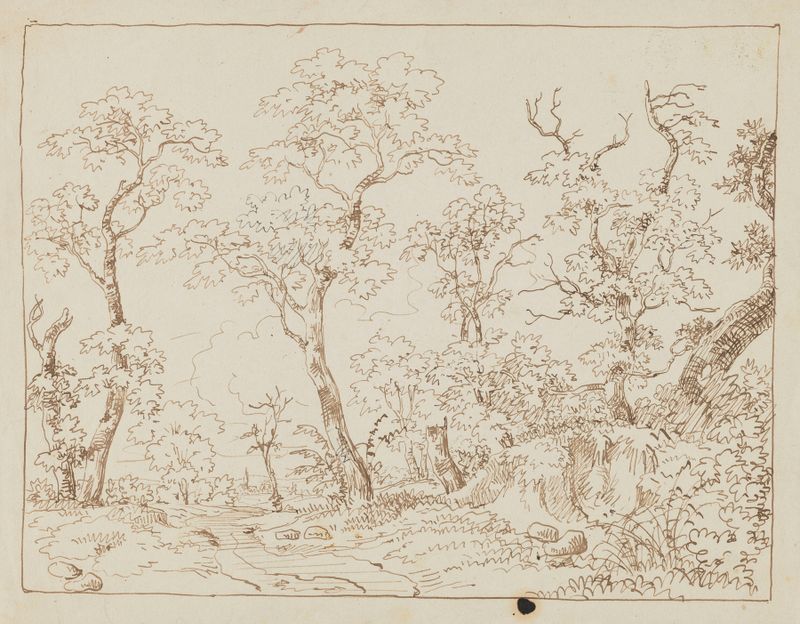
Studies of Trees, Landscape
Arthur Blaschnik
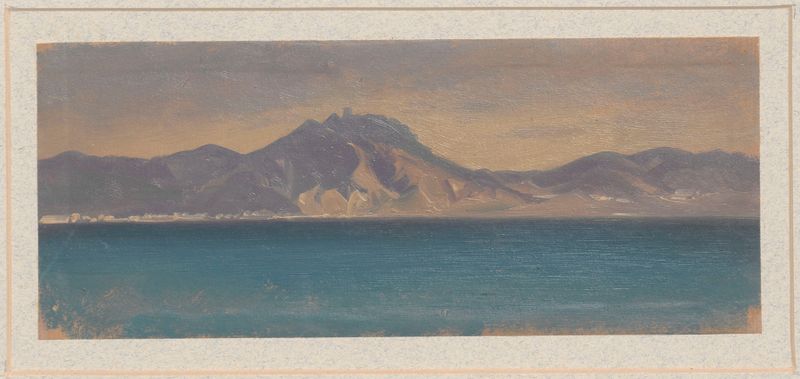
View of the Island of Capri
Arthur Blaschnik
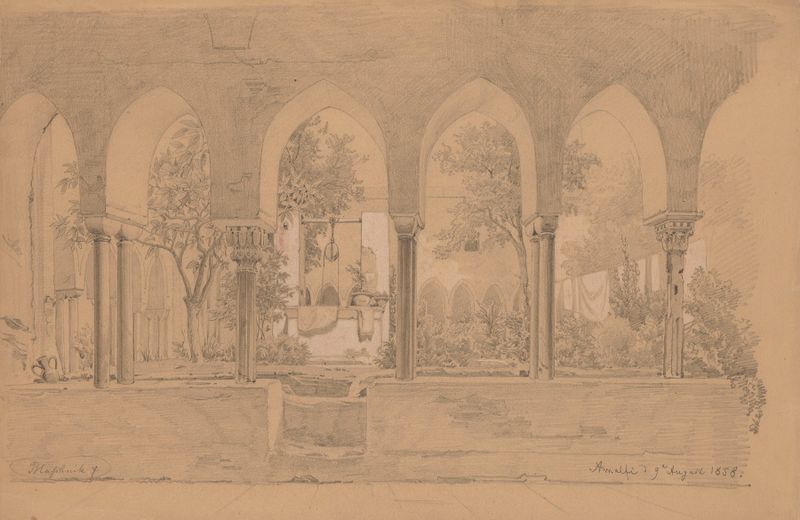
Cloister with Arcade Gallery in Amalfi
Arthur Blaschnik
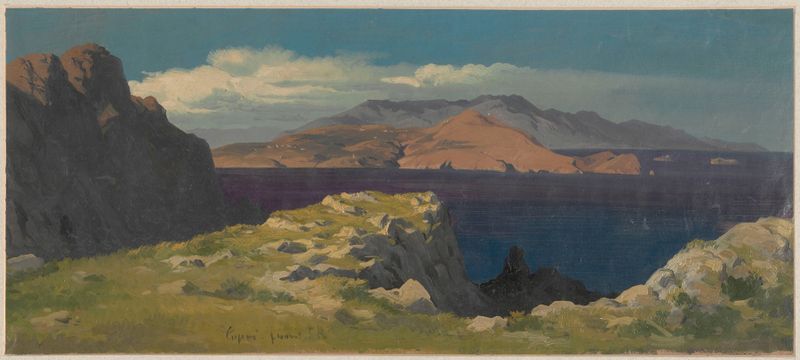
View of Capri
Arthur Blaschnik





