
Entrance To The Grand Canal, Venice — History & Facts
When did color learn to lie? In the serene embrace of twilight, reality and illusion dance upon the water’s surface, whispering secrets of a world that seems both familiar and ethereal. Begin by focusing on the soft, glowing hues of the sky that seamlessly blend into the tranquil waters below. Look to the center, where the golden light reflects off the gentle ripples, guiding the eye towards the horizon. Notice how the artist's brushwork captures the delicate balance between warmth and coolness, with pastel pinks and blues playing harmoniously against the deepening shadows of dusk.
The composition invites you into a moment suspended in time, where clarity and mystery coexist. As you explore the painting further, consider how the interplay of light subtly evokes emotions of nostalgia and longing. The silhouette of the distant buildings and gondolas hints at the bustling life that surrounds them, yet their muted presence suggests a retreat into peaceful solitude. This contrast between the vibrancy of Venice and the quietude of twilight creates a meditative space—a respite from the chaos of the day.
Each stroke seems to breathe tranquility, reminding us of the beauty found in stillness. In 1915, Thomas Moran painted this work during a period when he was deeply engaged with the transition between Impressionism and a more modern interpretation of landscape. Living in New York yet reflecting on his travels, he was absorbing the serene beauty of Venice while simultaneously navigating the changing currents of the art world. This painting captures not just a moment in time, but also the artist's ongoing quest to portray nature’s sublime simplicity amid an evolving aesthetic landscape.
More Artworks by Thomas Moran
Browse all →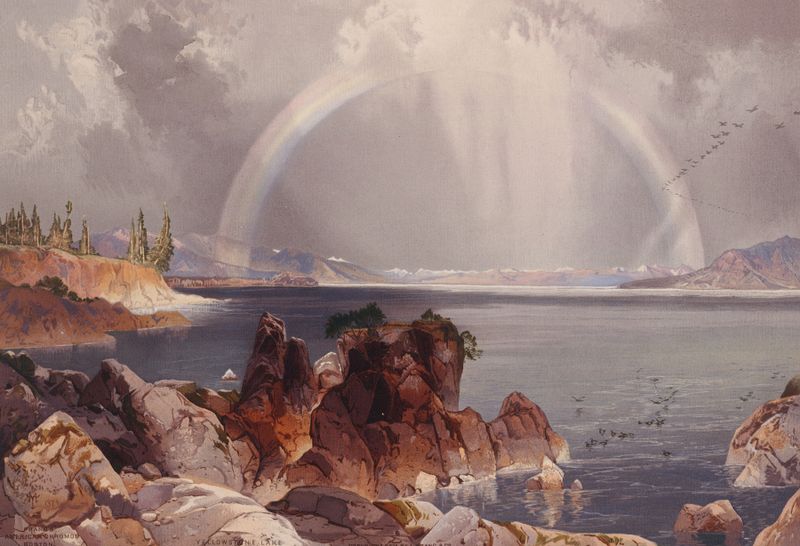
Yellowstone Lake
Thomas Moran

Grand Canyon of the Colorado River
Thomas Moran

Grand Canyon, Colorado River
Thomas Moran

The Towers of Tower Falls, Yellowstone
Thomas Moran
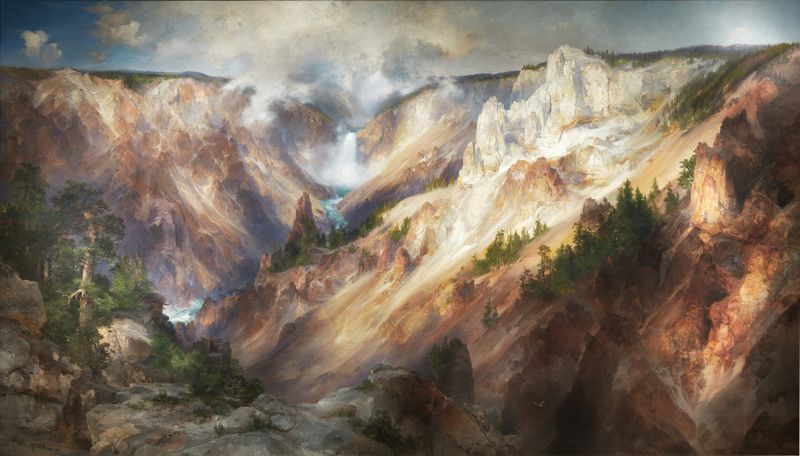
The Grand Canyon Of The Yellowstone
Thomas Moran

Mountain of the Holy Cross
Thomas Moran

Cliffs Of The Upper Colorado River, Wyoming Territory
Thomas Moran
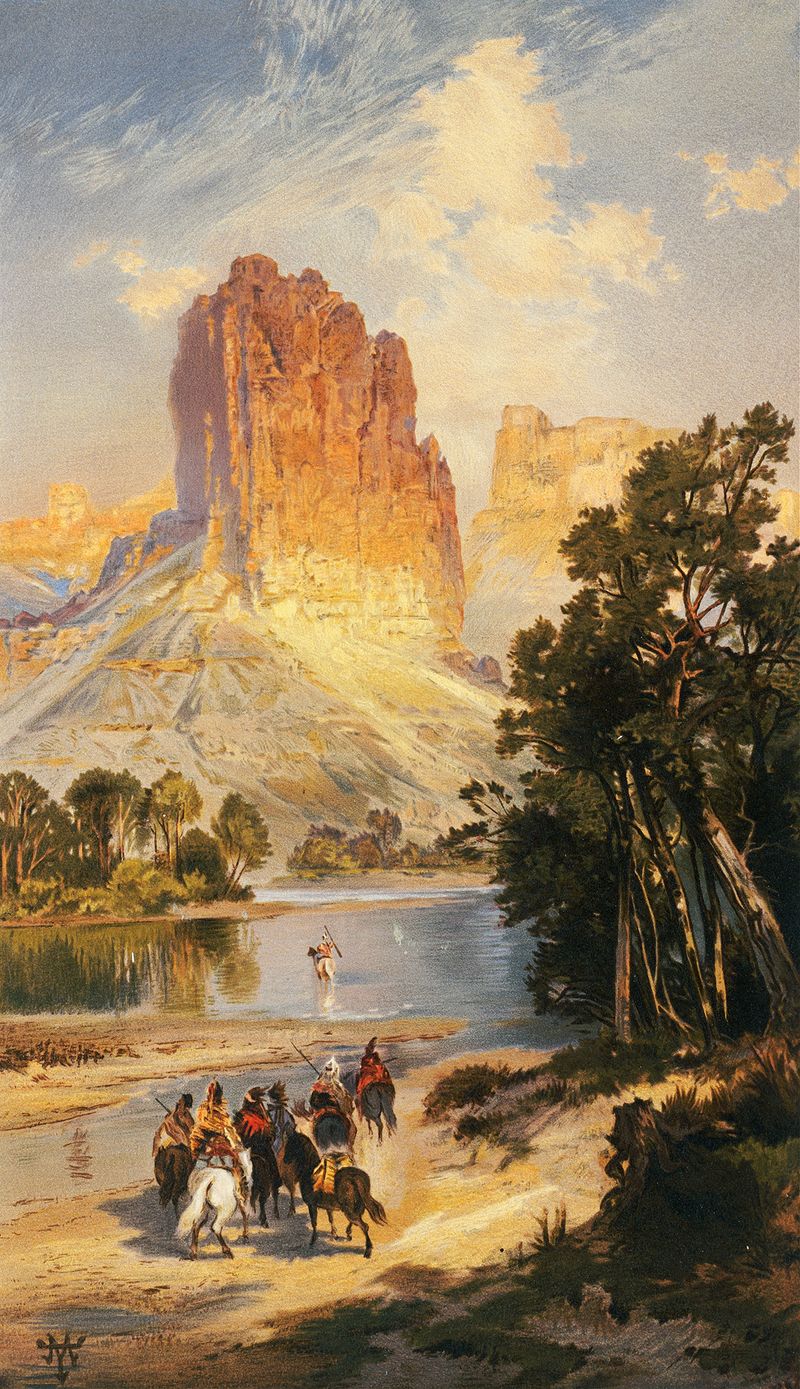
Cliffs of the Upper Colorado River, Wyoming Territory
Thomas Moran

Mammoth Hot Springs, Yellowstone
Thomas Moran
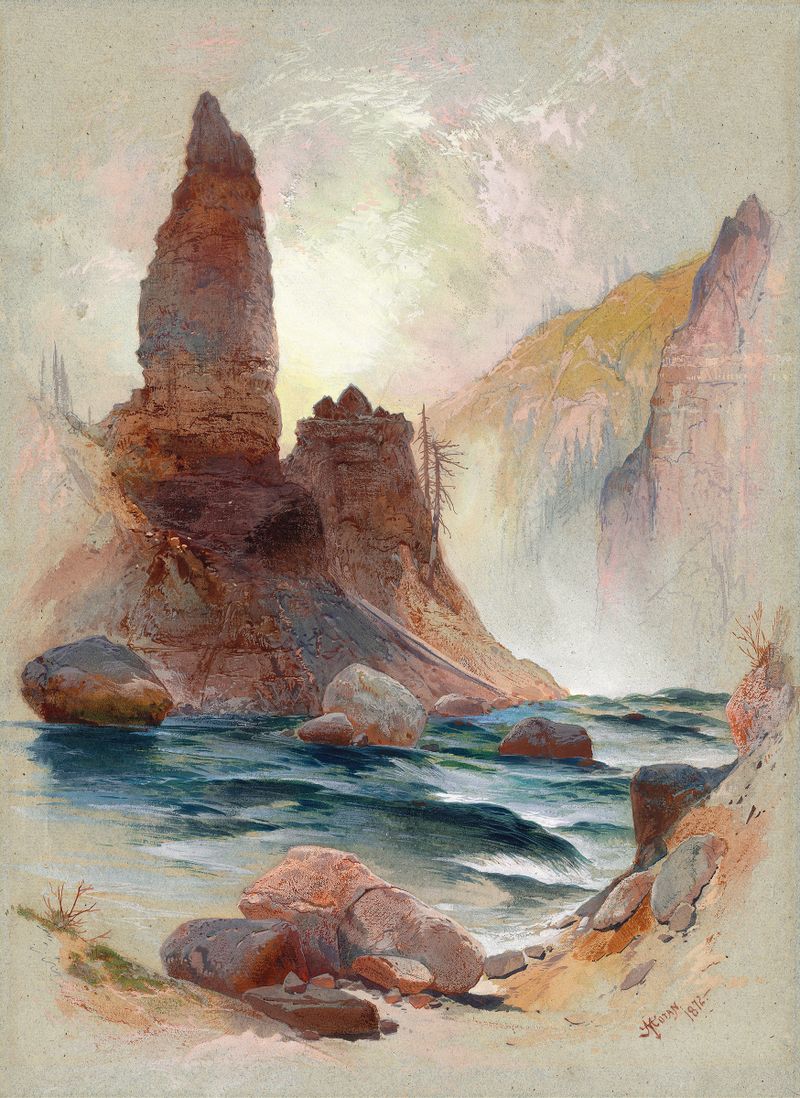
Tower at Tower Falls, Yellowstone
Thomas Moran





