
Entrée du Vallon de Dovedro — History & Facts
In the heart of nature, we find moments that resonate deep within us, evoking feelings of bliss and wild freedom. It’s in these serene vistas where the spirit of ecstasy captures the essence of life itself. Focus on the lush greenery just beyond the foreground, where the vibrant leaves seem to whisper secrets of the valley, beckoning the viewer into the depths of the canvas. Notice how the sunlight filters through the trees, creating dappled patterns on the ground, illuminating the gentle curves of the land.
The brilliant blues of the sky contrast beautifully against the earthy tones, evoking a sense of harmony, while the delicate brushwork invites you to linger on each detail—each stroke a celebration of nature’s vitality. Beneath the surface, subtle tensions arise from the interplay of light and shadow, suggesting the transient nature of this idyllic setting. The movement of the trees hints at the breath of the wind, a reminder of the ever-changing world just beyond the serene scene. There’s an emotional undertone that beckons the viewer to reflect on their own connection to nature, evoking a longing for the untouched and the wild—a delicate balance between tranquility and the chaos that life can bring. In 1811, Gabriel Lory the Younger painted Entrée du Vallon de Dovedro during a period of burgeoning Romanticism, where artists sought to express emotional experiences through their work.
Living in Switzerland, Lory was deeply influenced by the surrounding landscapes and the desire to capture their beauty. This period also marked a growing interest in the sublime aspects of nature, reflecting both personal introspection and the broader cultural shifts in art.
More Artworks by Gabriel Lory the Younger
Browse all →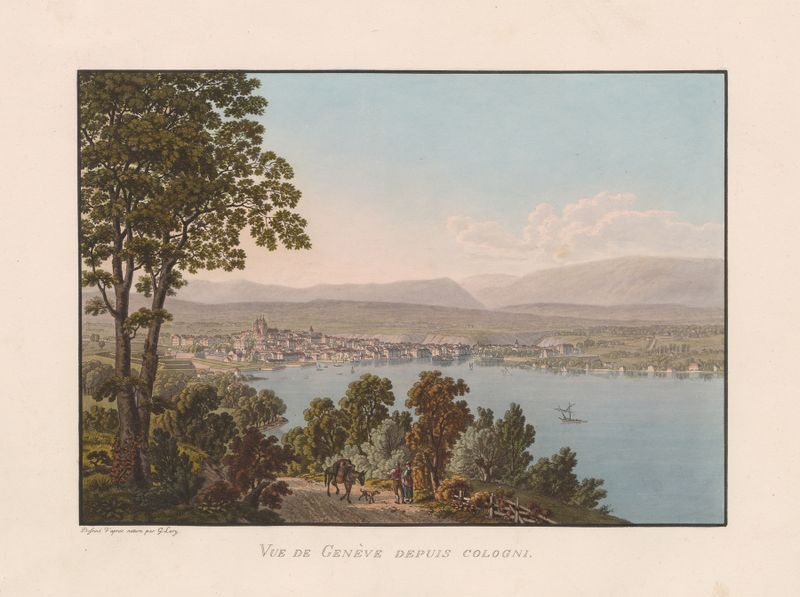
Vue de Genève depuis Cologni
Gabriel Lory the Younger
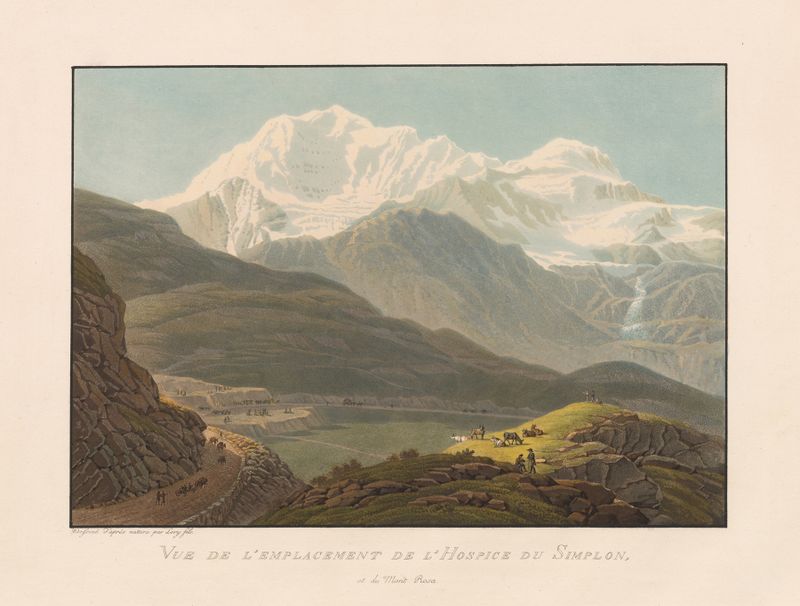
Vue de l’emplacement de l’Hospice du Simplon, et du Mont Rosa
Gabriel Lory the Younger
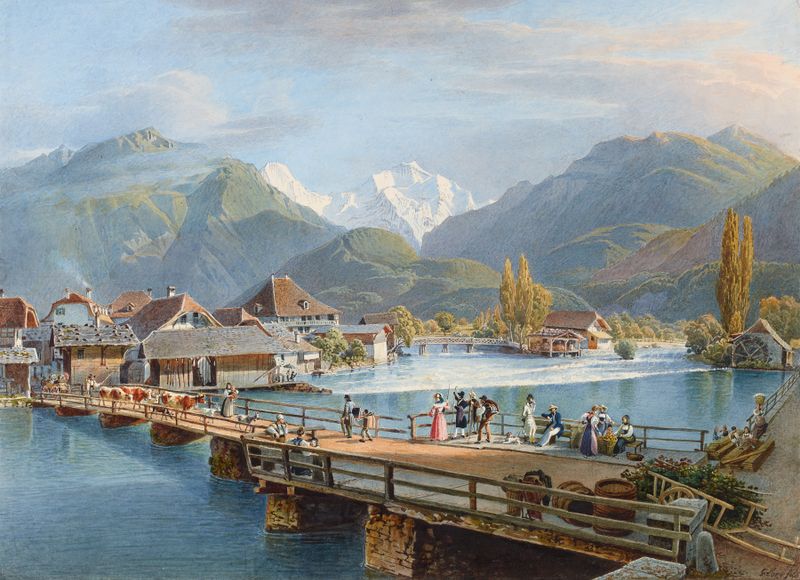
Unterseen mit Blick auf die Jungfrau
Gabriel Lory the Younger
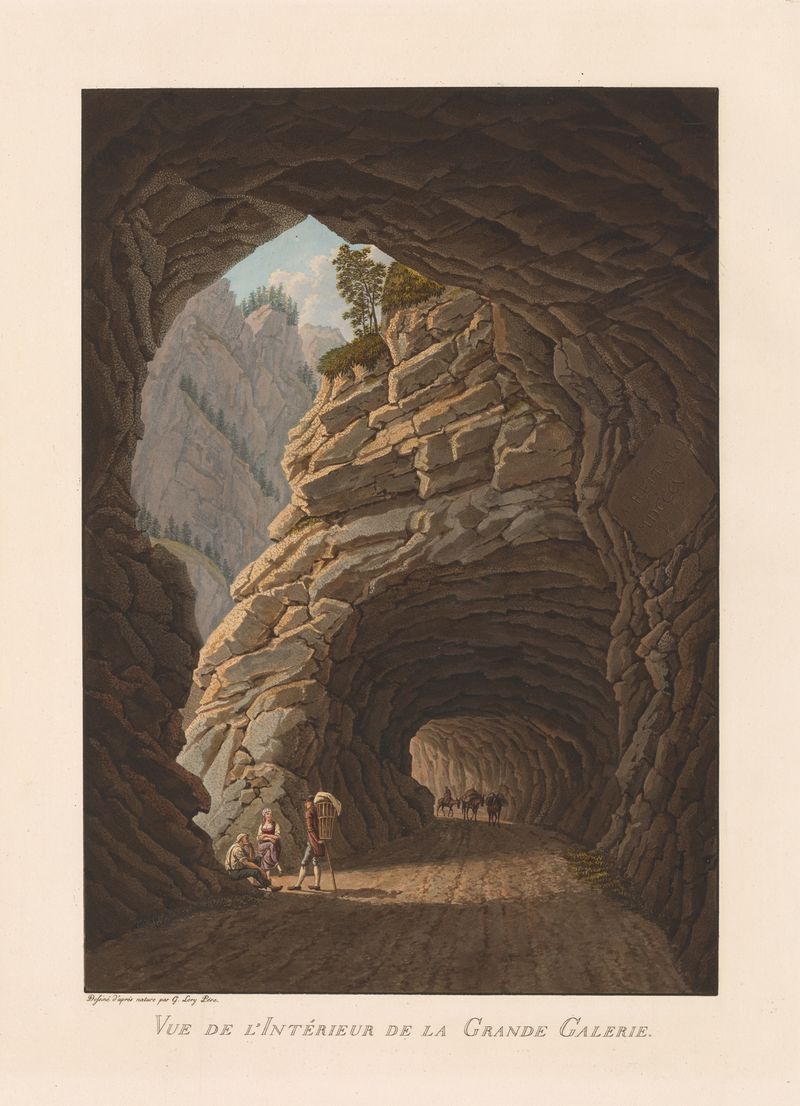
Vue de l’intérieur de la Grande Galerie
Gabriel Lory the Younger
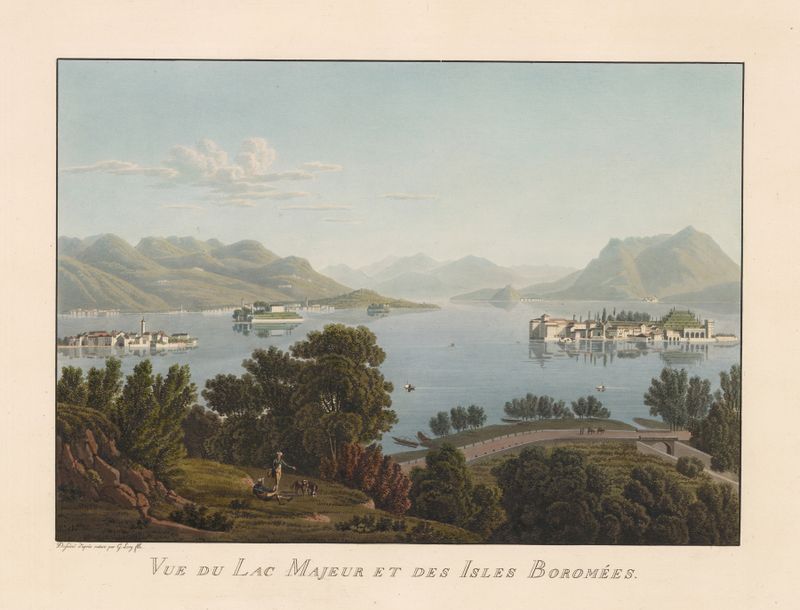
Vue du Lac Majeur et des Isles Boromées
Gabriel Lory the Younger
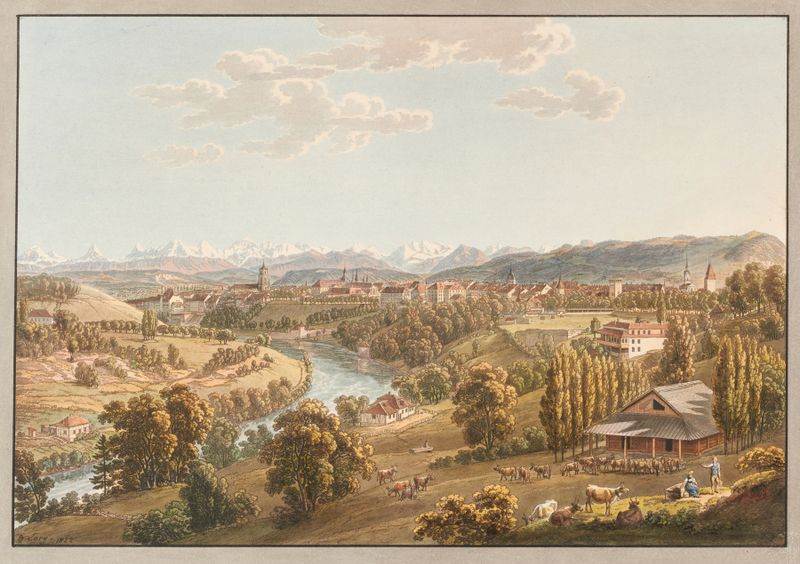
Vue de la ville de Berne
Gabriel Lory the Younger
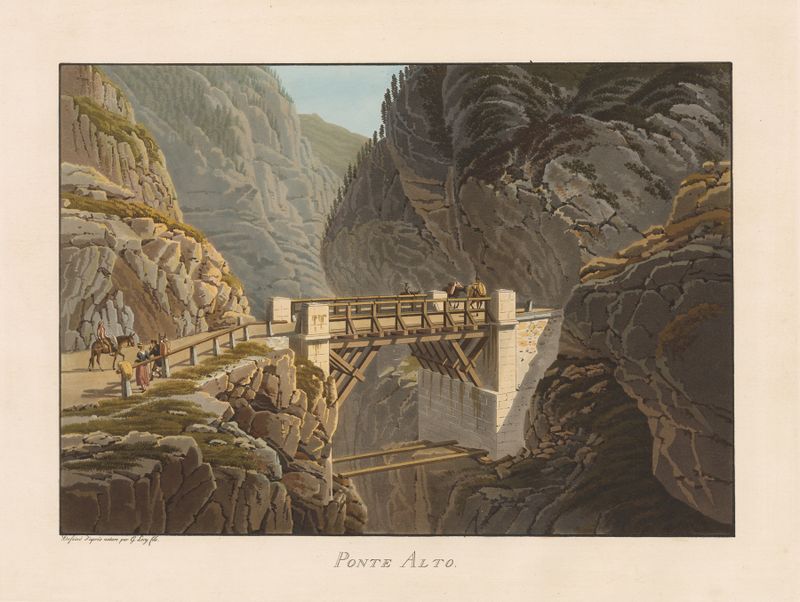
Ponte Alto
Gabriel Lory the Younger
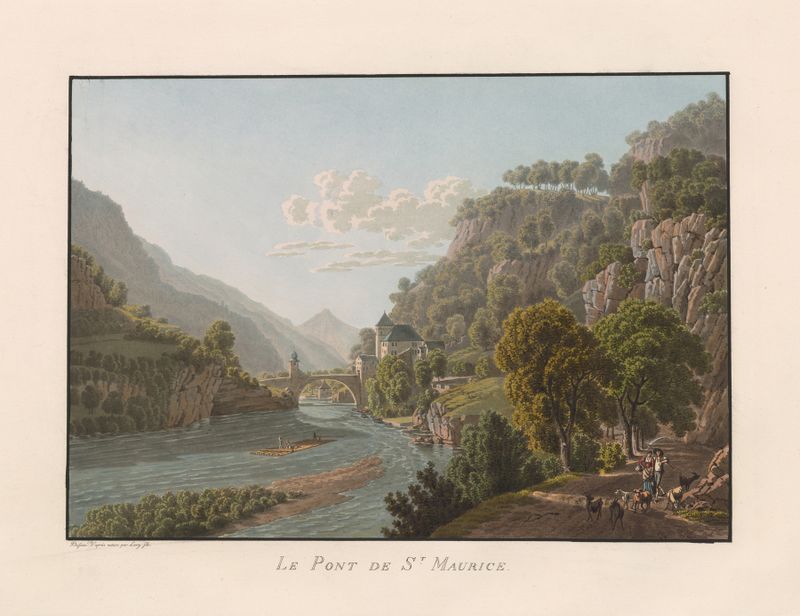
Le Pont de St. Maurice
Gabriel Lory the Younger
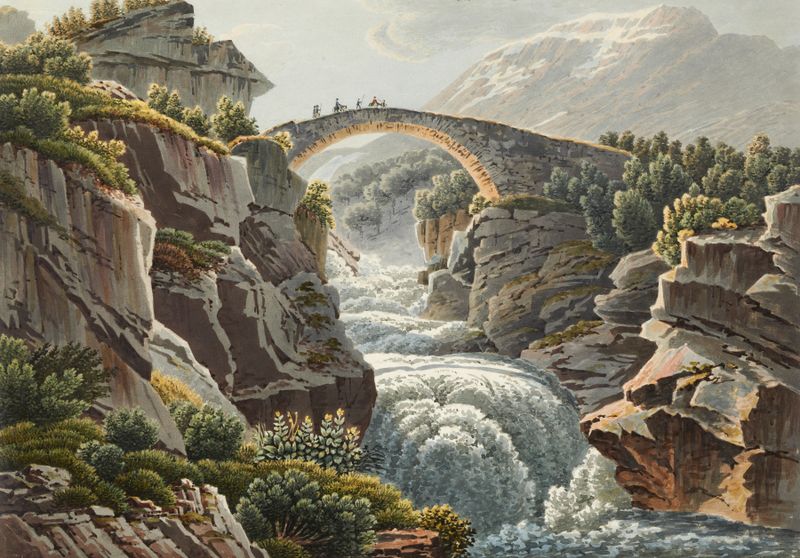
Pont sur l’Aar au passage du Grimsel
Gabriel Lory the Younger
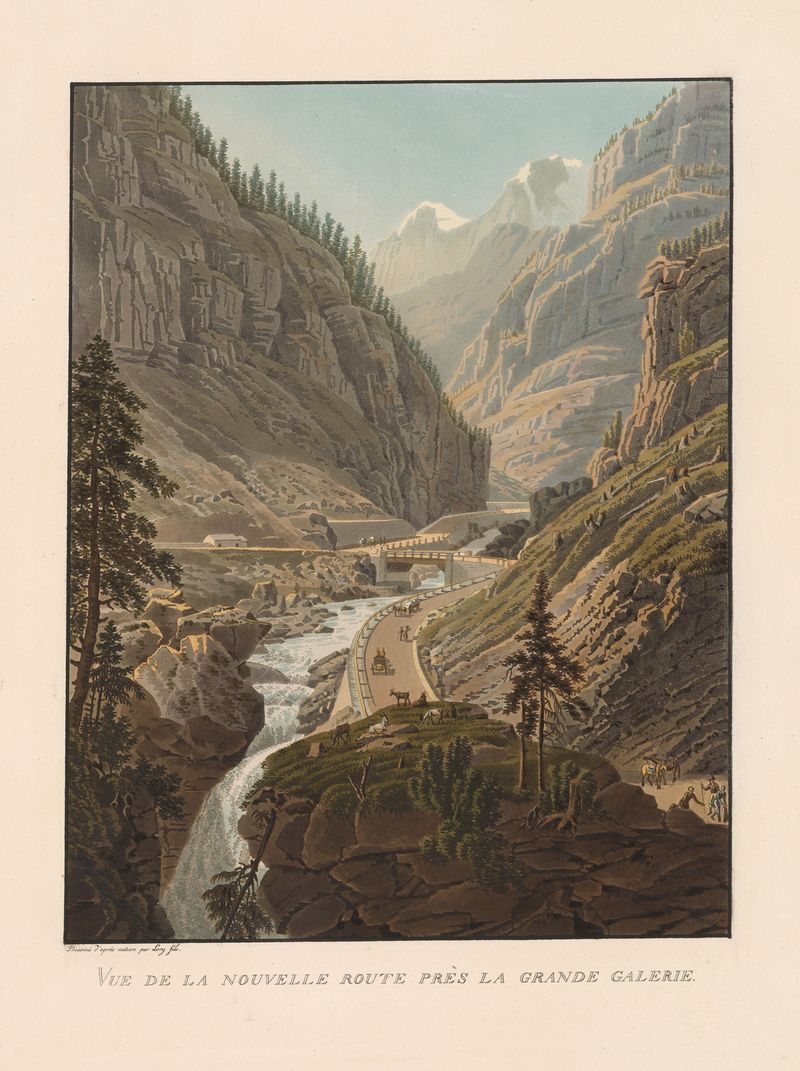
Vue de la nouvelle route près la Grande Galerie
Gabriel Lory the Younger





