
Environs De Rolleboise, Le Retour À La Ferme — History & Facts
In the quiet embrace of nature, a moment of rebirth and renewal is captured, reminding us of life’s enduring cycles even amid turmoil. Look closely at the canvas' vibrant hues, where swirling greens and azure blues create a lively backdrop. Notice how the farmstead emerges near the center, its modest architecture standing resolute against a luminous sky. The brushstrokes, thick and dynamic, bring forth an almost palpable energy that invites you to feel the warmth of the sun illuminating the scene. Yet beyond the idyllic landscape lies an emotional tapestry woven from contrasts.
The bustling activity of figures returning home suggests a harmony with nature, while the shadows lurking at the edges hint at the unspoken struggles of the time. Each detail—from the bending wheat to the silhouettes of workers—serves as a reminder of resilience, a celebration of life's cyclical nature amid the uncertainties that surround us. In 1920, while creating this piece, the artist was deeply influenced by the aftermath of World War I, a period when Europe was grappling with loss and recovery. Maximilien Luce, deeply connected to the post-impressionist movement, sought to depict scenes that resonated with hope and regeneration.
This work, painted in his native France, reflects his belief in the power of nature to rejuvenate the human spirit, even amidst the scars of a fractured world.
More Artworks by Maximilien Luce
Browse all →
Le Quai Montebello Et La Colline Sainte-Geneviève
Maximilien Luce

Le Pont-Neuf, La Seine, Petit Bras
Maximilien Luce
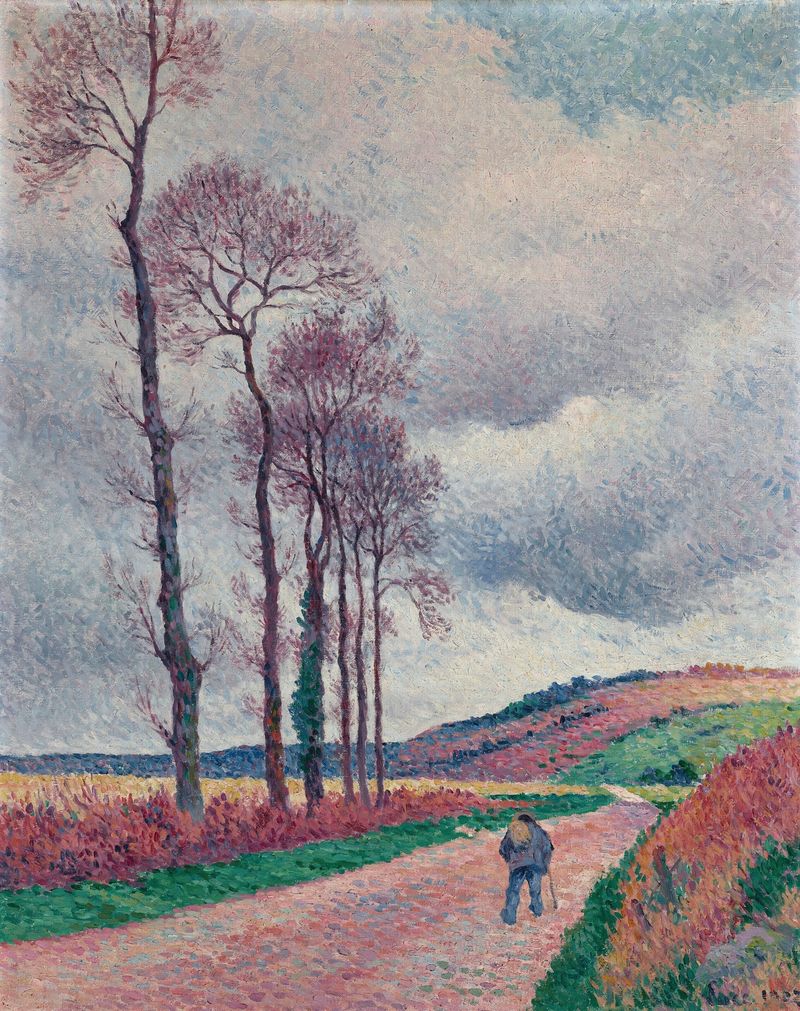
La route aux environs de Méréville
Maximilien Luce
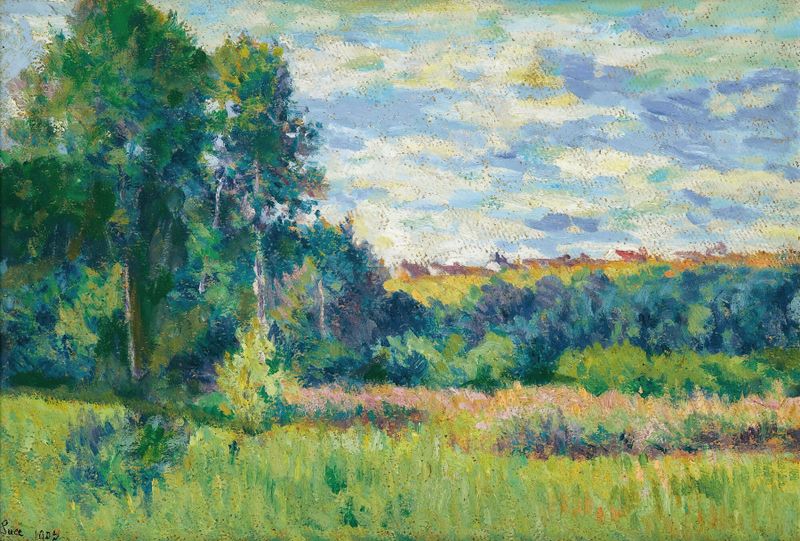
Paysage
Maximilien Luce
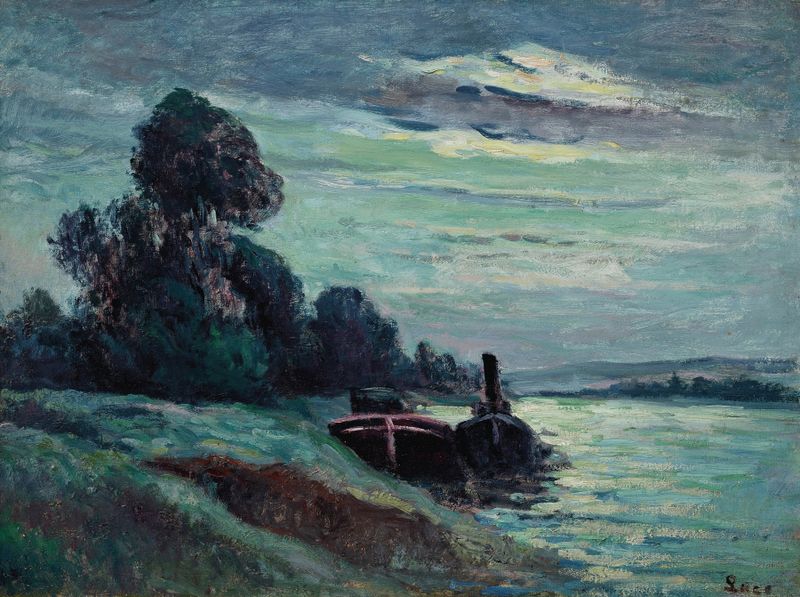
Péniches sur la Seine
Maximilien Luce

Notre Dame de Paris
Maximilien Luce
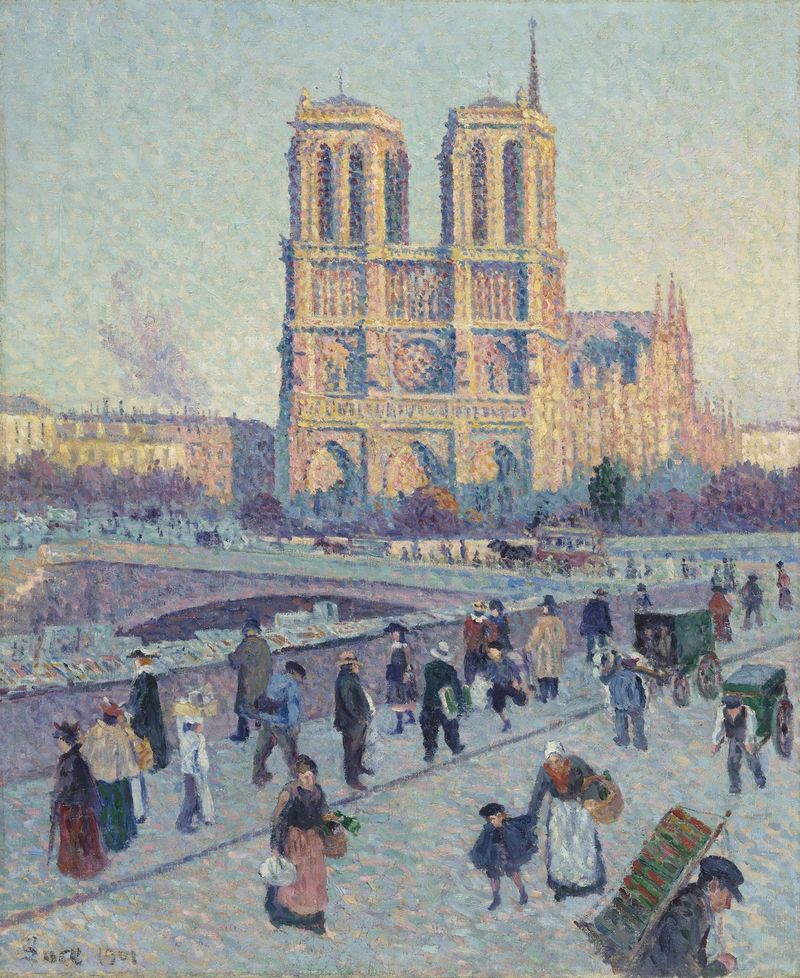
The Quai Saint-Michel and Notre-Dame
Maximilien Luce

La Seine au Pont Mirabeau
Maximilien Luce
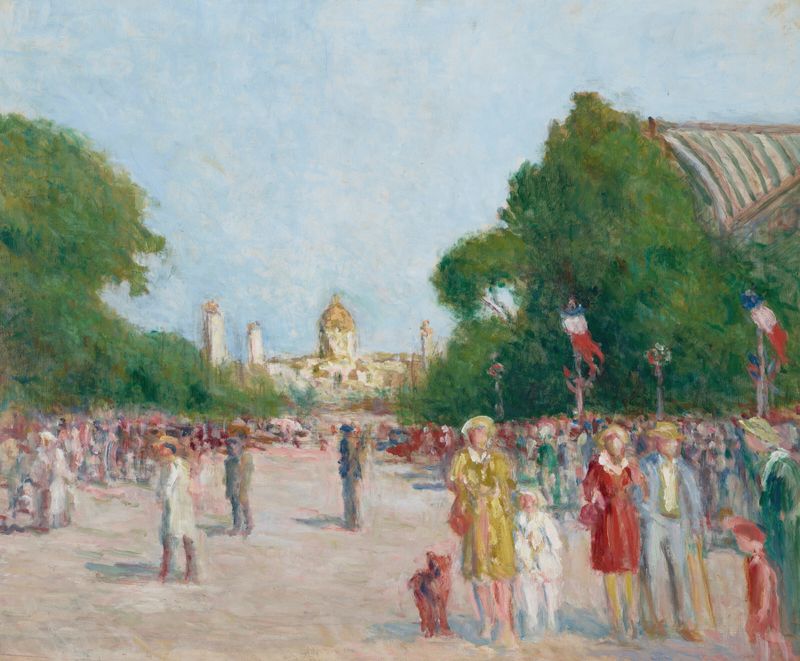
L’avenue Winston-Churchill, Paris
Maximilien Luce

Paris, Le Quartier De Vaugirard
Maximilien Luce





