
Eremitagen i Dyrehaven — History & Facts
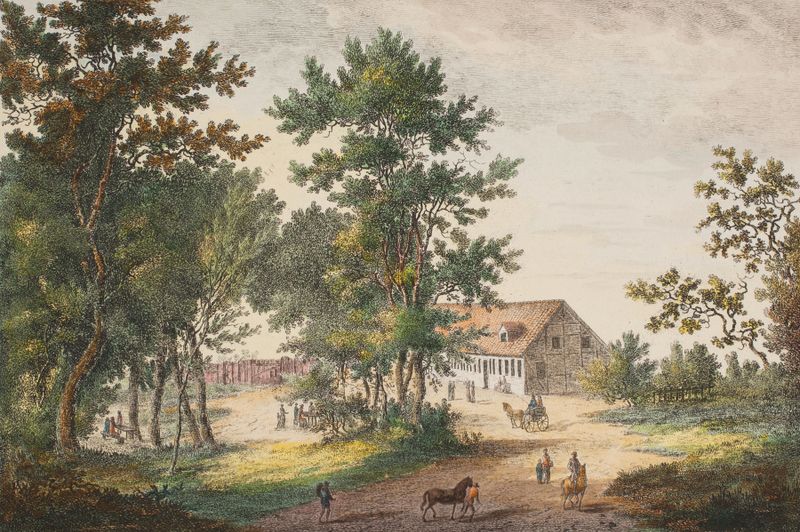
In the stillness of a forgotten moment, mortality becomes visible, beckoning us to confront the delicate interplay between life and decay. Focus on the central structure, an enchanting hermitage nestled within a lush landscape. The soft, muted greens and earthy browns envelop the building like a gentle embrace, inviting the viewer to explore its charm. Notice how the sunlight filters through the trees, casting dappled shadows that dance upon the façade, highlighting intricate details that speak of the passage of time.
The serene backdrop draws the eye to the hermitage's welcoming doorway, hinting at the mysteries held within. As you study the painting, subtle contrasts emerge. While the lushness of nature symbolizes life, the hermitage serves as a poignant reminder of solitude and introspection, inviting contemplation of one’s existence. The stillness of the scene evokes a sense of calm, yet an underlying tension remains, as the viewer cannot help but consider the ephemeral nature of life itself.
The play of light and shadow mirrors the duality of hope and despair, longing and acceptance, encapsulating the human experience in a single frame. Elias Meyer painted this work during a period rich with artistic evolution in Denmark, between 1762 and 1808. As he explored themes of solitude and nature, Meyer reflected a growing interest in Romanticism, which emphasized emotional depth and individualism. This period saw a shift in artistic focus, moving away from the ornate styles of the past, and exploring the inner human condition in ways that continue to resonate today.
More Artworks by Elias Meyer
Browse all →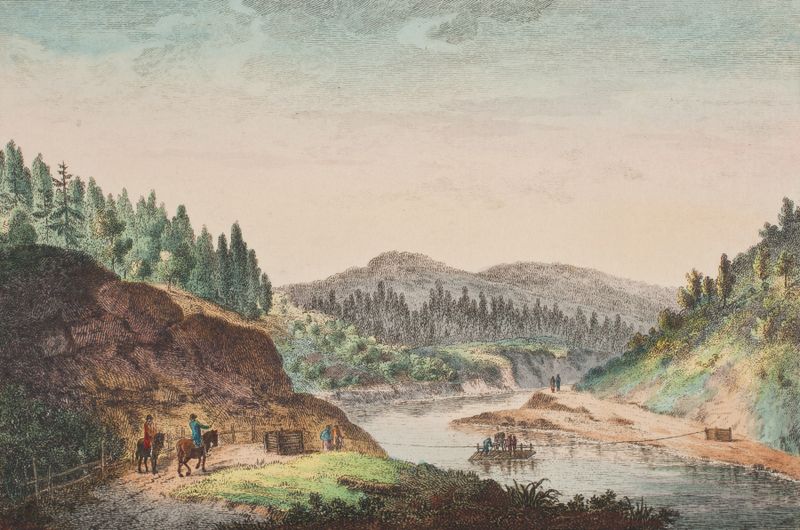
Gule Elv, i Trondheims Stift
Elias Meyer

Esplanaden ved Øster Port
Elias Meyer

Ordrups Krat
Elias Meyer
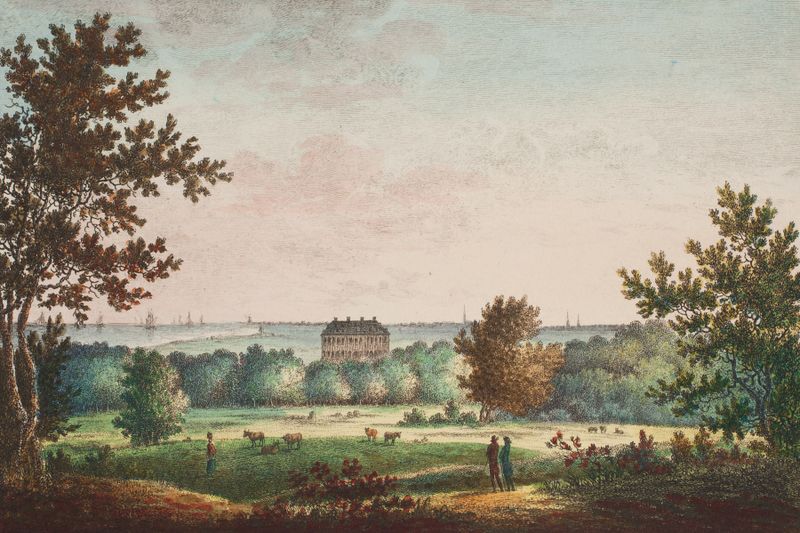
Bernstorff fra Fortunen
Elias Meyer
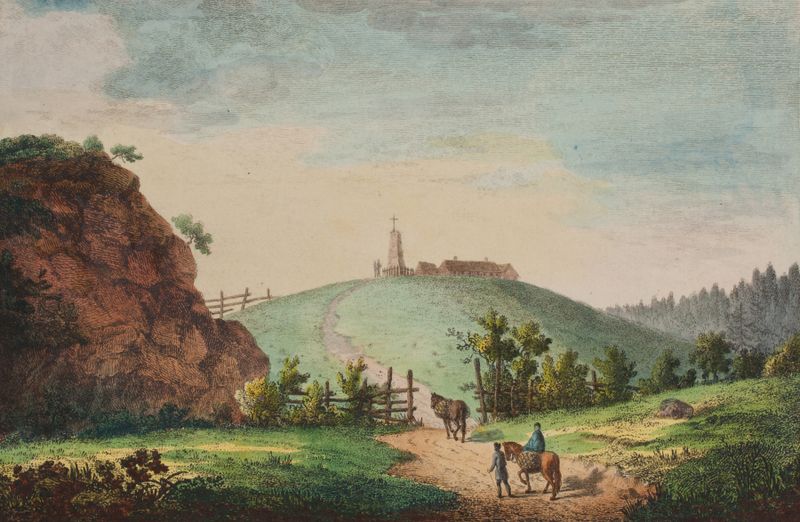
Kong Olufs Støtte i Wærdalen
Elias Meyer

Fortunen ved Dyrehaven
Elias Meyer

Næss i Aasen Nord for Trondheim
Elias Meyer
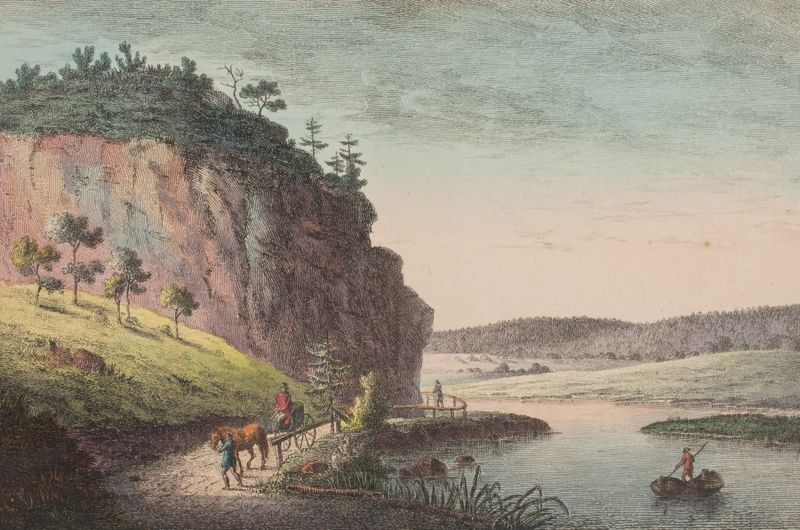
Paa Vejen til Røraas Kobberværk
Elias Meyer
Ermelundshuset
Elias Meyer





