
Gule Elv, i Trondheims Stift — History & Facts
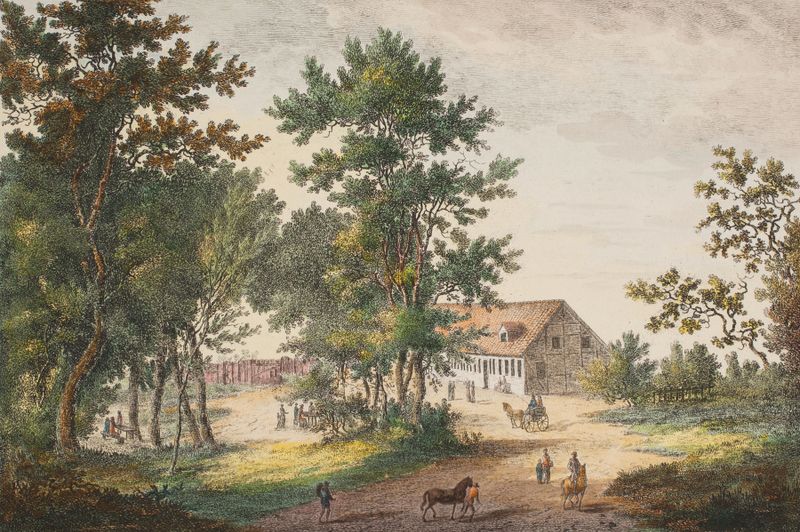
Did the painter know this moment would outlive them? In the quiet stillness of Gule Elv, i Trondheims Stift, a tranquil river winds through a lush landscape, inviting contemplation and reflection. The scene captures more than mere geography; it encapsulates a sense of transcendence that resonates through time. Look to the right at the shimmering water, where light dances upon the surface, creating a lively contrast against the surrounding greenery. The vivid greens and earthy browns of the riverbank suggest an abundance of life, while the delicate strokes of the distant mountains evoke a sense of grandeur.
Notice how the artist employs a gentle gradient of color to lead the viewer's eye, guiding them along the river's path and into the serene atmosphere he carefully crafted. Hidden within this peaceful composition lies a tension between solitude and connection. The river serves as a metaphor for the passage of time, symbolizing both the continuity of nature and the fleeting moments of human existence. Meanwhile, the soft hues evoke a nostalgic longing, inviting the viewer to ponder their own place within this eternal landscape.
Each brushstroke reflects a moment captured, yet hints at the lives and stories flowing past, unseen but ever-present. Elias Meyer created this work between 1762 and 1808, during a formative period in Norwegian art that sought to embrace natural beauty and local landscapes. At this time, the Romantic movement was rising, encouraging artists to draw inspiration from nature and explore emotional depth. Meyer, influenced by these currents, crafted his landscapes with meticulous attention, forever anchoring a fleeting moment in time for future generations to admire and reflect upon.
More Artworks by Elias Meyer
Browse all →
Esplanaden ved Øster Port
Elias Meyer
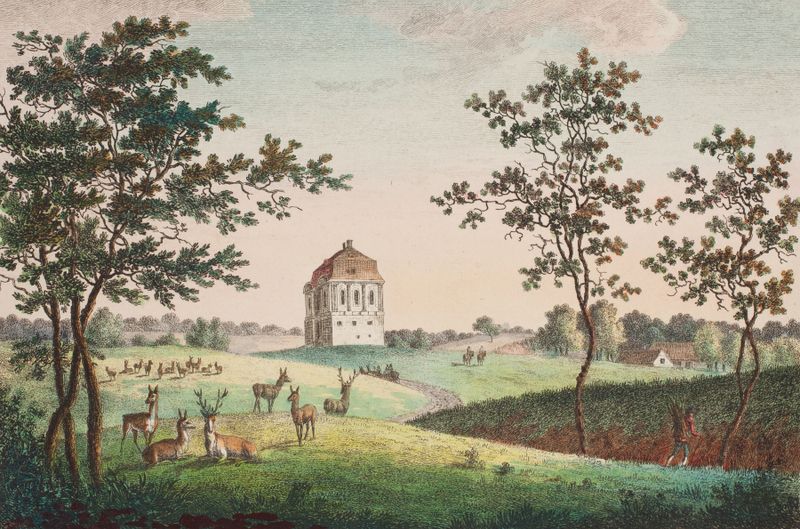
Eremitagen i Dyrehaven
Elias Meyer

Ordrups Krat
Elias Meyer
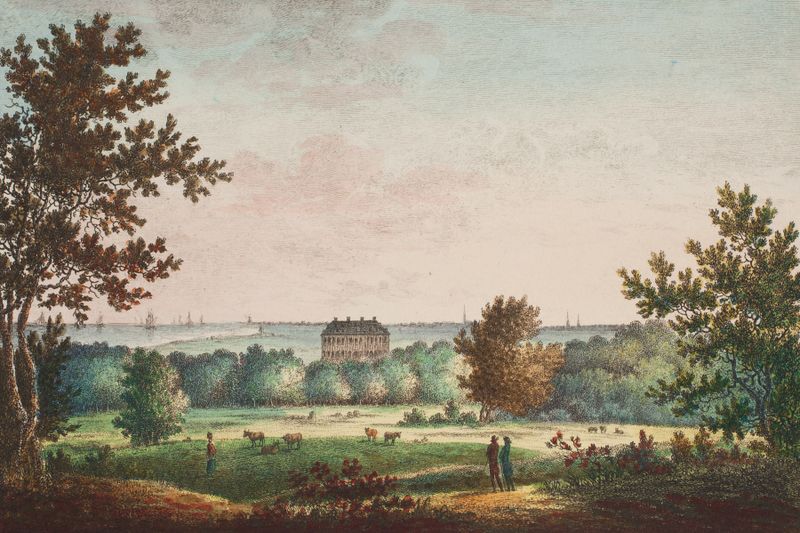
Bernstorff fra Fortunen
Elias Meyer
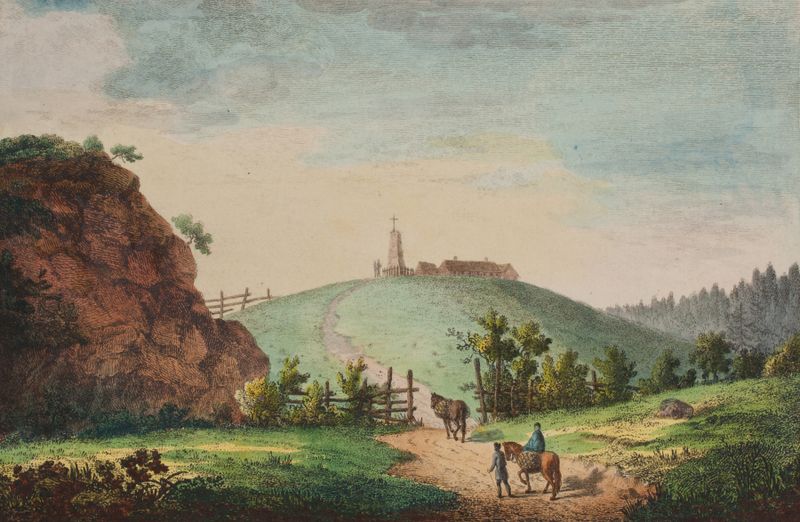
Kong Olufs Støtte i Wærdalen
Elias Meyer

Fortunen ved Dyrehaven
Elias Meyer

Næss i Aasen Nord for Trondheim
Elias Meyer
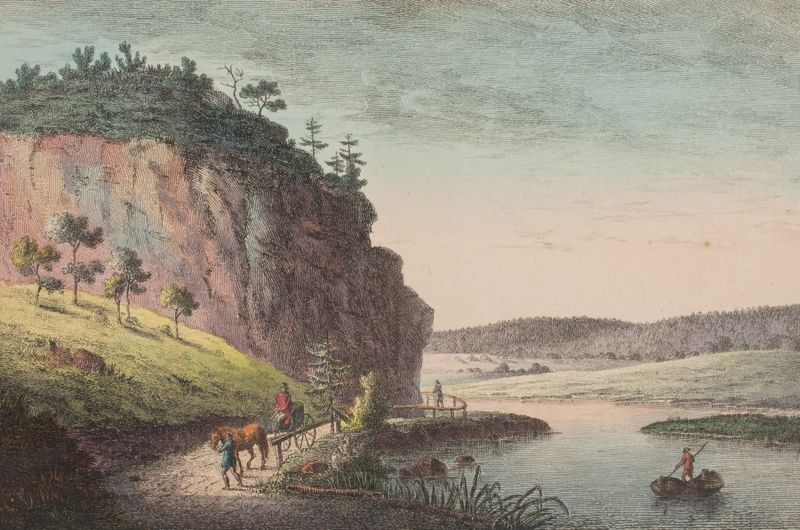
Paa Vejen til Røraas Kobberværk
Elias Meyer
Ermelundshuset
Elias Meyer





