
Ermelundshuset — History & Facts
The contrast between elegance and decay pulses through Ermelundshuset, inviting us to explore the layers of opulence and neglect etched on its surface. Focus first on the intricate detailing of the architecture, where each ornamentation seems to whisper stories of grandeur long faded. Notice how the warm hues of ochre blend with muted greens, evoking a sense of nostalgia as the light plays delicately across the façade. The careful brushwork captures the texture of aging wood and crumbling plaster, reminding us that beauty often wears the guise of fragility. Beneath the surface, there lies an emotional tug-of-war between past splendor and present decay.
The opulent elements, though still striking, are marred by the encroachment of nature, suggesting a poignant reminder of time's relentless march. The juxtaposition of brightness in the gilded accents against the somber tones of wear and deterioration fosters a dialogue about impermanence and the bittersweet nature of existence. Elias Meyer painted Ermelundshuset during a period of significant transition in his life, between 1762 and 1808, likely reflecting the shifting tides in Denmark's artistic scene. This was a time when Neoclassicism began to dominate, yet echoes of Baroque grandeur remained relevant.
The artist, navigating these artistic shifts, captured not just a building but the ephemeral essence of beauty and history entwined in decay.
More Artworks by Elias Meyer
Browse all →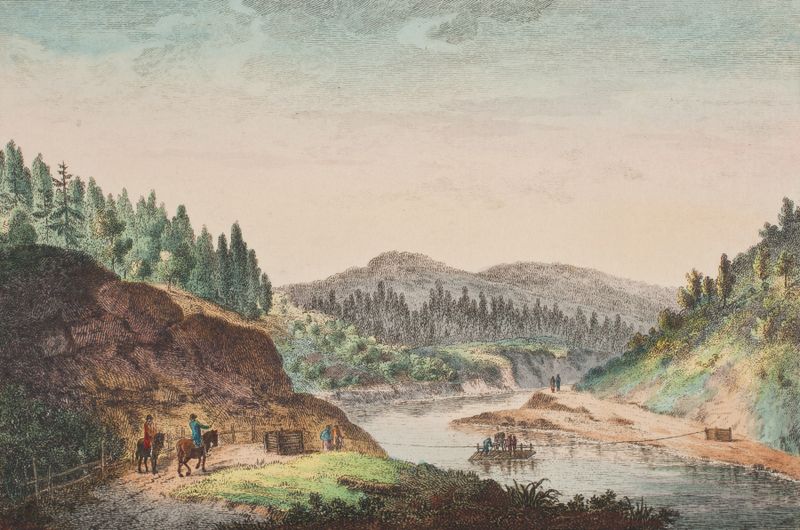
Gule Elv, i Trondheims Stift
Elias Meyer

Esplanaden ved Øster Port
Elias Meyer
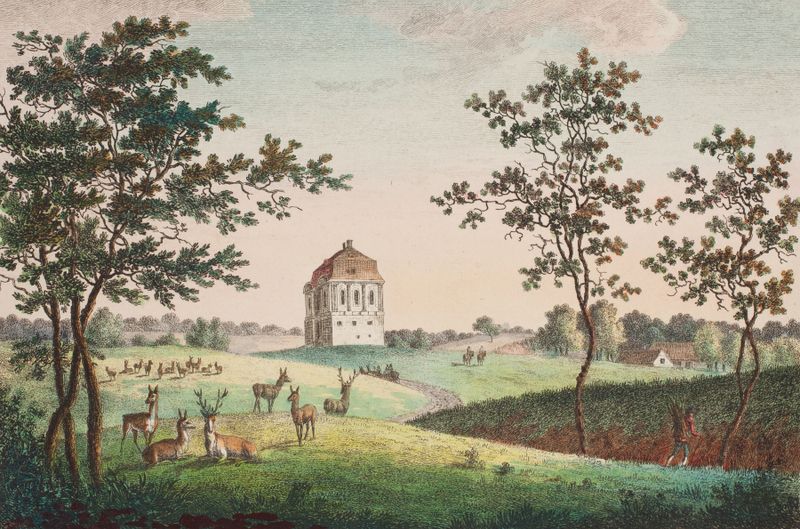
Eremitagen i Dyrehaven
Elias Meyer

Ordrups Krat
Elias Meyer
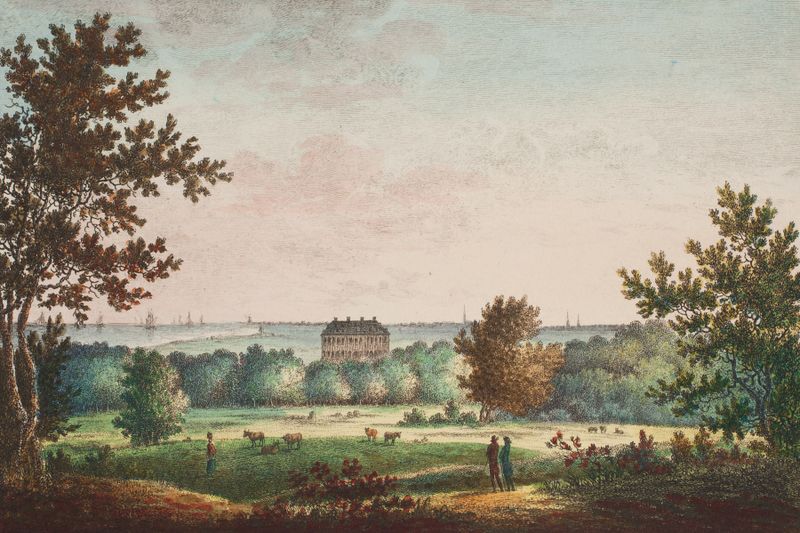
Bernstorff fra Fortunen
Elias Meyer
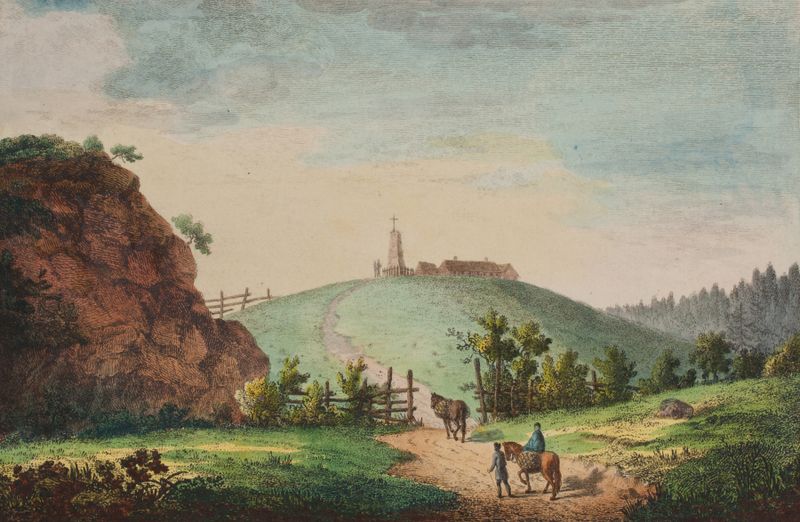
Kong Olufs Støtte i Wærdalen
Elias Meyer

Fortunen ved Dyrehaven
Elias Meyer

Næss i Aasen Nord for Trondheim
Elias Meyer
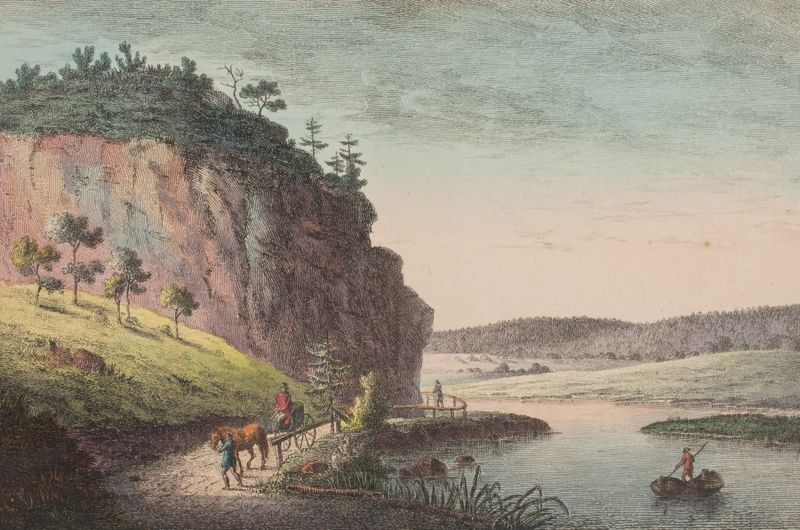
Paa Vejen til Røraas Kobberværk
Elias Meyer
More Architecture Art
Browse all →
The statue of Liberty
Frédéric Auguste Bartholdi

View of Houses in Delft, Known as ‘The Little Street’
Johannes Vermeer

View of Houses in Delft, Known as ‘The Little Street’
Johannes Vermeer

The Cathedral in Rouen. The portal, Grey Weather
Claude Monet

The yellow house
Vincent van Gogh

The Church in Auvers-sur-Oise, View from the Chevet
Vincent van Gogh