
Ordrups Krat — History & Facts
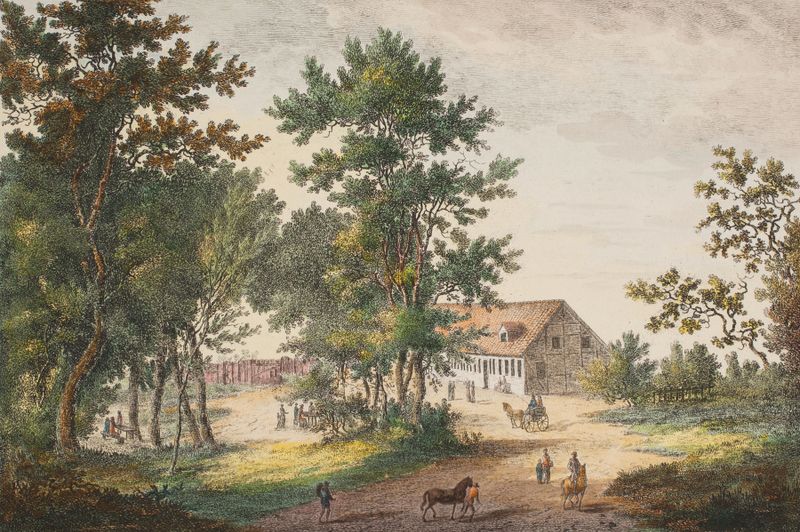
What secret hides in the quiet of the canvas? In Ordrups Krat, a tranquil forest scene evokes a world where nature breathes, whispers, and transcends the ordinary. Look to the left at the delicate interplay of light filtering through the foliage, illuminating the rich greens and soft browns of the underbrush. The trees stand tall, their trunks sturdy yet gentle, while the dappled sunlight creates a mosaic on the forest floor. Meyer’s adept use of layering and soft brushwork invites the viewer into this serene sanctuary, drawing them deeper into the tranquil embrace of the woodland. Upon closer inspection, subtle contrasts emerge: the vibrant, life-affirming greens stand in juxtaposition to the shadows that loom, hinting at a hidden tension within this peaceful haven.
The stillness of the scene suggests a moment frozen in time, yet the gentle sway of the leaves whispers of the passage of time, echoing the cycles of life and nature. This exploration of light and shadow not only captures the beauty of the landscape but also serves as a metaphor for the dualities inherent in existence — peace and turmoil, presence and absence. Elias Meyer painted Ordrups Krat during a period of great change in the late 18th century in Denmark. Active from 1762 to 1808, he was part of the burgeoning Romantic movement, which emphasized emotional depth and a connection to nature.
This work reflects both his personal journey as an artist and the broader cultural shifts of his time, as artists sought to explore the sublime beauty and complexity of the natural world amidst societal transformation.
More Artworks by Elias Meyer
Browse all →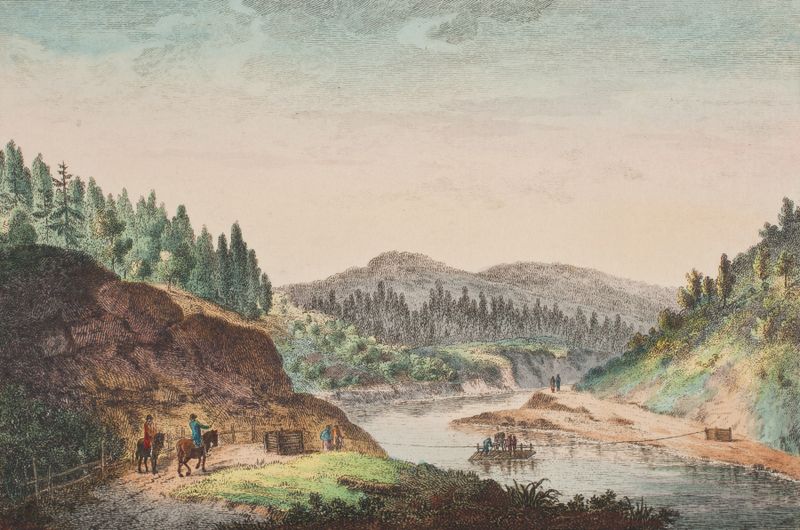
Gule Elv, i Trondheims Stift
Elias Meyer

Esplanaden ved Øster Port
Elias Meyer
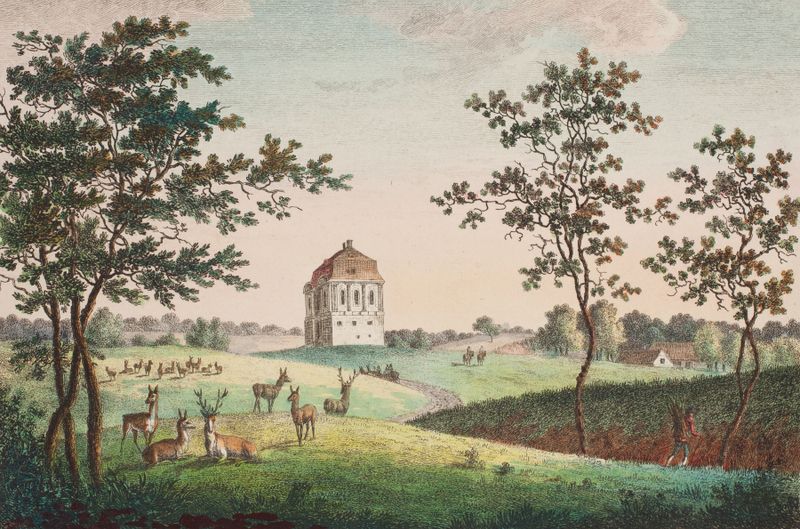
Eremitagen i Dyrehaven
Elias Meyer
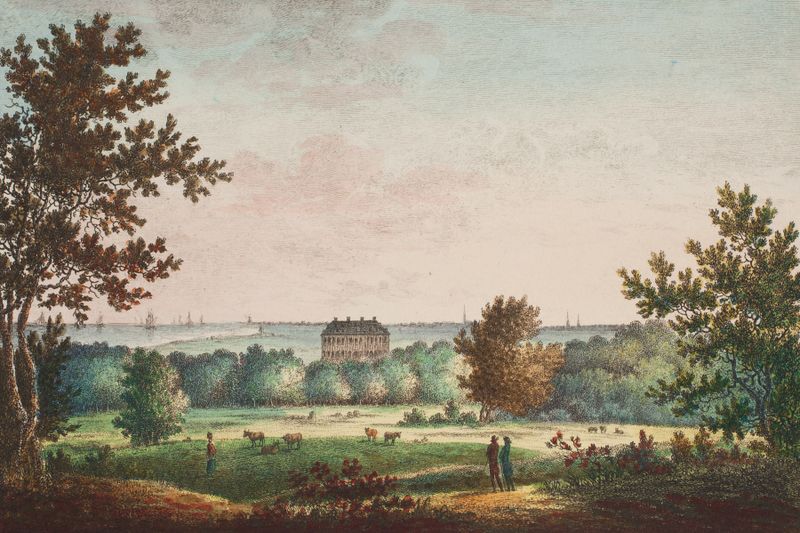
Bernstorff fra Fortunen
Elias Meyer
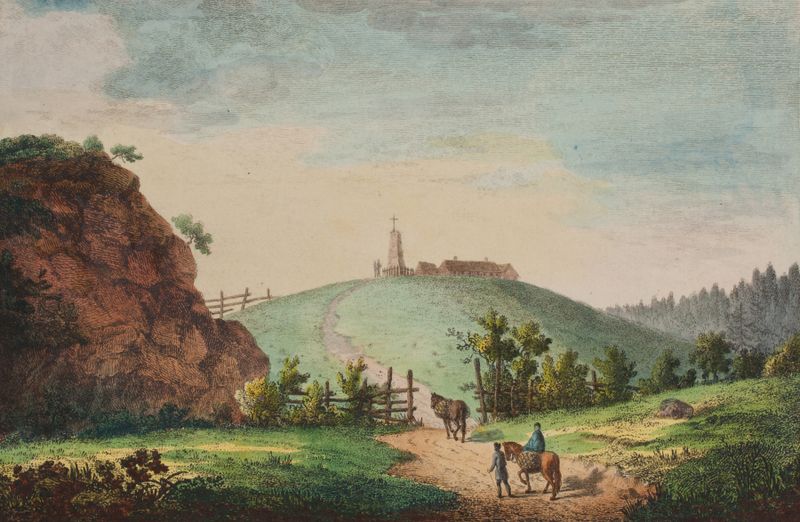
Kong Olufs Støtte i Wærdalen
Elias Meyer

Fortunen ved Dyrehaven
Elias Meyer

Næss i Aasen Nord for Trondheim
Elias Meyer
Paa Vejen til Røraas Kobberværk
Elias Meyer
Ermelundshuset
Elias Meyer





