
Erminia and the Shepherds — History & Facts
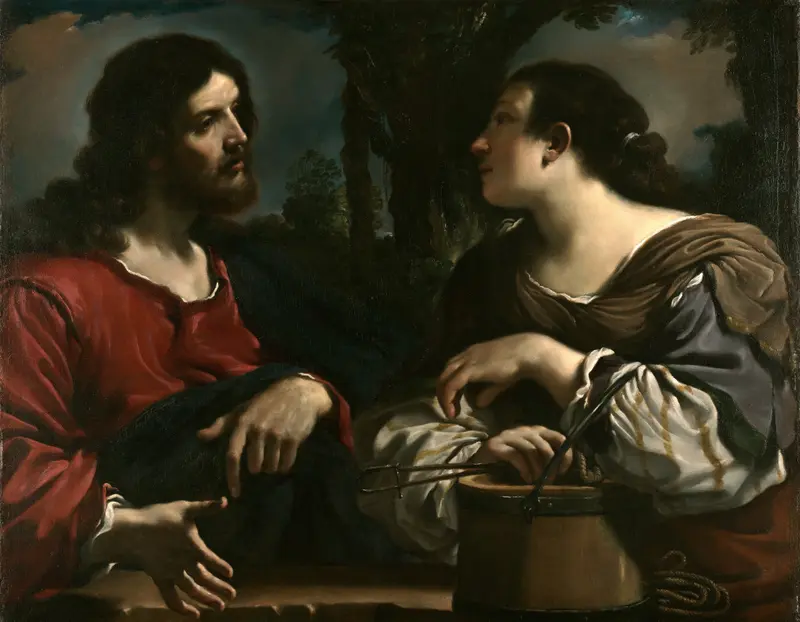
In Erminia and the Shepherds, Guercino presents a vibrant scene filled with lush greens and soft earth tones. The figures of Erminia and the shepherds are depicted with delicate expressions, conveying a sense of intimacy and warmth. The background features a serene landscape, enhancing the peaceful atmosphere of the painting.
The use of light and shadow adds depth, drawing the viewer's eye to the central figures. This painting is executed in oil on canvas, a common medium during the Baroque period. The dimensions are approximately 100 x 130 cm, making it a sizable work that commands attention. The brushwork is fluid, showcasing Guercino's skill in creating lifelike textures and forms.
The color palette is rich, with a predominance of greens and warm hues that evoke a sense of harmony. Guercino, born Giovanni Francesco Barbieri, was a prominent Italian Baroque painter known for his dramatic use of light and color. Erminia and the Shepherds is inspired by a story from Tasso's Gerusalemme Liberata, highlighting themes of love and pastoral beauty. An interesting fact about this work is that it reflects Guercino's ability to blend narrative with emotional depth, a hallmark of his artistic style.
This painting remains a significant example of Baroque art in Italy.
More Artworks by Guercino

The Entombment
Guercino
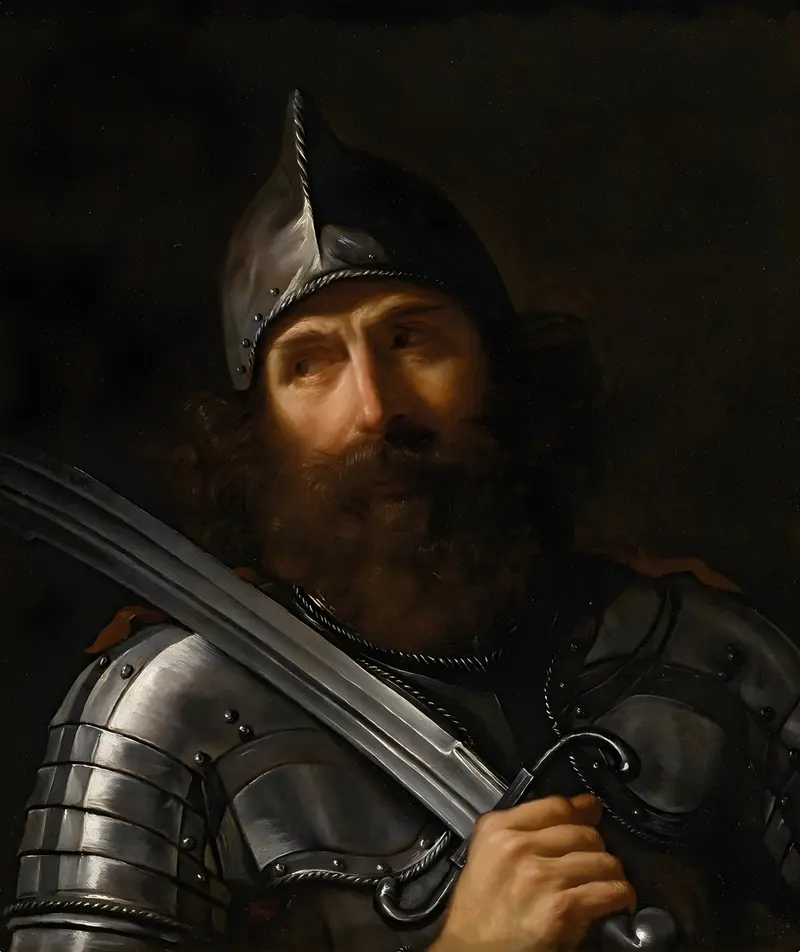
Mars
Guercino
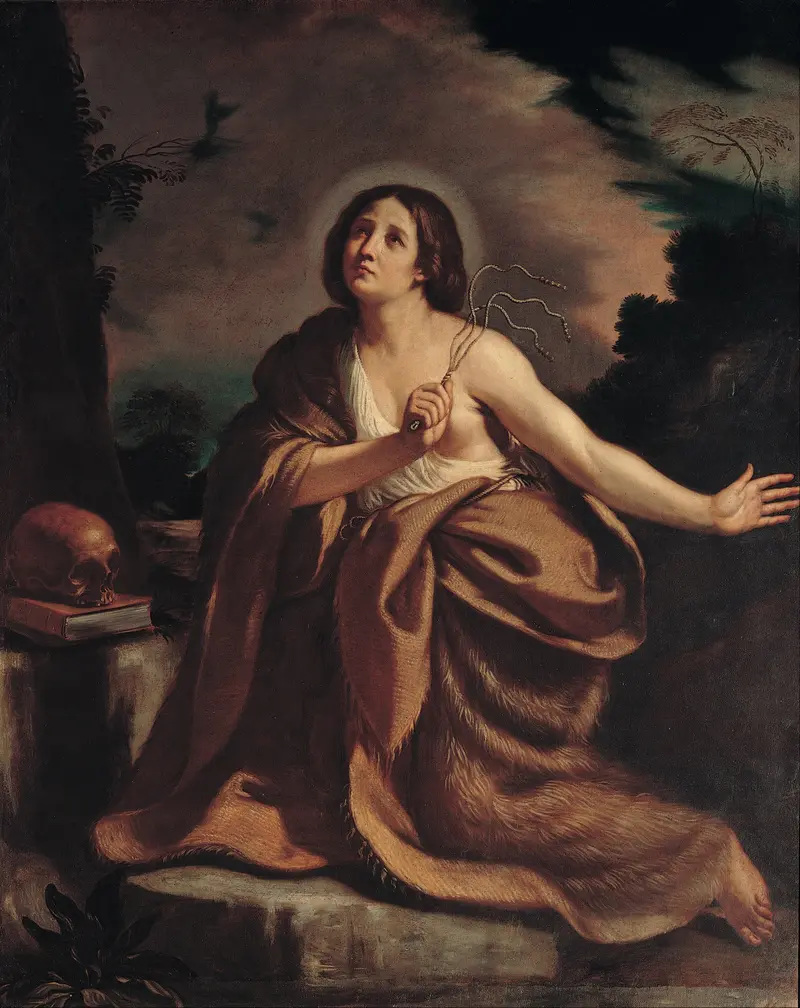
Penitent Magdalene
Guercino
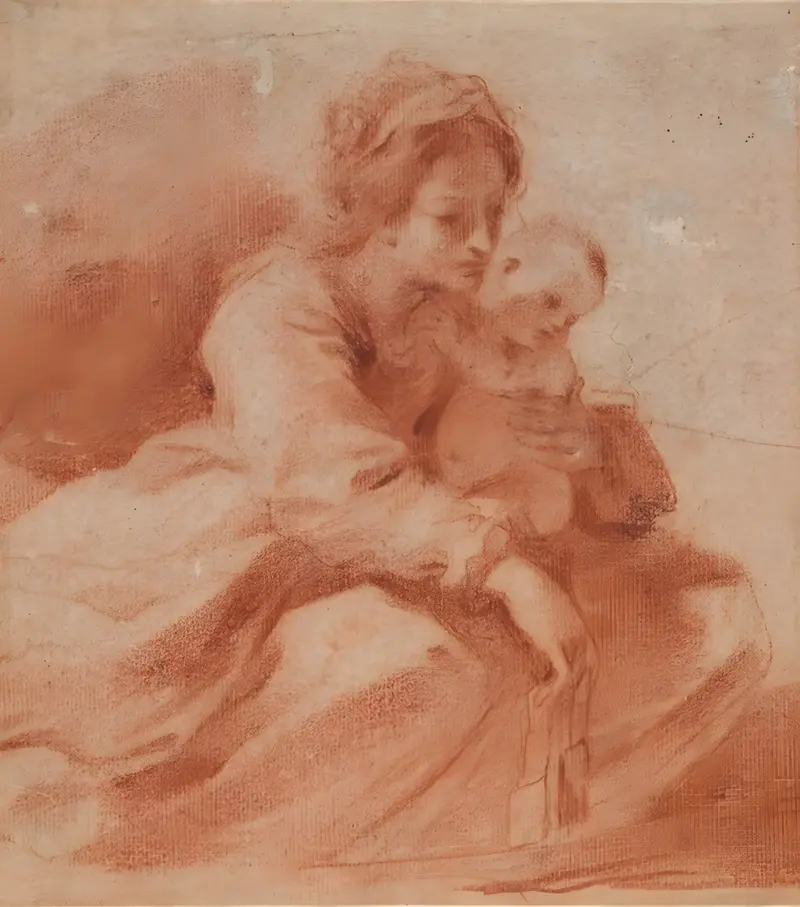
The Virgin and Child (for the Madonna del Carmine Presenting a Scapular to a Carmelite, in Cento’s Pinacoteca Civica, c.1615)
Guercino
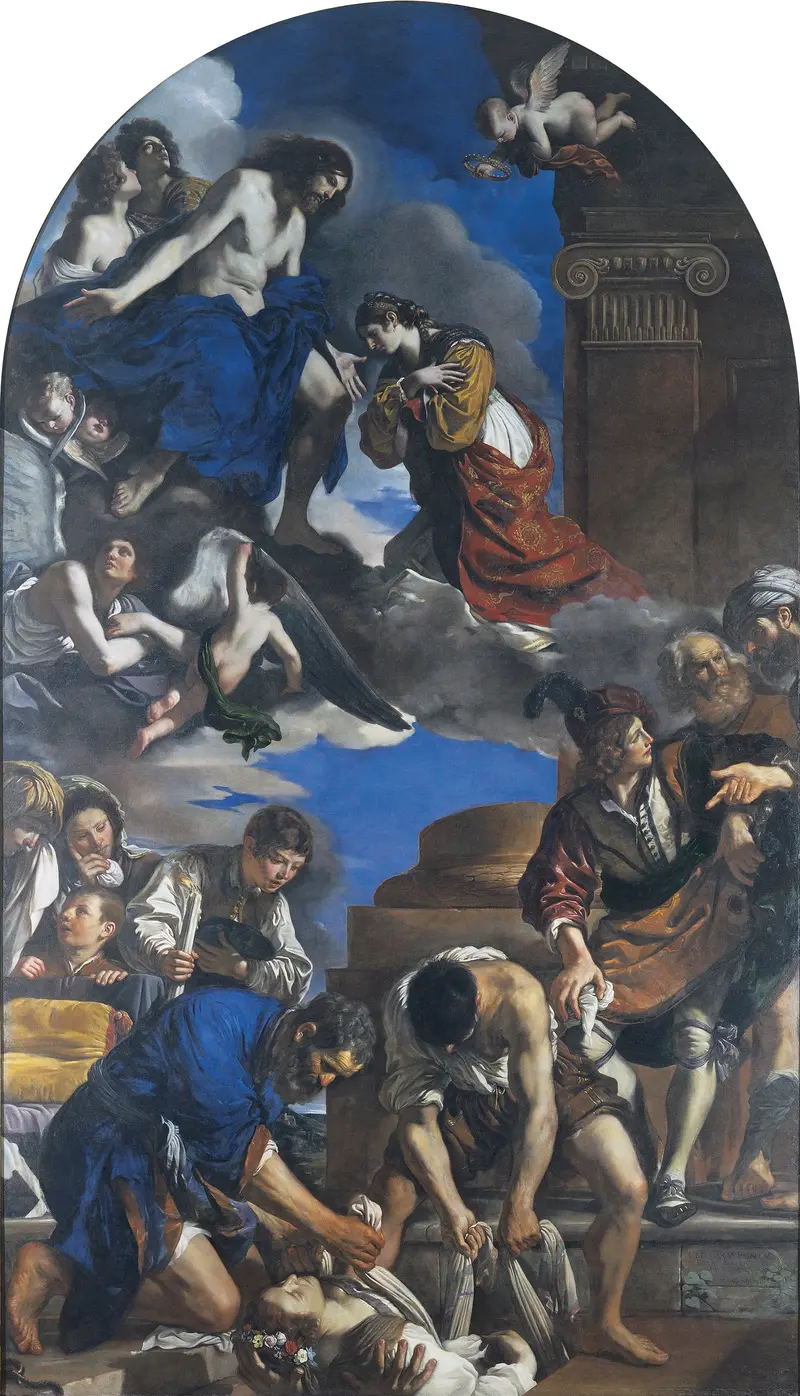
Burial of Saint Petronilla
Guercino
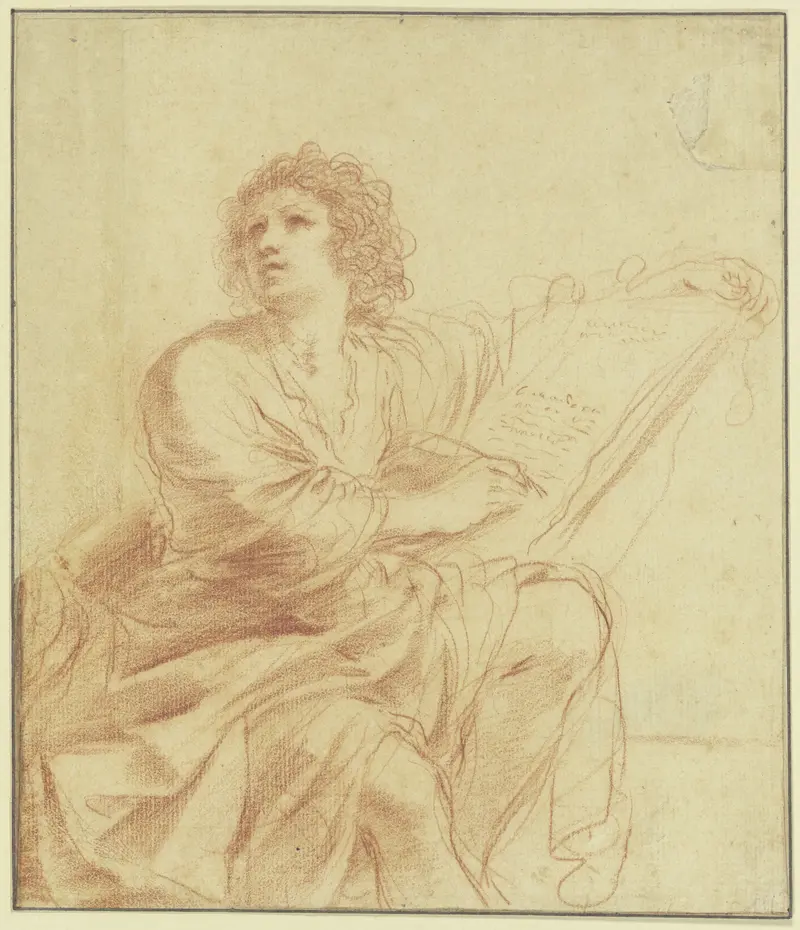
Johannes der Evangelist, sitzend und schreibend
Guercino
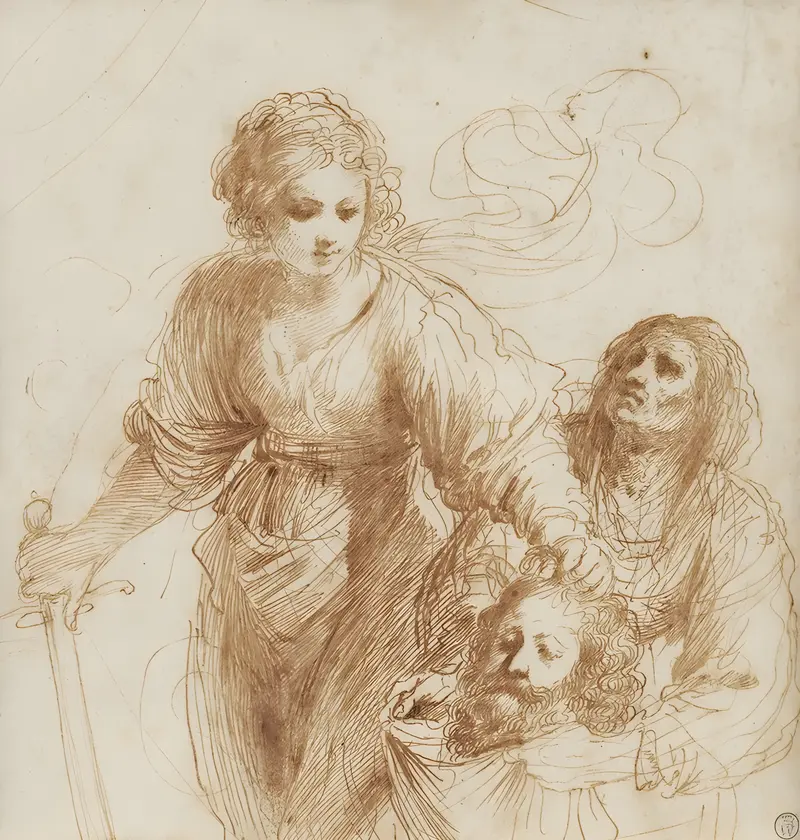
Judith with the Head of Holofernes
Guercino
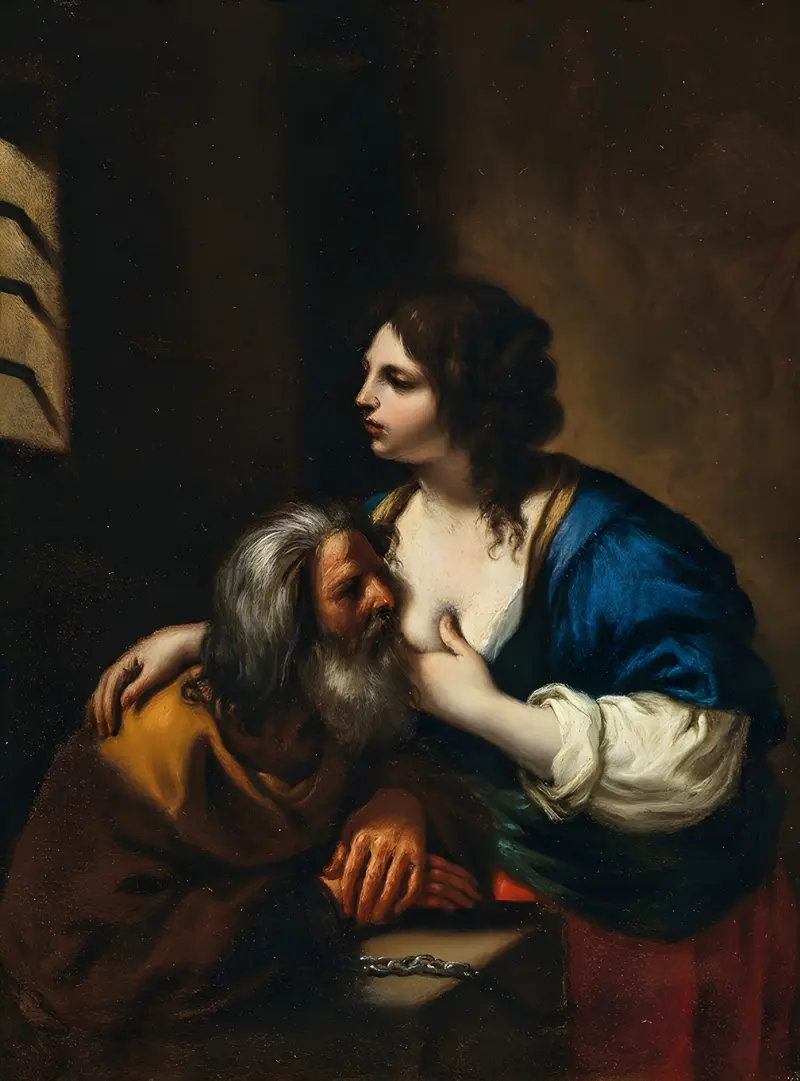
Caritas Romana
Guercino
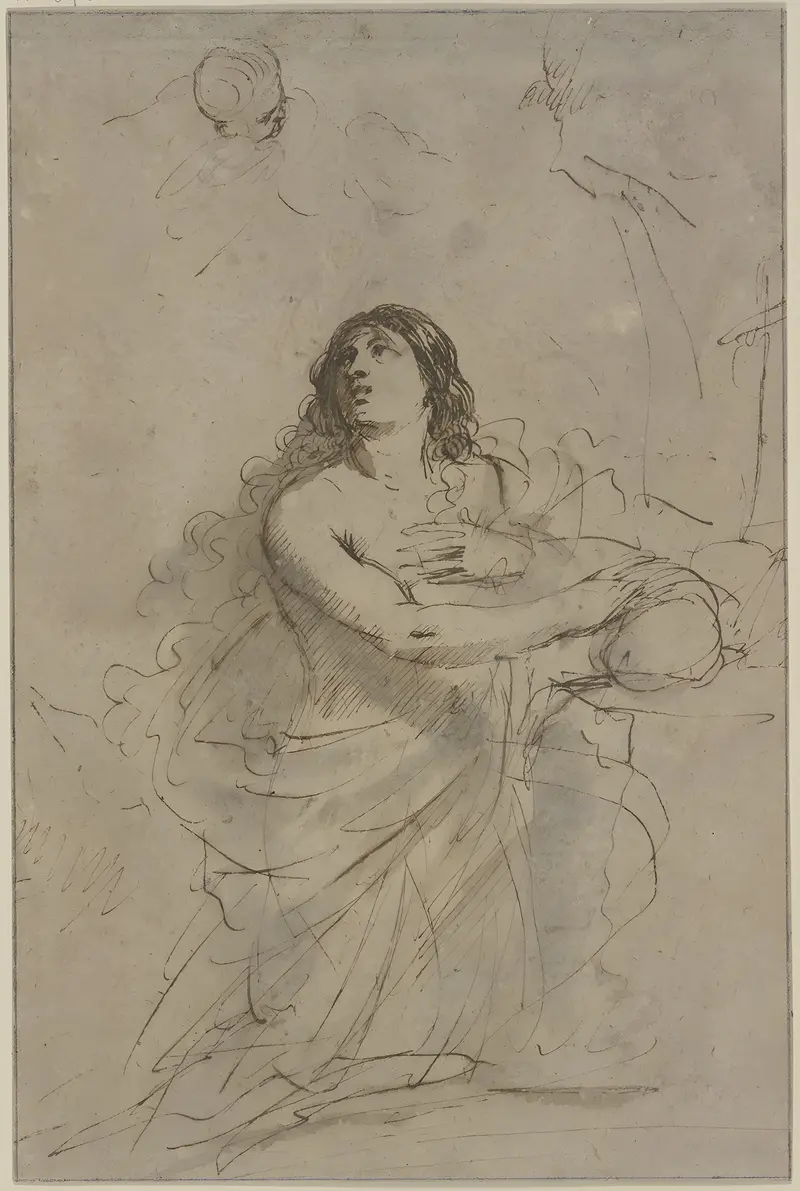
Atoning Magdalene
Guercino
Christ And The Woman Of Samaria
Guercino





