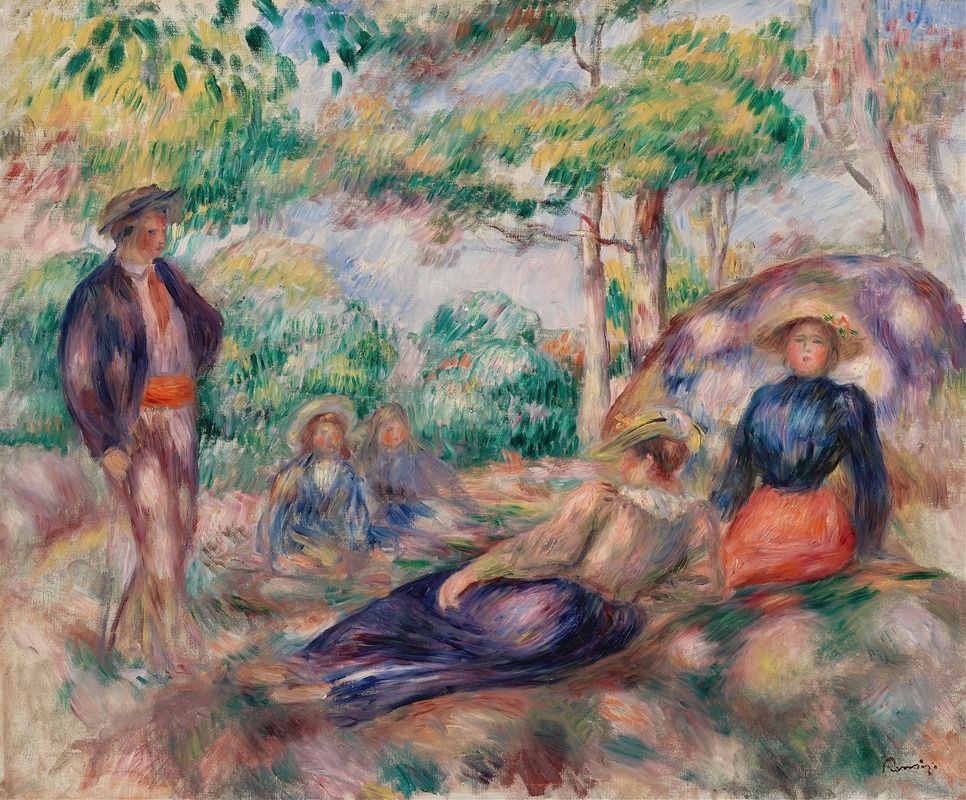
Discover insights about this artwork
Estan calientes. (They are hot.) — History & Facts
In Estan calientes, Francisco de Goya presents a lively scene filled with vibrant colors. The painting features figures engaged in a dynamic interaction, suggesting a moment of warmth and excitement. The setting is informal, likely depicting a social gathering or a festive occasion.
The use of reds and yellows enhances the sense of heat and liveliness in the composition. The painting is executed in oil on canvas, a medium that allows for rich color application and texture. Goya's brushwork is expressive, contributing to the overall energy of the scene. The dimensions are approximately 70 x 100 cm, making it a sizable work that invites viewers to immerse themselves in the depicted moment.
The composition is carefully arranged, guiding the eye through the figures and their interactions. Francisco de Goya was a pivotal figure in Spanish art, known for his ability to capture human emotion and social commentary. Estan calientes reflects his interest in everyday life and the dynamics of social interactions. An interesting fact about this work is that it showcases Goya's transition from the Rococo style to a more personal and expressive approach, which would later characterize his more famous works.
This painting is housed in the Museo del Prado, a testament to its significance in Goya's oeuvre.
More Artworks by Francisco de Goya
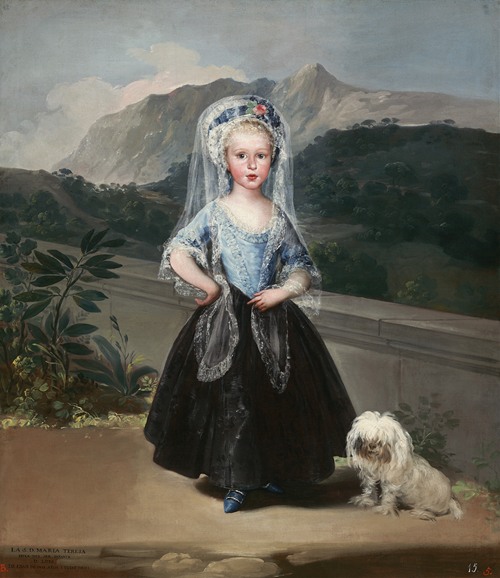
María Teresa de Borbón y Vallabriga,later Condesa de Chinchón
Francisco de Goya
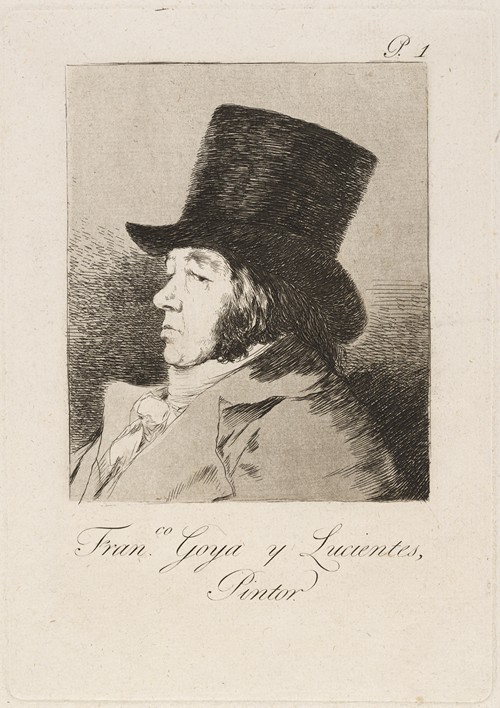
Francisco Goya y Lucientes, Pintor (Francisco Goya y Lucientes, painter)
Francisco de Goya
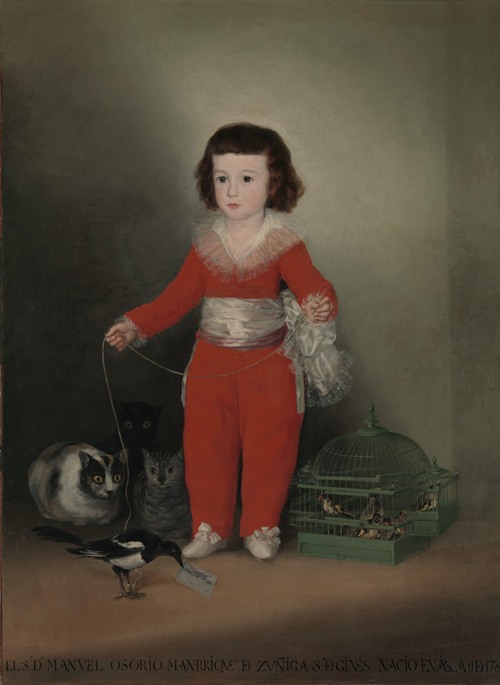
Manuel Osorio Manrique de Zuñiga (1784–1792)
Francisco de Goya
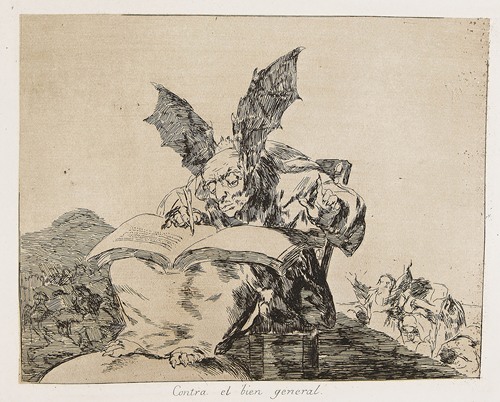
Los desastres de la guerra
Francisco de Goya
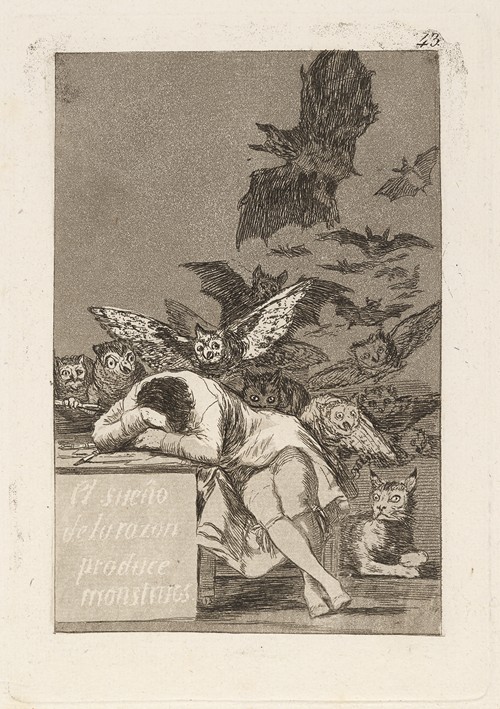
El sueño de la razon produce monstruos. (The sleep of reason produces monsters.)
Francisco de Goya
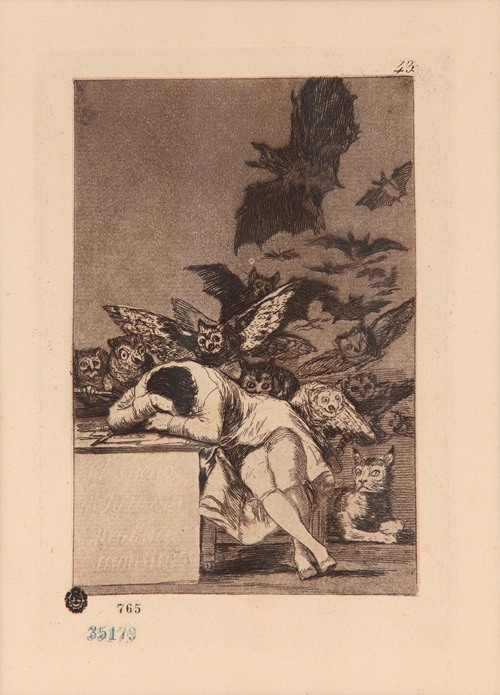
El sueño de la razon produce moustruos (Serie Caprichos)
Francisco de Goya
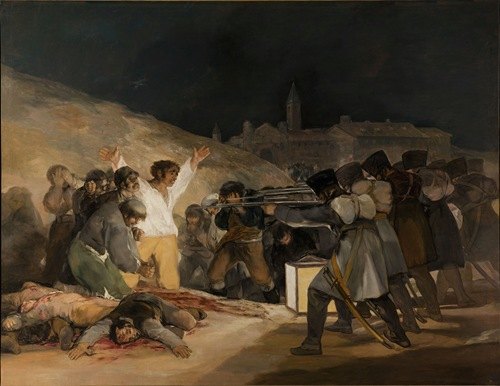
The Third of May
Francisco de Goya
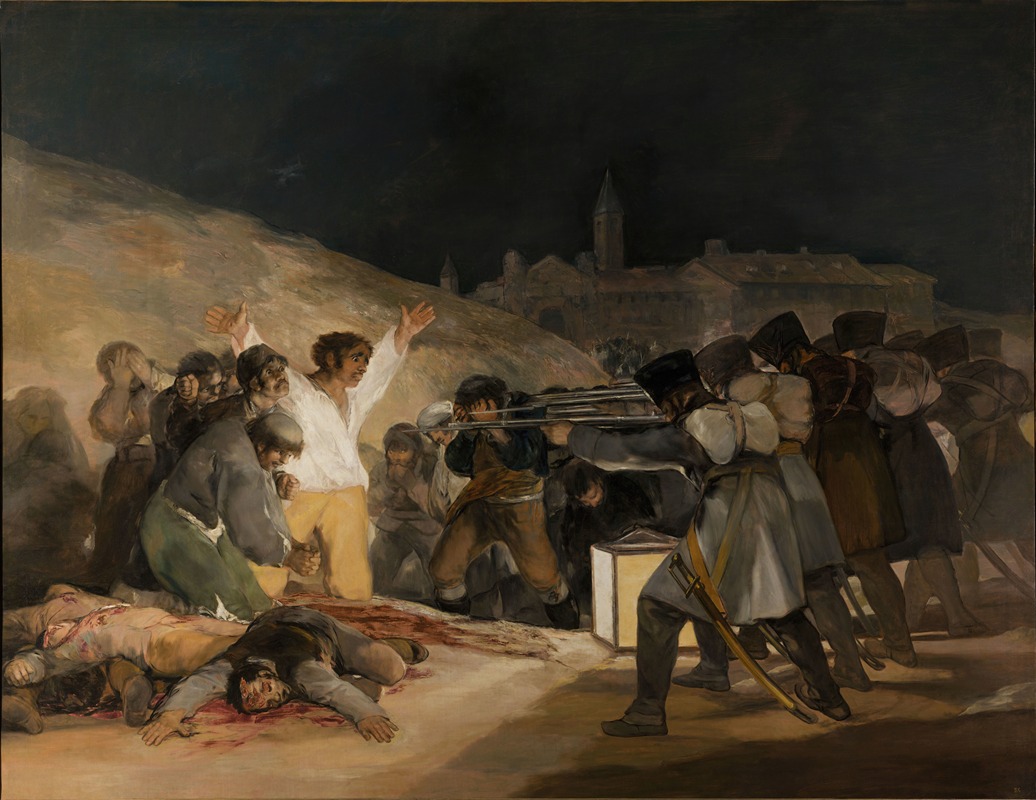
The Third of May 1808
Francisco de Goya
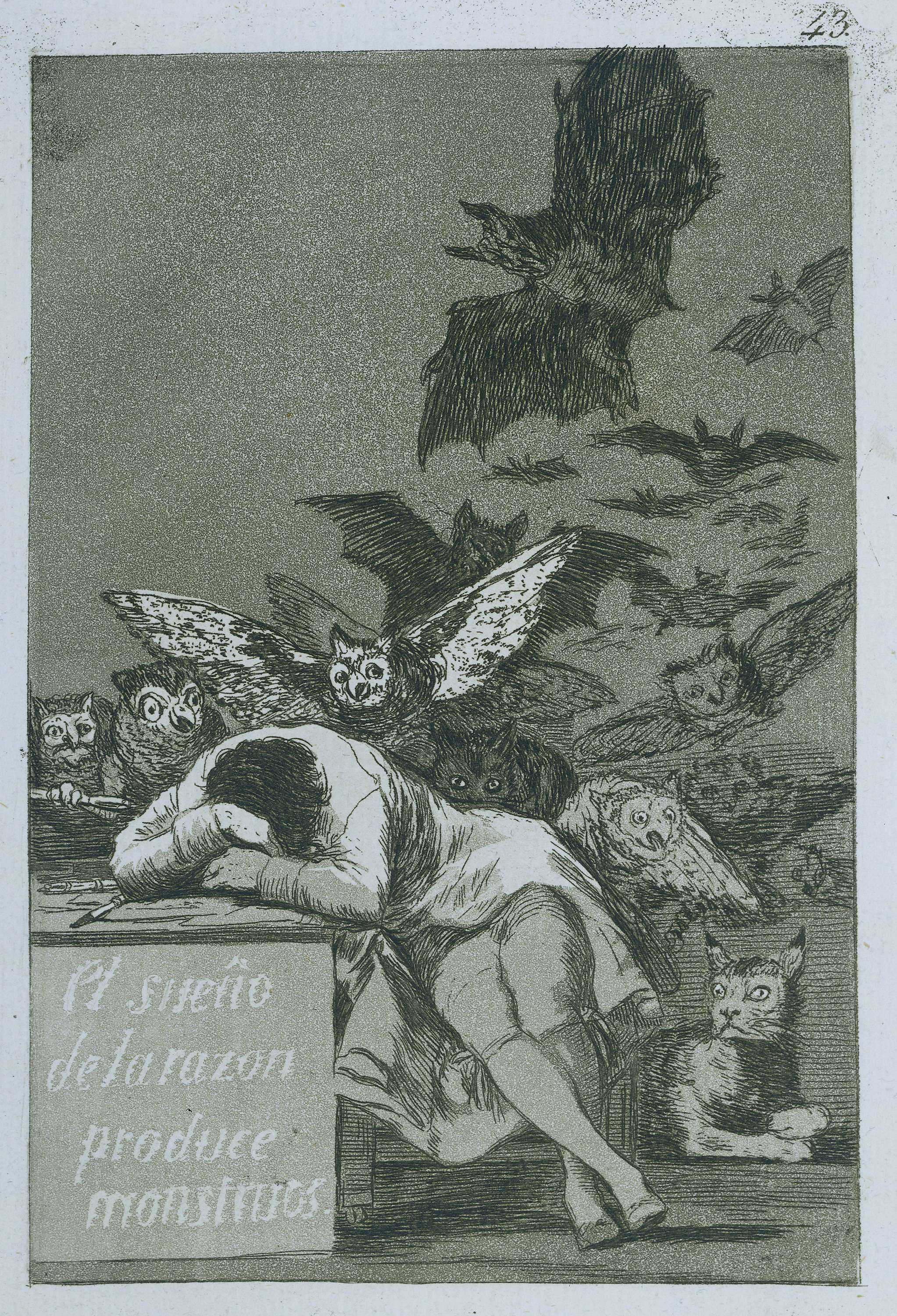
De slaap van de rede brengt monsters voort
Francisco de Goya
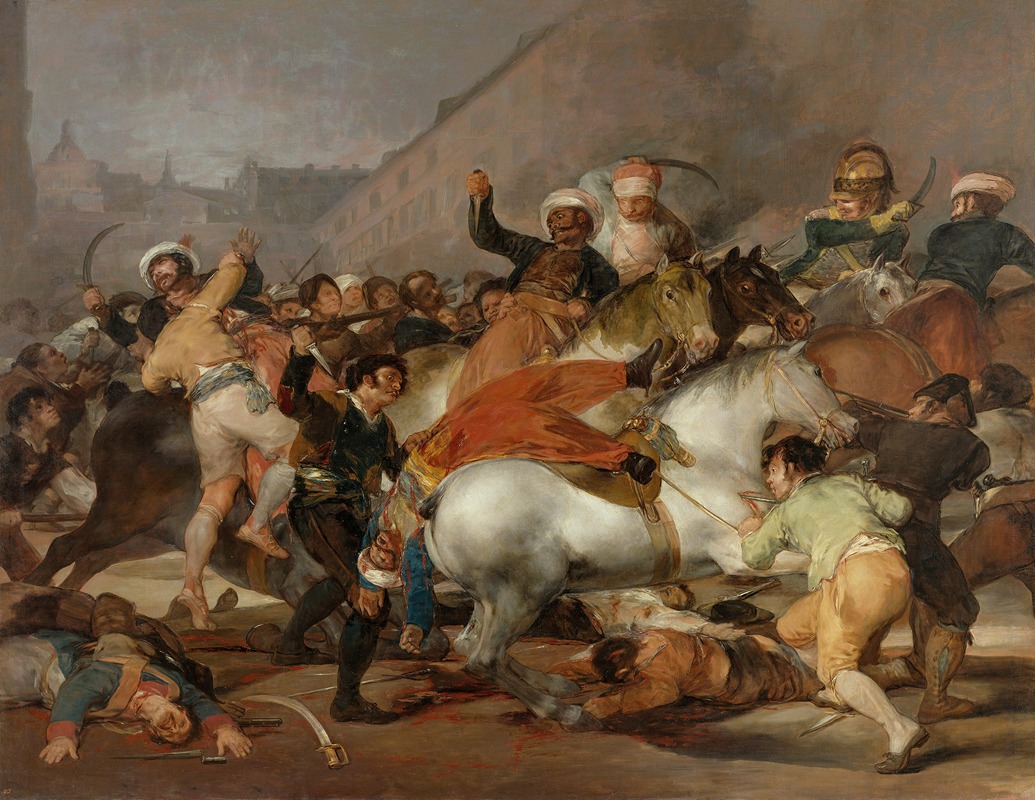
The Charge of the Mamelukes (1814)
Francisco de Goya