
Étude pour un tableau non identifié, montrant l’hippodrome de Deauville) — History & Facts
In Étude pour un tableau non identifié, montrant l’hippodrome de Deauville, Henri Gervex presents a vibrant scene filled with color. The painting showcases the lively atmosphere of the Deauville racetrack, with horses and spectators creating a dynamic composition. Bright greens and blues dominate the landscape, while splashes of red and yellow add energy.
The figures are animated, capturing the excitement of the races. The painting is executed in oil on canvas, a medium that allows for rich color and texture. Gervex's brushwork is loose and fluid, characteristic of the Impressionism style. The composition is balanced, with the racetrack drawing the viewer's eye through the scene.
The use of light and shadow enhances the sense of movement and liveliness. Henri Gervex was a prominent figure in the Impressionist movement, known for his depictions of Parisian life. This particular work serves as a study for a larger piece, showcasing Gervex's interest in capturing the thrill of horse racing. An interesting fact about this painting is that it reflects the social culture of the time, where horse racing was a popular pastime among the elite.
Gervex's ability to convey energy and excitement makes this work notable within his oeuvre.
More Artworks by Henri Gervex

Café Scene In Paris
Henri Gervex
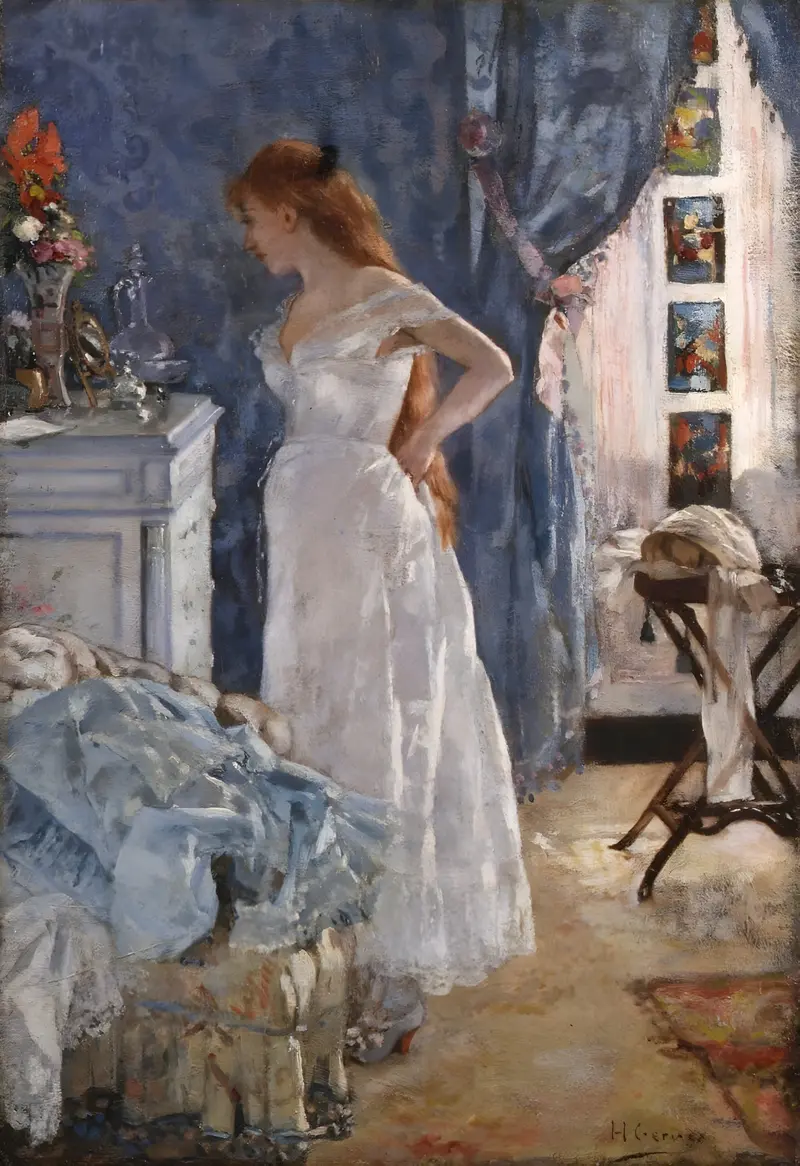
La Toilette
Henri Gervex

Le Marché aux fleurs
Henri Gervex

An Elegant Lady
Henri Gervex
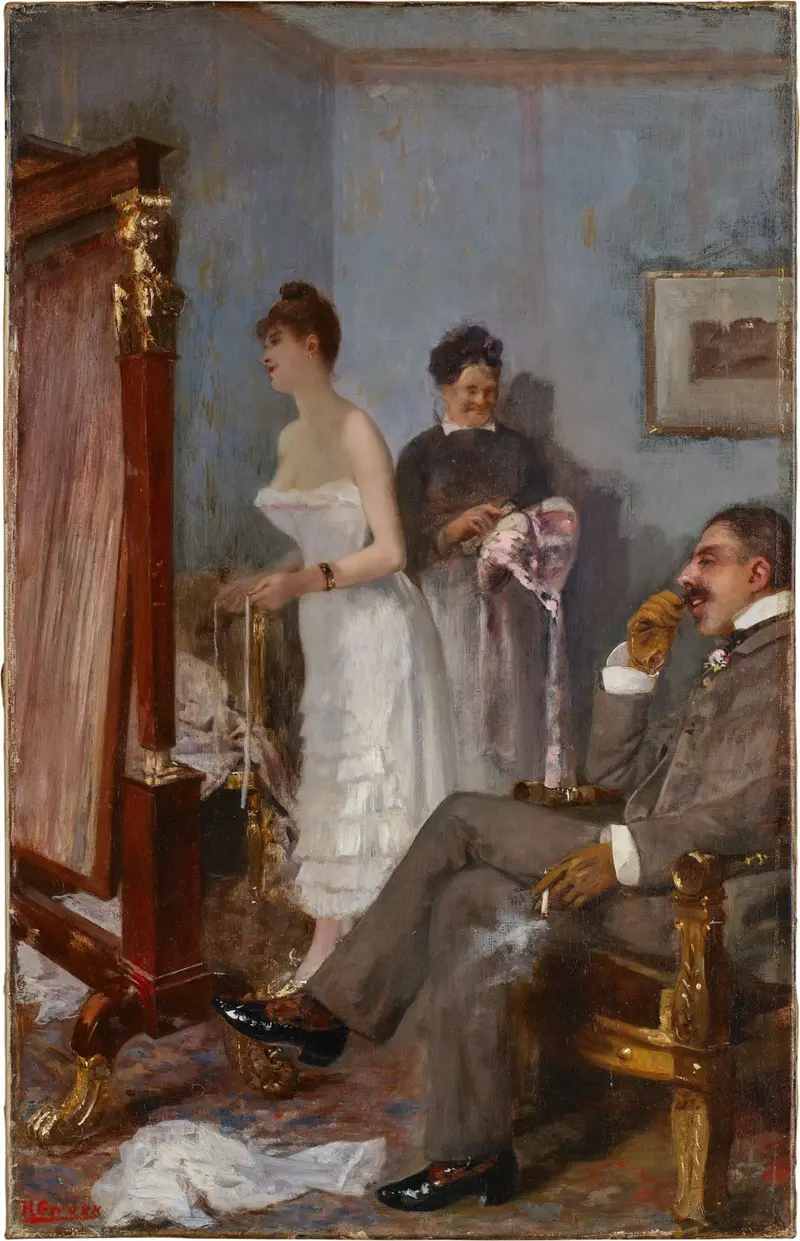
Nana
Henri Gervex
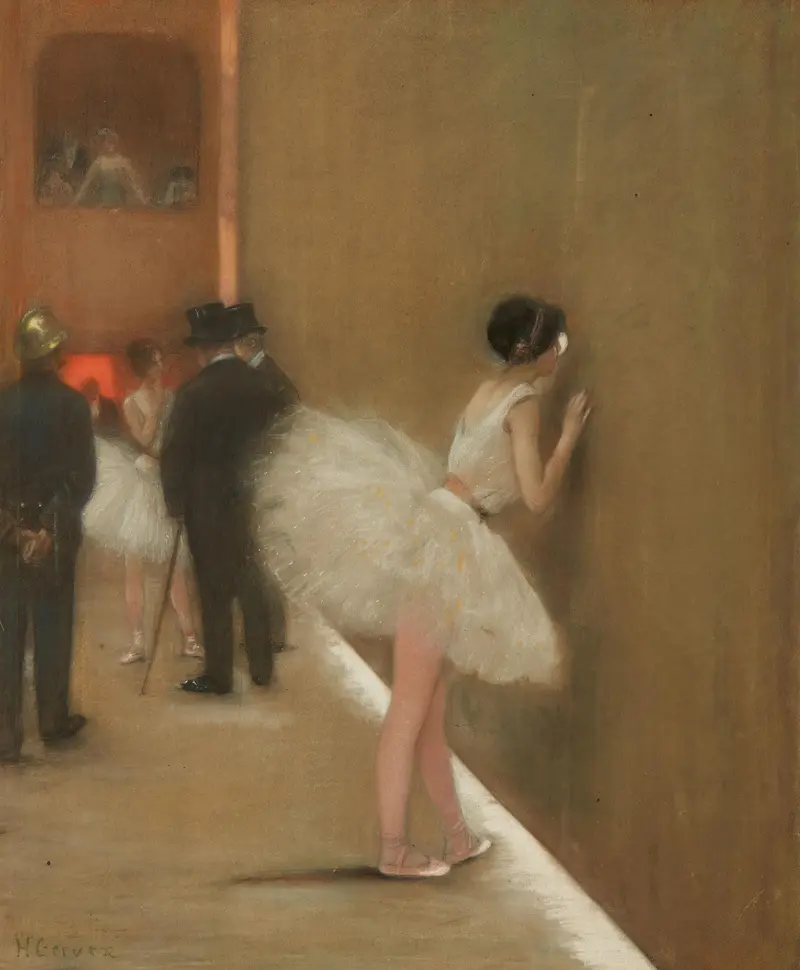
Behind the curtain at the ballet
Henri Gervex
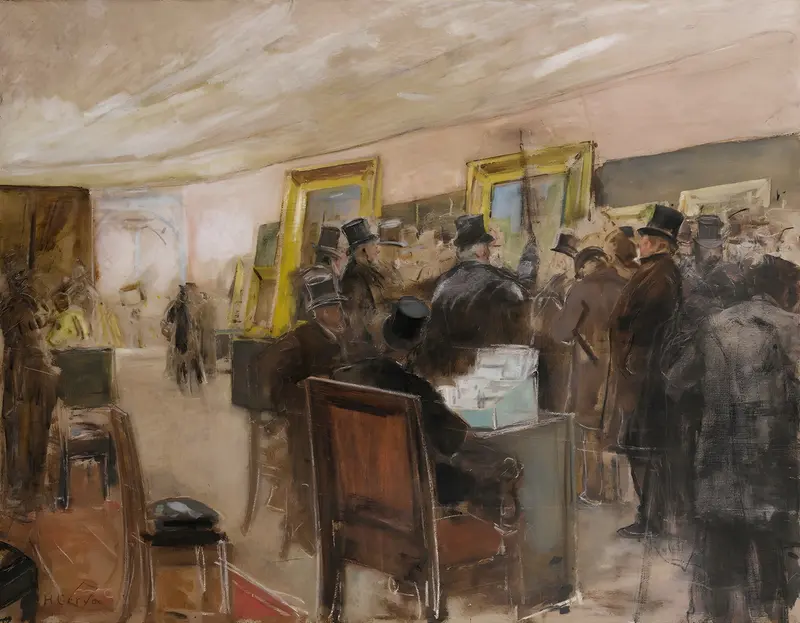
French study for ‘une séance du jury de peinture’
Henri Gervex
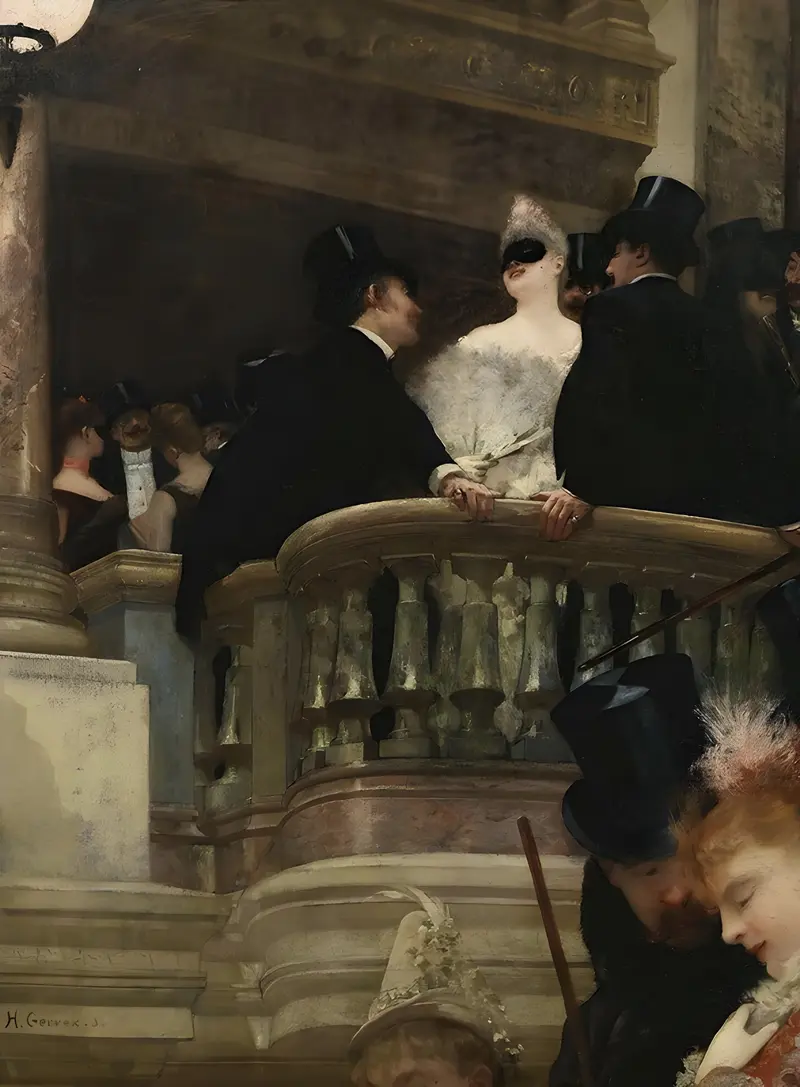
Le Bal de l’Opera
Henri Gervex
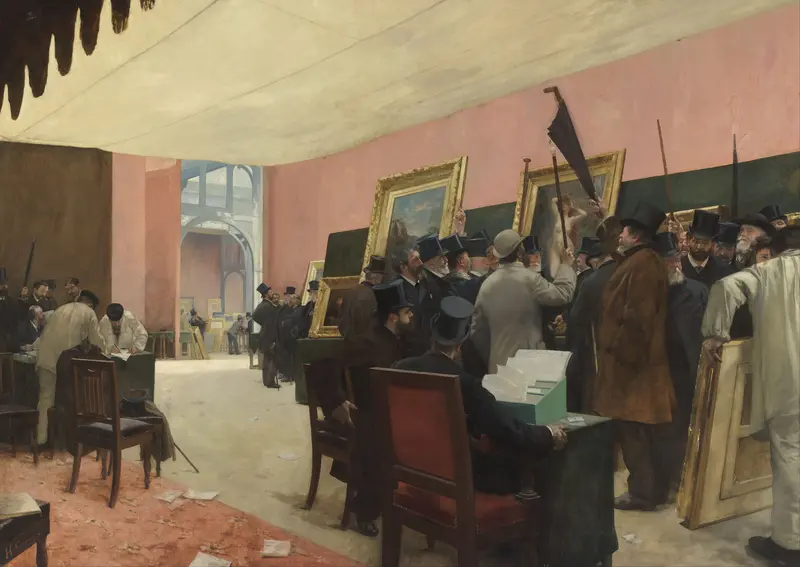
A Session of the Painting Jury
Henri Gervex
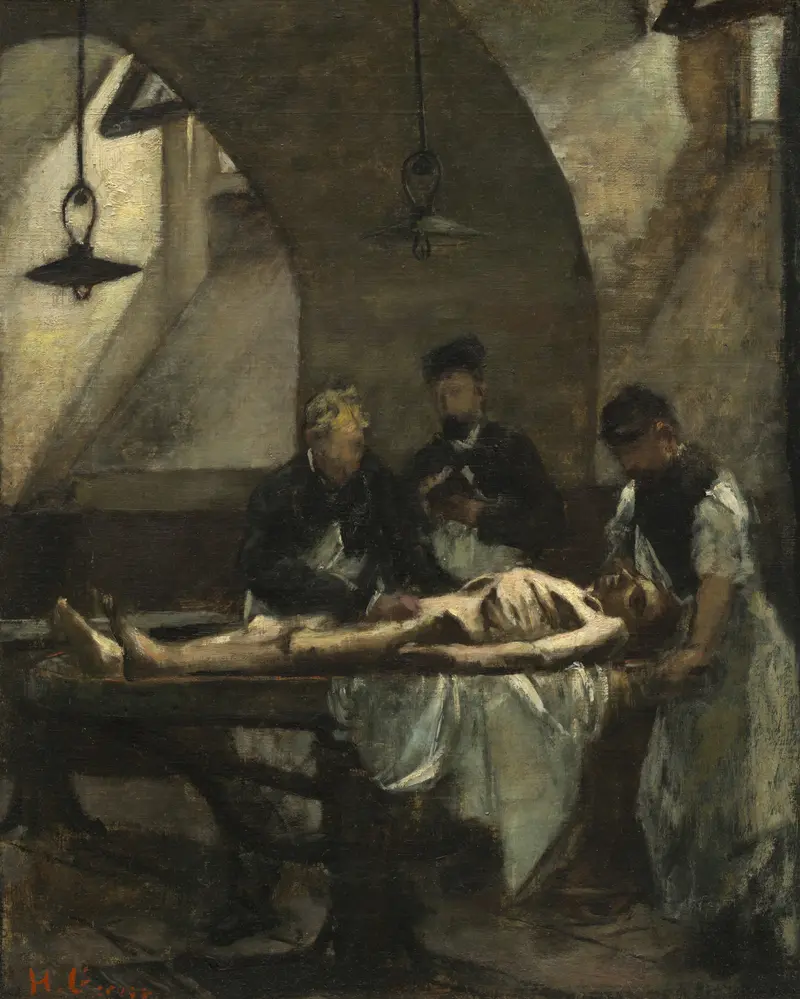
Study for ‘Autopsy at the Hotel-Dieu’
Henri Gervex
More Landscape Art

The Starry Night
Vincent van Gogh

View of Delft
Johannes Vermeer

Water Lilies
Claude Monet

The Grand Canal, Venice, looking north-west from the Ca' Corner to the Ca' Contarini degli Scrigni, with the campanile of Santa Maria della Carità
Canaletto

Windsor Castle
Canaletto

The Grand Canal looking North-East from the Palazzo Dolfin-Manin to the Rialto Bridge
Canaletto