Evans Landing, Pittsburgh, Pennsylvania — History & Facts
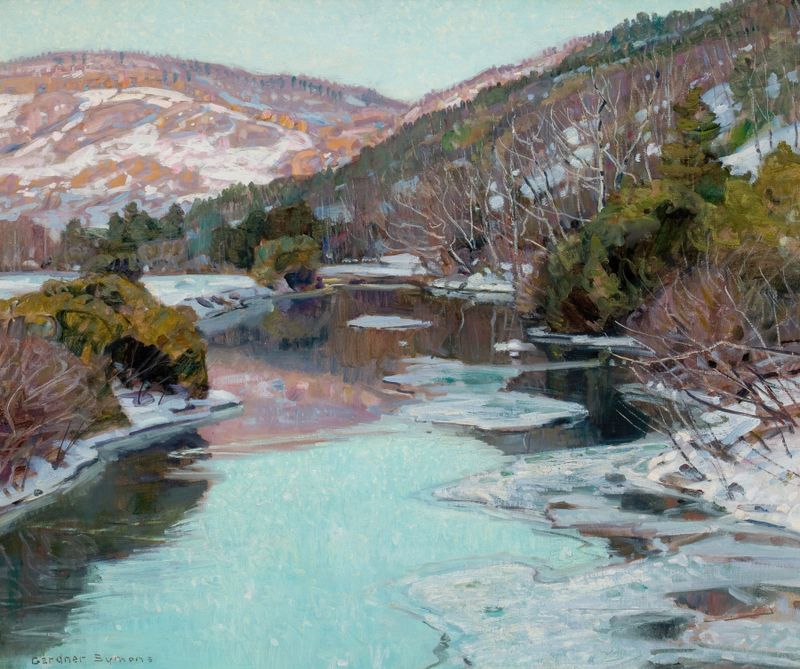
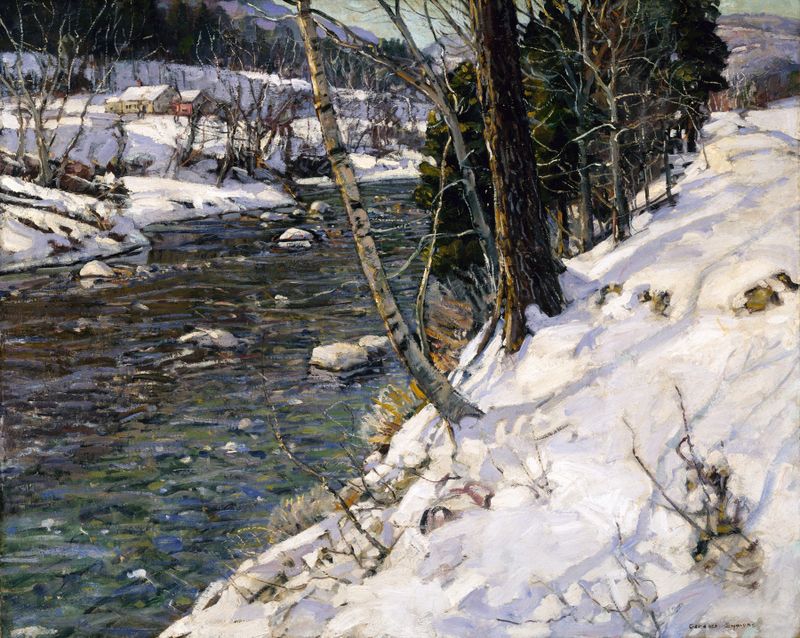
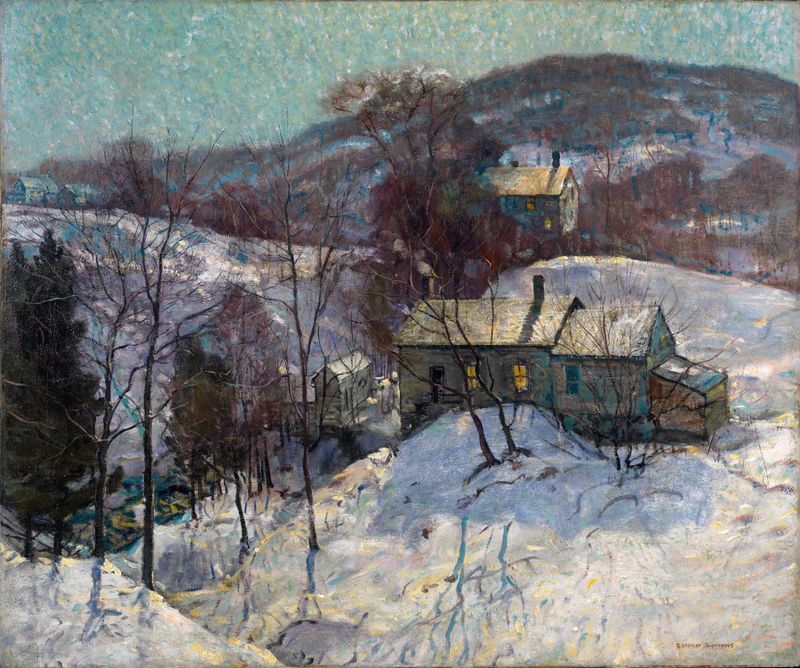
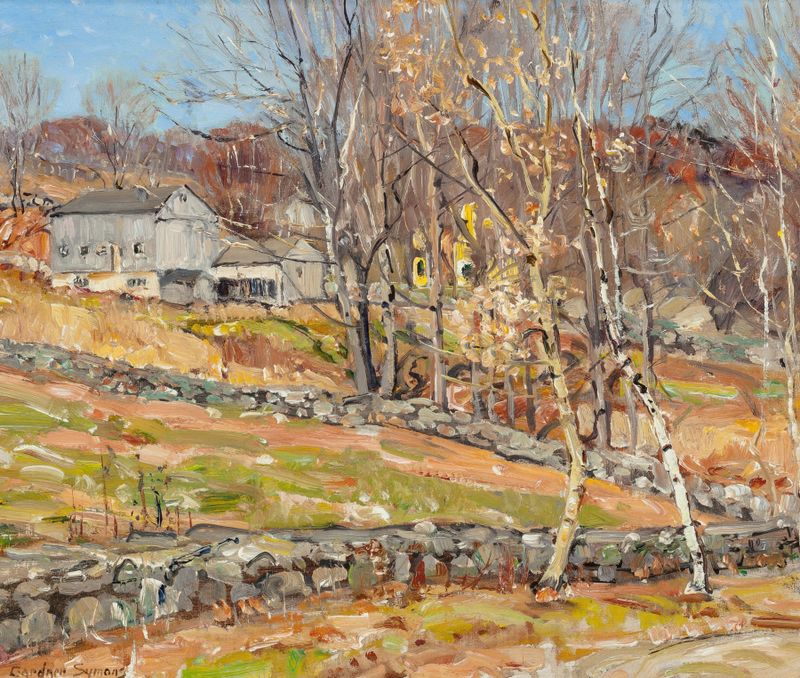
In the quiet moments of solitude, creation breathes life into the canvas, capturing the essence of a place where industry and nature converge. Focus on the horizon in Evans Landing, where the soft blues of the water meet the muted earth tones of the land. Notice how the rectangles of industrial structures rise against the backdrop, their edges defined yet softened by the brushwork that evokes a sense of movement. The play of light on the water creates shimmering reflections that dance with the gentleness of the scene, inviting your eyes to wander across the surface before settling on the details of the vessels anchored in stillness. Delve deeper into the juxtaposition of nature and human endeavor.
The interplay between the tranquil river and the looming silhouettes of factories speaks to the duality of progress and preservation. Each brushstroke captures not just the physical landscape but also the emotional landscape of a community at work, while the quietude suggests a fleeting pause amidst the clamor of industrialization. It’s a reminder of the harmony that can exist between man and the environment, a fragile balance continuously challenged. George Gardner Symons painted this piece during a time when the industrial revolution was reshaping America.
While the exact date remains unknown, his works typically reflect the late 19th to early 20th centuries, a period marked by rapid urbanization and change. Symons was known for his impressionistic approach, capturing not only the physical realities of locations like Pittsburgh but also the fleeting moments of light and atmosphere that defined the changing times.