Sunny Slopes — History & Facts
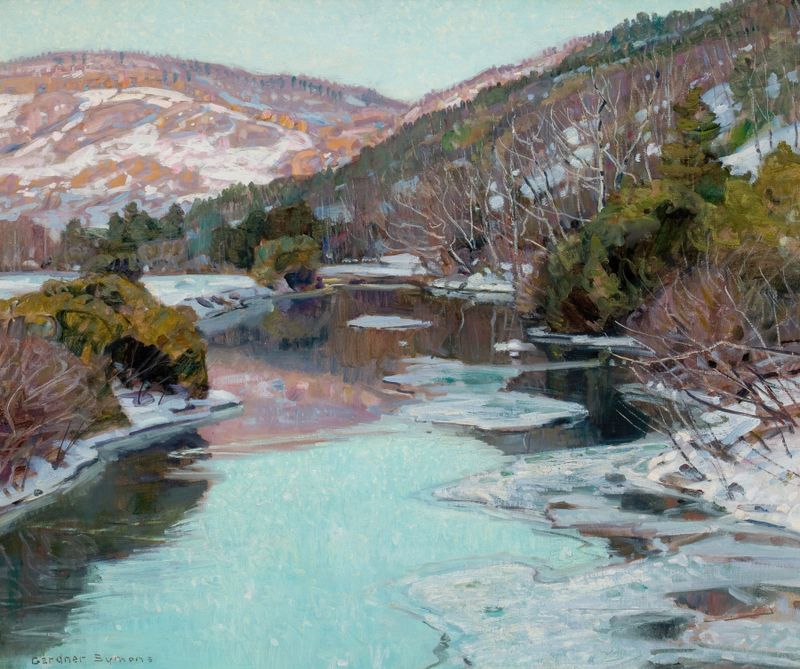
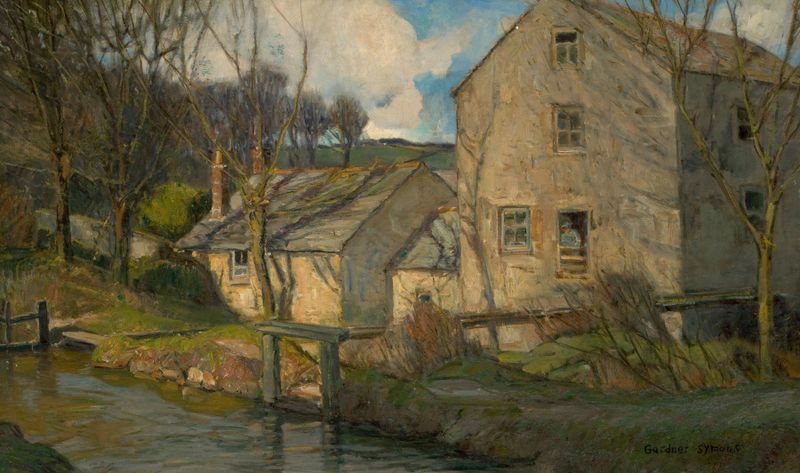
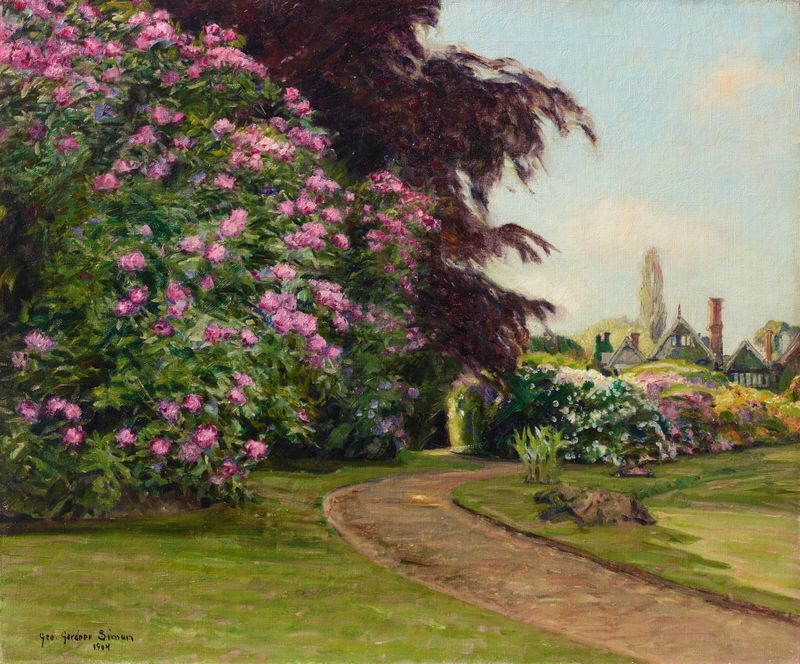
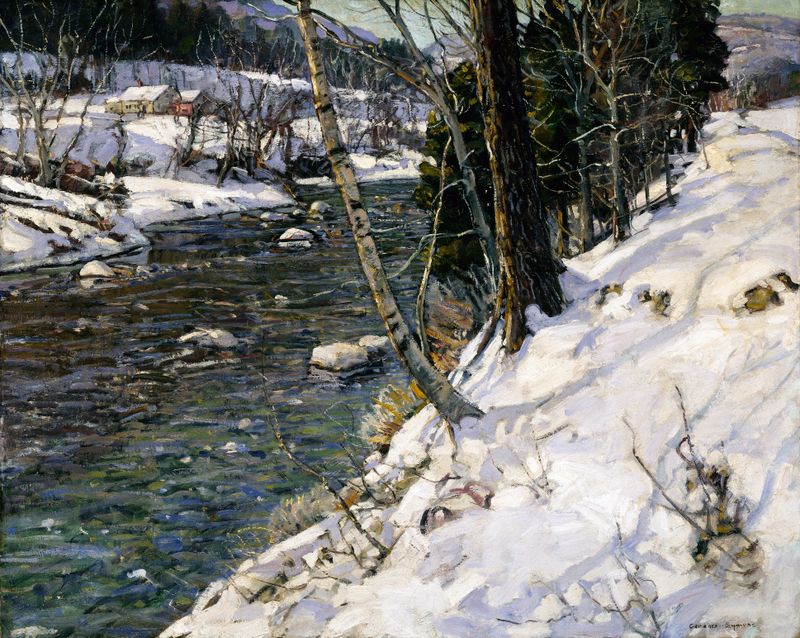
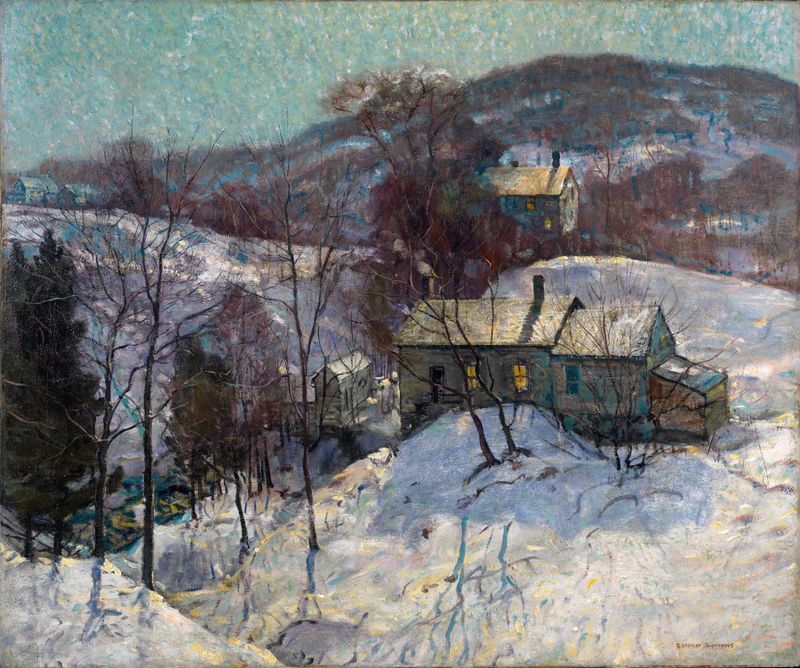
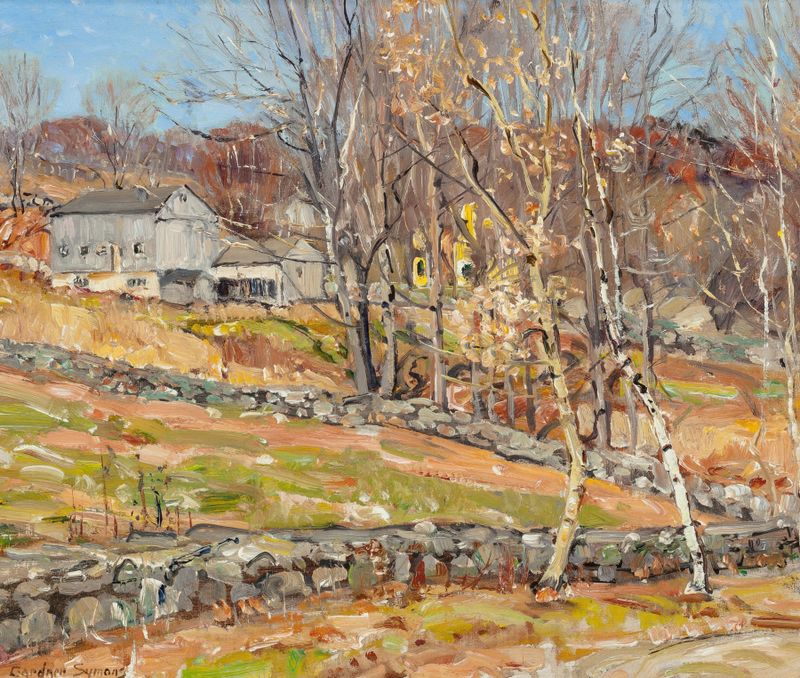
Art reveals the soul when the world turns away. In the embrace of vibrant hues, one finds solace and revelation, a sanctuary created by the artist’s hand. Look to the foreground, where rolling hills bathe in golden sunlight, the grassy slopes alive with a brilliant spectrum of greens and yellows. Focus on the way the dappled light dances across the landscape, illuminating the textures of foliage and the subtle variations of color.
Each stroke not only defines shapes but also conjures an atmosphere of warmth and tranquility, inviting viewers to step into this serene moment. Beneath the surface, a deeper narrative unfolds. The juxtaposition of light and shadow suggests the interplay of optimism and melancholy, a reminder of fleeting joy amidst life’s permanence. The vibrant palette speaks to nature’s vitality, yet there’s a quiet solitude in the expanse, encouraging reflection on one’s place within it.
These contrasts evoke a balance, a dialogue between the exuberance of life and the stillness that often accompanies it. George Gardner Symons painted during a time of great artistic exploration in America. Working in the late 19th century, he was part of the Impressionist movement, experimenting with light and color in natural settings. This era was marked by a shift from traditional techniques towards capturing the ephemeral beauty of the outdoor landscape, which influenced Symons profoundly, both personally and artistically.