
Evening — History & Facts
Can beauty exist without sorrow? In the delicate twilight captured in Evening, the answer lingers in the shadows. Look to the left, where an elongated silhouette of trees stretches against the fading light. Notice how the soft, warm hues of orange and purple blend harmoniously, evoking a serene end to the day. The brushwork, fluid yet structured, leads the eye toward a horizon whispering of both closure and possibility.
The gentle transition of color creates a rich, atmospheric depth, while the subtle textures invite a tactile sensation that enhances the emotional weight of the scene. Peering deeper, one can sense the underlying tension between the tranquil landscape and the encroaching darkness. The contrast between the vibrant sky and the deepening shadows serves as a poignant reminder of life's fleeting nature. Here, the artist captures the impermanence of beauty, inviting reflection on the bittersweet essence of twilight — a moment rife with both calm and melancholy.
The solitary trees stand as sentinels of time, hinting at the stories held within their quiet forms. In 1895, Auguste Louis Lepère worked in France, a period marked by the rise of Impressionism and a growing fascination with the interplay between light and shadow. This artwork emerged as he explored the transition from day to night, embodying both the optimism of a new era and the nostalgia of fading day. The use of color and form in this piece resonates with the broader artistic movements of his time, reflecting the complex relationship between nature, light, and human emotion.
More Artworks by Auguste Louis Lepère
Browse all →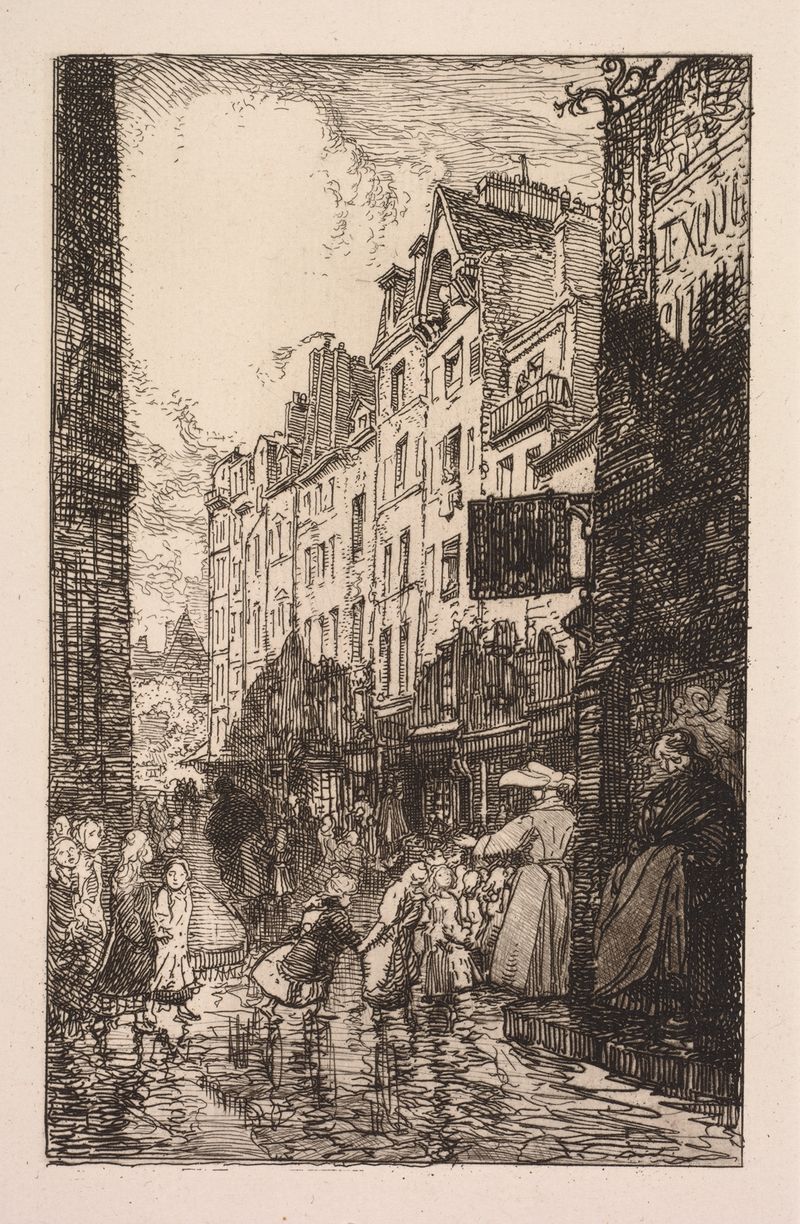
La Rue des Prêtres Saint-Séverin
Auguste Louis Lepère
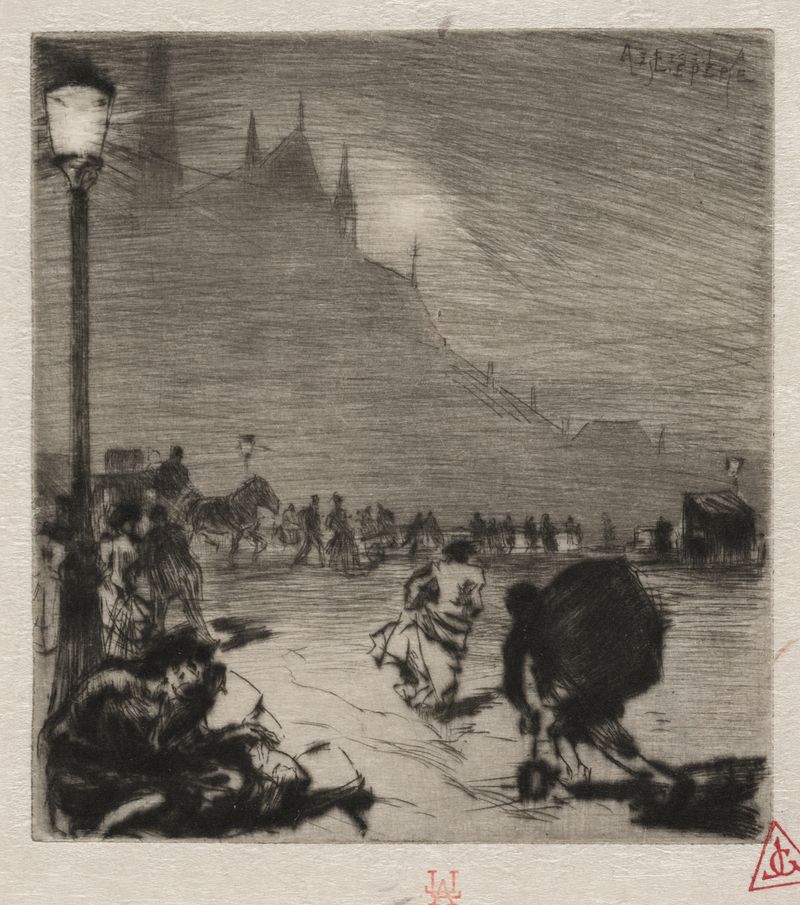
Au Coin du Pont-aux-Doubles
Auguste Louis Lepère
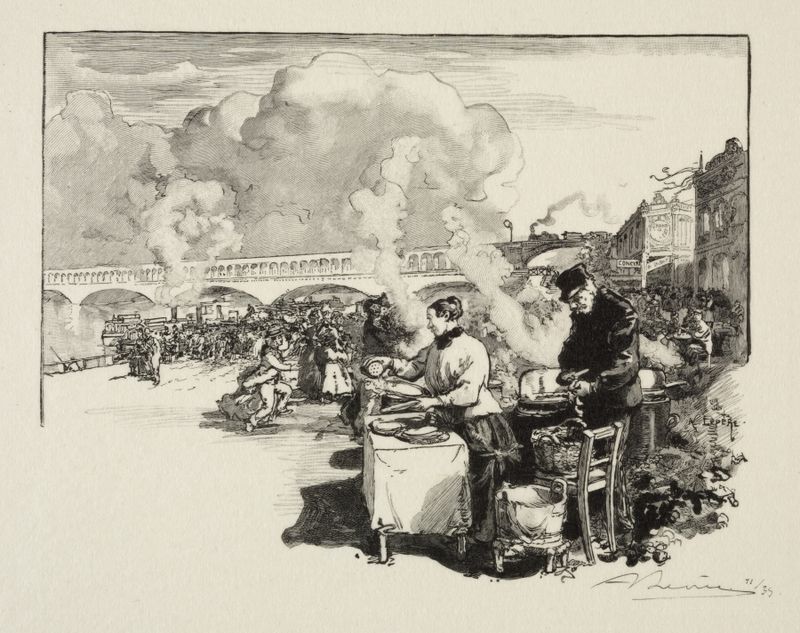
Debarcadère des bateaux-omnibus
Auguste Louis Lepère

La Seine, au quai de la Rapée
Auguste Louis Lepère
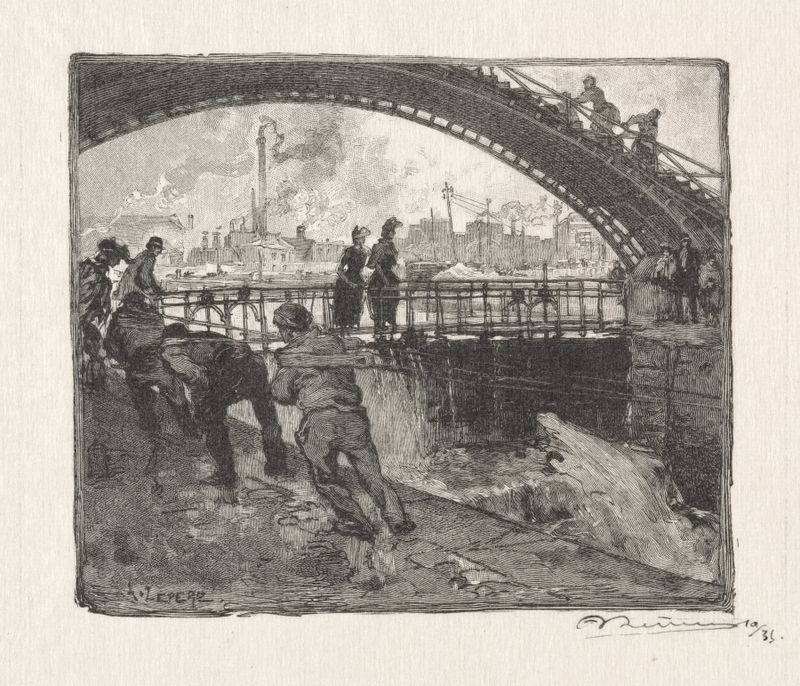
L’Ecluse du Canal St. Martin
Auguste Louis Lepère

Le Boulevard Montmartre, le Soir
Auguste Louis Lepère

Une Chasse au Mont Gérard
Auguste Louis Lepère
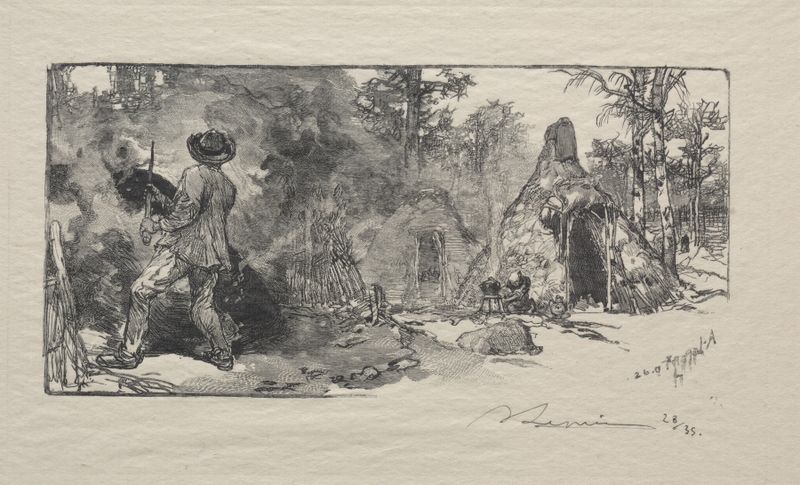
Les Charbonniere
Auguste Louis Lepère
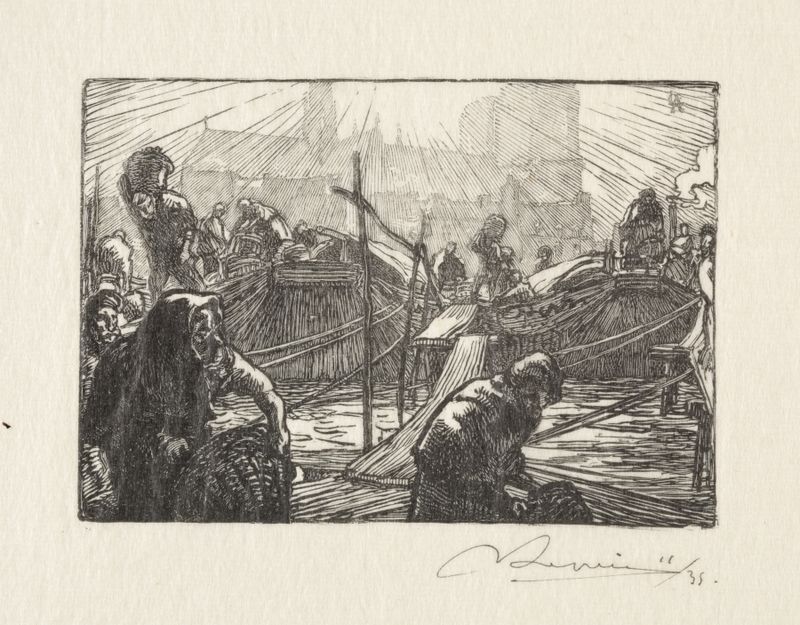
Notre Dame vue du Marché aux pommes
Auguste Louis Lepère

Le Palais des Arts Liberaux, Intèrieur
Auguste Louis Lepère





