
Evening at the Lock, Napanoch, New York — History & Facts
Did the painter know this moment would outlive them? The brushstrokes illuminate a fleeting tranquility, a reminder that beauty can exist amid the relentless passage of time. Look to the left at the tranquil waters reflecting the soft hues of the setting sun, blending tones of pink and gold. The gentle ripples dance across the surface, disturbed only by the hint of a passing breeze. Notice how the light gracefully filters through the trees, casting elongated shadows that embrace the shore.
Robinson’s skillful use of color and texture creates a serene atmosphere, inviting the viewer to pause and immerse themselves in the moment captured on canvas. Beneath the tranquil exterior lies a tension between permanence and transience. The faded silhouettes of the trees suggest a cycle of life and seasons, while the vibrant colors evoke warmth and nostalgia. The lock itself, a man-made structure, contrasts the natural beauty, hinting at humanity's attempts to control nature.
Here, in this delicate balance, lies a profound meditation on the relationship between time, nature, and our fleeting experiences. In 1893, the artist found himself in Napanoch, New York, during a period of artistic transition. The Impressionist movement was gaining momentum, inviting artists to explore light and color in new ways. Robinson, influenced by his time in France and the American landscape, sought to synthesize these experiences in his work, capturing the essence of a moment that still resonates with viewers today.
More Artworks by Theodore Robinson
Browse all →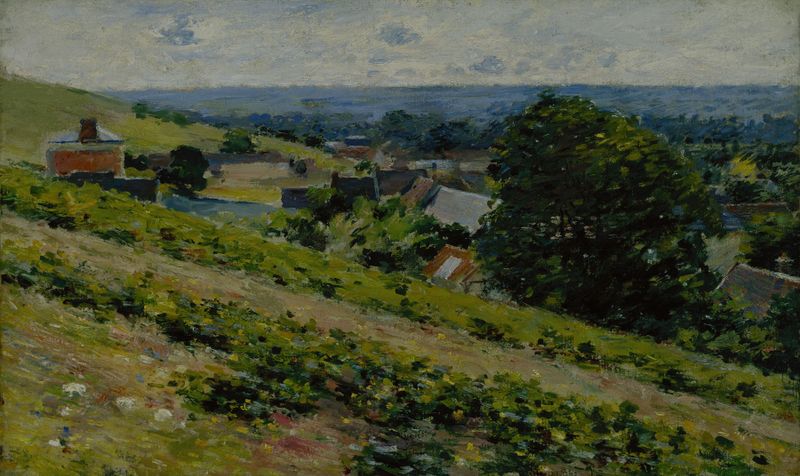
From the Hill, Giverny
Theodore Robinson

Giverny
Theodore Robinson

Old Church At Giverny
Theodore Robinson
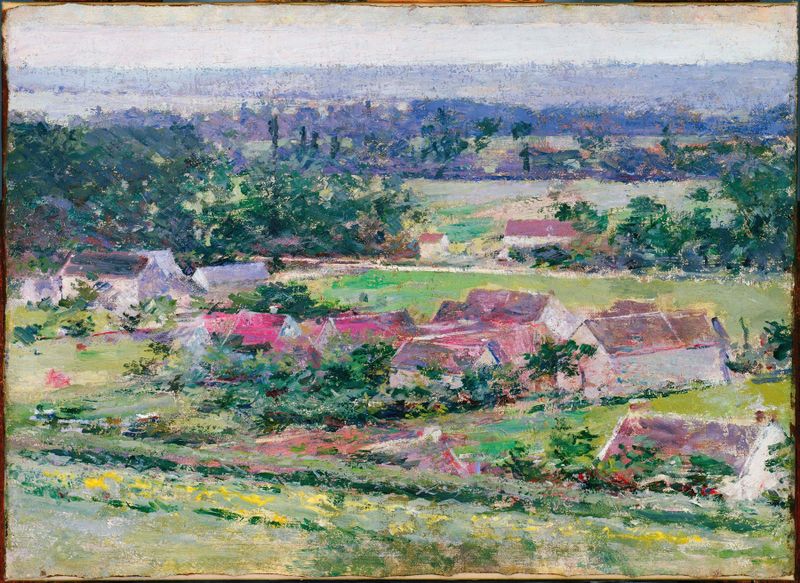
Giverny
Theodore Robinson
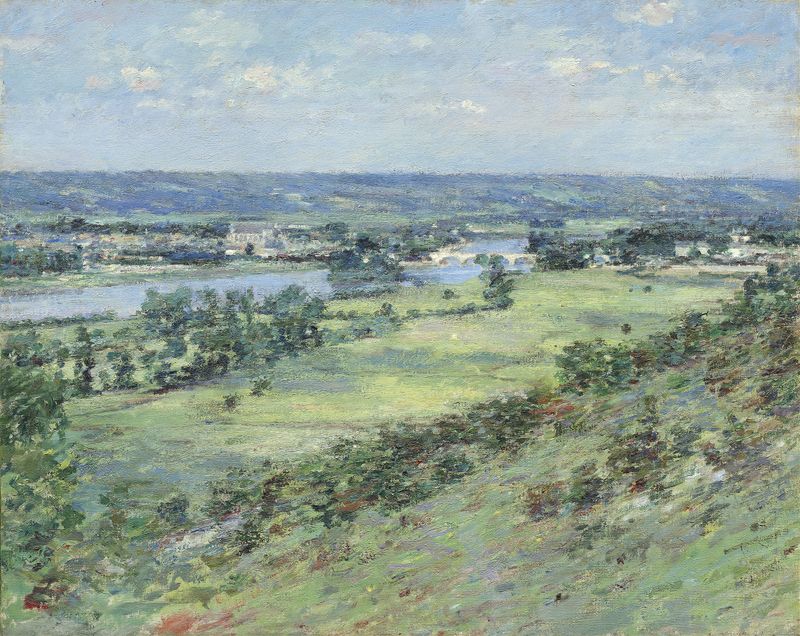
The Valley of the Seine,from the Hills of Giverny
Theodore Robinson
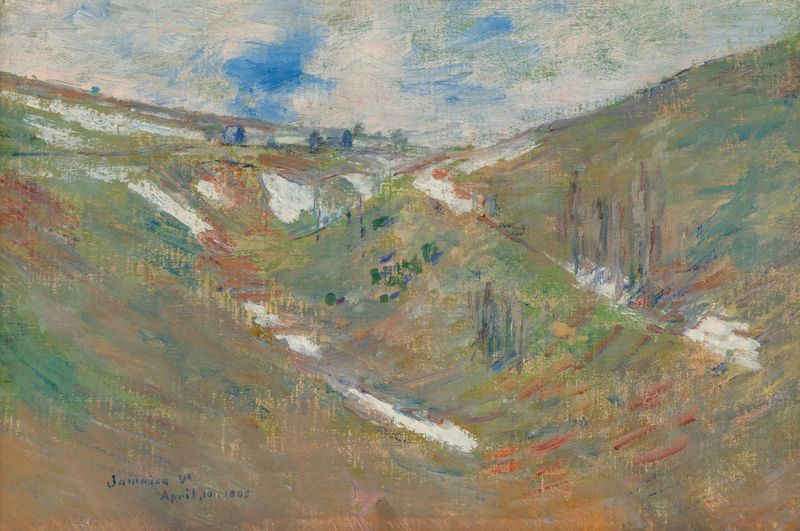
Jamaica, Vermont
Theodore Robinson
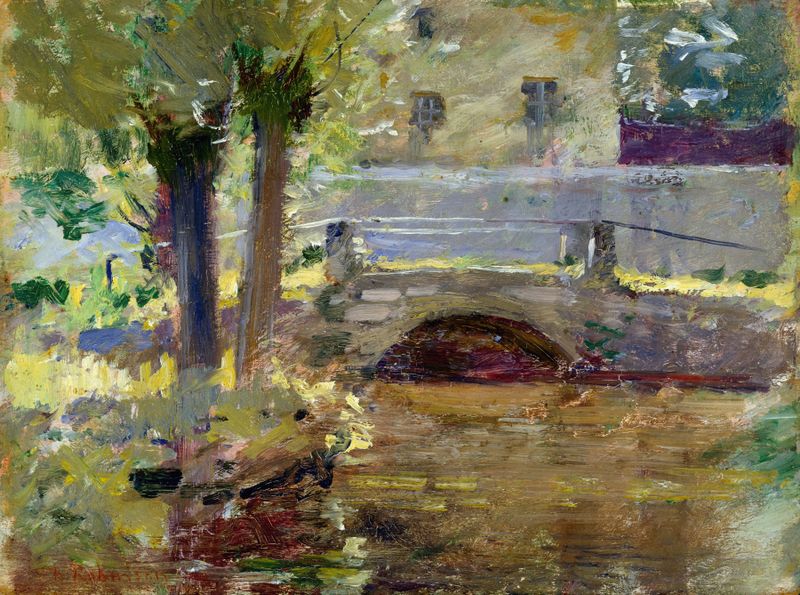
The Bridge at Giverny
Theodore Robinson

House In Virginia
Theodore Robinson
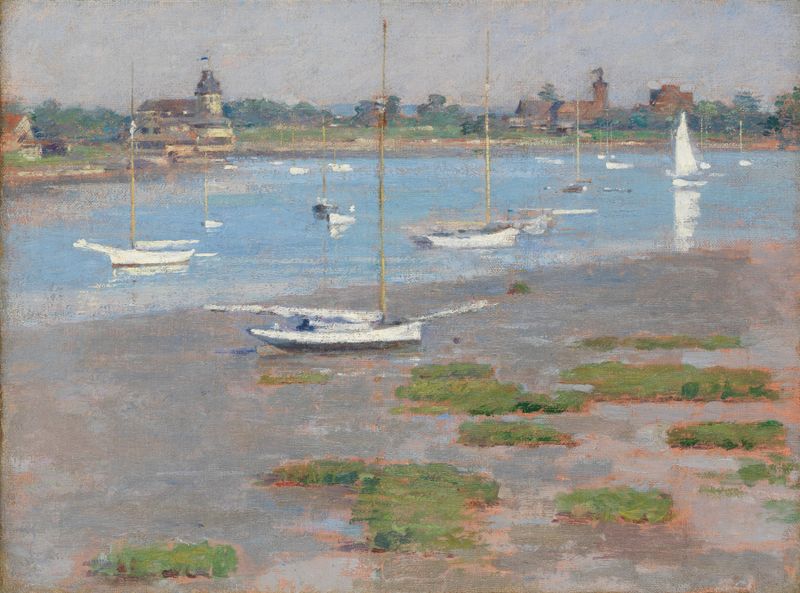
Low Tide, Riverside Yacht Club
Theodore Robinson
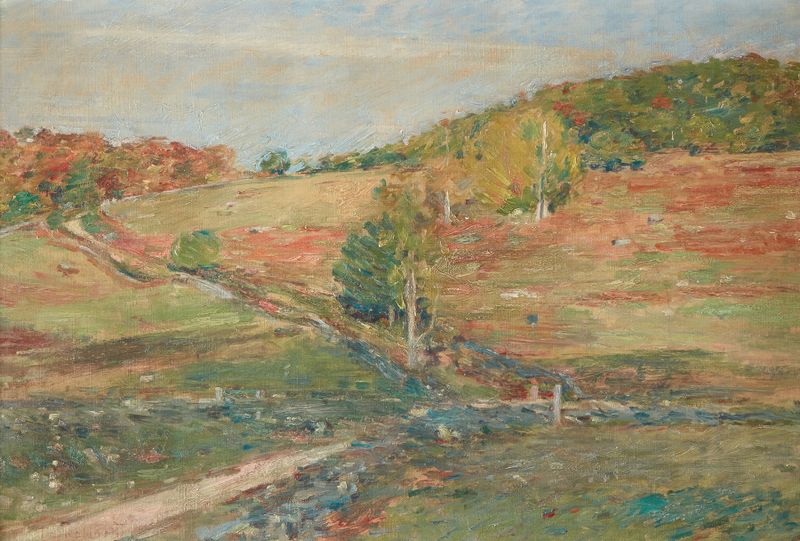
Vermont Hillside
Theodore Robinson





