
Jamaica, Vermont — History & Facts
Where does light end, and longing begin? In Jamaica, Vermont, innocence dances with the soft embrace of nature, inviting the viewer into a realm where time is both fleeting and eternal. Look to the left, where a gentle light cascades through the trees, illuminating the delicate hues of green and gold. The towering foliage, bathed in dappled sunlight, draws your gaze toward the winding path that beckons through the tranquil landscape. Notice how the painter’s brush captures the softness of the summer air, while the subtle contrasts in color breathe life into each blade of grass and leaf, creating a vivid sense of place and serenity. Delve deeper, and you will find a juxtaposition: the tranquil beauty of the scene masks an undercurrent of wistfulness.
Each brushstroke reveals a longing for simpler times, a nostalgia for the untainted joys of youth, as if the trees themselves hold secrets of innocence lost. The gentle slope of the hill, coupled with the inviting warmth of the sunlight, evokes a harmony that is both soothing and poignant, a reminder of the fleeting moments that shape our existence. In 1895, Theodore Robinson painted Jamaica, Vermont during a transformative period in American art, as Impressionism began to take root on the shores of the United States. Living in the quiet embrace of nature, he was influenced by his contemporaries and his own experiences, yearning to capture the ephemeral beauty of the world around him.
This work reflects his personal journey, a blend of artistic exploration and the longing for connection with both nature and self.
More Artworks by Theodore Robinson
Browse all →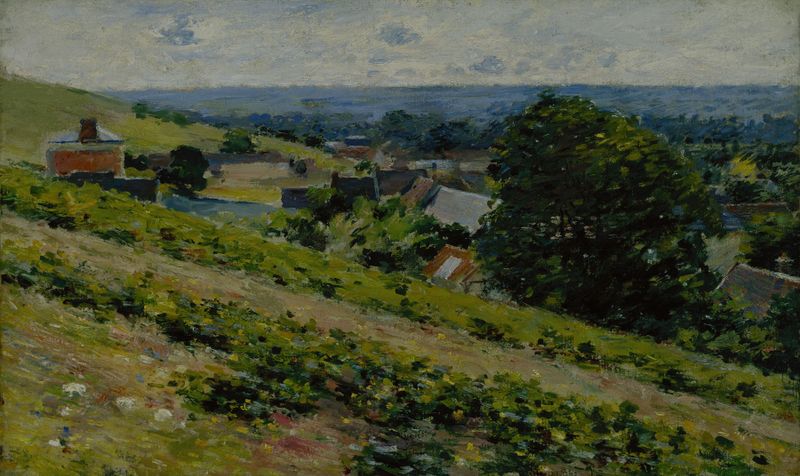
From the Hill, Giverny
Theodore Robinson

Giverny
Theodore Robinson

Old Church At Giverny
Theodore Robinson
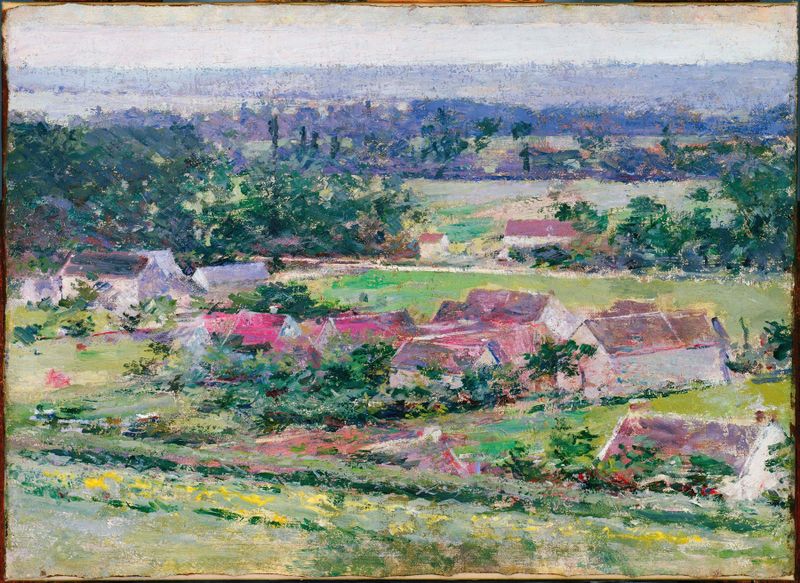
Giverny
Theodore Robinson
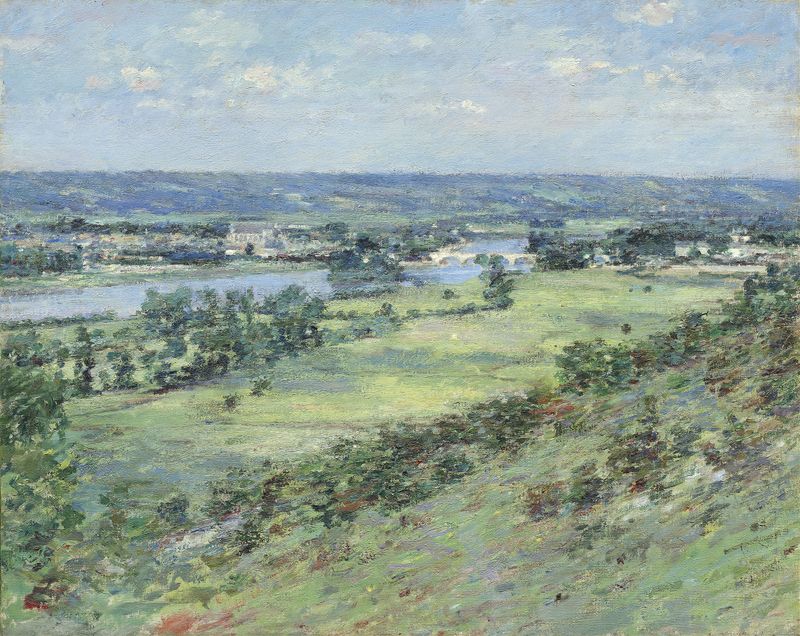
The Valley of the Seine,from the Hills of Giverny
Theodore Robinson
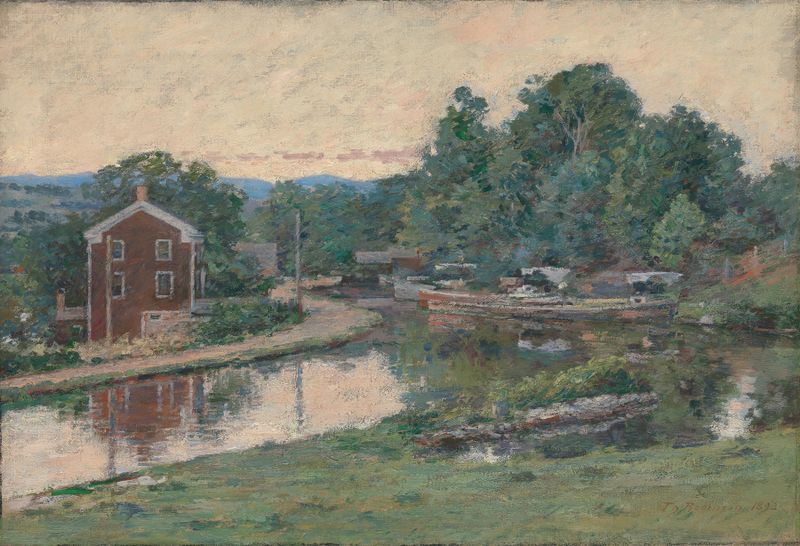
Evening at the Lock, Napanoch, New York
Theodore Robinson
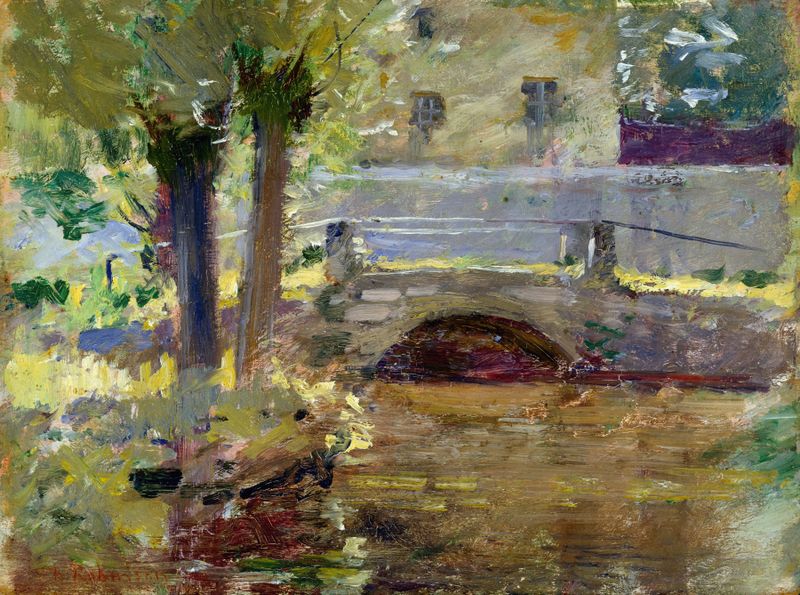
The Bridge at Giverny
Theodore Robinson

House In Virginia
Theodore Robinson
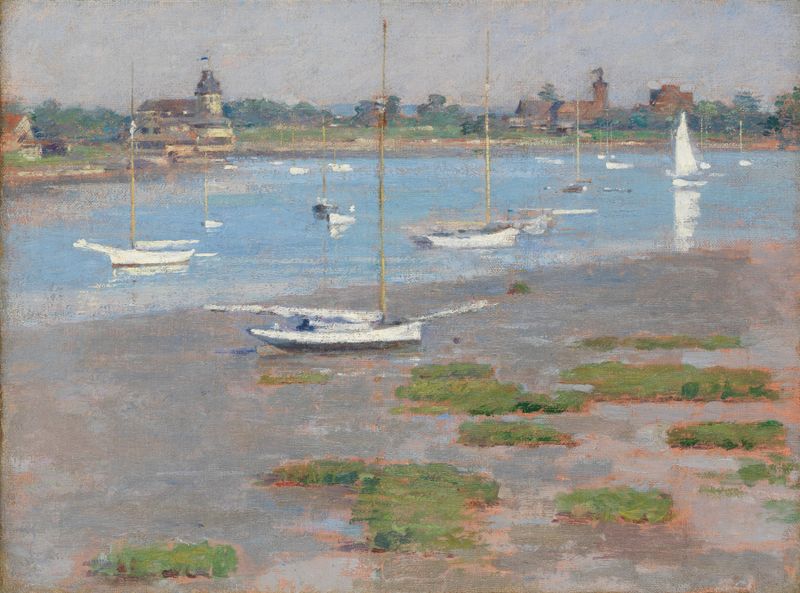
Low Tide, Riverside Yacht Club
Theodore Robinson
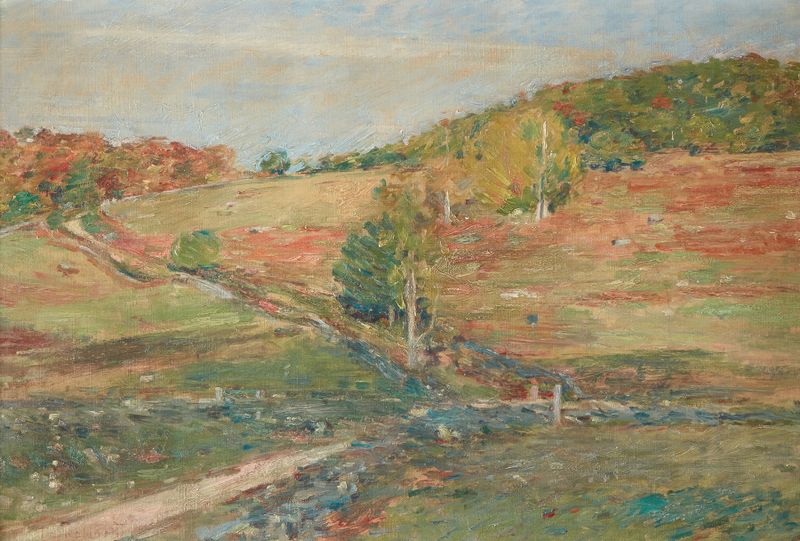
Vermont Hillside
Theodore Robinson





