
From the Hill, Giverny — History & Facts
Did the painter know this moment would outlive them? In From the Hill, Giverny, a fleeting revelation of light and color captures the essence of a tranquil afternoon, inviting us into a world where nature breathes and time stands still. Look to the left at the sweeping expanse of lush greenery, where dappled sunlight dances across the canvas, illuminating the rolling hills. The brushstrokes are loose yet deliberate, creating a vibrant tapestry that conveys both the serenity and the vibrancy of the French countryside. The palette—a harmonious blend of earthy greens and soft blues—draws the eye toward the distant horizon, where the sky meets the land in a soft embrace, suggesting a dreamlike quality. Yet, amidst the beauty, there's a subtle tension.
The juxtaposition of the calmness in the foreground against the hints of movement in the background evokes a sense of longing. The delicate play of light not only reveals the spiritual essence of the landscape but also serves as a reminder of the transitory nature of life itself. Each brushstroke becomes a whisper of revelation, urging the viewer to pause and reflect on the fleeting moments that shape our existence. Robinson painted this piece during his time in Giverny, between 1889 and 1892, a period marked by his deepening connection to Impressionism.
Living in a community of artists, including Monet, he embraced the effects of light and color, striving to convey the ephemeral beauty of nature. This work stands as a key example of his evolving style, encapsulating the turning point in art history where perception became as significant as reality itself.
More Artworks by Theodore Robinson
Browse all →
Giverny
Theodore Robinson

Old Church At Giverny
Theodore Robinson
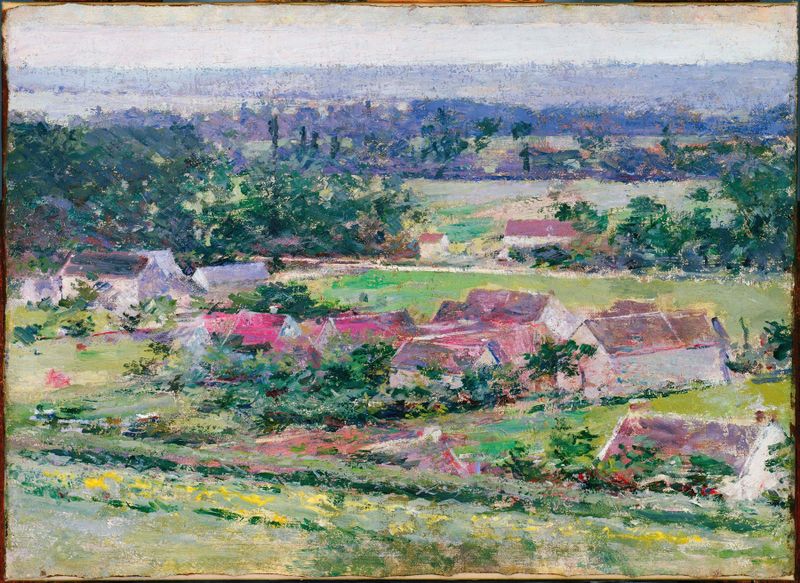
Giverny
Theodore Robinson
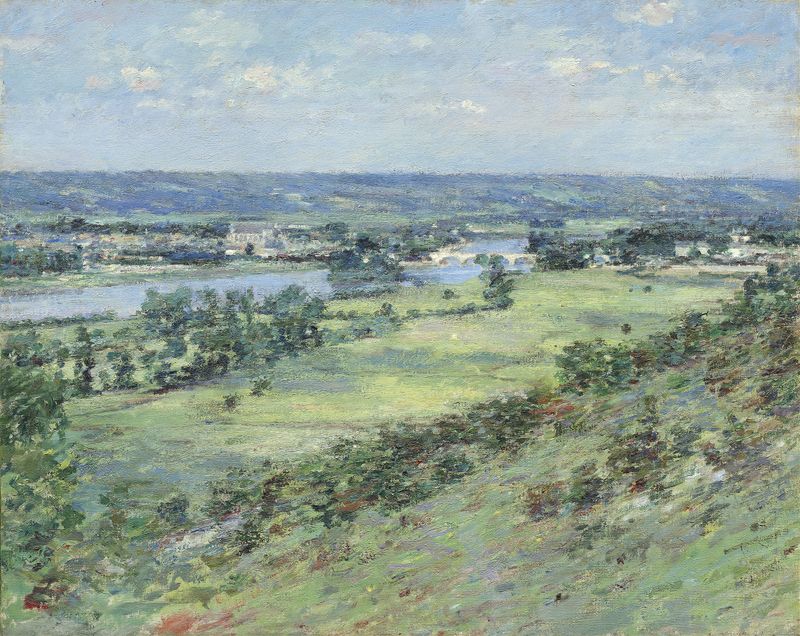
The Valley of the Seine,from the Hills of Giverny
Theodore Robinson
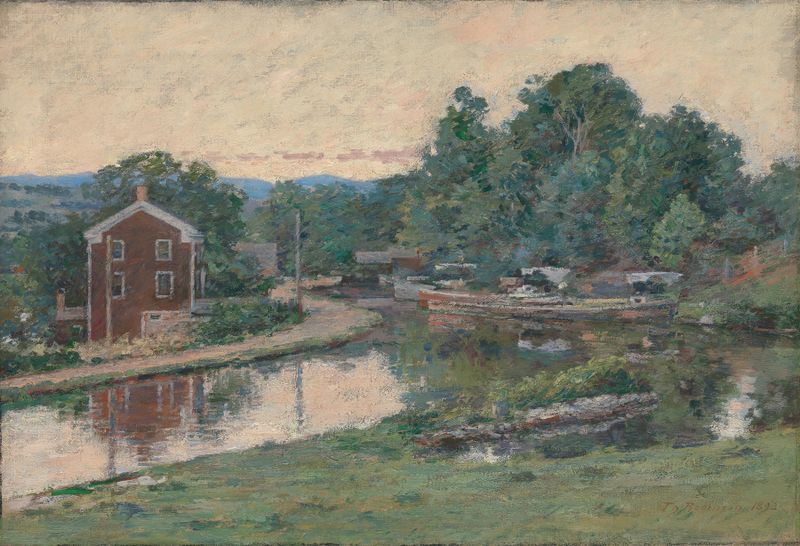
Evening at the Lock, Napanoch, New York
Theodore Robinson
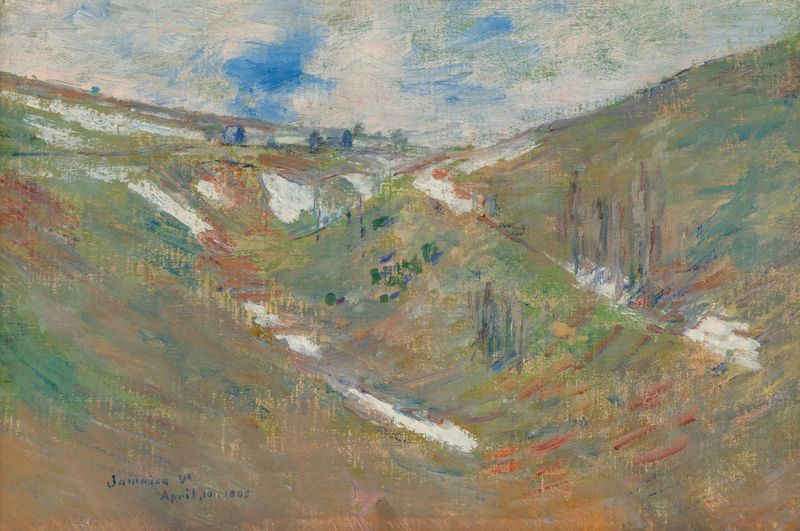
Jamaica, Vermont
Theodore Robinson
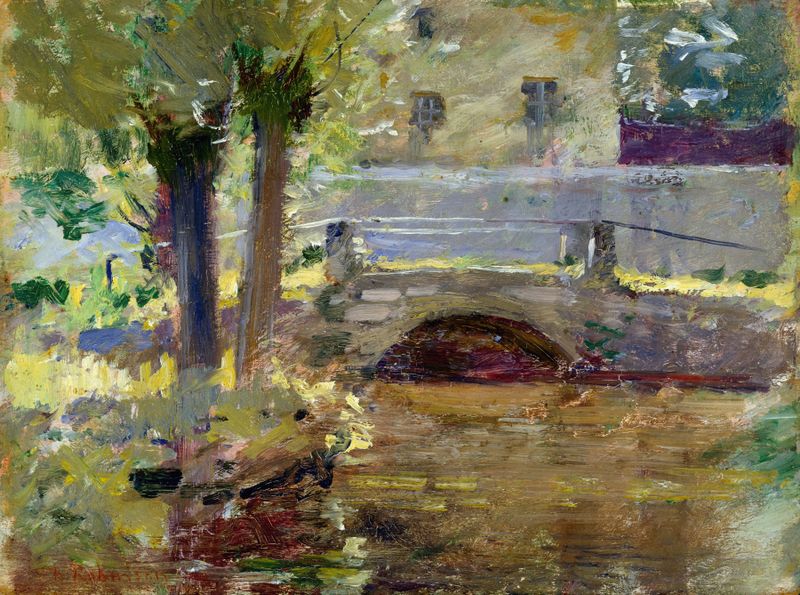
The Bridge at Giverny
Theodore Robinson

House In Virginia
Theodore Robinson
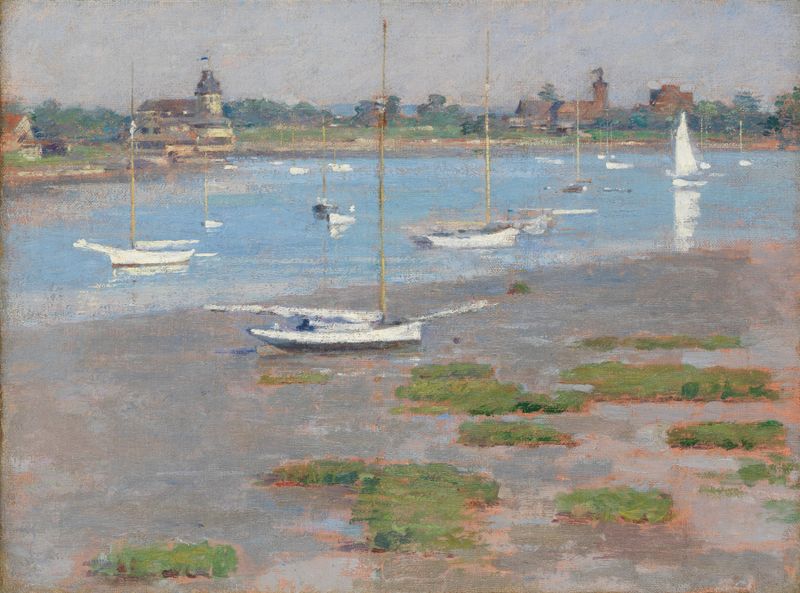
Low Tide, Riverside Yacht Club
Theodore Robinson
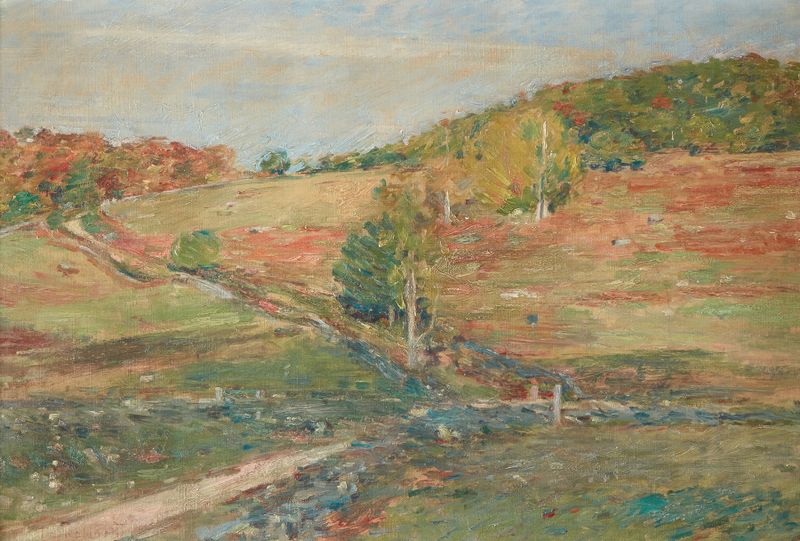
Vermont Hillside
Theodore Robinson





