
The Bridge at Giverny — History & Facts
What if beauty was never meant to be finished? In The Bridge at Giverny, tranquility and an undercurrent of violence coexist, challenging our perceptions of serenity and chaos. Focus first on the bridge, a delicate arch that spans the canvas, inviting you into a world of vibrant greens and blues. Notice how the light dances across the water, shimmering like scattered jewels beneath the lush canopy. The bold, expressive brushstrokes convey a sense of movement, suggesting that nature is alive, perhaps even restless, in its beauty.
The warm bursts of color intermingling with cooler tones create a tension, hinting at the complexity of what lies beneath this picturesque scene. As your eyes drift to the surrounding flora, consider the juxtaposition of the soothing landscape against a deeper, darker narrative. The vibrant flowers may symbolize fleeting joy, while the shadowy greens evoke an unsettling sense of foreboding. This duality invites viewers to reflect on the time's natural beauty and the turmoil brewing just out of sight—an echo of the artist's struggles with his own artistic identity and the influences of Impressionism. In 1891, Theodore Robinson painted this piece in Giverny, where he was deeply influenced by the Impressionist movement and the surrounding landscape.
At this time, he was grappling with his place within a rapidly evolving art scene and sought to capture both the idyllic beauty of nature and the complexities of human emotion within it. The era's shift toward capturing the ephemeral moments of life would lay the foundation for how beauty was perceived in art.
More Artworks by Theodore Robinson
Browse all →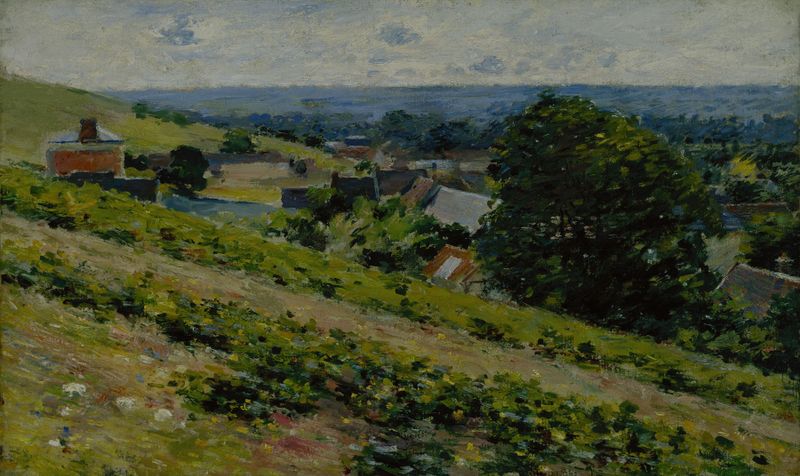
From the Hill, Giverny
Theodore Robinson

Giverny
Theodore Robinson

Old Church At Giverny
Theodore Robinson
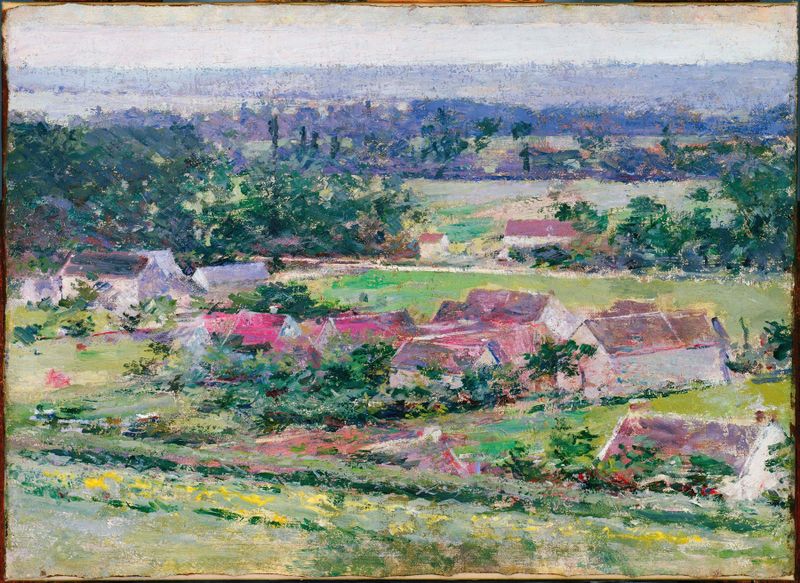
Giverny
Theodore Robinson
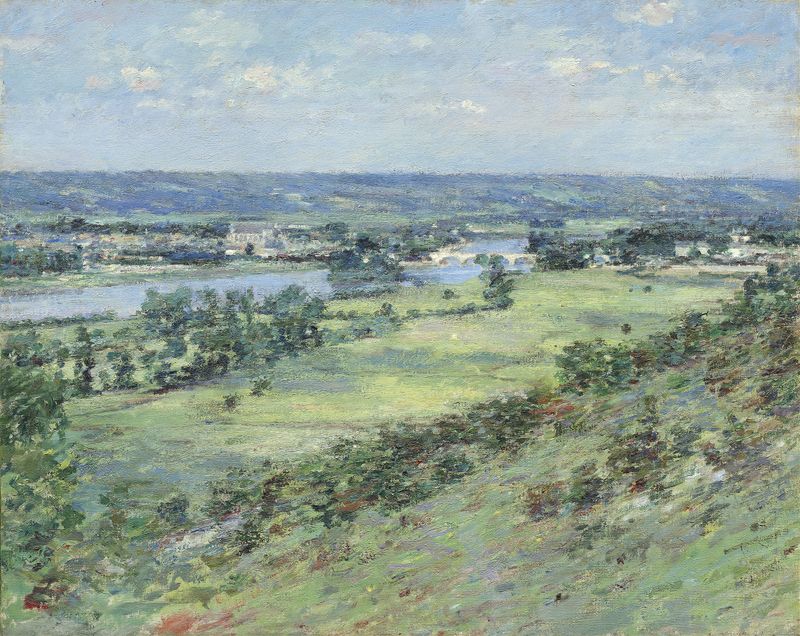
The Valley of the Seine,from the Hills of Giverny
Theodore Robinson
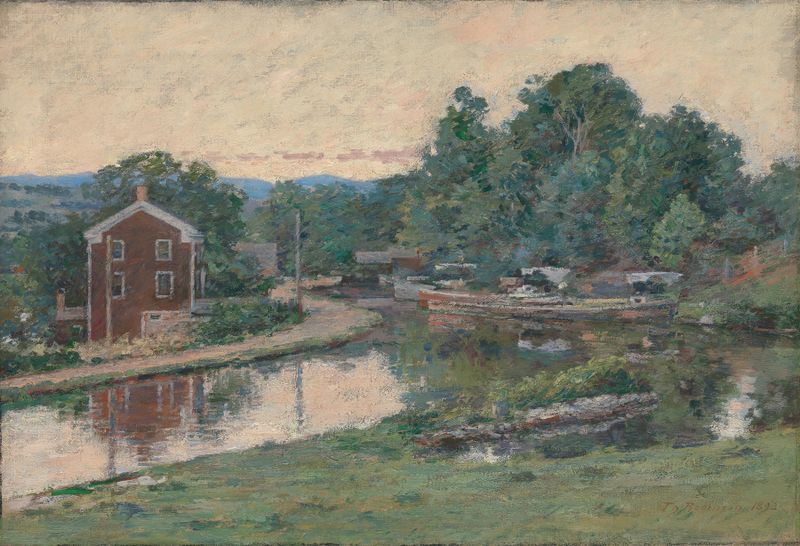
Evening at the Lock, Napanoch, New York
Theodore Robinson
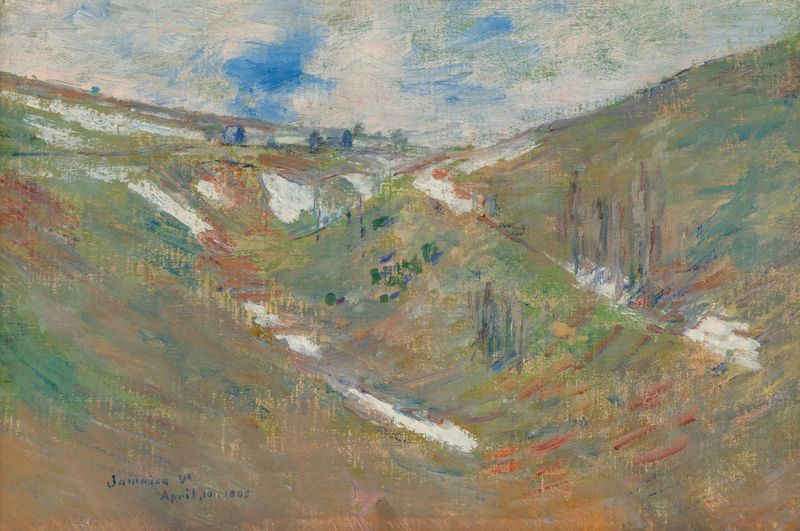
Jamaica, Vermont
Theodore Robinson

House In Virginia
Theodore Robinson
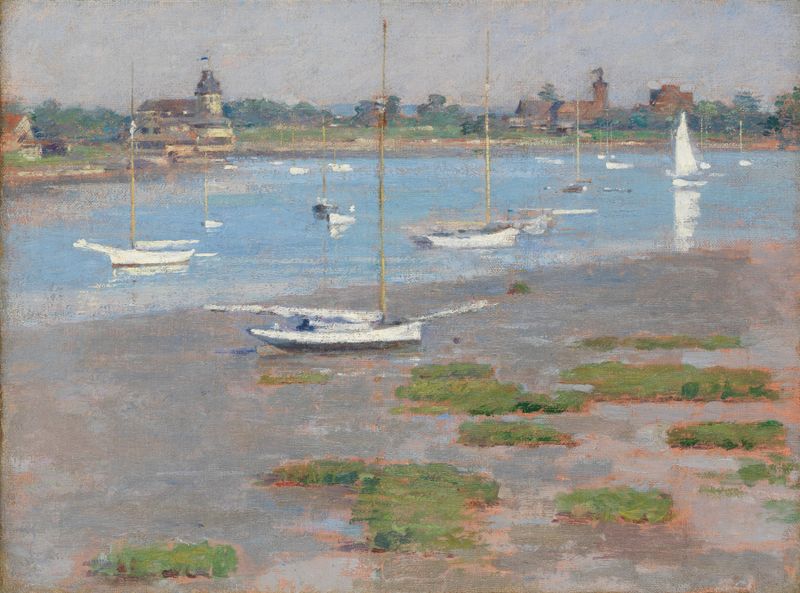
Low Tide, Riverside Yacht Club
Theodore Robinson
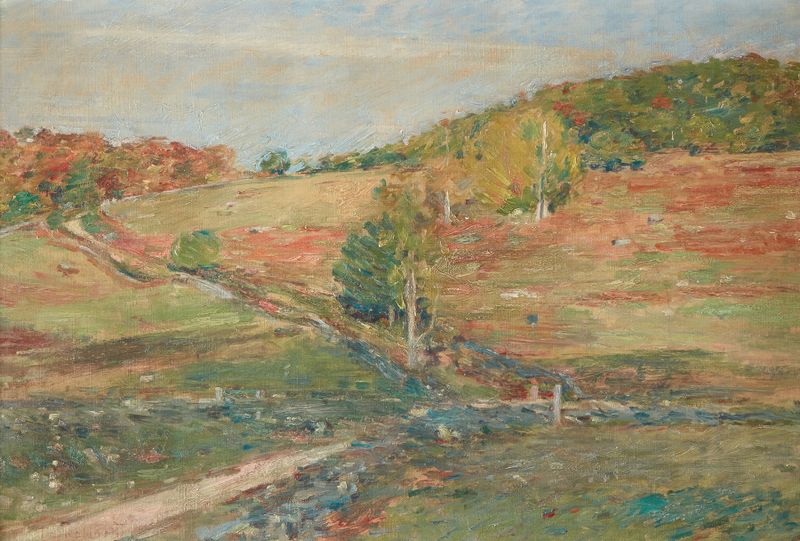
Vermont Hillside
Theodore Robinson





