
Sonnenuntergang am Oberrhein — History & Facts
Who listens when art speaks of silence? In the stillness of dusk, Sonnenuntergang am Oberrhein invites viewers to pause, reflecting on the tranquil beauty of nature as it unfolds in warm hues of twilight. Look to the horizon where soft oranges and deep purples blend seamlessly, illuminating the undulating hills that cradle the river below. The painter’s deft brushwork creates a gentle rhythm, allowing the light to breathe through the landscape while guiding your gaze toward the water's surface, which mirrors the sky's delicate dance. It’s a serene moment captured at the cusp of night, the composition inviting a sense of peace and contemplation. Beneath the surface, the painting embodies a profound emotional tension between day and night.
The fading light symbolizes the passage of time and the inevitable embrace of darkness, while the vibrant colors suggest a lingering vitality that refuses to be extinguished. The stillness of the scene evokes a deep sense of introspection, challenging viewers to ponder what exists in the silence that follows a vibrant day, and what creation lies in the quiet moments of life. Hans Thoma created this work in 1916, during a tumultuous period in Europe marked by the First World War. Living in Germany, he found solace in nature, drawing inspiration from his surroundings.
As modern art movements began to shift perceptions, Thoma's style remained rooted in a romantic appreciation of the natural world, reflecting a longing for peace amidst chaos.
More Artworks by Hans Thoma
Browse all →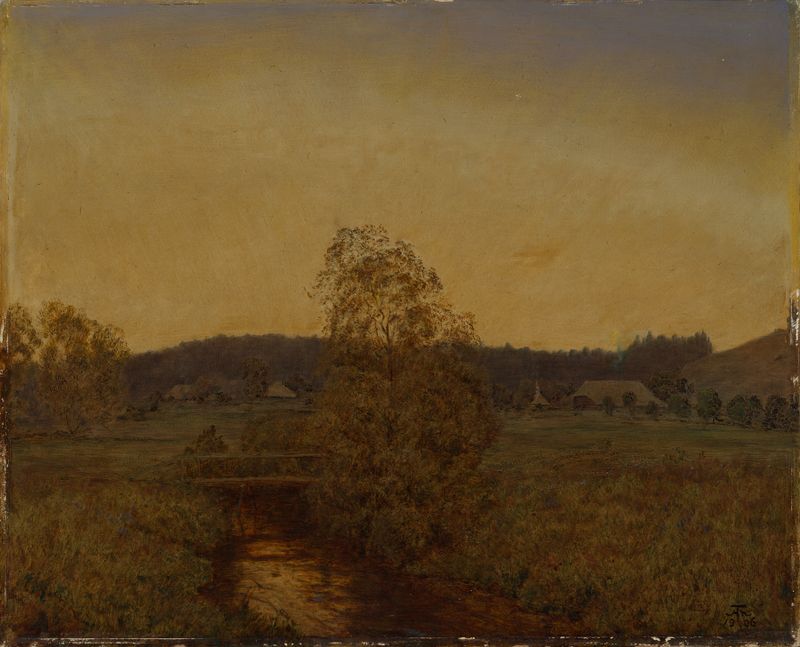
Der Abendstern
Hans Thoma
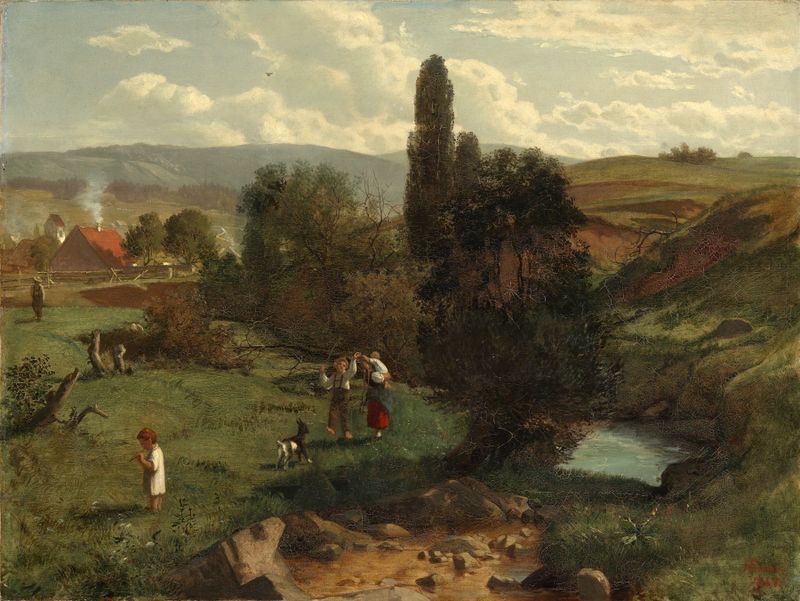
Schwarzwaldlandschaft
Hans Thoma
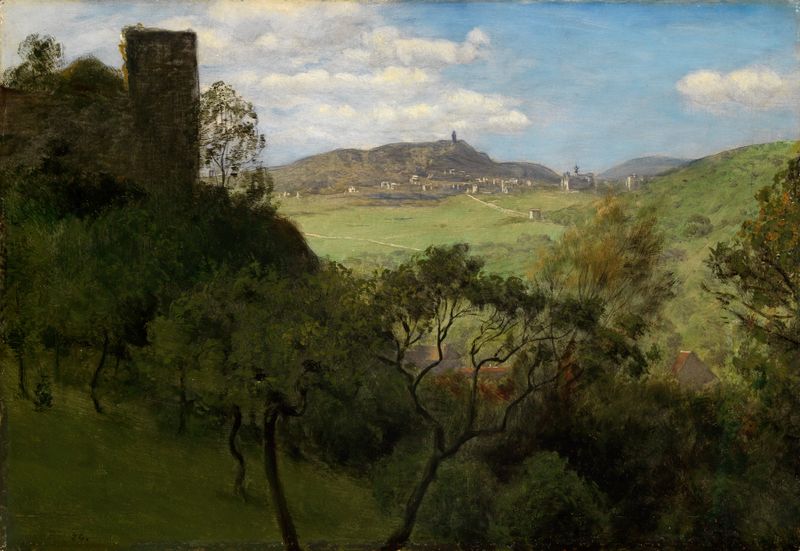
Blick auf Falkenstein im Taunus
Hans Thoma
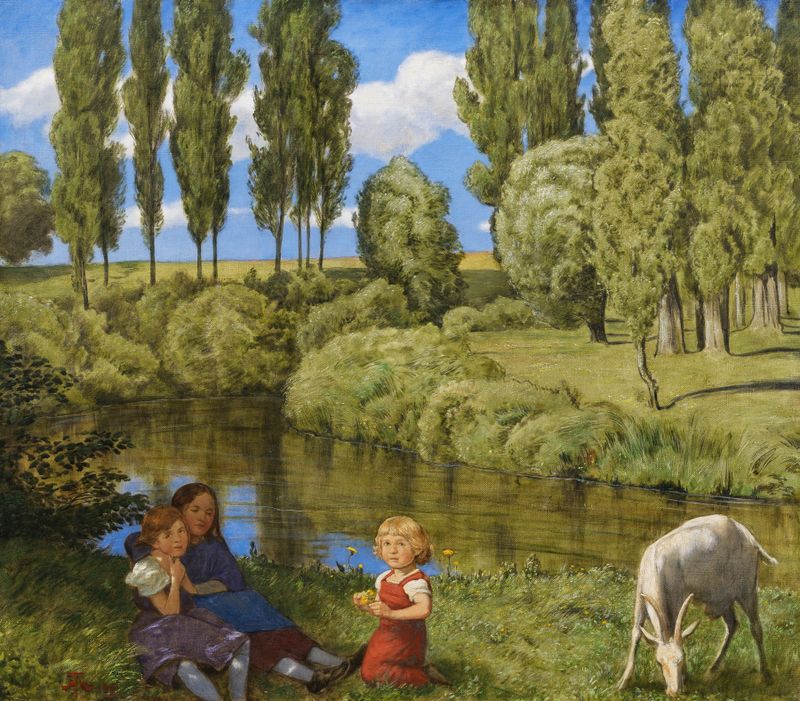
Am Stillen Bach
Hans Thoma
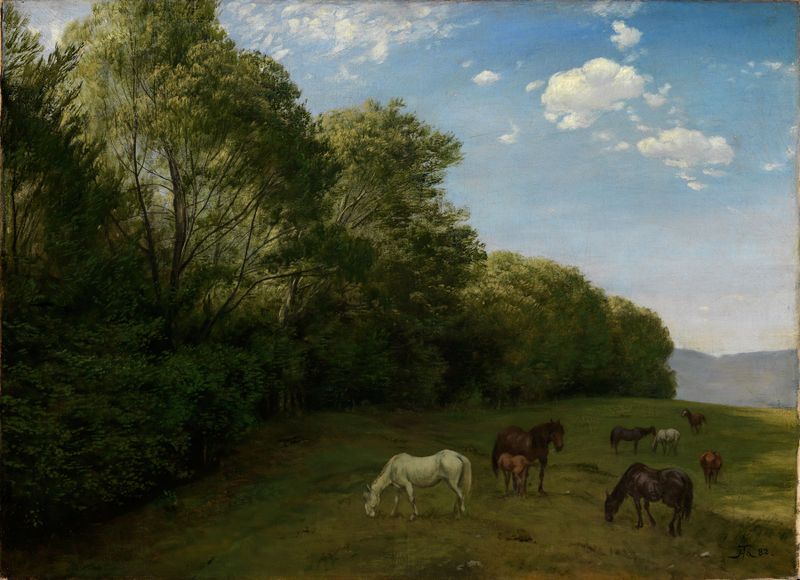
Landschaft mit weidenden Pferden
Hans Thoma
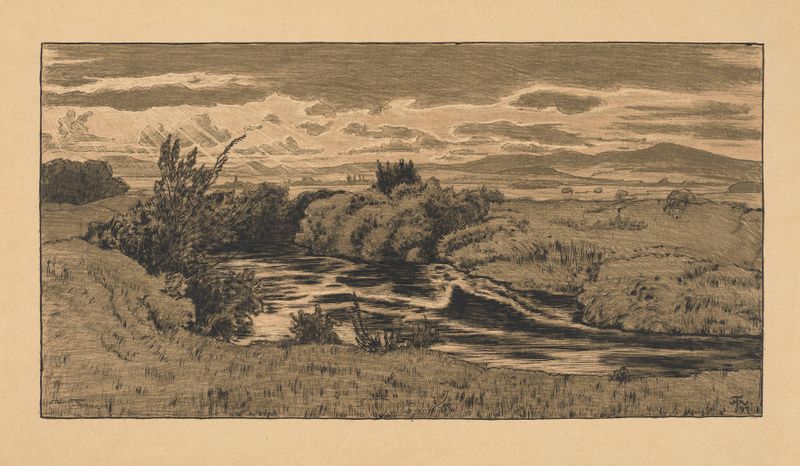
Evening by the Nidda River
Hans Thoma
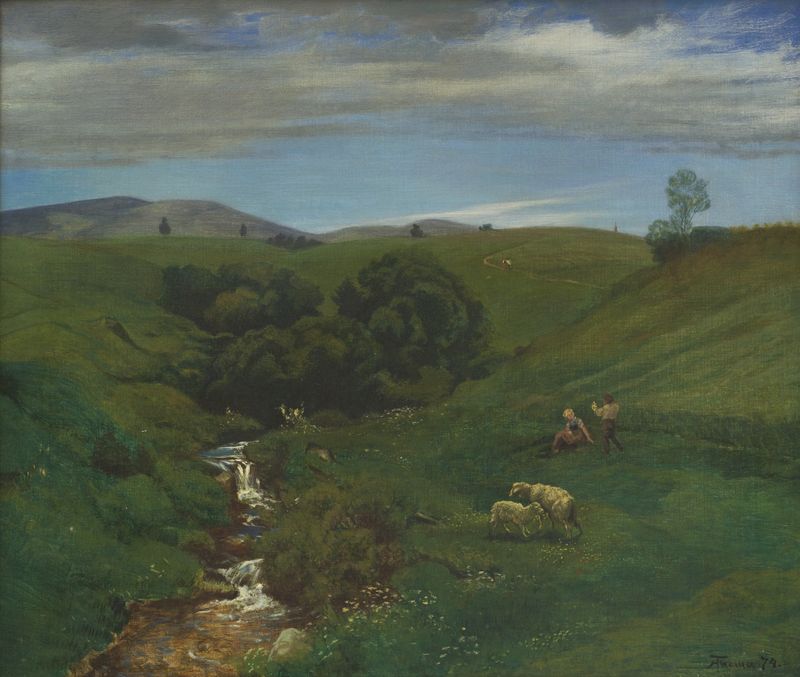
Black Forest Meadow near Bernau
Hans Thoma
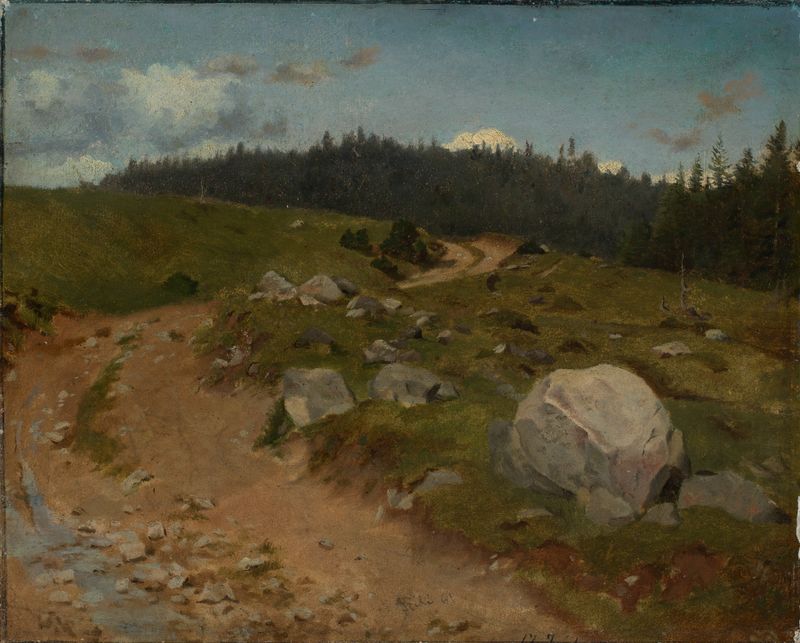
Steiniger Weg am Waldrand
Hans Thoma
Regen im Schwarzwald
Hans Thoma
Schwarzwaldbach
Hans Thoma





