
Steiniger Weg am Waldrand — History & Facts
Is this a mirror — or a memory? In a world where nature and spirit intertwine, faith emerges as a subtle undercurrent, whispering through the verdant tapestry of existence. Look to the left at the textured bark of an ancient tree, its gnarled limbs extending towards an ethereal sky. The soft, muted greens and browns blend harmoniously, revealing a path winding through the landscape, inviting the viewer to contemplate the journey ahead. Notice how the light dances among the leaves, casting dappled shadows that seem to flicker like thoughts in a restless mind.
Each brushstroke breathes life into the scene, creating an atmosphere that feels both tranquil and charged, as if the air holds secrets waiting to be discovered. Beneath the surface, two contrasting elements emerge: the solid permanence of the trees against the transient nature of light. This interplay symbolizes faith—a steadfast belief in the beauty of both the seen and unseen. As the path meanders, it suggests a journey of introspection, where the viewer is called to connect with their own beliefs and memories, evoking a sense of hope amidst uncertainty.
The gentle curves of the terrain lead the eye towards an unknown horizon, inviting contemplation on the paths we choose in life. Hans Thoma painted Steiniger Weg am Waldrand in 1861 in Germany, during a period marked by a romantic revival in art. During this time, the artist sought to capture the essence of the natural world through a lens of emotion and spirituality. As a prominent figure in the 19th-century art scene, he was deeply influenced by both the beauty of the Black Forest landscapes and the philosophical currents of his time, which emphasized the interconnectedness of humanity and nature.
More Artworks by Hans Thoma
Browse all →
Der Abendstern
Hans Thoma
Schwarzwaldlandschaft
Hans Thoma
Blick auf Falkenstein im Taunus
Hans Thoma
Am Stillen Bach
Hans Thoma
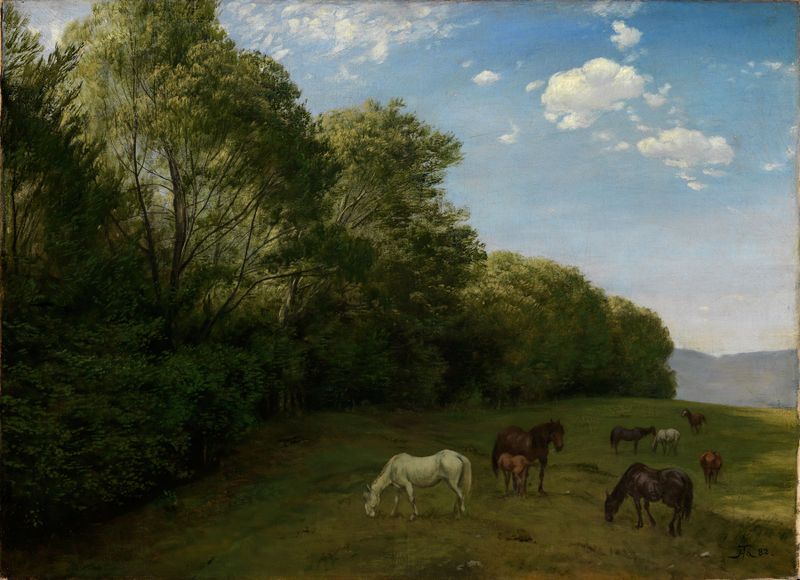
Landschaft mit weidenden Pferden
Hans Thoma
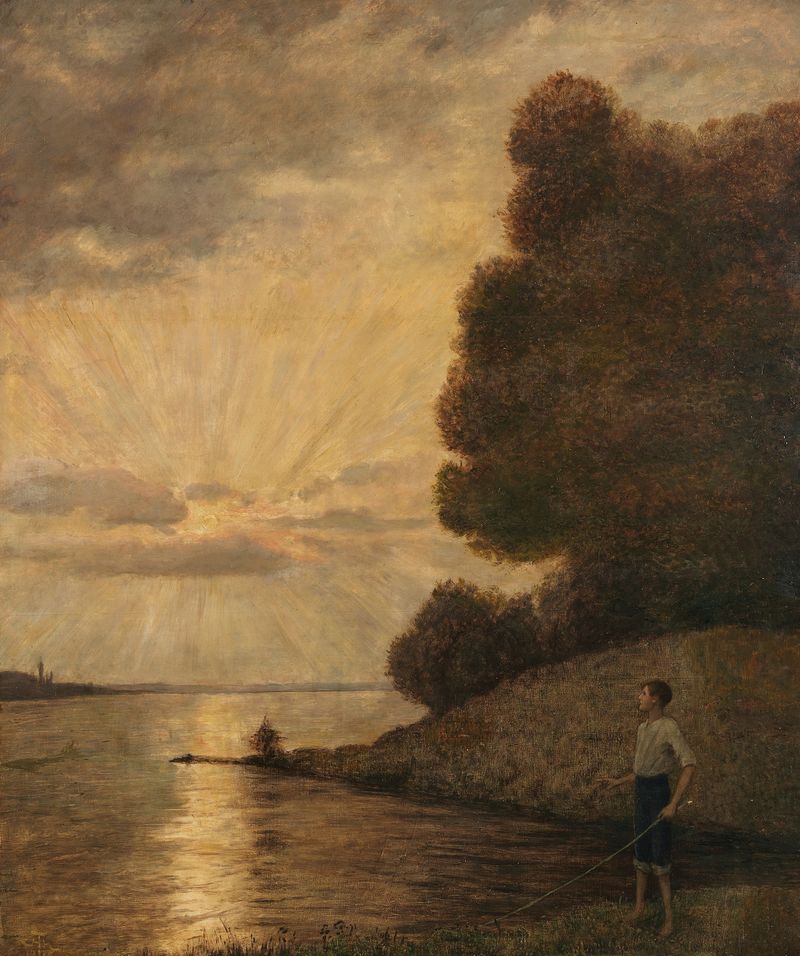
Sonnenuntergang am Oberrhein
Hans Thoma
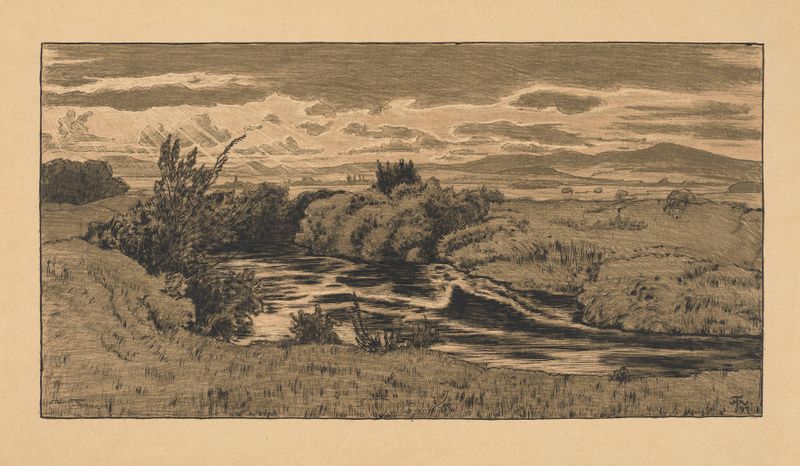
Evening by the Nidda River
Hans Thoma
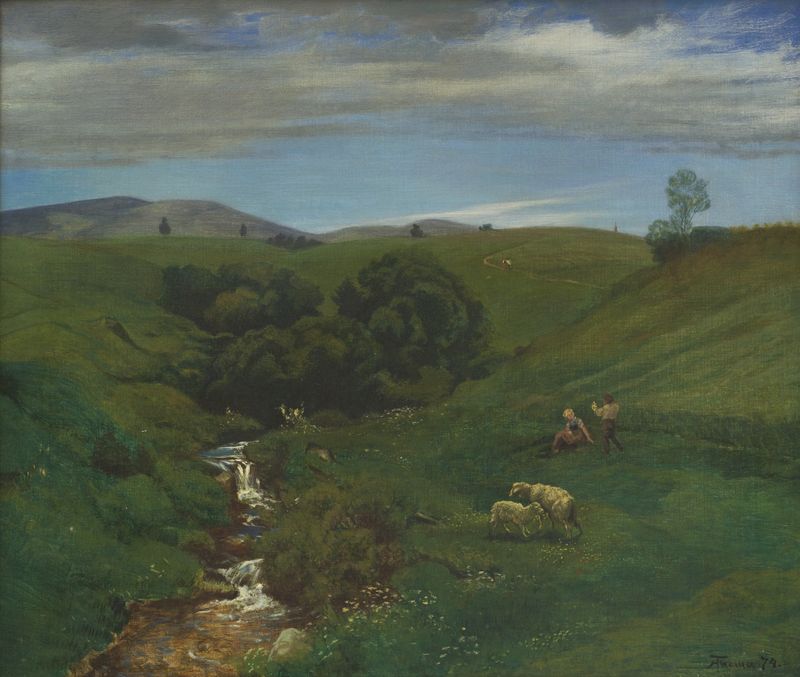
Black Forest Meadow near Bernau
Hans Thoma
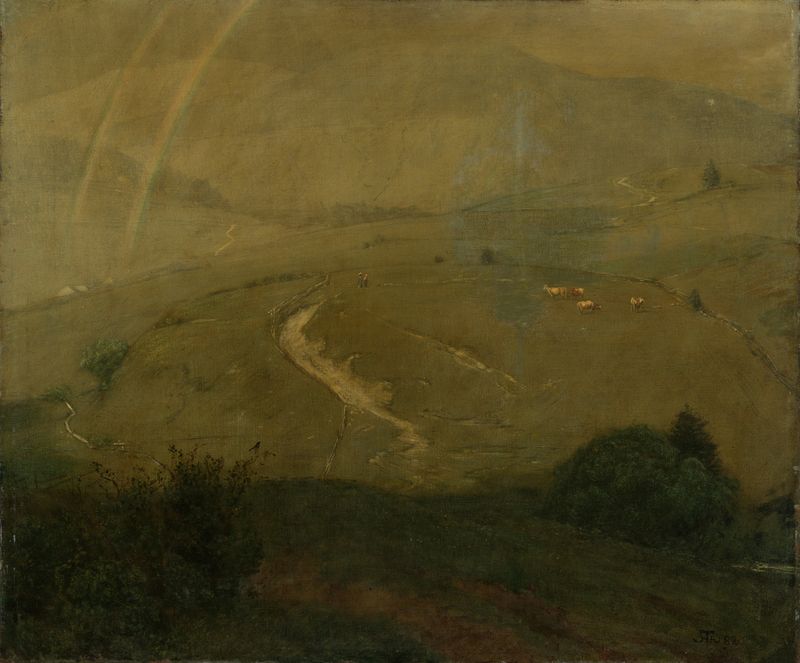
Regen im Schwarzwald
Hans Thoma
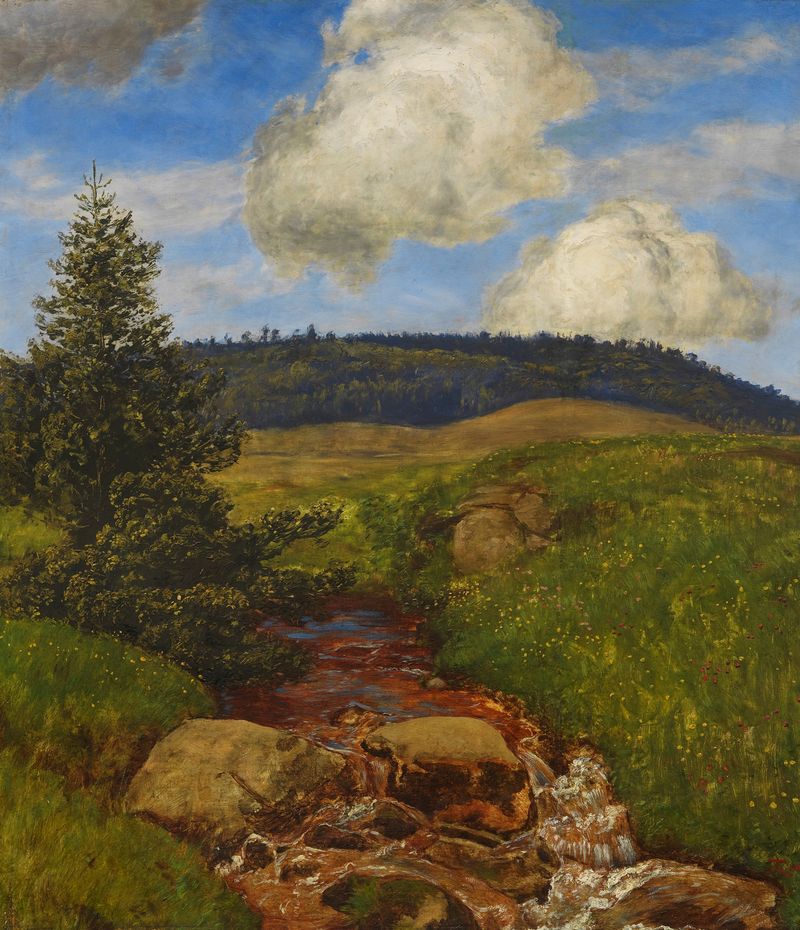
Schwarzwaldbach
Hans Thoma





