
Der Abendstern — History & Facts
What if silence could speak through light? In Der Abendstern, the gentle glow of twilight illuminates a serene moment, where the world lingers in quiet anticipation, poised between day and night. Focus on the center of the canvas, where a radiant star begins to emerge against a deepening sky. The soft, ethereal colors blend seamlessly from golden yellows to rich indigos, creating a sense of harmony and peace. Notice how the light gently caresses the landscape, casting elongated shadows that hint at the presence of unseen figures, and inviting the viewer to explore the layers of emotion hidden within the brushstrokes. Within this tranquil scene lies a tension between the fading day and the promise of night, symbolizing both an ending and a beginning.
The star, an emblem of guidance, serves as a beacon of hope, awakening the spirit to the possibilities that lie ahead. Small details, like the subtle variations in the foliage and the fleeting glimmers of light, evoke a sense of stillness, suggesting the deep reverence for the natural world that resonates throughout the piece. Hans Thoma painted Der Abendstern in 1906, during a period when he was deeply influenced by the Symbolist movement. Living in Germany amidst a growing appreciation for the mystical in art, Thoma sought to connect viewers with deeper emotional experiences.
His exploration of light and color during this time exemplified his desire to transcend mere representation, inviting contemplation and awakening the viewer's imagination.
More Artworks by Hans Thoma
Browse all →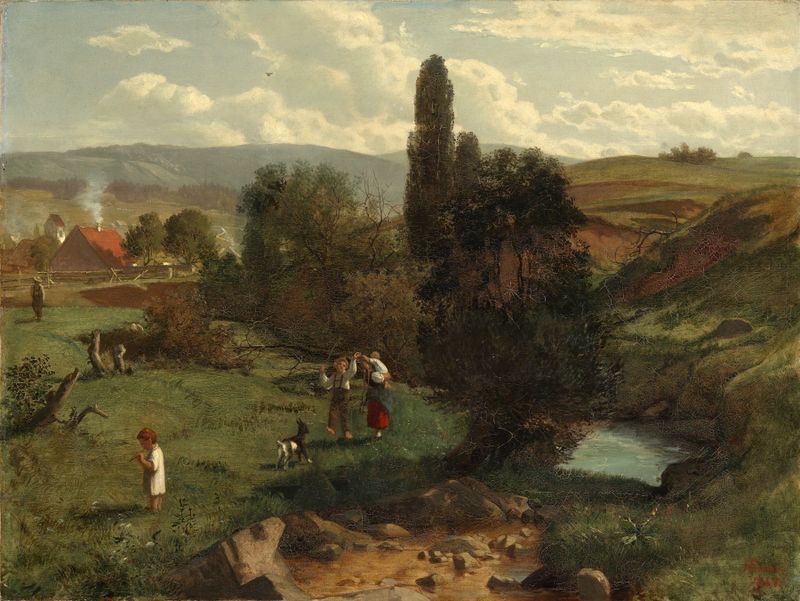
Schwarzwaldlandschaft
Hans Thoma
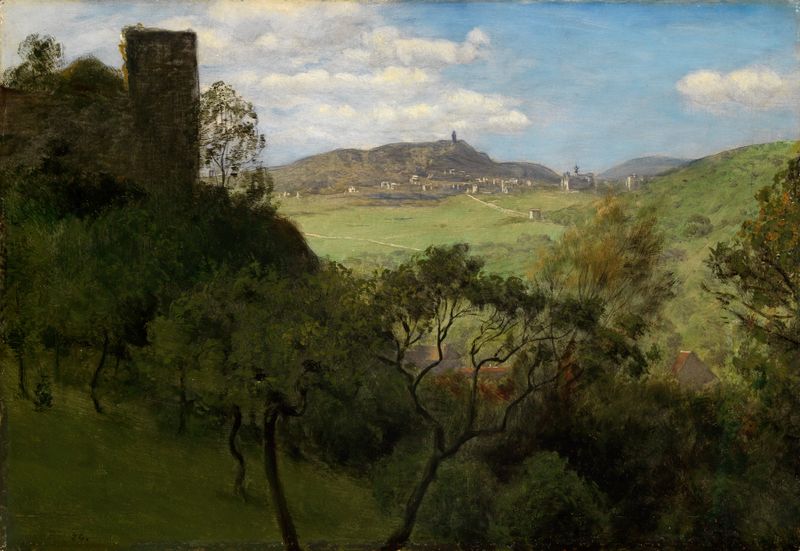
Blick auf Falkenstein im Taunus
Hans Thoma
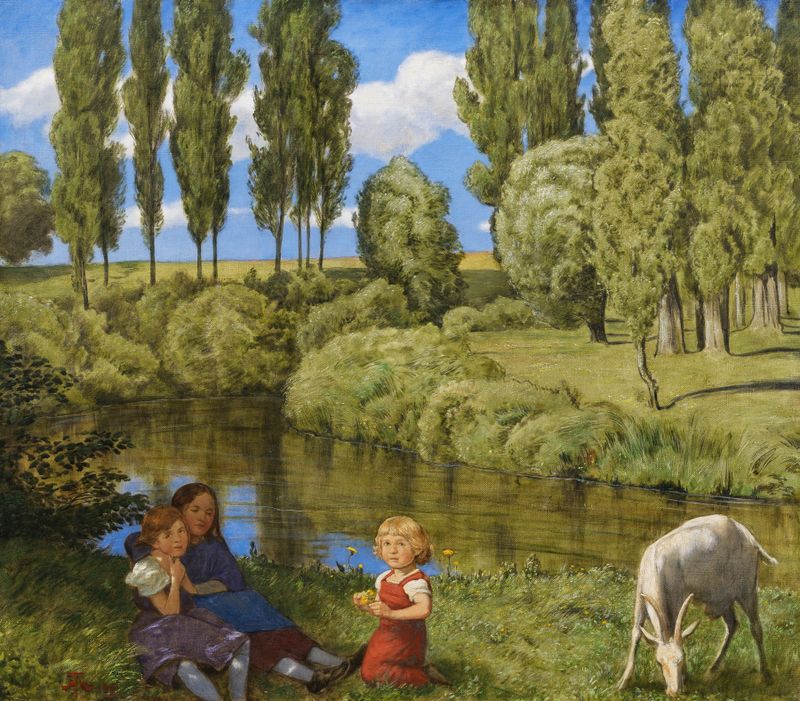
Am Stillen Bach
Hans Thoma
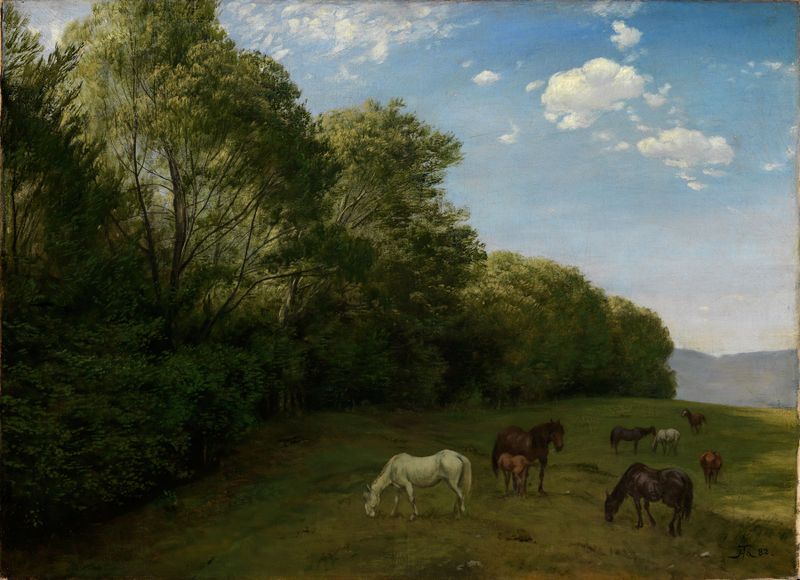
Landschaft mit weidenden Pferden
Hans Thoma
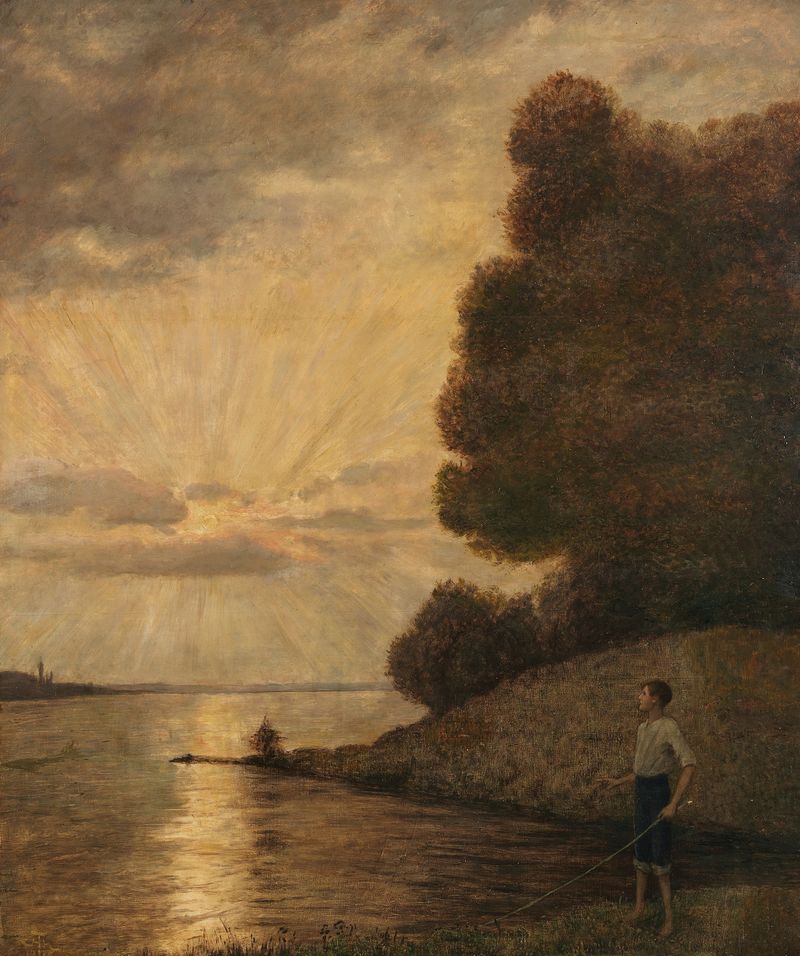
Sonnenuntergang am Oberrhein
Hans Thoma
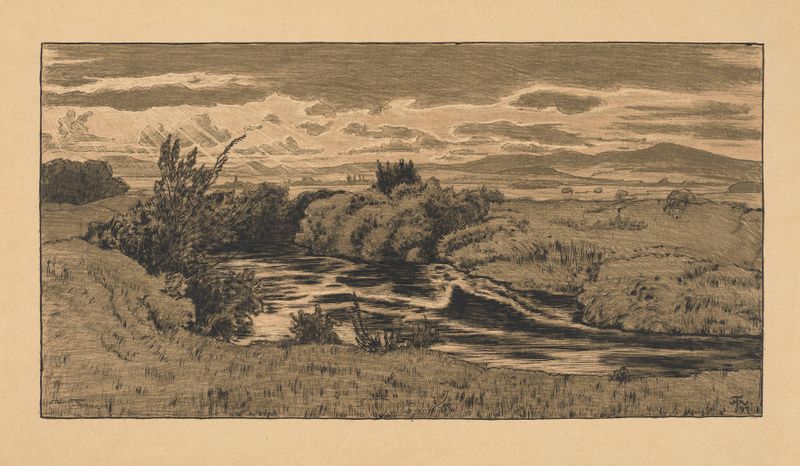
Evening by the Nidda River
Hans Thoma
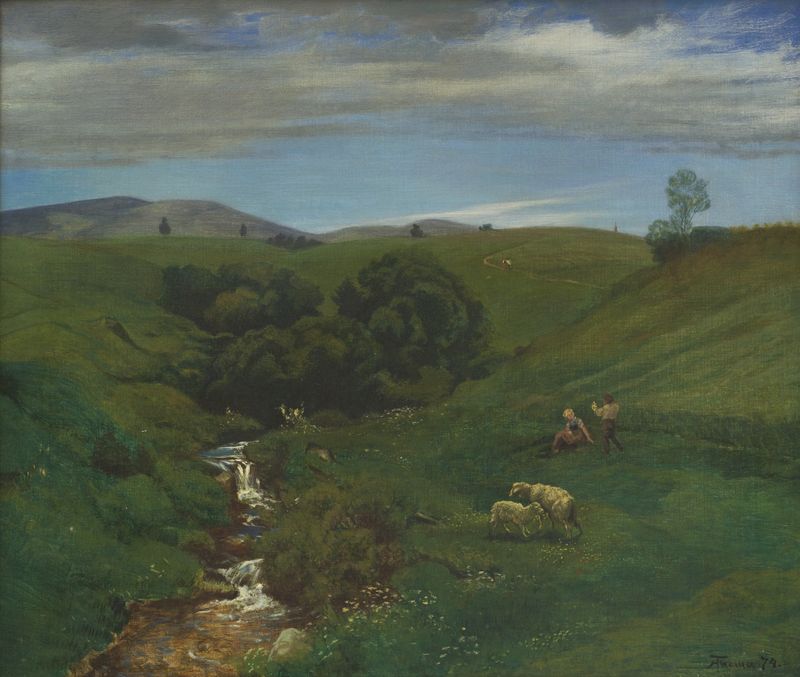
Black Forest Meadow near Bernau
Hans Thoma
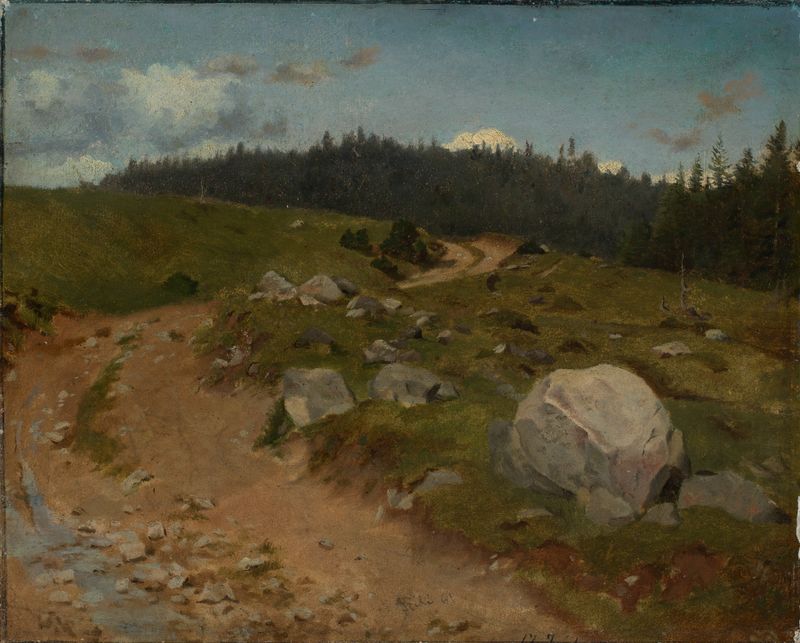
Steiniger Weg am Waldrand
Hans Thoma
Regen im Schwarzwald
Hans Thoma
Schwarzwaldbach
Hans Thoma





