
Evening Glow — History & Facts
Within the delicate hues of twilight, emotions vibrate like an unseen thread, binding the heart to a sense of looming betrayal. Focus on the horizon where the last rays of the sun bleed into the darkening sky, bathing the landscape in a surreal glow. The palette is rich with deep blues and soft purples, contrasting against flecks of amber and gold. Notice how the light dances across the rugged peaks, illuminating the jagged edges while casting shadows that whisper of secrets long buried.
Look closely at the foreground, where the tranquil lake reflects this ephemeral beauty, creating a mirror that hints at both serenity and disquiet. The stillness of the scene conveys an emotional tension—between day and night, truth and deception. The juxtaposition of vibrant colors and enveloping shadows speaks to the betrayals lurking beneath the surface of even the most serene landscapes. Each brushstroke feels deliberate, suggesting that beauty can be a guise, masking deeper pains and unspoken stories that resonate within the viewer's heart. Created in 1893, this piece emerged during a transformative period in Sohlberg's artistic journey.
Living in Norway, he was influenced by the Symbolist movement, striving to evoke emotion through color and form. The world was steeped in a tension between natural beauty and the complexities of human experience, reflecting a time when artists began to explore the depths of psychological landscape, searching for meaning beyond mere representation.
More Artworks by Harald Sohlberg
Browse all →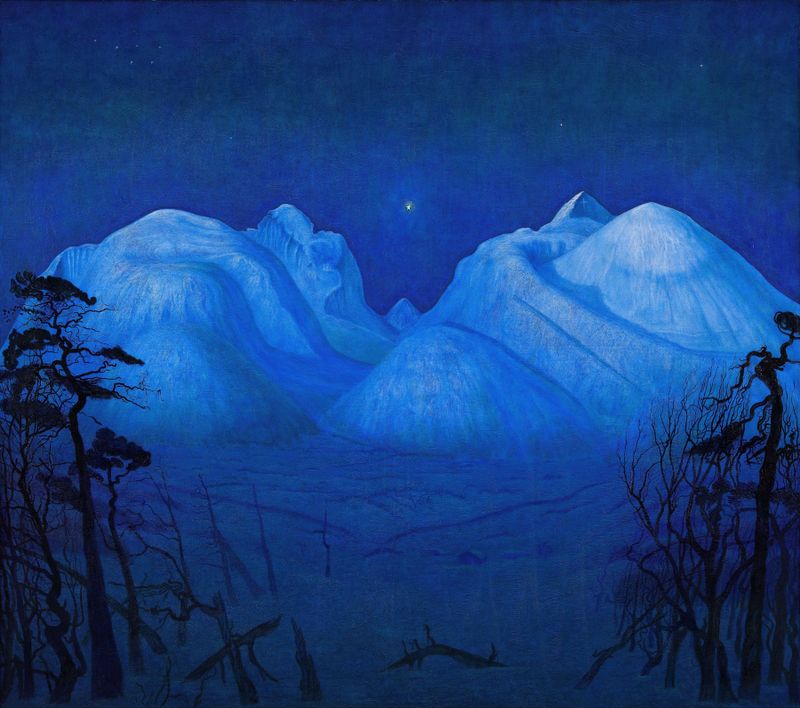
Winter Night in the Mountains
Harald Sohlberg

Street in Røros in Winter
Harald Sohlberg

Street in Røros
Harald Sohlberg

From Værvågen, The Fisherman’s Cottage
Harald Sohlberg
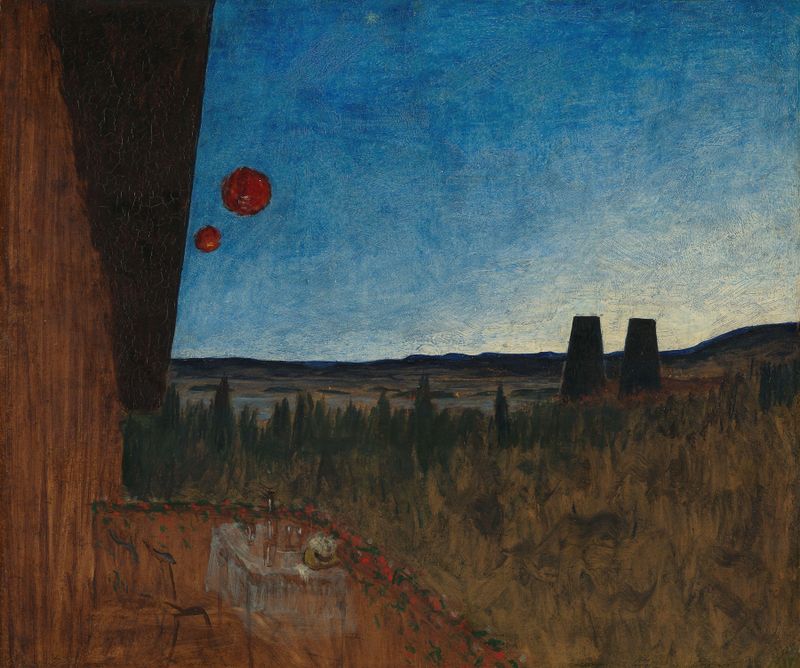
Summer Night
Harald Sohlberg

View from Karl XII’s Street
Harald Sohlberg
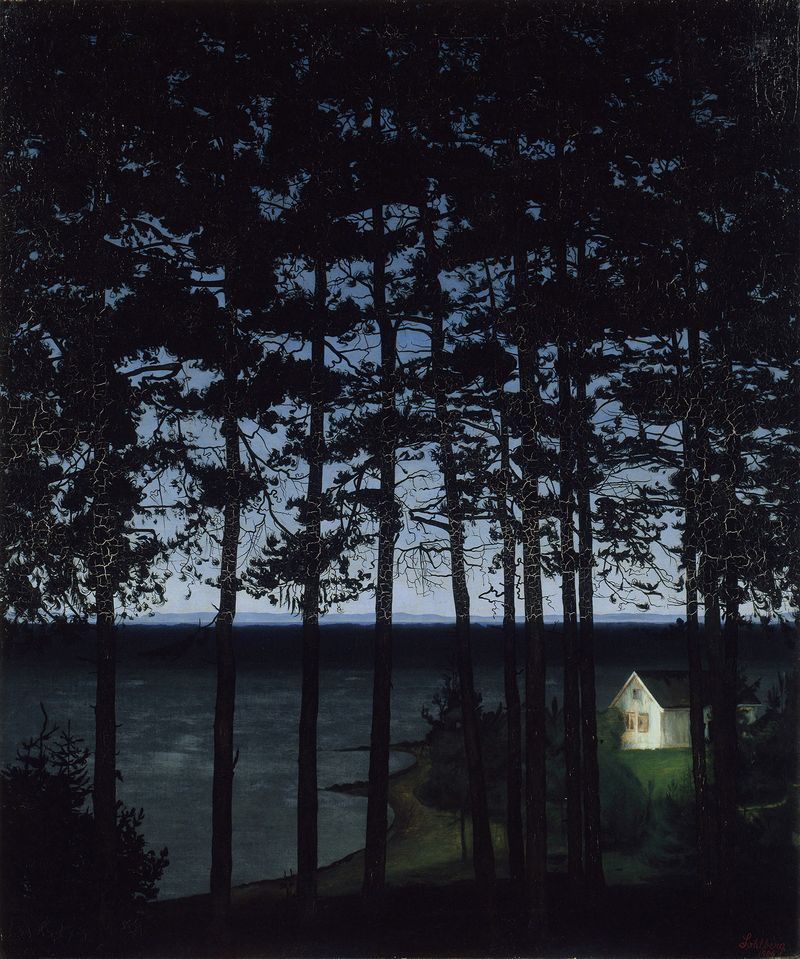
Fisherman’s Cottage
Harald Sohlberg
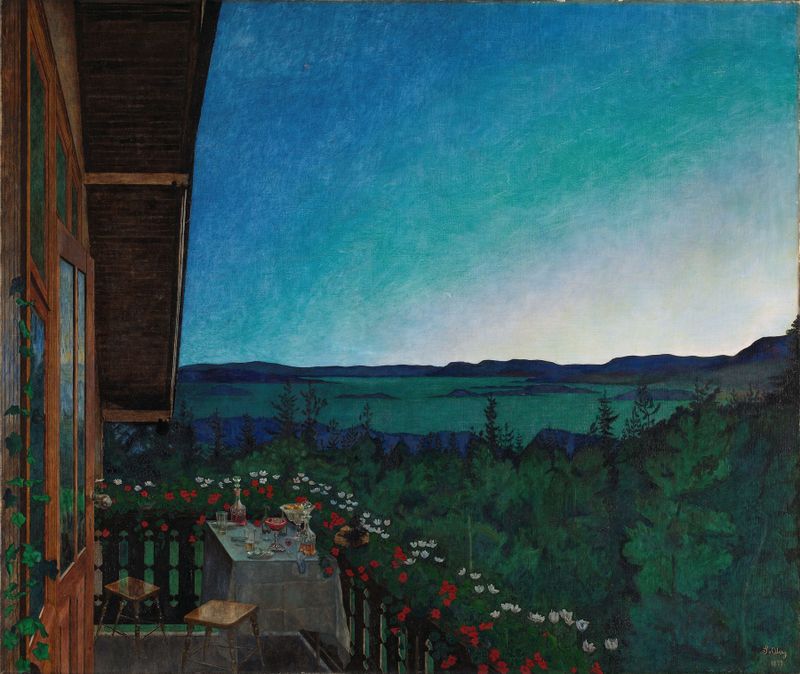
Summer Night
Harald Sohlberg

Courtyard in Slush at Røros
Harald Sohlberg
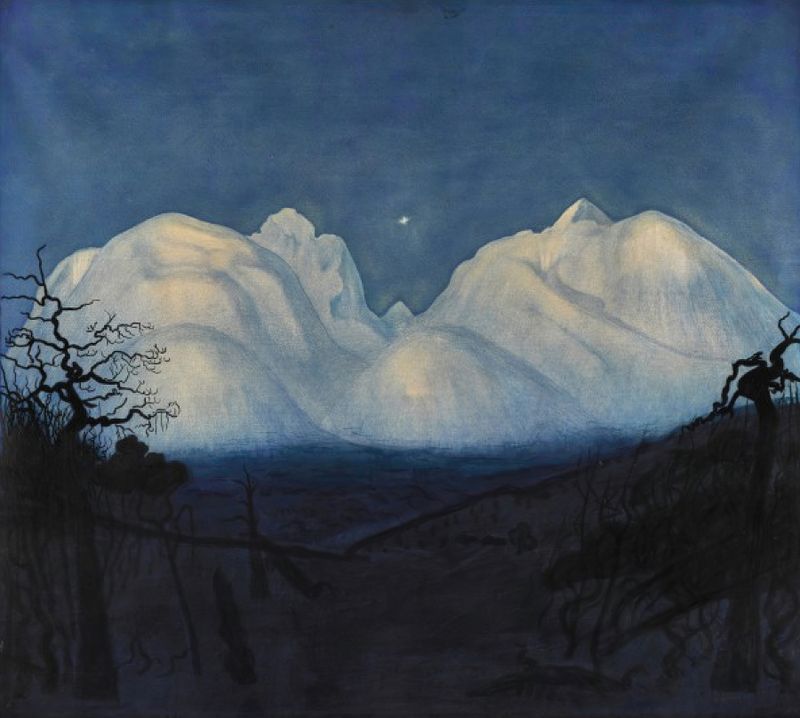
Winter Night in the Mountains
Harald Sohlberg





