
Excelsior Geyser, Yellowstone Park — History & Facts
In the vibrant dance of light and shadow, nature reveals its untamed spirit. Look to the center at the geyser’s steaming eruption, a powerful burst of white and blue that seems to pierce the stillness of the surrounding landscape. The delicate brushwork captures the intricate textures of the water, while bold strokes depict the rich earth tones of the terrain. You can almost feel the warmth radiating from the geyser, contrasting sharply with the cooler hues of the water.
Notice how the steam mingles with the vibrant colors of the geothermal pools, creating a dreamlike atmosphere that invites contemplation. Yet, it is the interplay of shadow across the rocky outcrops that deepens the narrative. The darker areas hint at the hidden depths of the earth, suggesting a juxtaposition between visible beauty and the mysteries lying beneath. The ethereal glow surrounding the geyser evokes a sense of awe, while the encompassing shadows remind us of nature's duality—its capacity for both wonder and destruction.
Each element, each hue, serves as a testament to the raw power of the natural world and the delicate balance it maintains. In 1873, Thomas Moran captured Excelsior Geyser during an era when the American West was being explored and celebrated for its stunning landscapes. As he painted in Yellowstone, the first national park, he was part of a growing movement to appreciate and preserve the natural environment. This piece reflects his dedication to highlighting the majesty of the American wilderness while also showcasing his mastery of color and form in the burgeoning field of landscape painting.
More Artworks by Thomas Moran
Browse all →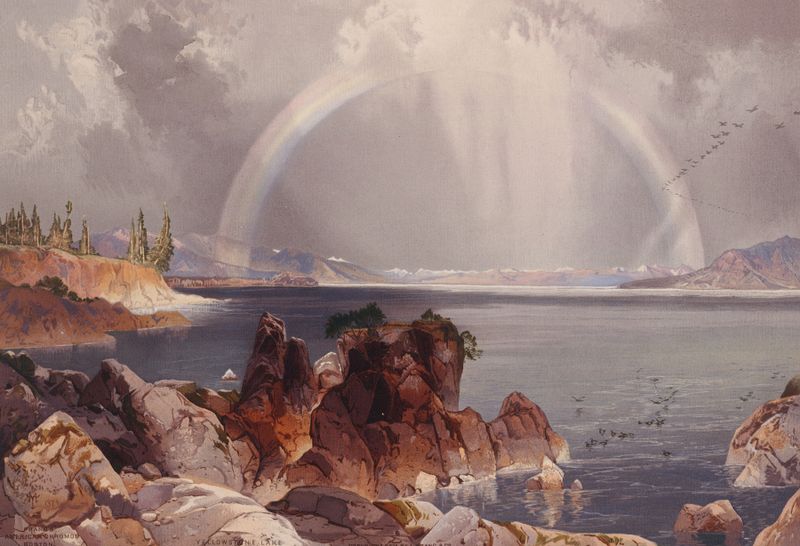
Yellowstone Lake
Thomas Moran

Grand Canyon of the Colorado River
Thomas Moran

Grand Canyon, Colorado River
Thomas Moran

The Towers of Tower Falls, Yellowstone
Thomas Moran
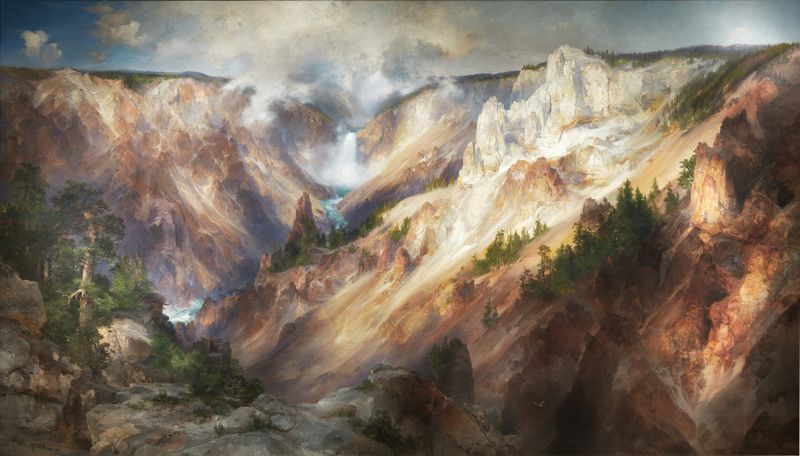
The Grand Canyon Of The Yellowstone
Thomas Moran

Mountain of the Holy Cross
Thomas Moran

Cliffs Of The Upper Colorado River, Wyoming Territory
Thomas Moran
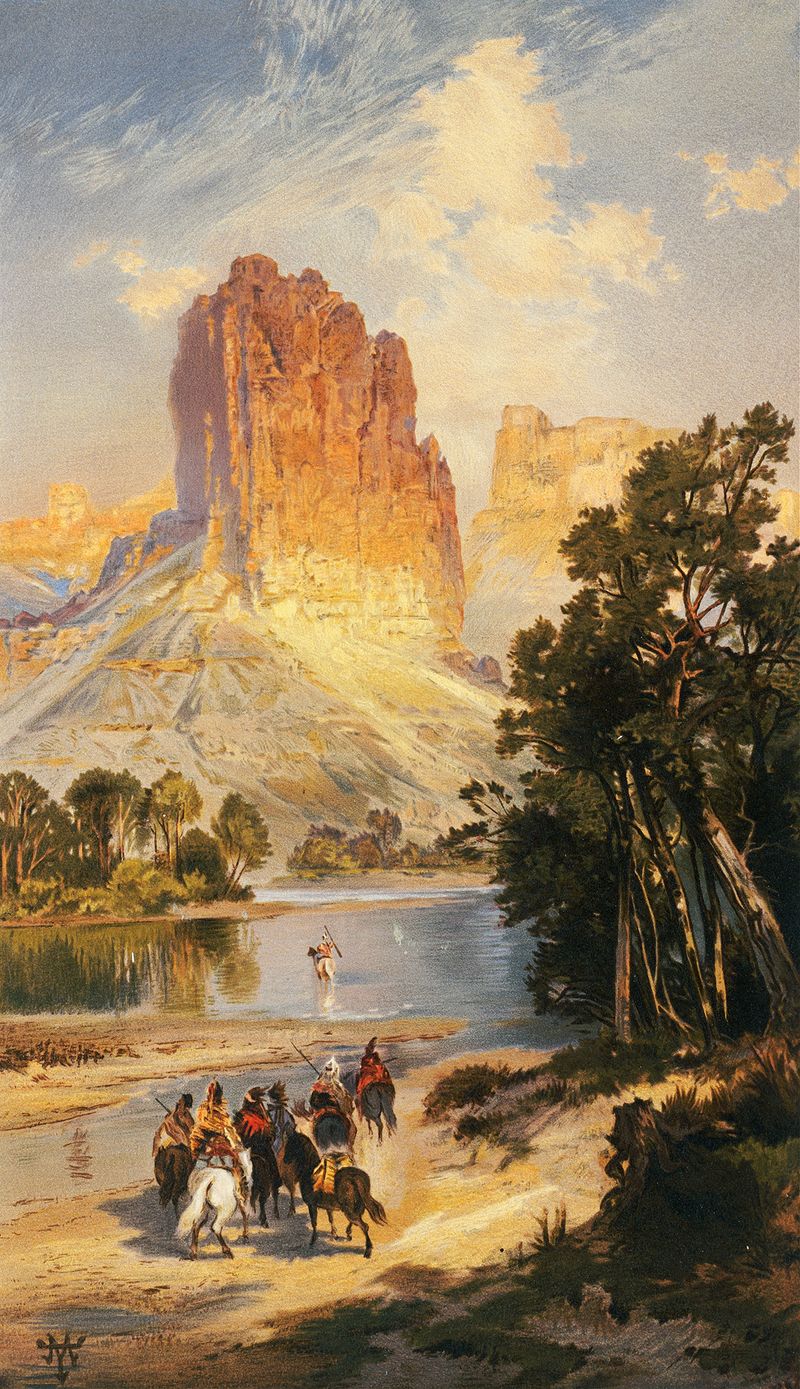
Cliffs of the Upper Colorado River, Wyoming Territory
Thomas Moran

Mammoth Hot Springs, Yellowstone
Thomas Moran
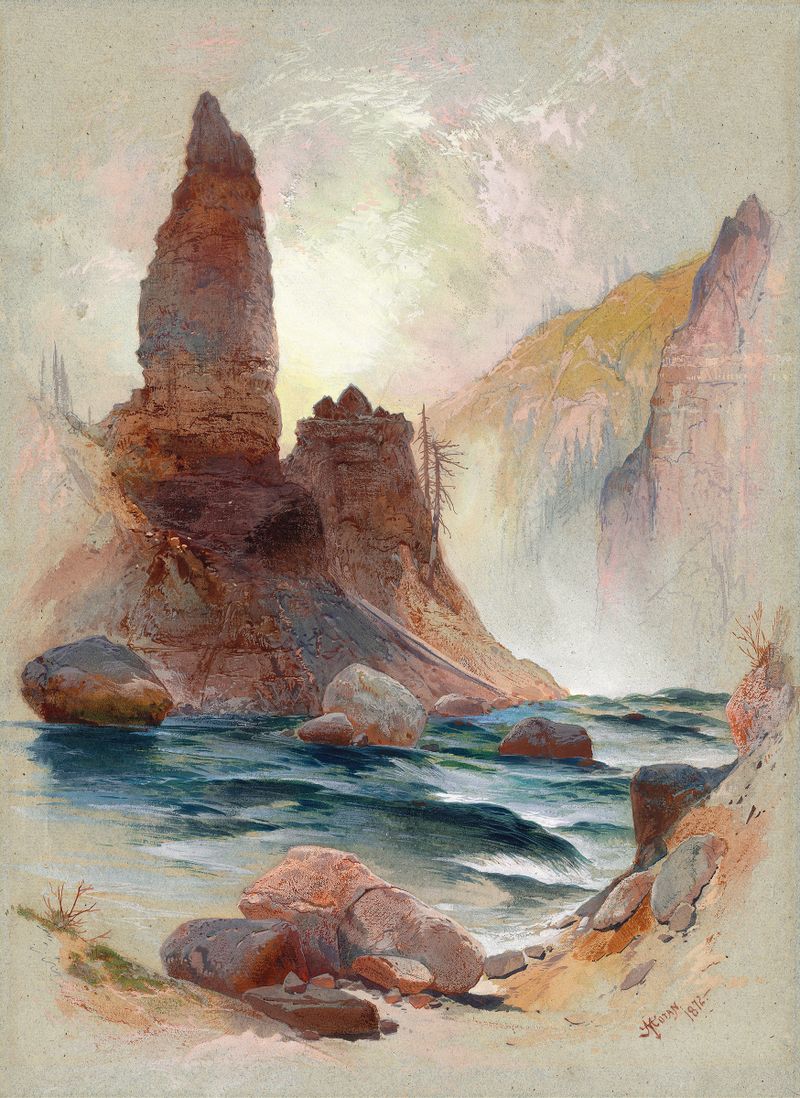
Tower at Tower Falls, Yellowstone
Thomas Moran





