
Expulsion from Paradise — History & Facts
Where does light end, and longing begin? In this chiaroscuro masterpiece, the delicate interplay between shadow and illumination reveals a profound quest for transcendence. Focus on the striking contrast between the lush greens of the garden and the stark, desolate earth outside its gates. The figures, caught in a moment of raw emotion, draw the eye immediately — Eve, her face a portrait of despair, reaches desperately for the expanse of Paradise while the anguished Adam stands behind her, torn between duty and desire. The hues of gold and crimson enrich the scene, suggesting not only the warmth of Eden but also the impending chill of a lost innocence. Delve deeper into the tension of the composition: the weight of Eve's gaze, heavy with regret, contrasts sharply with the bright, untouched landscape.
The juxtaposition of the garden and the barren land symbolizes humanity's internal struggle — the yearning for beauty against the reality of existence. Each brushstroke is laden with emotional depth, echoing the universal themes of loss and longing that resonate through centuries. Painted in 1503, during a time when the Renaissance was transforming perceptions of humanity, this work encapsulates the Master of Delft's exploration of existential themes. The artist, deeply influenced by both classical philosophy and burgeoning humanism, mirrored the anxieties of his era, creating a scene that speaks to the timeless human condition and our relentless pursuit of a paradise forever out of reach.
More Artworks by Master of Delft
Browse all →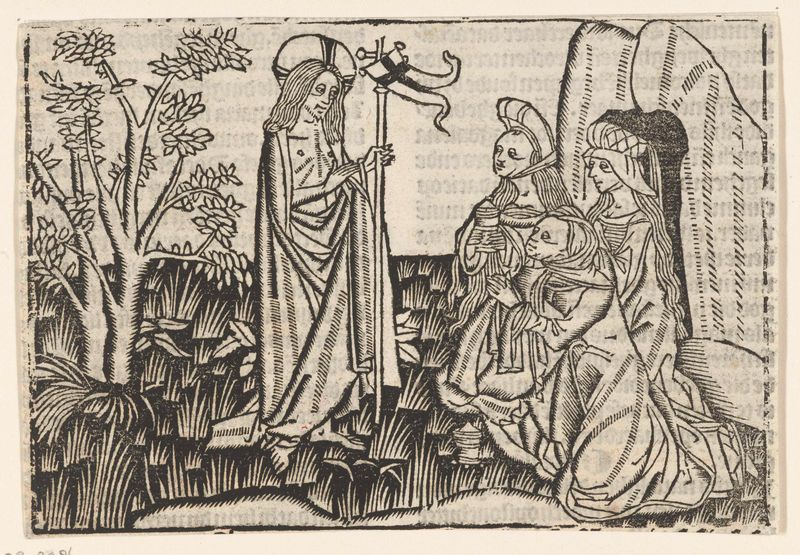
Christus verschijnt aan de drie Maria's
Master of Delft
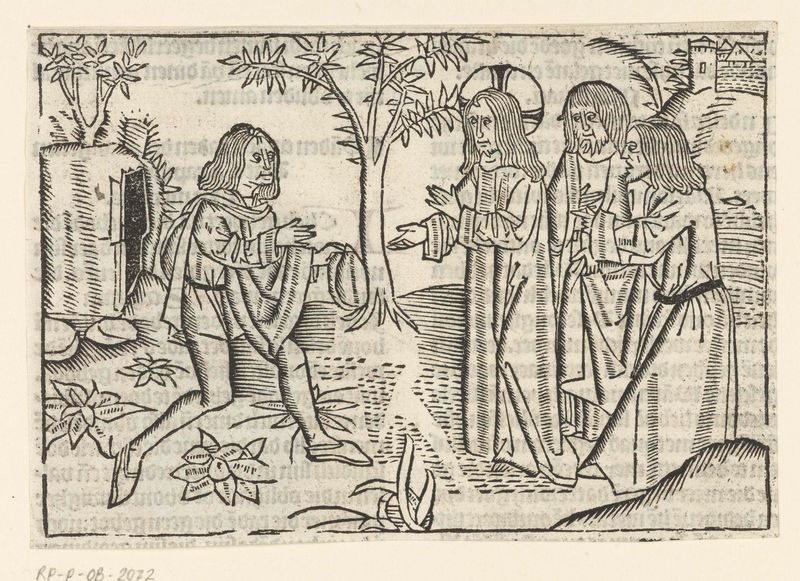
Christus en de rijke jongeling
Master of Delft
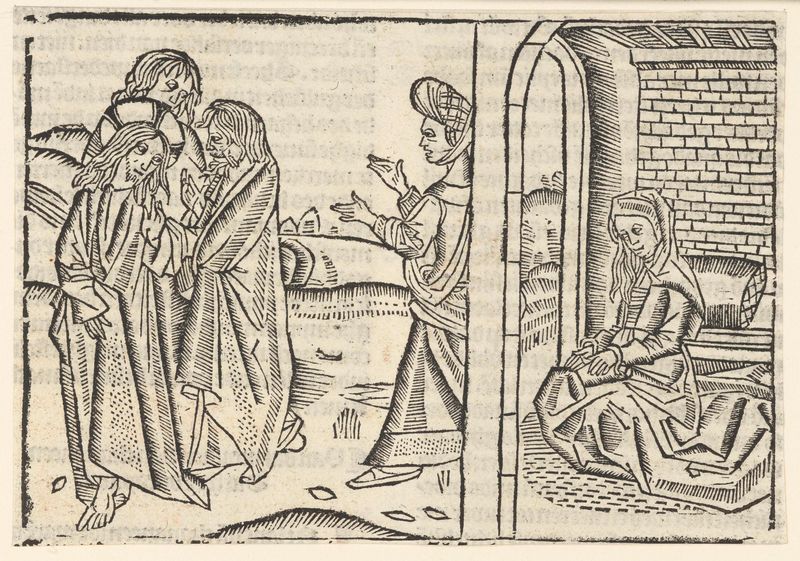
Christus en de Kanaänitische vrouw
Master of Delft
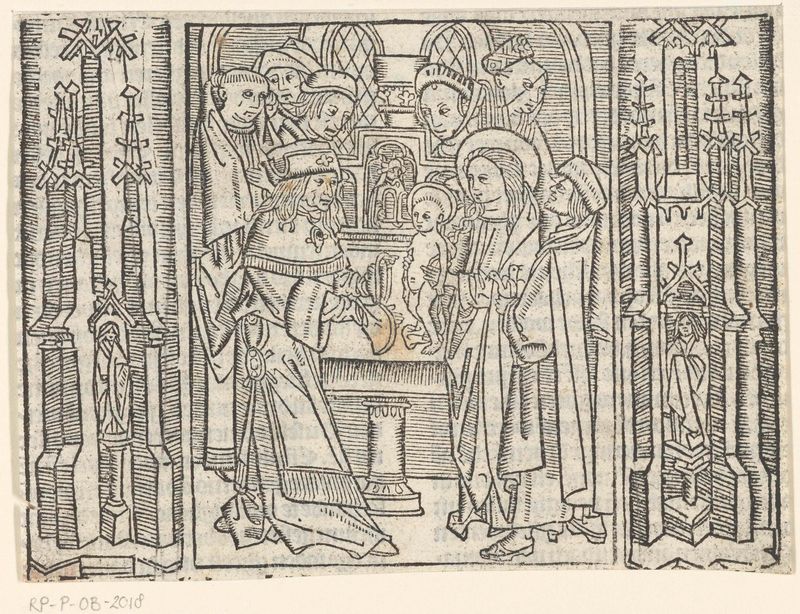
Presentatie van Christus in de tempel
Master of Delft
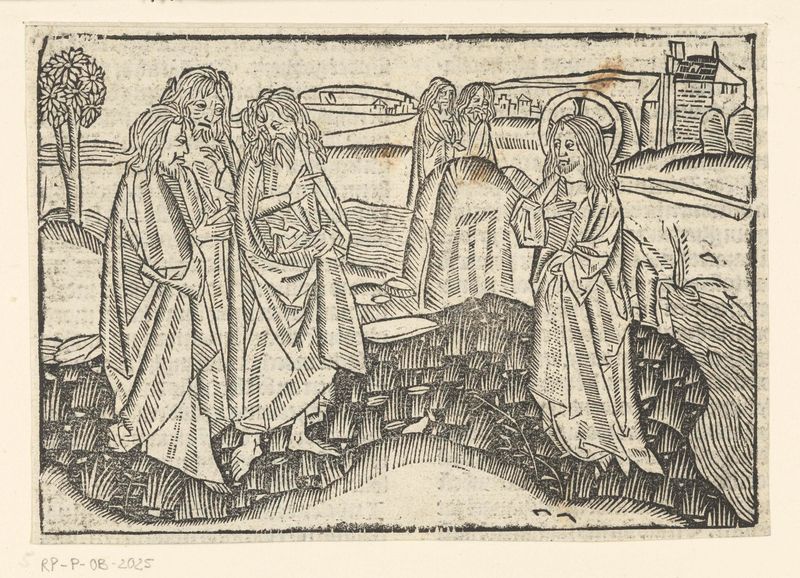
Christus kiest zijn eerste discipelen
Master of Delft
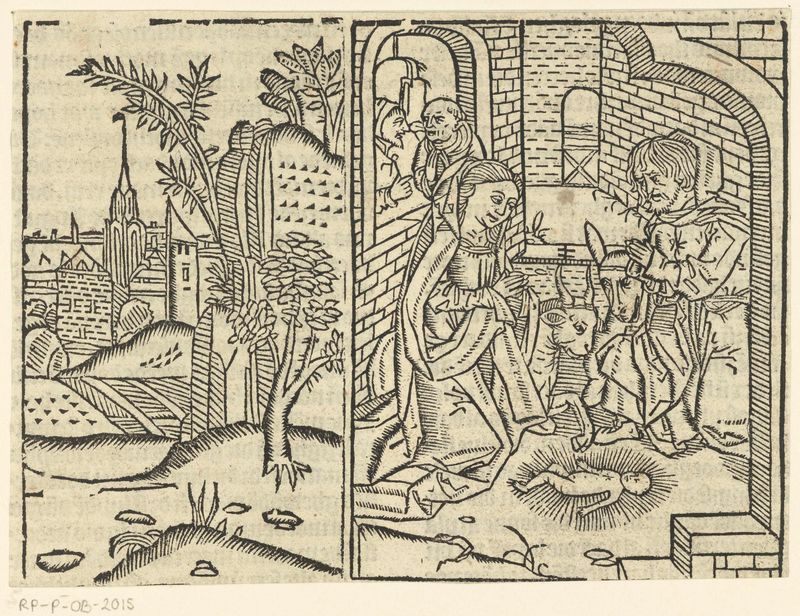
Geboorte van Christus
Master of Delft
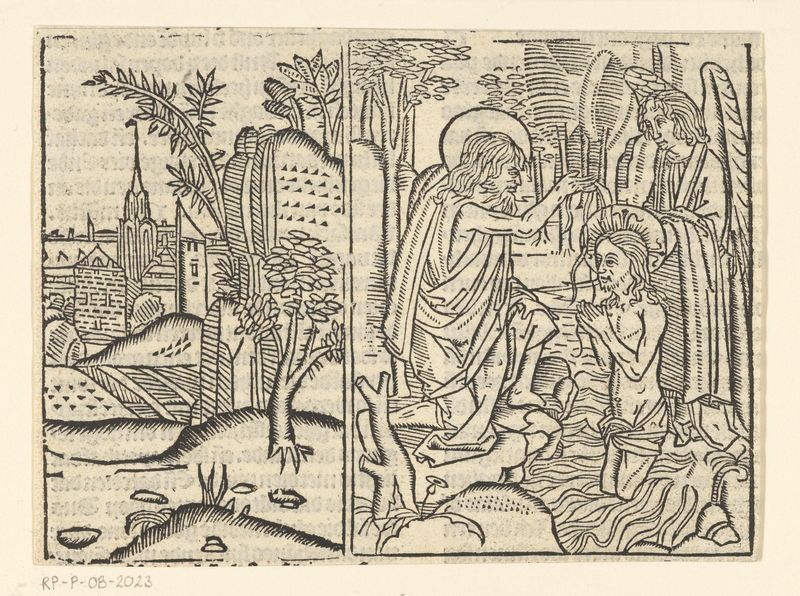
De doop van Christus in de Jordaan
Master of Delft
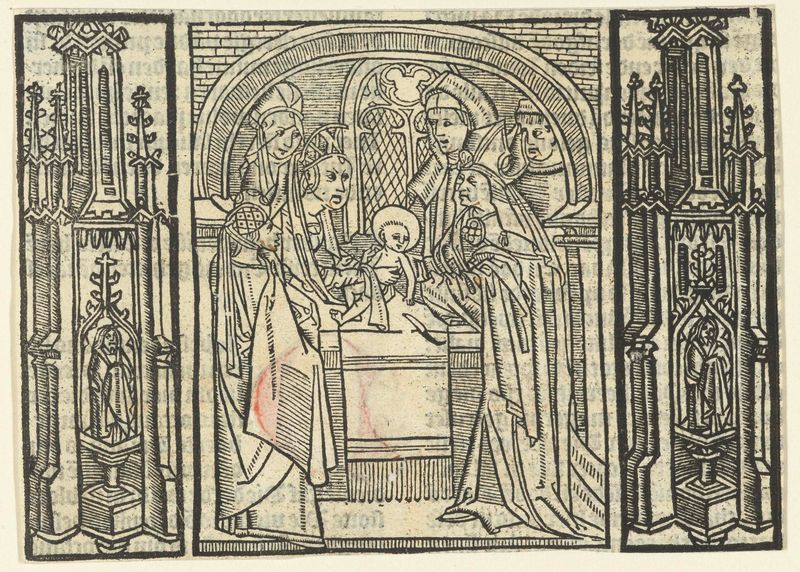
Besnijdenis van Christus
Master of Delft
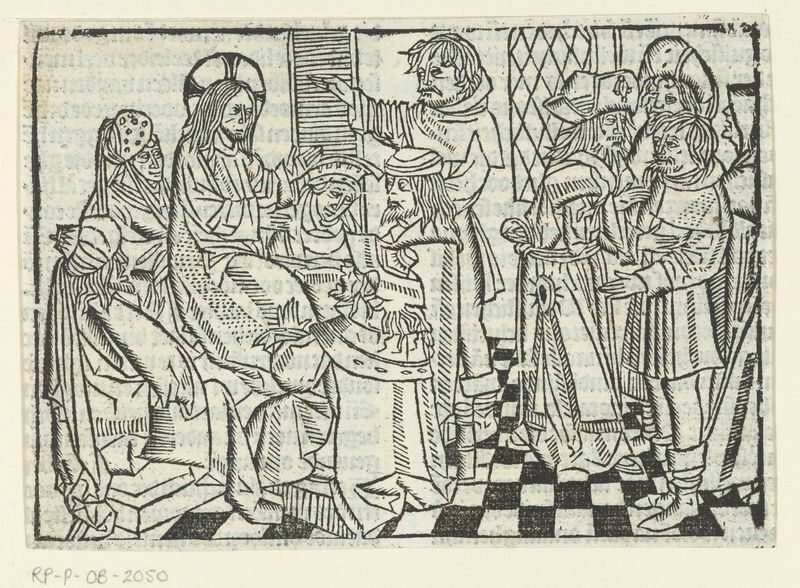
Christus geneest de man met een verdorde hand
Master of Delft
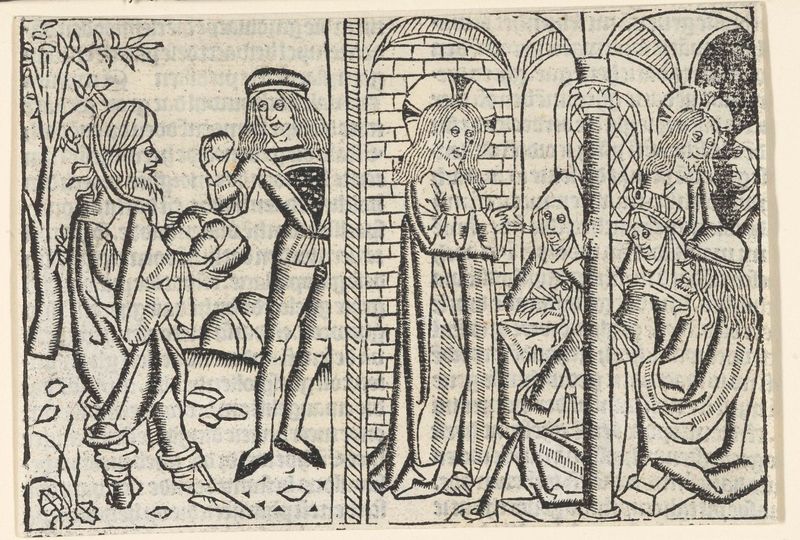
De Farizeeërs willen Christus stenigen
Master of Delft
More Religious Art
Browse all →
The Return of the Prodigal Son
Rembrandt van Rijn

The Garden of Earthly Delights
El Bosco

Count Orgaz’ funeral
El Greco

The Hundred Guilder Print: the central piece with Christ preaching, the plate arched
Rembrandt van Rijn

The Descent from the Cross
Rogier van der Weyden

The return of the prodigal son
Rembrandt van Rijn