
Extensive landscape in the Roman Campagna — History & Facts
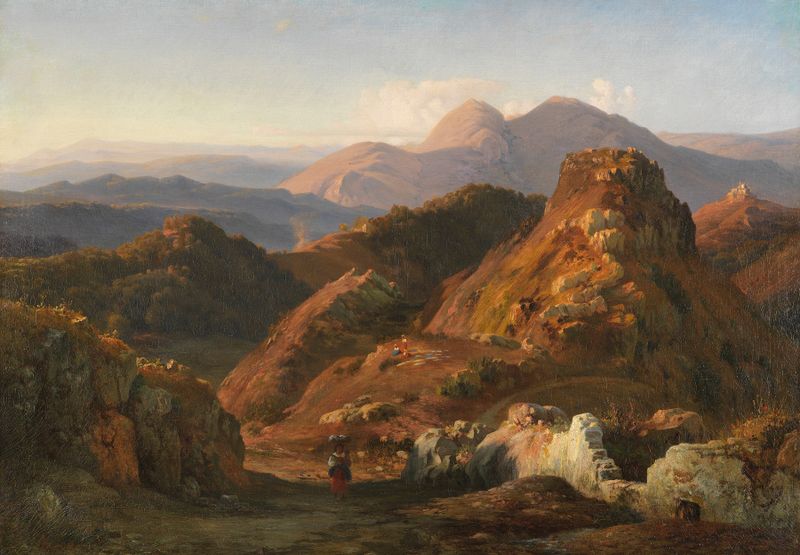
Did the painter know this moment would outlive them? In Extensive Landscape in the Roman Campagna, the vastness of nature pulses with life, whispering the eternal dialogue between humanity and the earth. Focus first on the sweeping horizon, where the gentle undulations of the land meet a soft, cerulean sky. Notice how the brilliant greens of the foliage contrast with the ochres and browns of the earth, each brushstroke meticulously crafted to convey the rich texture of the terrain. The light cascades across the landscape, illuminating patches of wildflowers and casting deep shadows that hint at the undulating hills beyond.
Gurlitt’s deft handling of color and perspective invites the viewer to traverse this serene expanse, evoking a sense of peaceful exploration. Delving deeper, one can observe the delicate interplay between nature and solitude. The scattered figures, almost imperceptible, embody the insignificance of man within the grandeur of the landscape, suggesting a universal truth about existence. The clouds, billowing softly above, carry with them an air of both promise and uncertainty, encapsulating the transient beauty of the moment.
This intricate balance between tranquility and the looming presence of nature reflects a longing for connection amidst the vastness. In 1844, Gurlitt painted this work during a period marked by the rise of Romanticism, which sought to capture the sublime qualities of nature. Living in Germany yet deeply influenced by Italian landscapes, he aimed to convey not just the physical beauty of the Campagna but also its emotional resonance. This was a time when artists were beginning to embrace the idea of painting en plein air, seeking authenticity in their depiction of the world around them.
More Artworks by Louis Gurlitt
Browse all →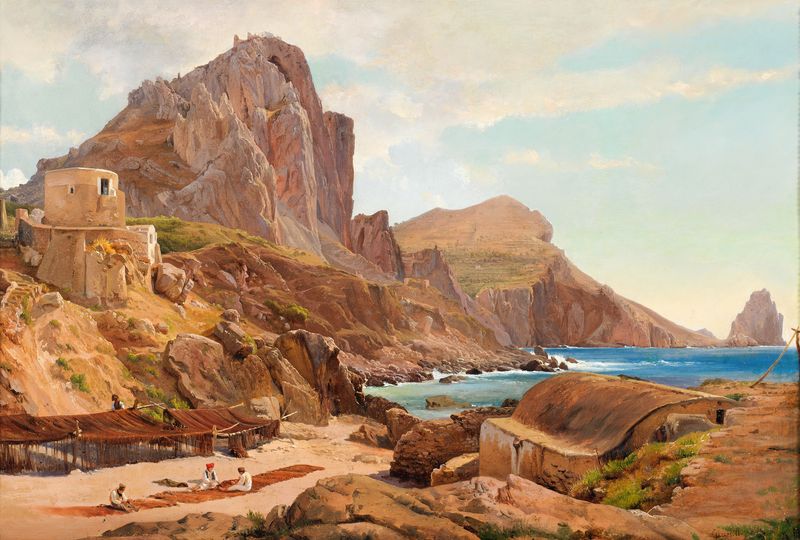
Marina Piccola, Capri
Louis Gurlitt
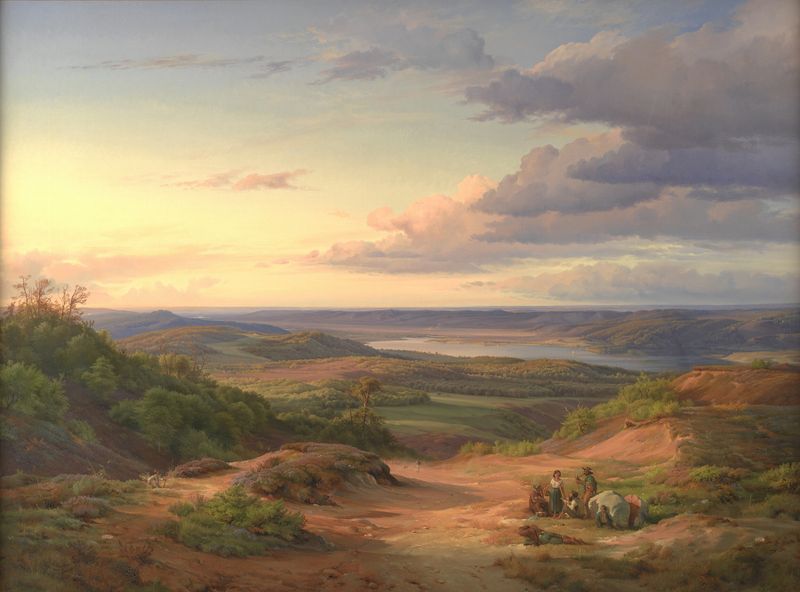
A Landscape near Himmelbjerget, Jutland. In the Foreground a Gypsy Family
Louis Gurlitt
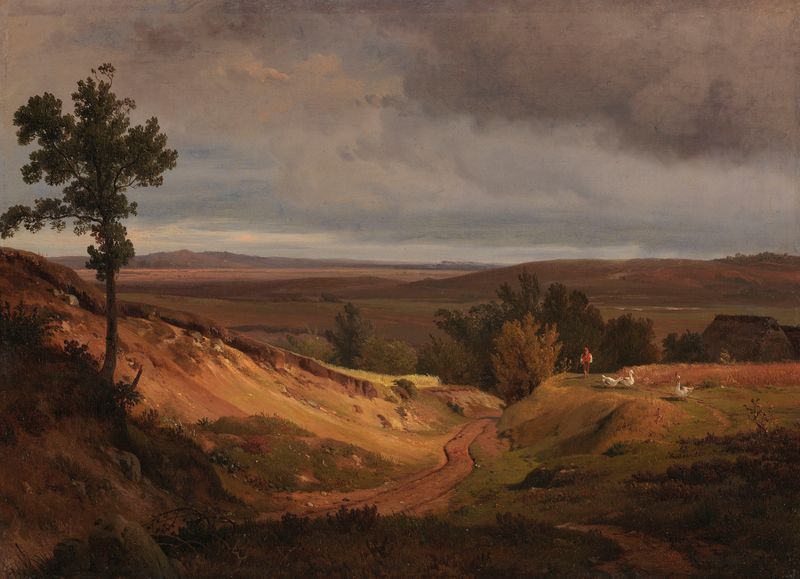
Heidelandschaft bei Silkeborg in Jütland, Dänemark
Louis Gurlitt
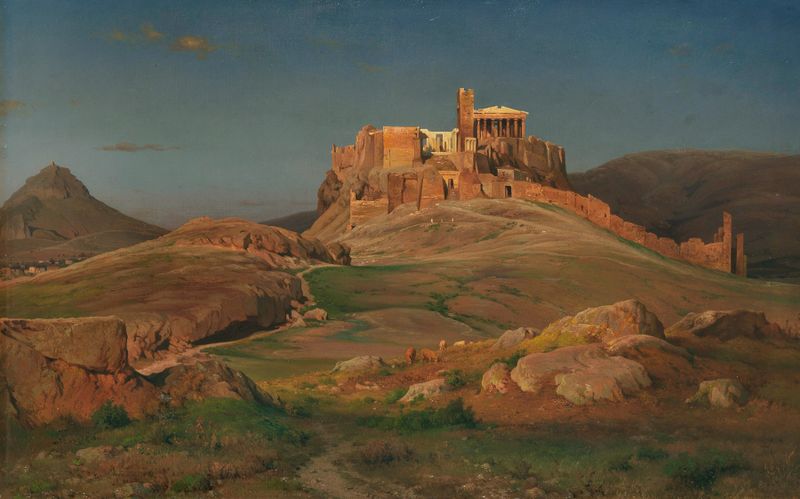
Die Akropolis im Abendlicht
Louis Gurlitt
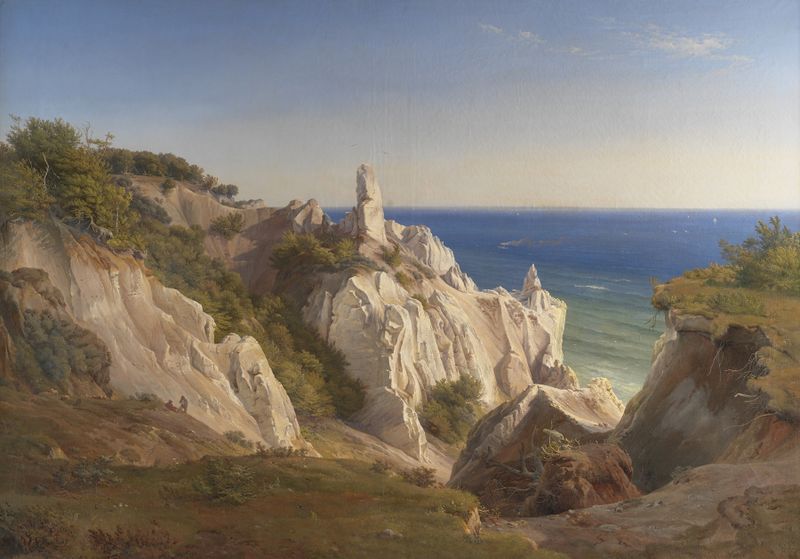
The Cliffs of the Island of Møn
Louis Gurlitt
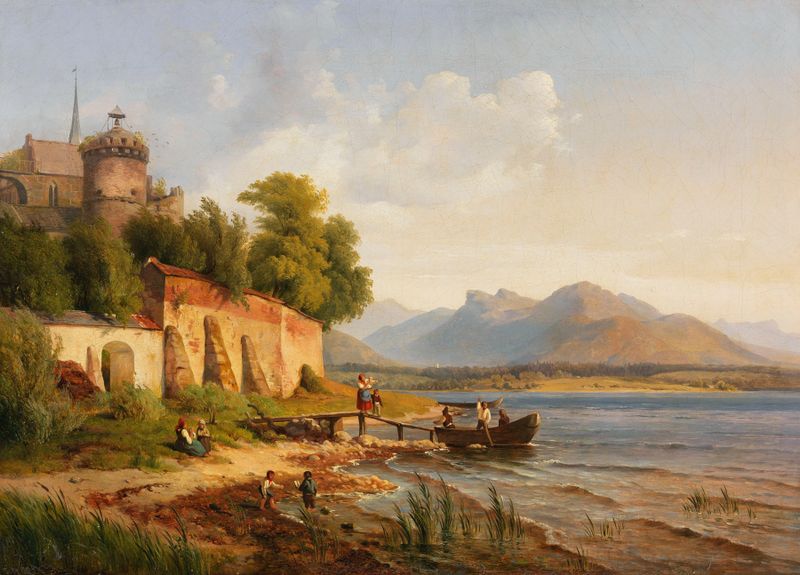
Oberitalienische Küstenlandschaft mit Figurenstaffage
Louis Gurlitt
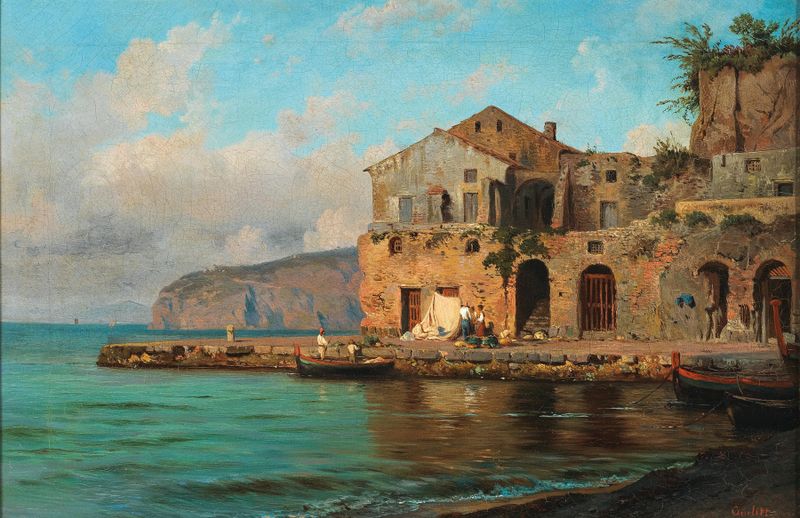
On the Coast of Sorrento
Louis Gurlitt
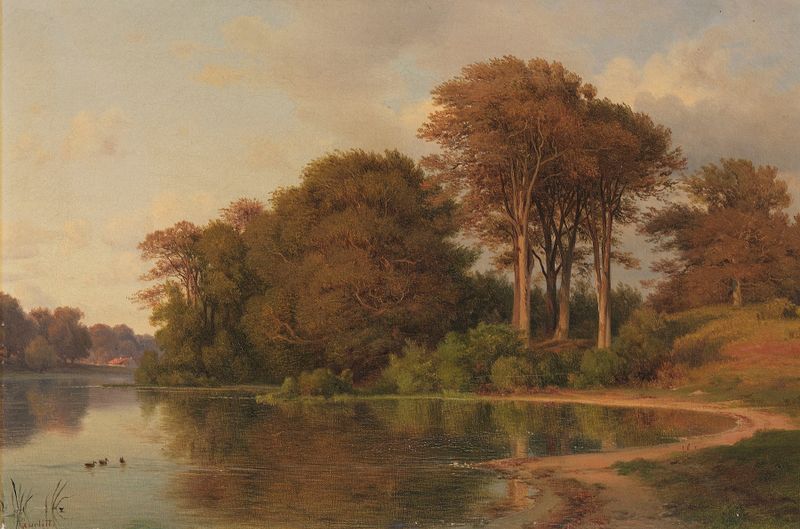
Sommerlandschaft mit Seeufer
Louis Gurlitt
Abendstimmung in den Albaner Bergen
Louis Gurlitt
Tyrolean Landscape. Study
Louis Gurlitt





