
Exterieur van grot Santa Maria Capella — History & Facts
In the quiet solitude of nature, a cavernous opening beckons, revealing a sliver of light that hints at the secrets within. This juxtaposition of the sublime and the isolating evokes a profound sense of loneliness, where the majesty of the landscape conceals a deeper emotional landscape beneath its serene surface. Look to the left at the rugged limestone cliffs, their textures meticulously rendered with delicate brushstrokes that highlight every crevice and shadow. The interplay of light and dark creates a dramatic contrast, drawing your gaze towards the entrance of the grotto, where hints of golden hues radiate warmth against the cool blues and grays of the surrounding rocks.
Notice how the horizon stretches infinitely, offering a paradox of expansive beauty and constricted isolation, suggesting a world both inviting and foreboding. As you delve deeper, the nuances of color and form reveal more than just a physical representation; they depict a profound sense of solitude. The entrance of the cave, while inviting, suggests a threshold that separates the viewer from the vibrant life outside. This tension is amplified by the sparse vegetation, hinting at the unyielding grasp of nature, where even beauty can feel lonely.
The artist's choice of vibrant contrasts also reflects the emotional distance, evoking feelings of both awe and isolation. Created in 1778, the artwork emerged during a transformative period for the artist, who was living in Rome and deeply influenced by the burgeoning Romantic movement. Ducros was exploring the emotional resonance of landscapes, where nature's majesty often intertwined with themes of solitude and introspection. At a time when the world was on the cusp of change, his work captures both the beauty and loneliness that define the human experience.
More Artworks by Abraham-Louis-Rodolphe Ducros
Browse all →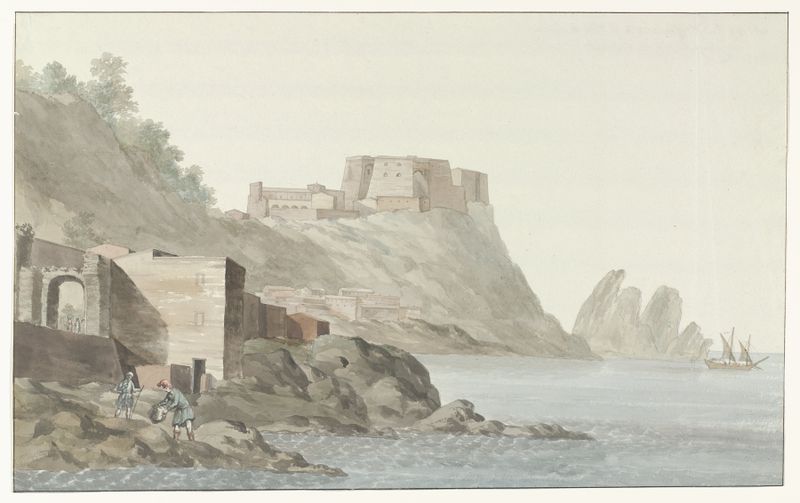
Rots en stad Scilla in de regio Calabrië aan de oostkust
Abraham-Louis-Rodolphe Ducros
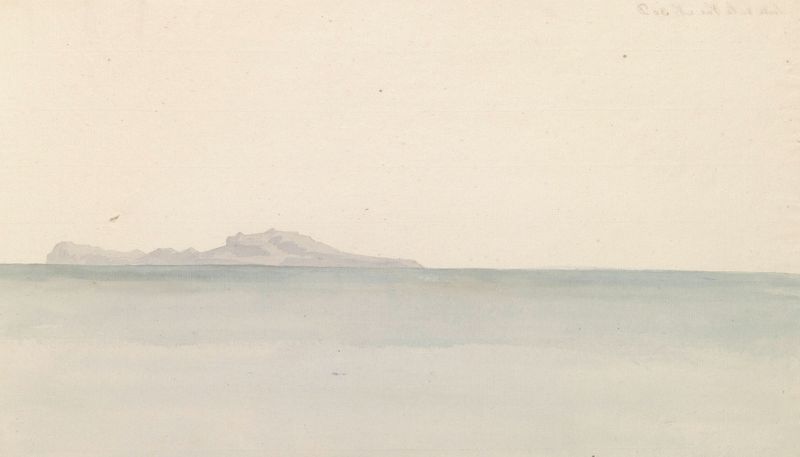
Gezicht op Golf van Napels vanaf kade bij kerk Santa Maria del Carmine
Abraham-Louis-Rodolphe Ducros
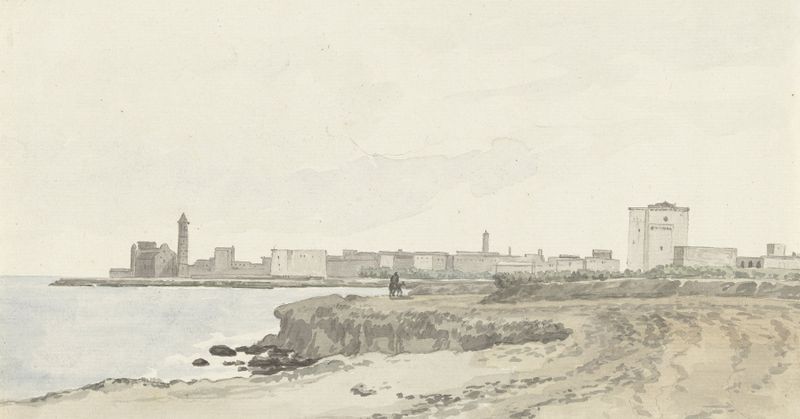
Gezicht op Trani gelegen aan de kust
Abraham-Louis-Rodolphe Ducros
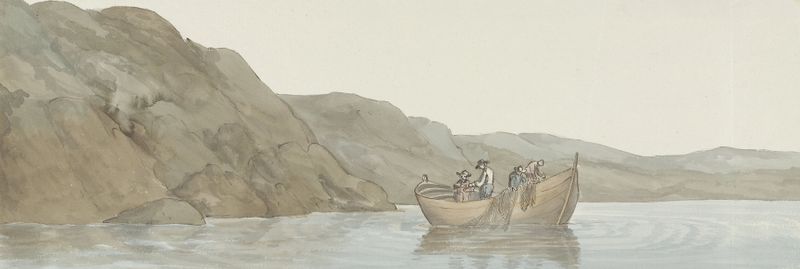
Gezicht op Kaap Paceco in Calabrië nabij de stad Scilla
Abraham-Louis-Rodolphe Ducros
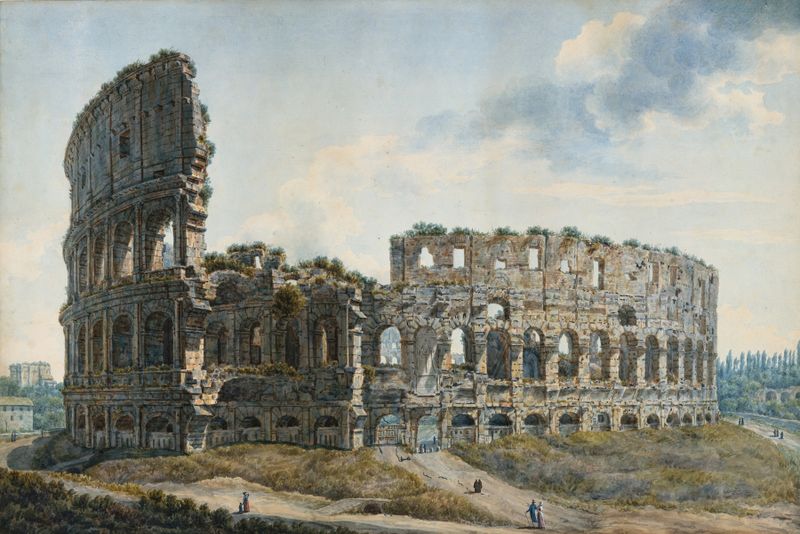
The Colosseum, Rome.
Abraham-Louis-Rodolphe Ducros
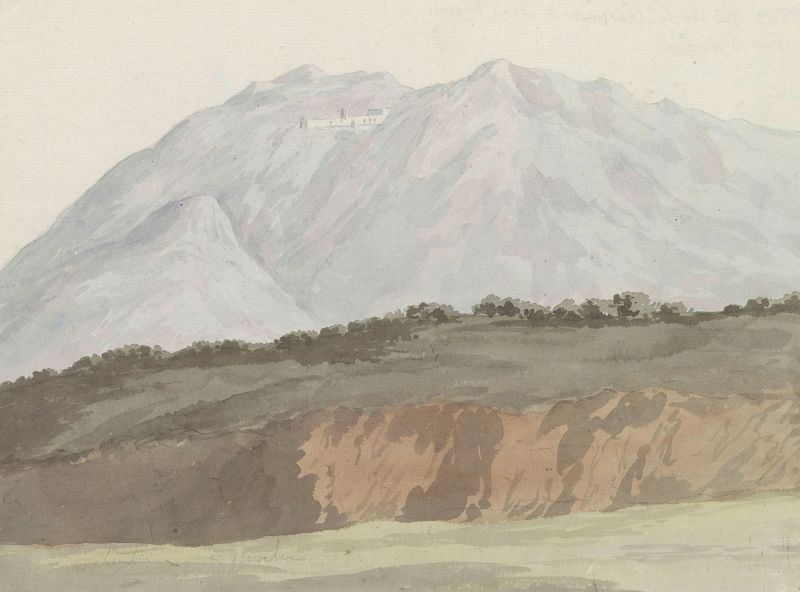
Gezicht op kartuizerklooster van Monte Vergine hoog gelegen boven Avellino
Abraham-Louis-Rodolphe Ducros
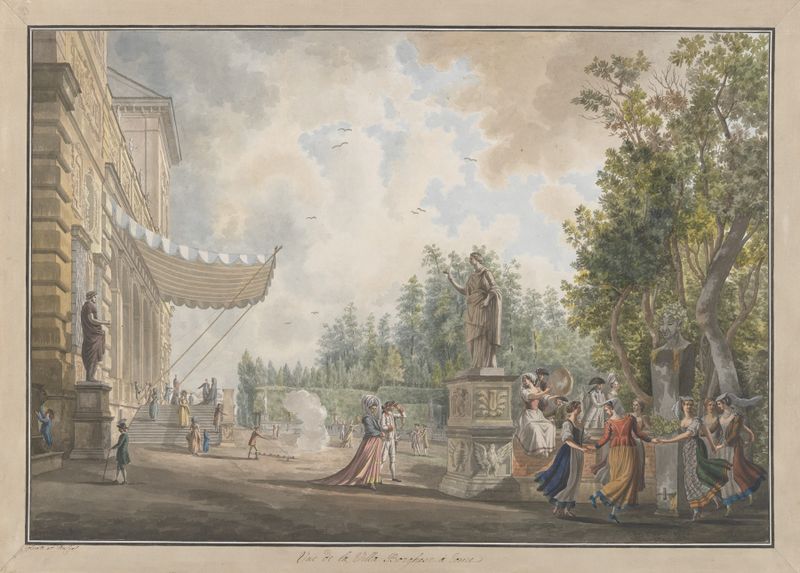
Villa Borghese
Abraham-Louis-Rodolphe Ducros
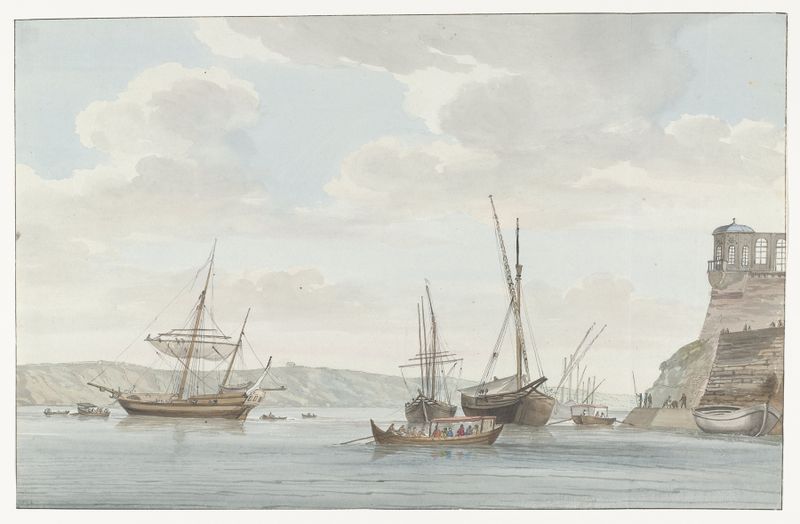
Tuinhuis van de Jardin du Grand Maître uittorend boven de haven met galei schepen op Malta
Abraham-Louis-Rodolphe Ducros
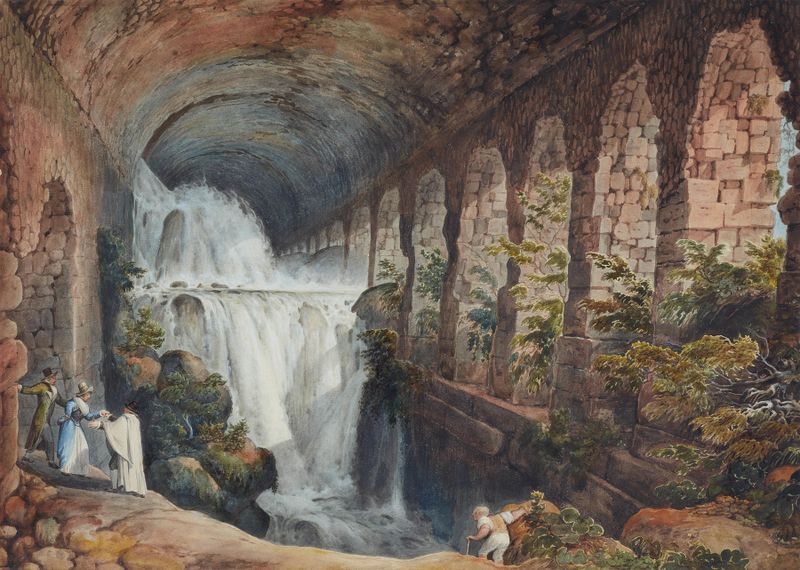
Aquädukt unter der Villa des Maecenas in Tivoli
Abraham-Louis-Rodolphe Ducros
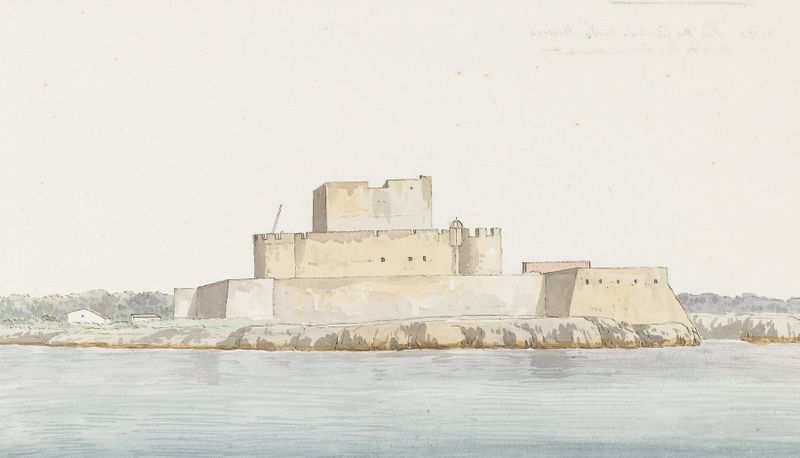
Gezicht op kasteel van San Mauro la Bruca vanaf zee bij aankomst
Abraham-Louis-Rodolphe Ducros





