
Exterieur van het graf van Ciceron tussen Itri en Gaeta — History & Facts
In Exterieur van het graf van Ciceron tussen Itri en Gaeta, light becomes the keeper of memories, illuminating not just the landscape but the echoes of history itself. Look to the foreground, where sun-drenched stones rise starkly against the lush green backdrop. The light bathes the ancient tomb—a solemn monument—capturing its weathered textures and inviting the viewer to contemplate its significance. Notice how the soft blue sky contrasts with the warm earth tones, creating a delicate balance that invites reflection.
The artist’s deft brushwork allows the light to dance upon the surface, revealing a world that feels both timeless and transient. Delve deeper into the scene, where the juxtaposition of nature and humanity emerges. The vibrant flora surrounding the tomb symbolizes the cycle of life and death, suggesting that although Cicero’s voice may have faded, nature continues to thrive. The gentle play of light not only reveals the beauty of the landscape but also underscores the melancholy of loss, serving as a reminder that memory is as fragile as the sun’s rays.
The tomb stands as a silent witness to the passage of time, a testament to the enduring legacy of thought and philosophy. In 1778, Ducros was deeply engaged in exploring the landscapes of Italy, often reflecting the sublime connection between nature and civilization in his works. Amidst the burgeoning Romantic movement, he sought to capture not just the physical attributes of the land, but its emotional resonance. This period of his life was marked by a quest for deeper meaning in the natural world, an exploration that resonated widely in the art community of his time.
More Artworks by Abraham-Louis-Rodolphe Ducros
Browse all →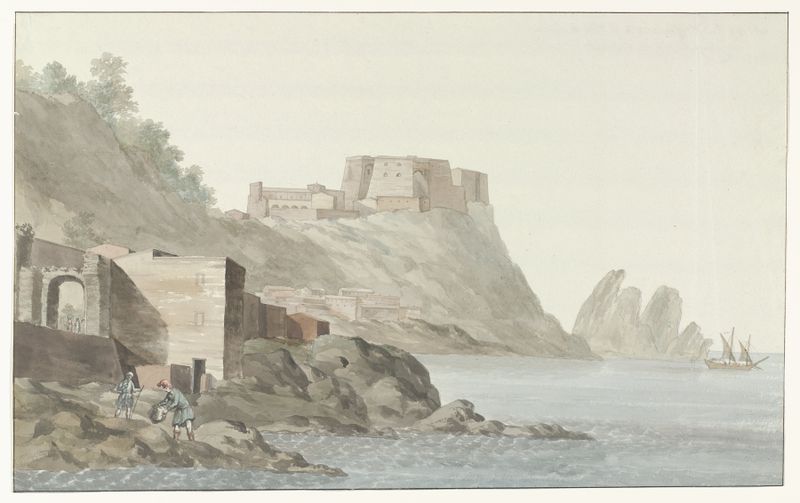
Rots en stad Scilla in de regio Calabrië aan de oostkust
Abraham-Louis-Rodolphe Ducros
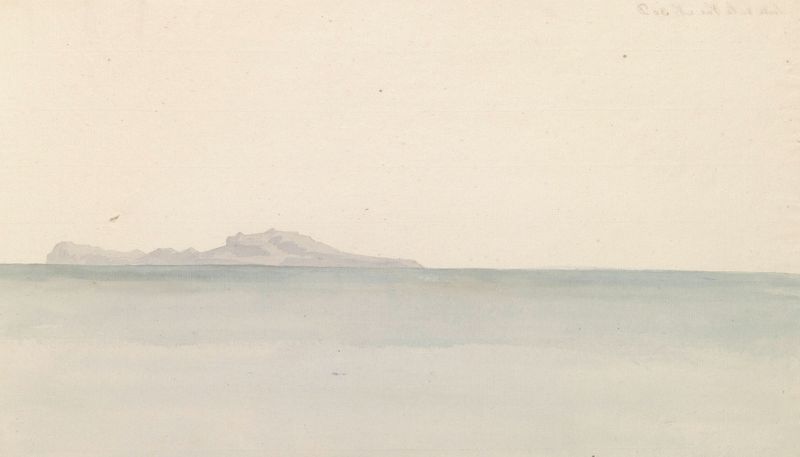
Gezicht op Golf van Napels vanaf kade bij kerk Santa Maria del Carmine
Abraham-Louis-Rodolphe Ducros
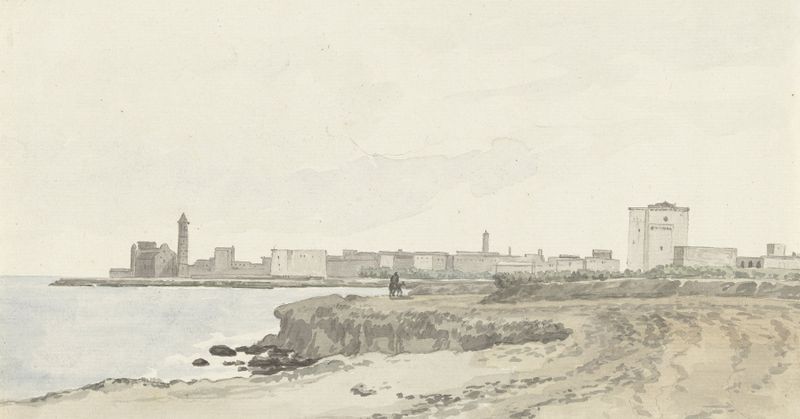
Gezicht op Trani gelegen aan de kust
Abraham-Louis-Rodolphe Ducros
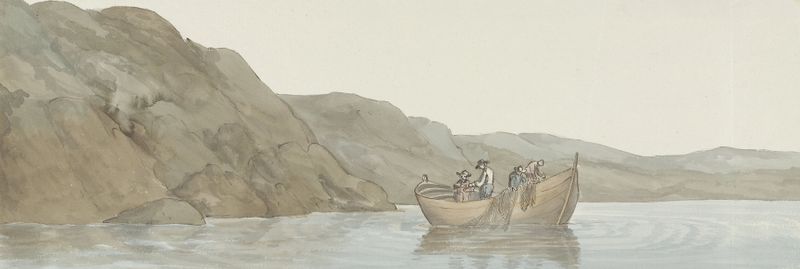
Gezicht op Kaap Paceco in Calabrië nabij de stad Scilla
Abraham-Louis-Rodolphe Ducros
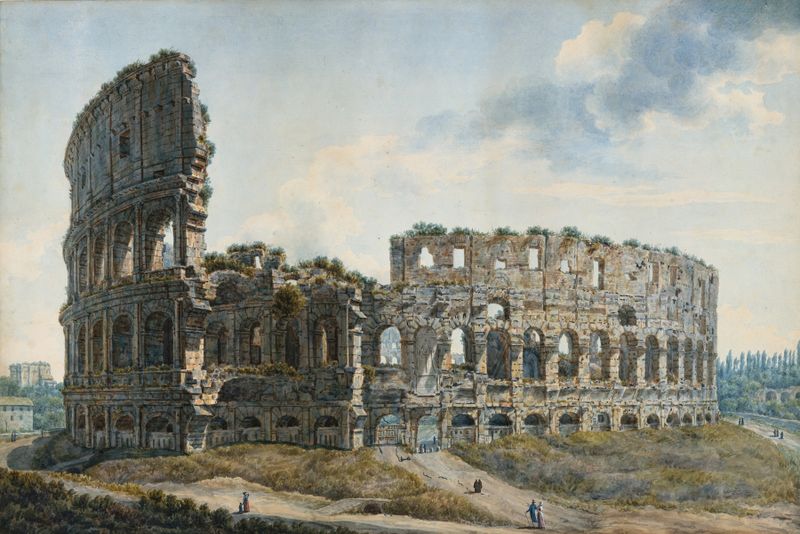
The Colosseum, Rome.
Abraham-Louis-Rodolphe Ducros
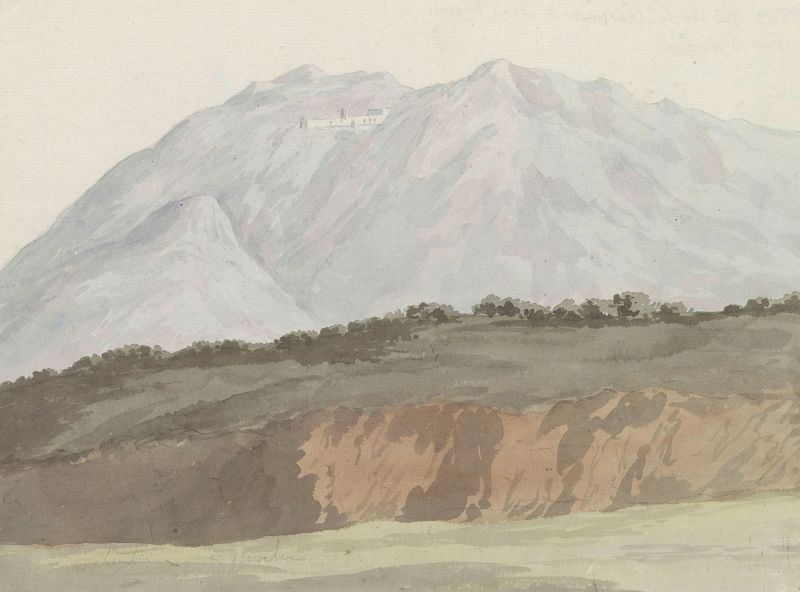
Gezicht op kartuizerklooster van Monte Vergine hoog gelegen boven Avellino
Abraham-Louis-Rodolphe Ducros
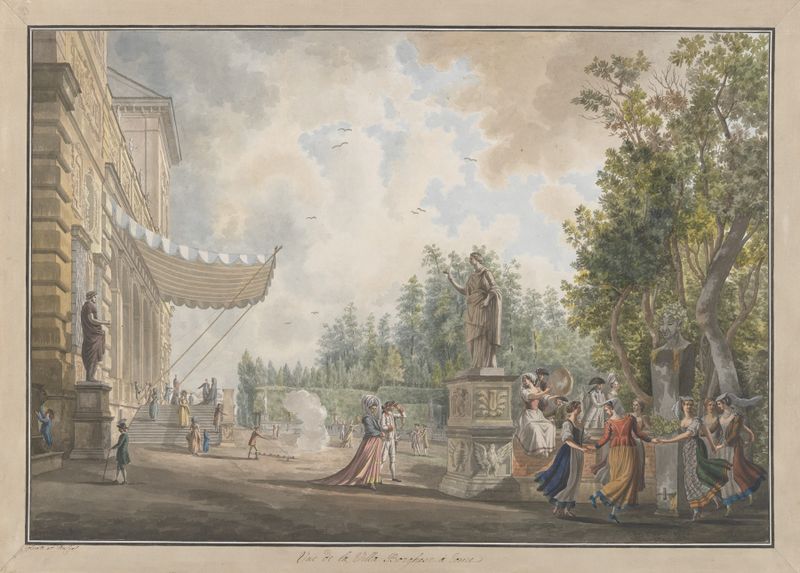
Villa Borghese
Abraham-Louis-Rodolphe Ducros
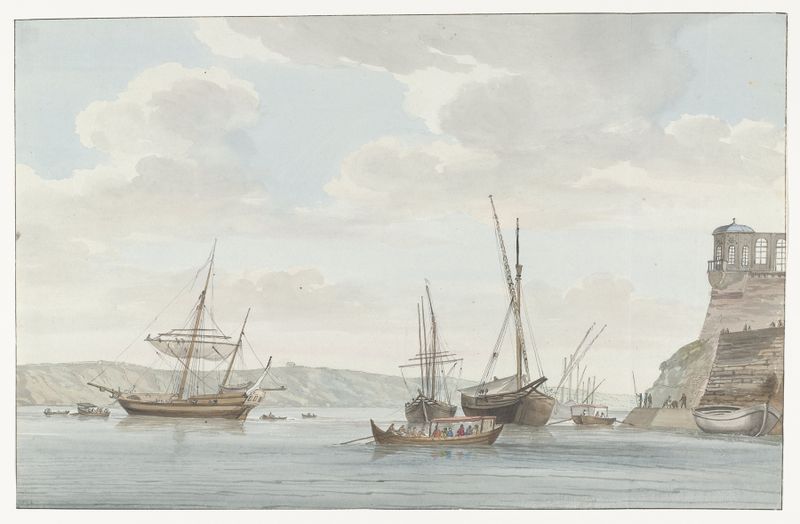
Tuinhuis van de Jardin du Grand Maître uittorend boven de haven met galei schepen op Malta
Abraham-Louis-Rodolphe Ducros
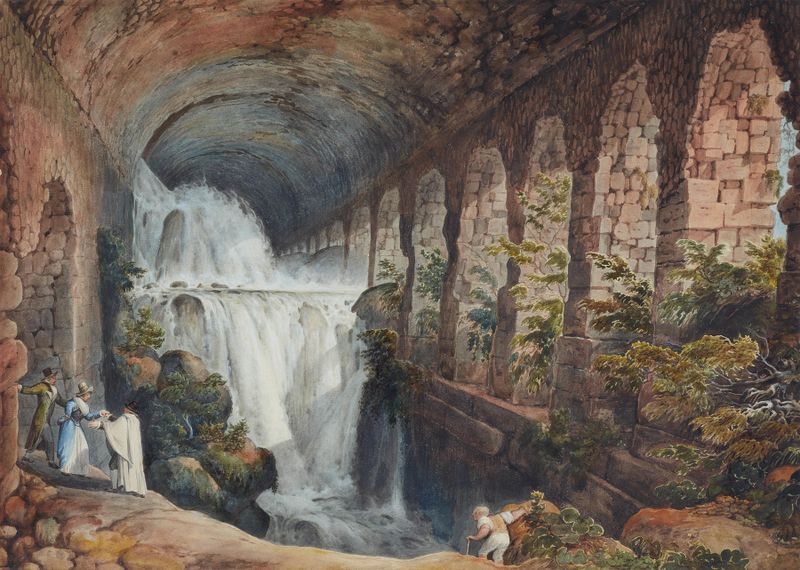
Aquädukt unter der Villa des Maecenas in Tivoli
Abraham-Louis-Rodolphe Ducros
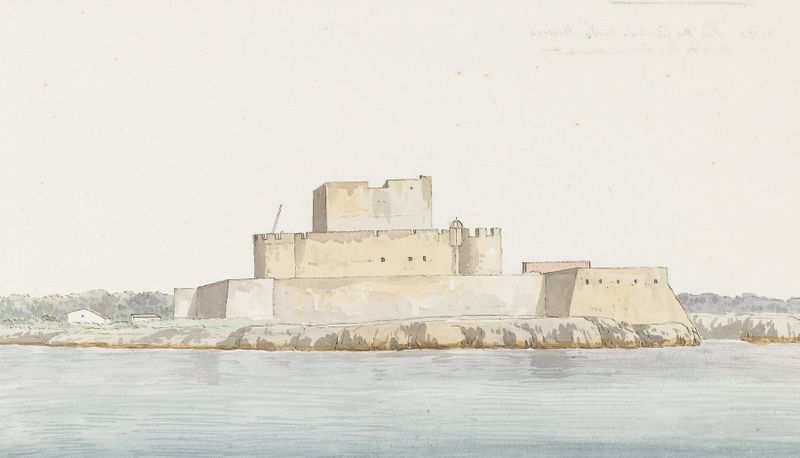
Gezicht op kasteel van San Mauro la Bruca vanaf zee bij aankomst
Abraham-Louis-Rodolphe Ducros





