
Fabriek — History & Facts
In Fabriek, Isaac Israëls captures a bustling urban scene filled with figures engaged in daily activities. The painting features a palette of muted colors, with browns, grays, and hints of brighter tones that suggest a lively environment. People are depicted in various poses, some walking, others conversing, creating a sense of movement and life.
The setting appears to be an industrial area, with buildings and machinery in the background, emphasizing the theme of modernity. The painting is executed in oil on canvas, showcasing Israëls' skill in rendering human figures and urban landscapes. The brushwork is loose yet deliberate, allowing for a sense of spontaneity while maintaining clarity in the details. The dimensions are approximately 80 x 100 cm, making it a sizable work that draws the viewer's attention.
The composition is well-balanced, with figures strategically placed to guide the eye through the scene. Isaac Israëls was a prominent Dutch painter known for his depictions of urban life and social scenes. Fabriek reflects his interest in the changing landscape of cities during the early 20th century. An interesting fact about this work is that it captures the essence of industrialization, a significant theme in Israëls' oeuvre, showcasing how modern life influenced the daily experiences of individuals.
This painting is part of a private collection, highlighting its value and significance in the art world.
More Artworks by Isaac Israëls

Interieur van een glasblazerij 2
Isaac Israëls
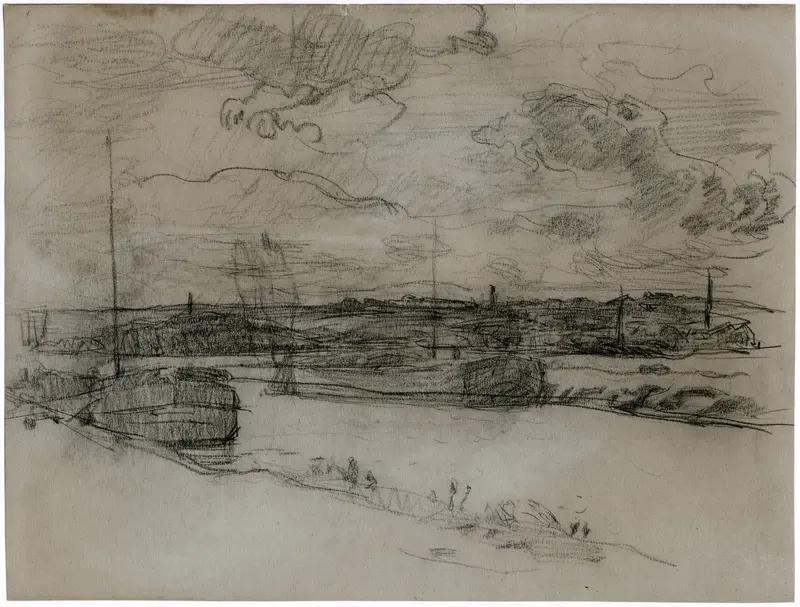
Kanaal met aan de oever fabrieksterrein
Isaac Israëls
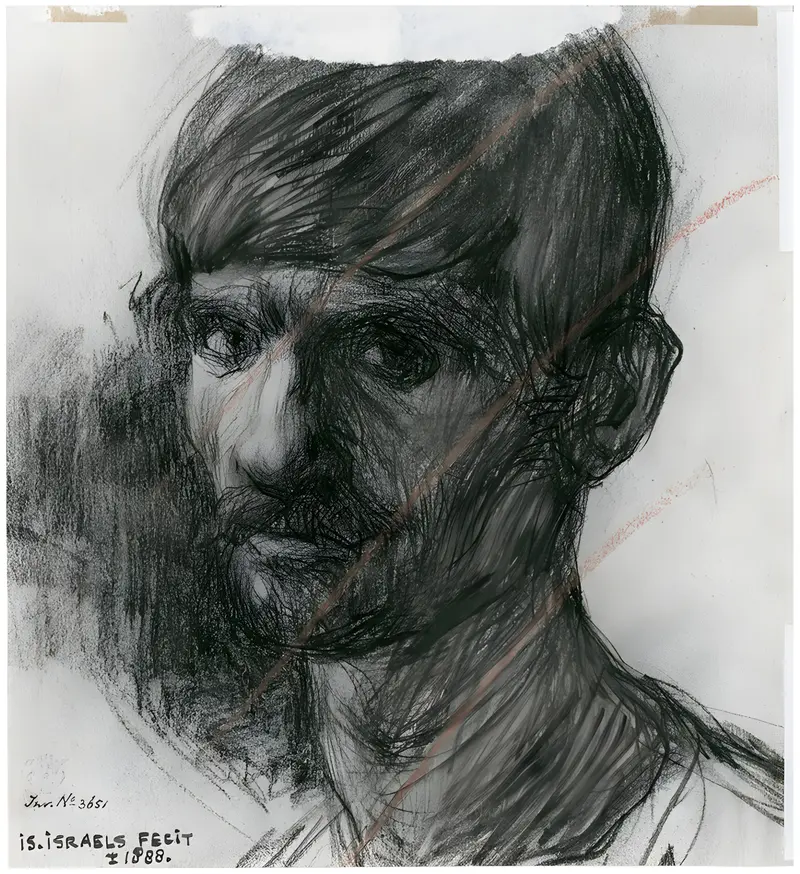
Kop van een man, portret van een arbeider 2
Isaac Israëls
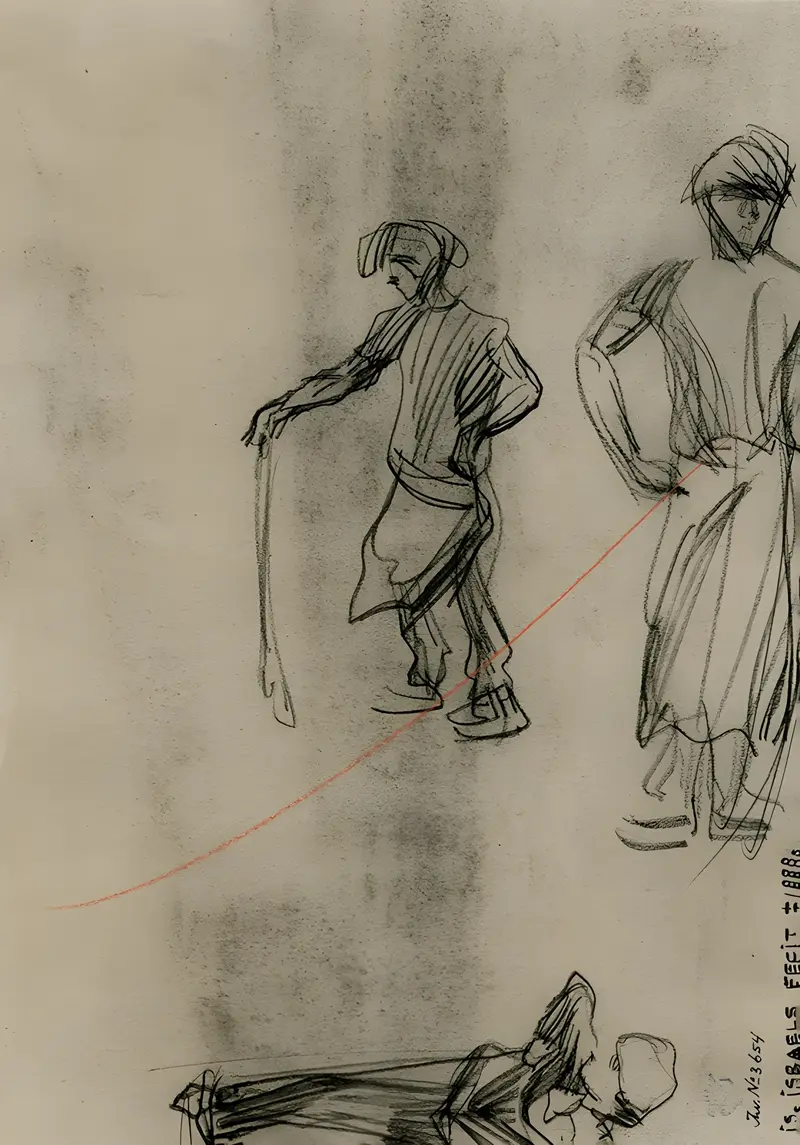
Glasblazers
Isaac Israëls
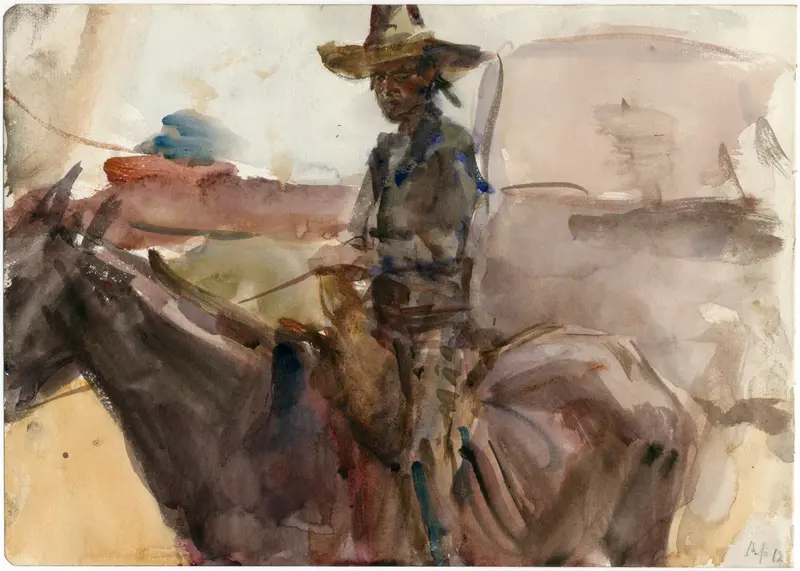
Cowboy te paard
Isaac Israëls

Mensen in de Venestraat te Den Haag bij avond
Isaac Israëls
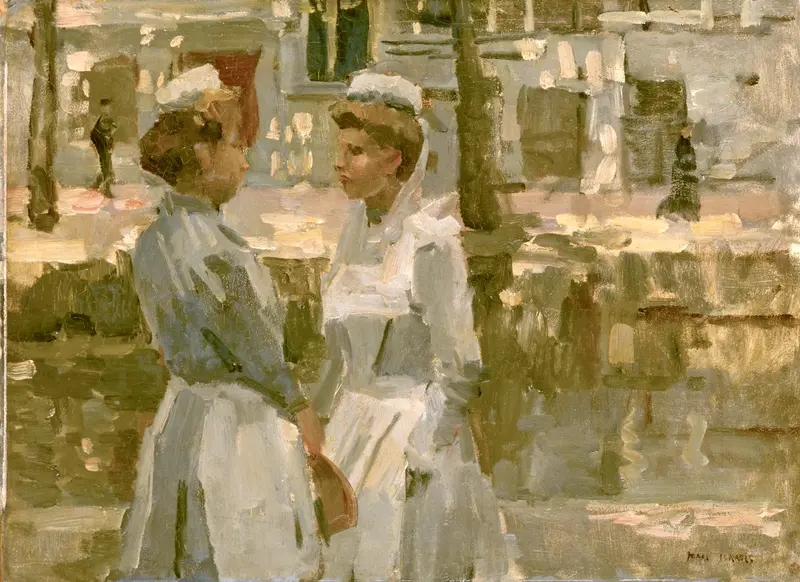
Dienstmeisjes op de Leidsegracht
Isaac Israëls
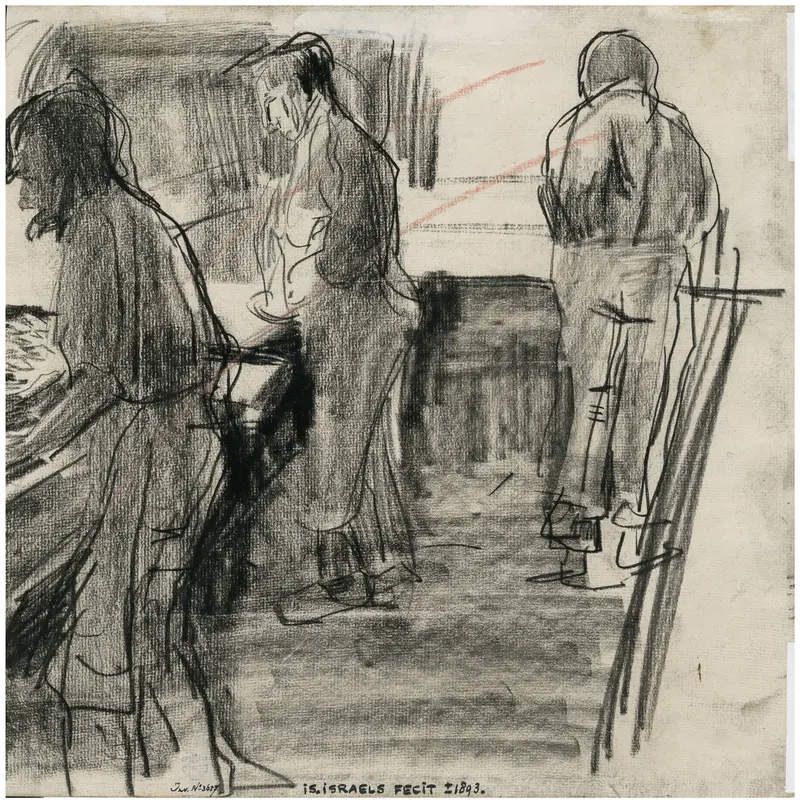
Drie keukenhulpen aan het werk
Isaac Israëls
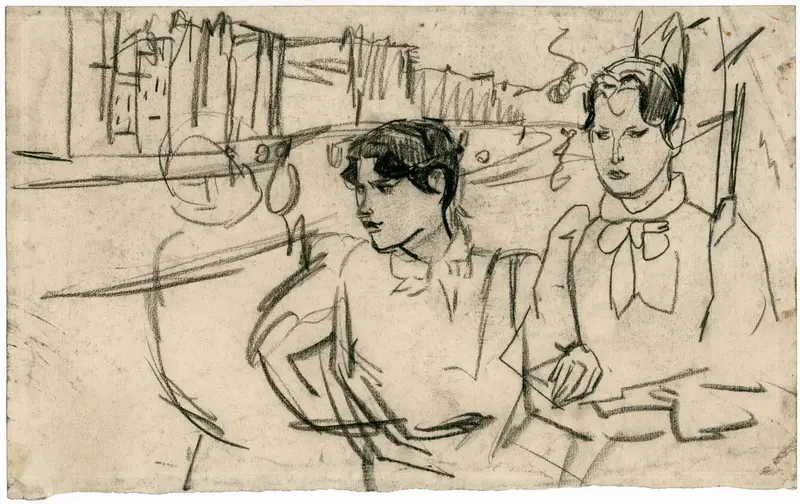
Drie vrouwen wandelen langs een gracht
Isaac Israëls
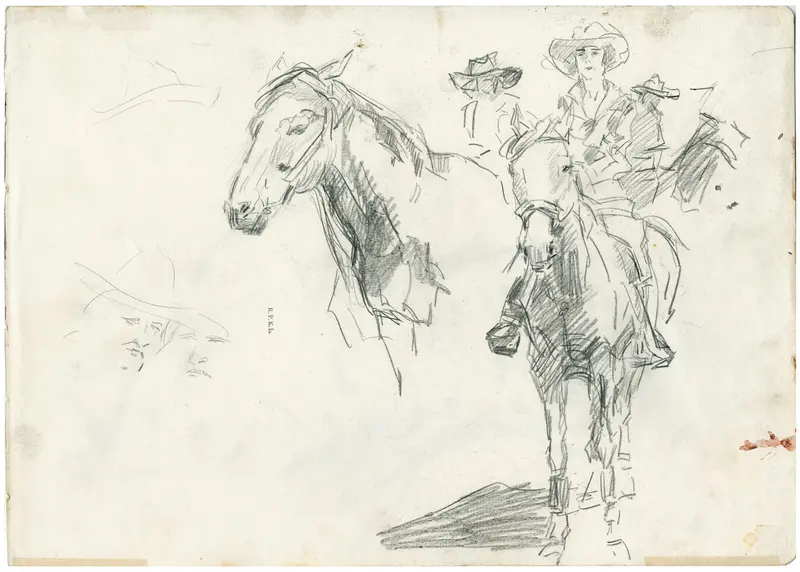
Vrouw te paard
Isaac Israëls
More Genre Scene Art

Banquet of the Officers of the St George Civic Guard
Frans Hals

Rembrandt and Saskia in the Scene of the Prodigal Son
Rembrandt van Rijn

Bal du moulin de la Galette
Pierre-Auguste Renoir

Quadrille at the Moulin Rouge
Henri de Toulouse-Lautrec

A Burial at Ornans
Gustave Courbet

When Will You Marry?
Paul Gauguin