
Fairies and squirrels in a forest — History & Facts
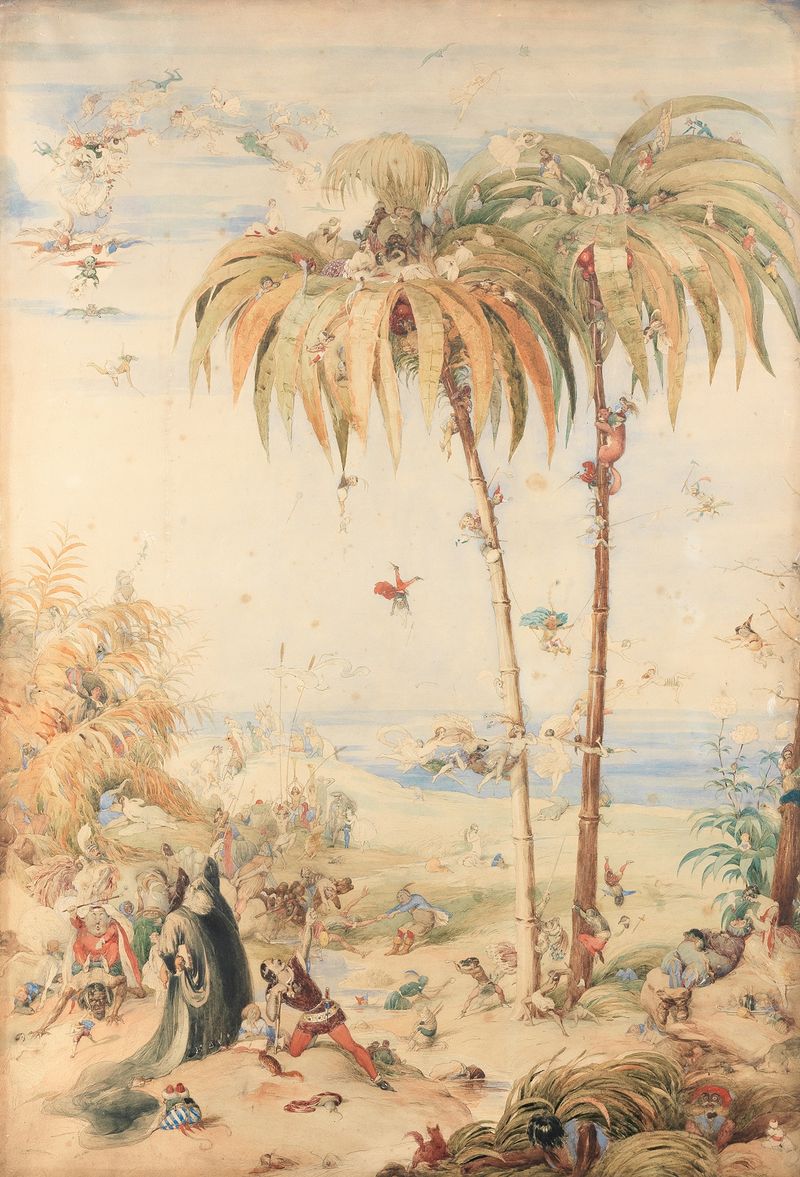
Where does light end, and longing begin? In the delicate realms of imagination, ecstasy dances on the edge of reality and fantasy, whispering secrets only the heart can decipher. Look closely at the enchanting tableau, and you’ll first notice the vibrant interplay of greens and golds that create an ethereal atmosphere. The sun filters through the leaves overhead, capturing the fluttering wings of fairies darting playfully around the forest, their translucent forms radiating warmth. Focus on the gentle curve of a tree branch to the left, where a curious squirrel watches the unfolding magic, its fur a soft russet against the cool, dappled shadows.
Each stroke of paint serves not just to depict a scene but to evoke a feeling of wonder and innocence. As you delve deeper, consider the contrast between the liveliness of the fairies and the grounded presence of the squirrel. The fairies, with their almost surreal grace, symbolize a fleeting joy—the capricious nature of childhood wonder—while the squirrel represents stability and the earthly pleasures of life. The juxtaposition draws attention to the tension between the ephemeral and the eternal, urging viewers to reflect on what it means to find joy in both the fantastical and the mundane. Richard Doyle created this whimsical artwork during a time when the Pre-Raphaelite movement was flourishing in England, although the exact date of this piece remains unclear.
As he painted, Doyle was immersed in a world that celebrated the beauty of nature and the magical realms of folklore, reflecting the Victorian fascination with the mystical. His work flourished in an era that merged romanticism with a keen appreciation for the enchanting details of life, capturing a moment that invites us to believe in the extraordinary.
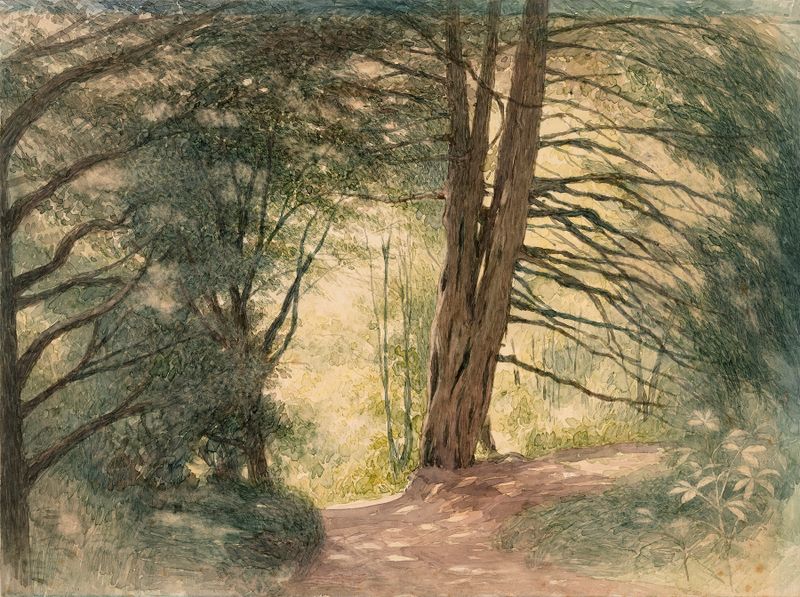
More Artworks by Richard Doyle
Browse all →
More Illustration Art
Browse all →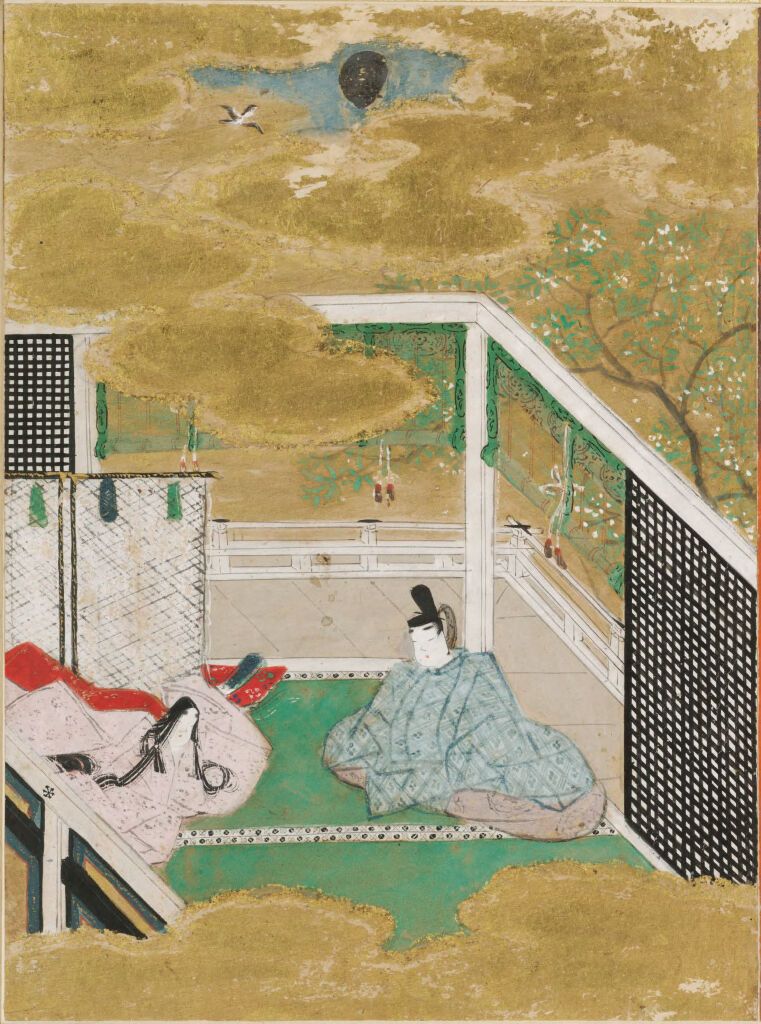
Falling Flowers (Hanachirusato), Illustration to Chapter 11 of the Tale of Genji (Genji monogatari)
Tosa Mitsunobu
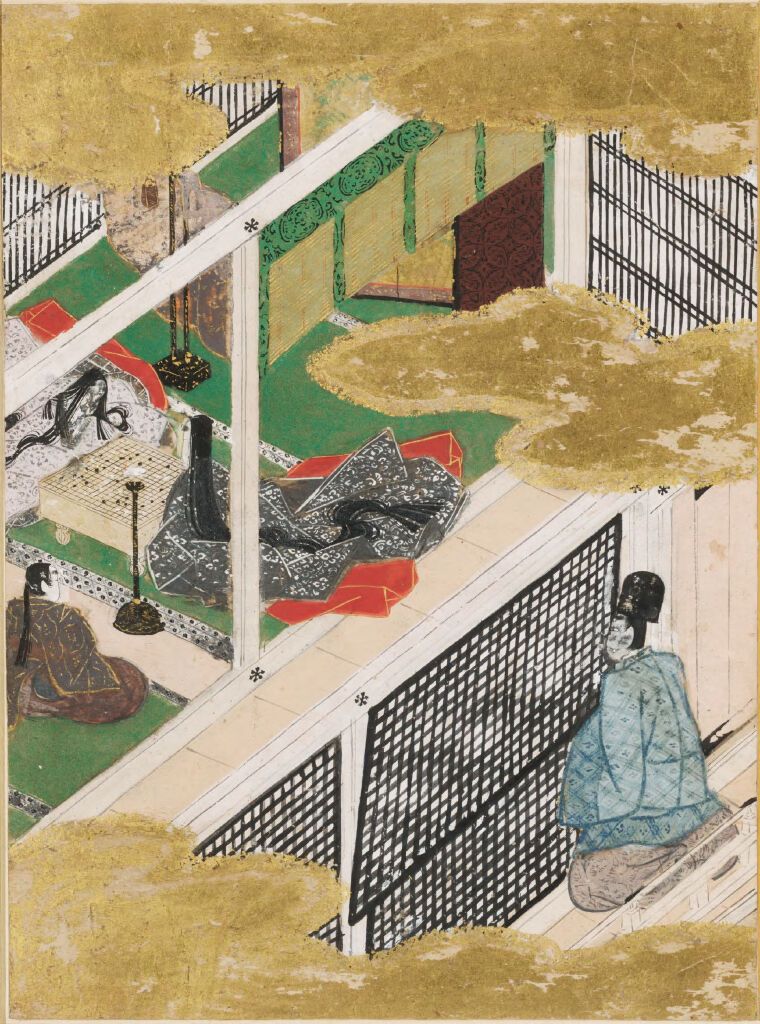
The Cicada Shell (Utsusemi), Illustration to Chapter 3 of the Tale of Genji (Genji monogatari)
Tosa Mitsunobu
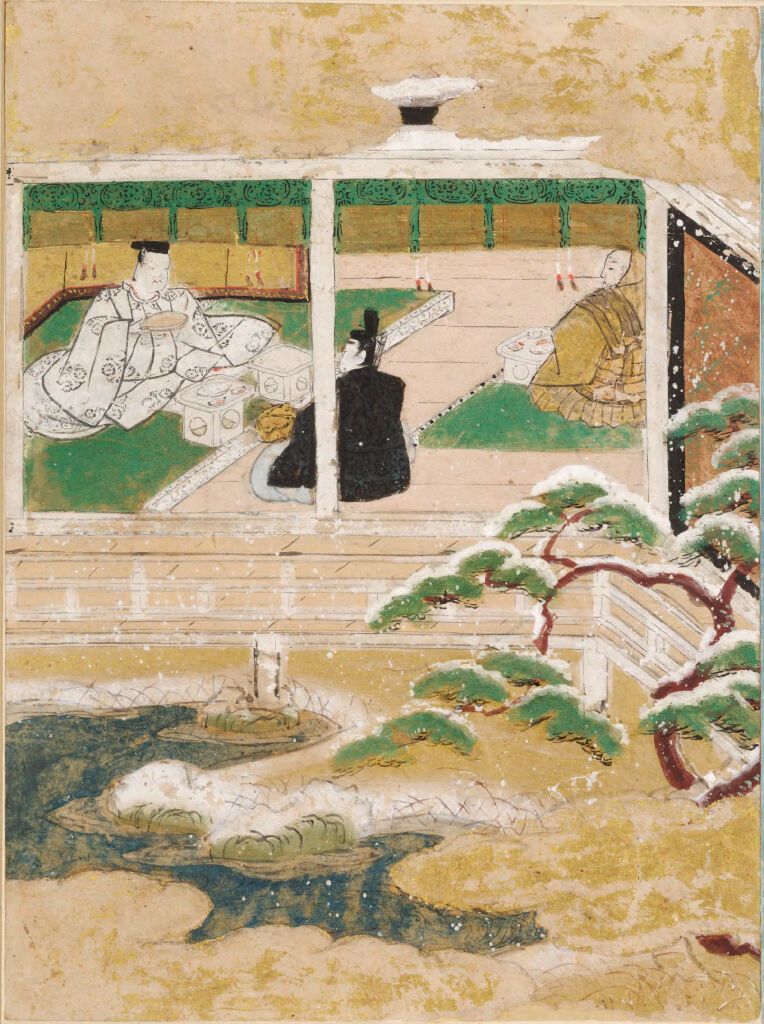
The Seer (Maboroshi), Illustration to Chapter 41 of the Tale of Genji (Genji monogatari)
Tosa Mitsunobu
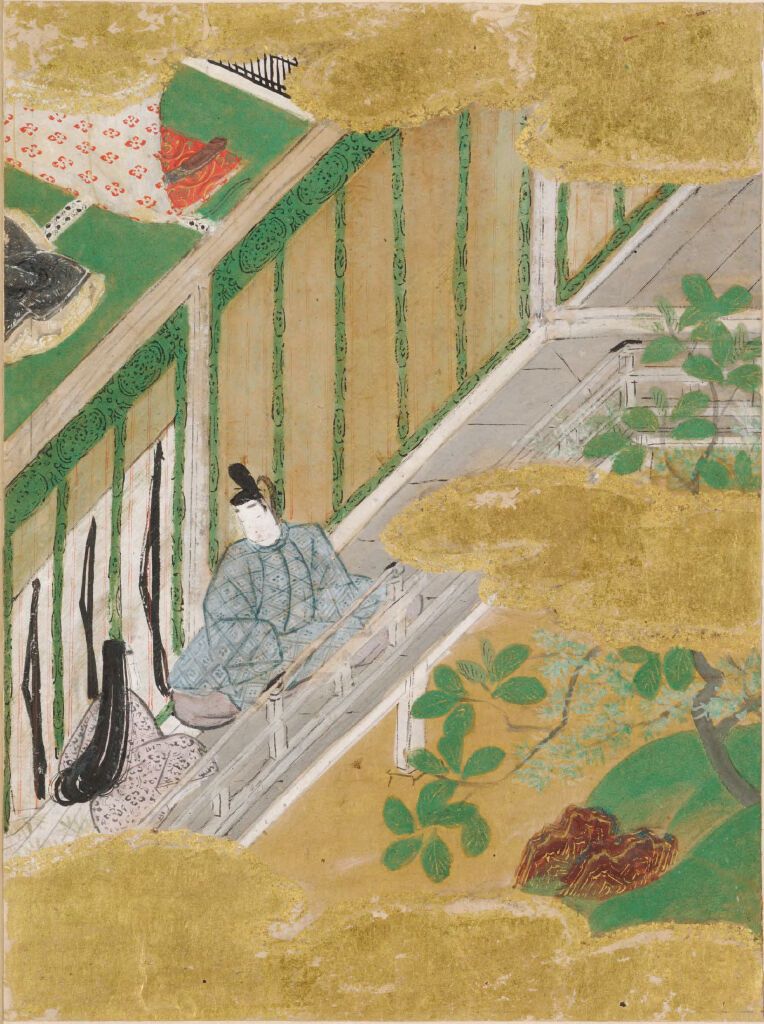
The Oak Tree (Kashiwagi), Illustration to Chapter 36 of the Tale of Genji (Genji monogatari)
Tosa Mitsunobu
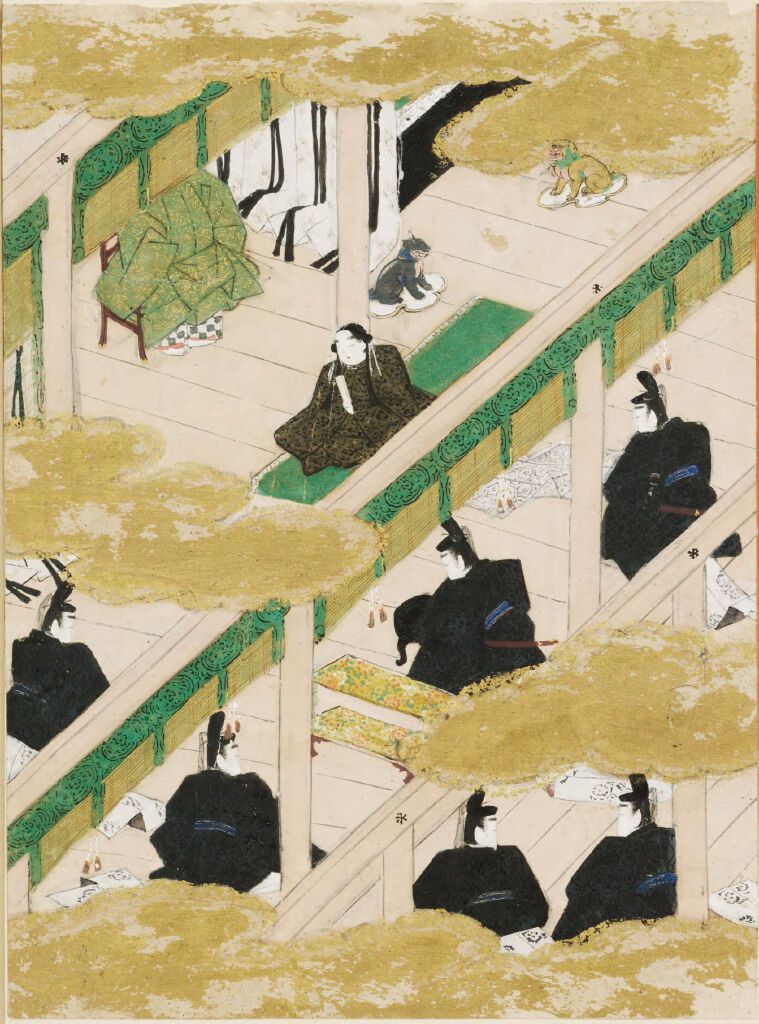
The Paulownia Pavilion (Kiritsubo), Illustration to Chapter 1 of the Tale of Genji (Genji monogatari)
Tosa Mitsunobu
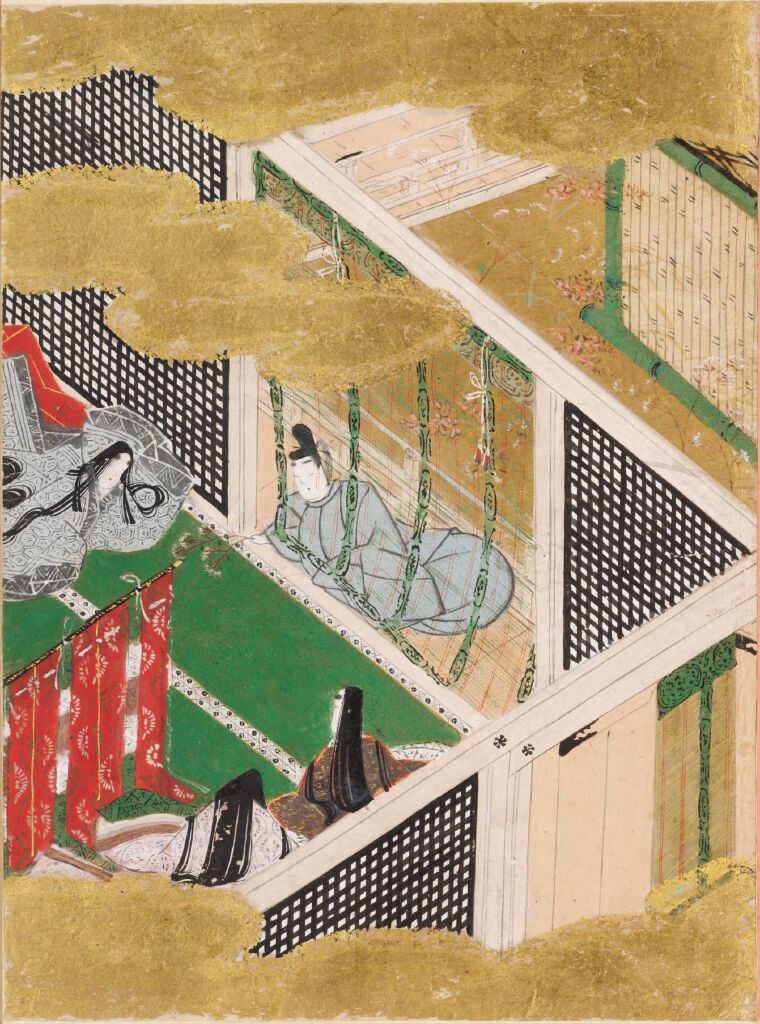
Thoroughwort Flowers (Fujibakama), Illustration to Chapter 30 of the Tale of Genji (Genji monogatari)
Tosa Mitsunobu