
Falls of Tivoli — History & Facts
In the delicate interplay of light and shadow, we find both revelation and introspection, a silent dialogue between nature and the viewer. Look closely at the luminous cascade in Falls of Tivoli. The gleaming water tumbles down the rocky ledges, each droplet captured with an almost ethereal quality. As your gaze follows the stream, notice how Corot masterfully balances the cool blues and greens of the landscape against the warm earth tones of the rocks, creating a harmonious yet dynamic composition that draws you deeper into the scene.
The dappled sunlight softens the edges of the foliage, inviting you to explore the serene depths of this tranquil world. Hidden within the beauty lies a profound tension. The rushing water, while vibrant and alive, contrasts with the stillness of the surrounding trees, suggesting the ever-present conflict between motion and repose. The careful layering of paint reveals textures and nuances, each brushstroke embodying the serenity of nature yet echoing the yearning for connection.
The interplay of light is not merely aesthetic; it conveys a yearning for clarity amidst the chaos of existence, a reminder of the transient nature of both life and beauty. Corot created Falls of Tivoli during a pivotal moment in his career, likely in the mid-19th century, as he sought to capture the essence of landscape painting. Living in Paris, he was influenced by the burgeoning Romantic movement and the desire to evoke emotion through natural scenes. This period marked a shift towards a more personal expression in art, elevating the landscape to a cherished subject worthy of exploration and reverence.
More Artworks by Jean-Baptiste-Camille Corot
Browse all →
View of Genoa
Jean-Baptiste-Camille Corot
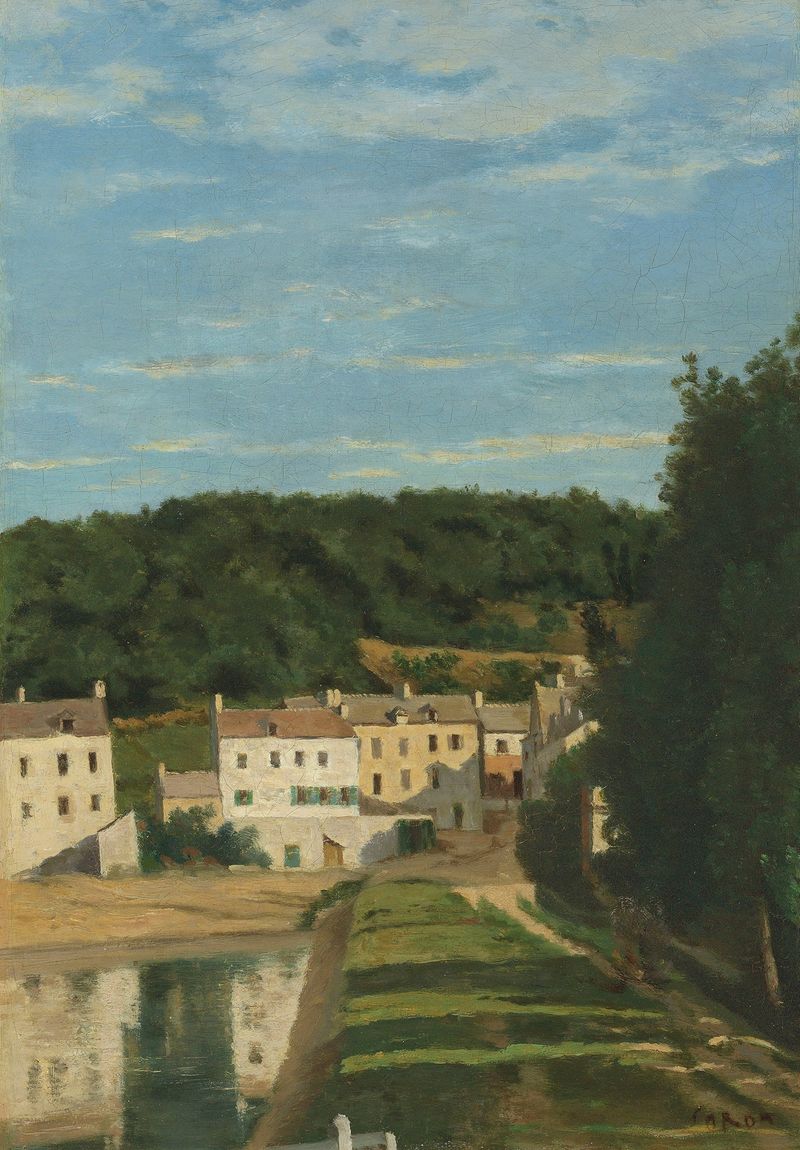
Les Maisons Cabassud À Ville D’avray
Jean-Baptiste-Camille Corot

La solitude. Souvenir de Vigen (Limousin)
Jean-Baptiste-Camille Corot
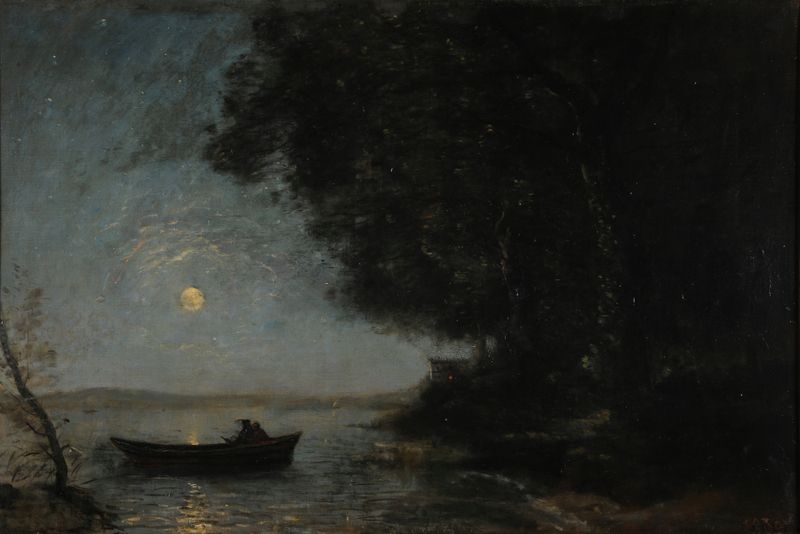
Le lac ; effet de nuit
Jean-Baptiste-Camille Corot
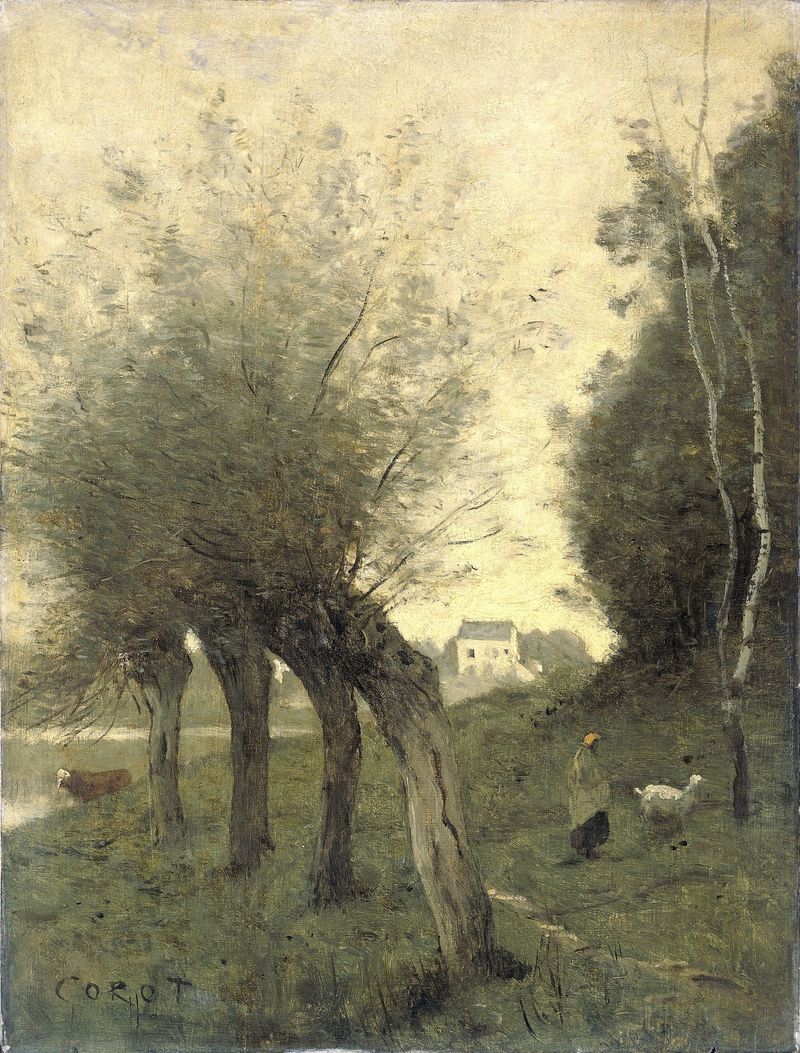
Landscape with Pollard Willows
Jean-Baptiste-Camille Corot
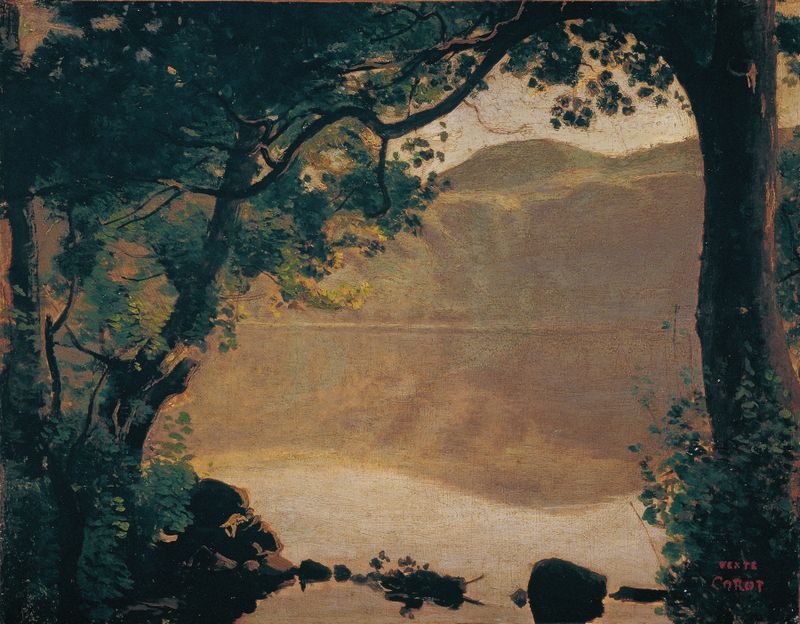
Der Nemisee
Jean-Baptiste-Camille Corot
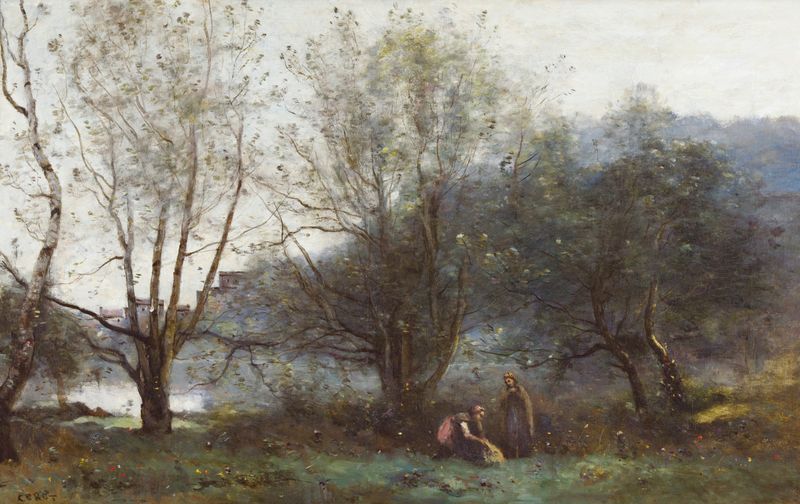
Les Étangs De Ville D’avray
Jean-Baptiste-Camille Corot
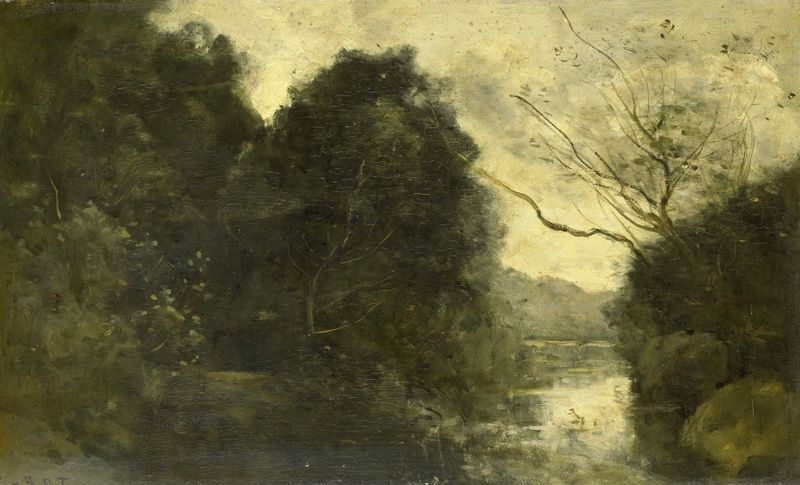
Pond in the Woods
Jean-Baptiste-Camille Corot
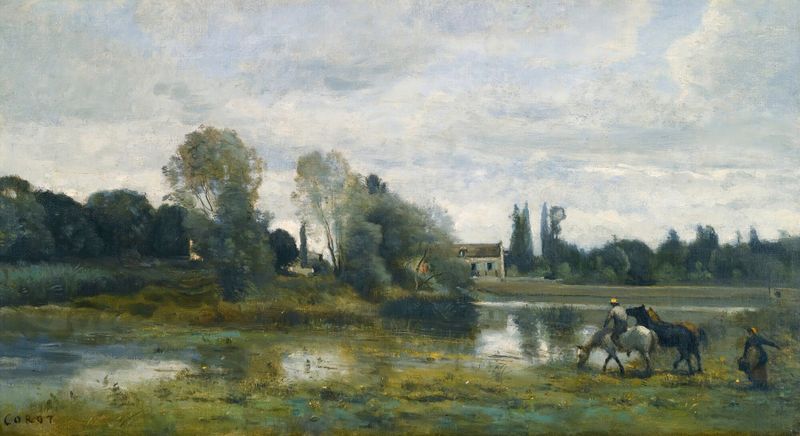
Ville D’avray; L’abreuvoir Des Chevaux
Jean-Baptiste-Camille Corot
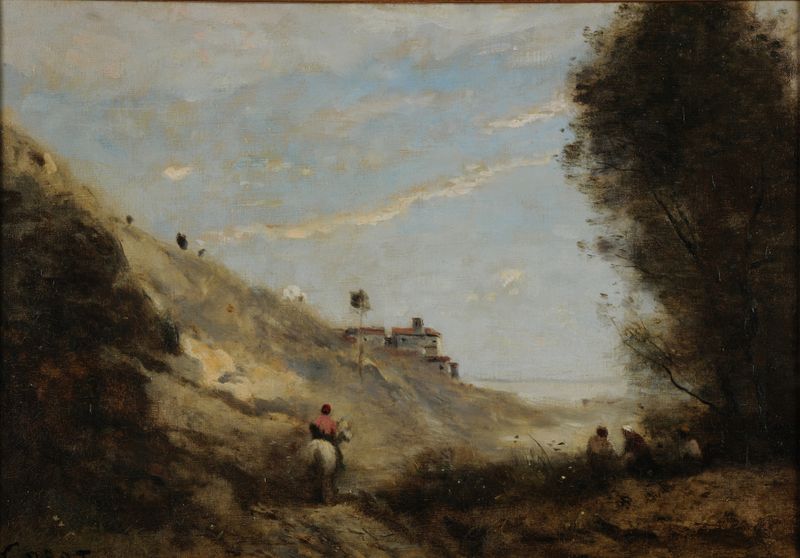
Le vallon au cavalier
Jean-Baptiste-Camille Corot





