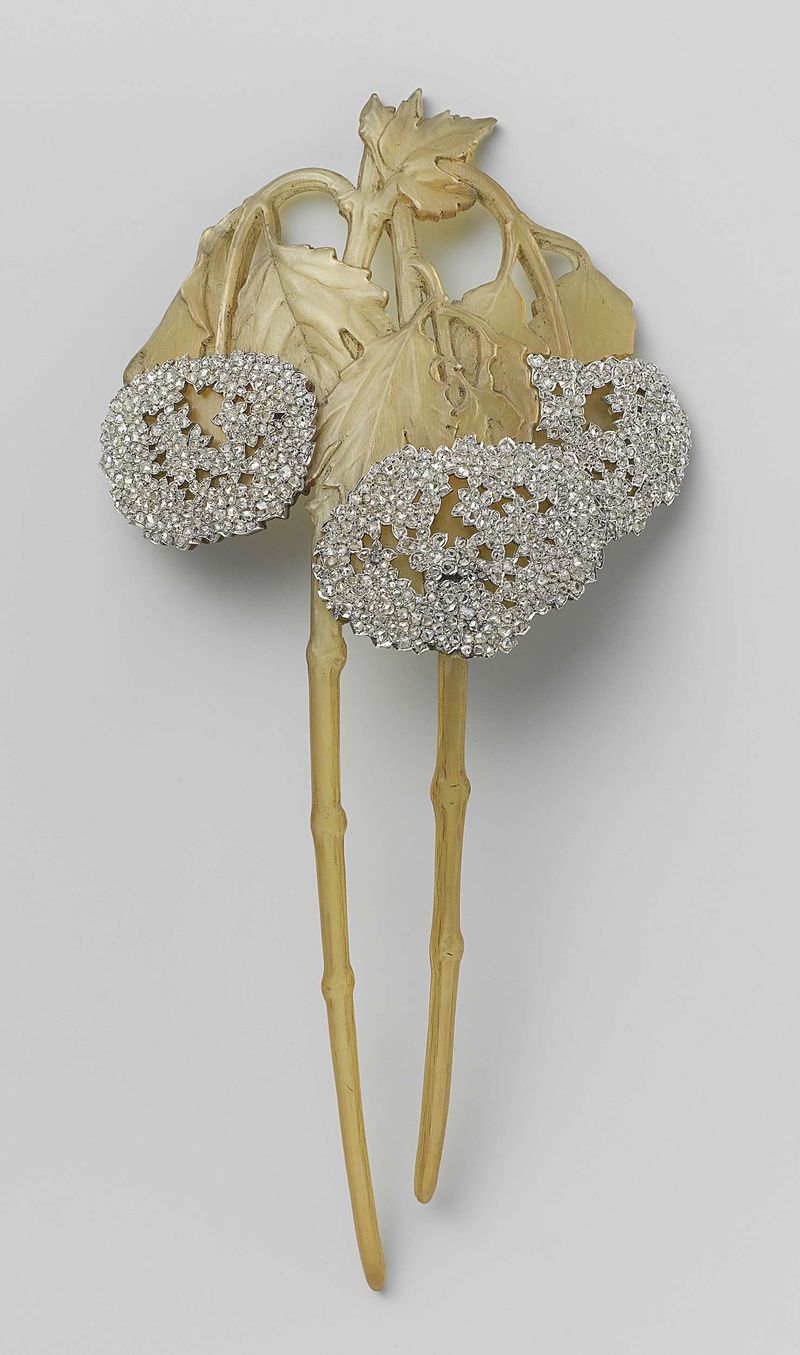
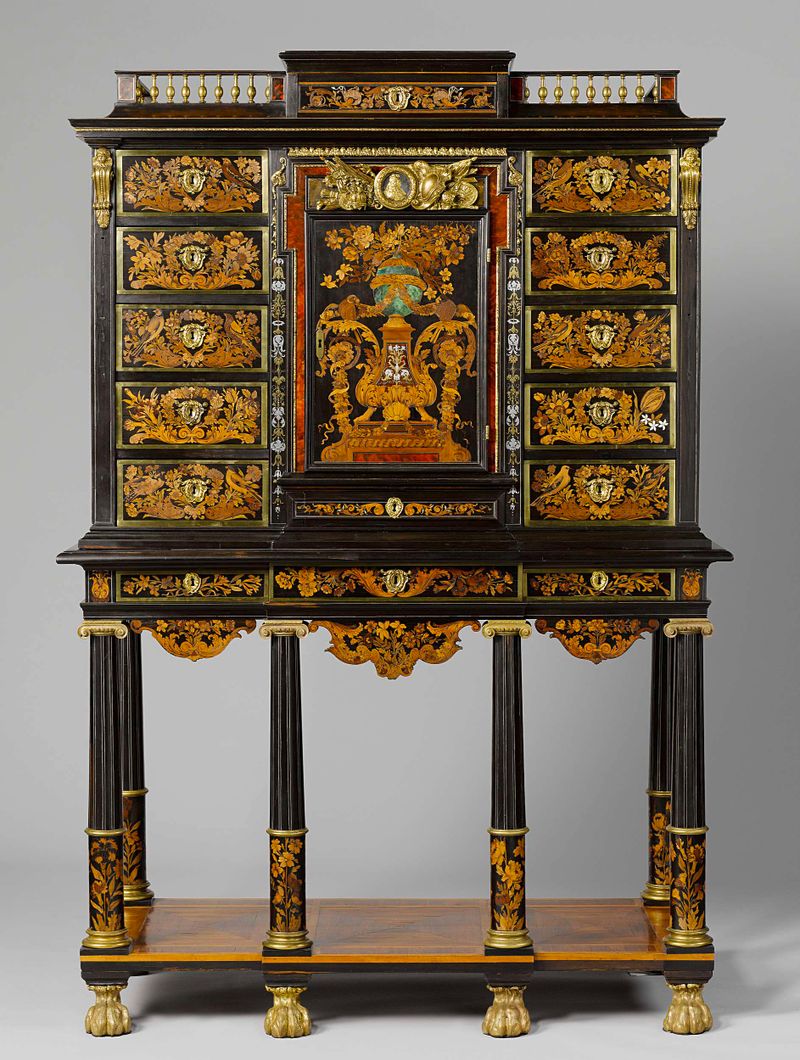
Fanchon van applicatiekant met moesjesfond — History & Facts
When did color learn to lie? The interplay of hues and shades in this piece invites us to question the very authenticity of visual experience, hinting at the complexities behind artistic legacy. Look closely at the intricate patterns that weave across the surface, where delicate lines dance between soft pastels and deeper tones. Notice how the fluid strokes create an illusion of depth, drawing your eye towards the focal point – an ornate arrangement that holds both precision and spontaneity. The arrangement of colors suggests both harmony and tension, revealing an underlying narrative woven within each brushstroke. As you delve deeper, consider the contrasts of light and shadow that define this work.
There’s a tension between the ephemeral beauty of the motifs and the permanence of their execution. This duality may reflect the artist's exploration of transient moments in life, captured forever in a medium that ages with time, much like the memories we cherish. The choice of colors signifies not just aesthetic pleasure but hints at emotional legacies—echoes of experiences layered beneath the surface. This artwork surfaced during a period marked by rapid developments in artistic expression, roughly between 1870 and 1899.
The artist, whose name remains in the shadows, likely experienced the transitional movements of realism and impressionism that were reshaping perceptions of art. The legacy of this era was one of innovation and experimentation, with creators often grappling with the balance between tradition and modernity—an exploration that undoubtedly influenced the creation of this captivating piece.
More Artworks by Unknown Artist
Browse all →
Ridder, Dood en Duivel
Unknown Artist
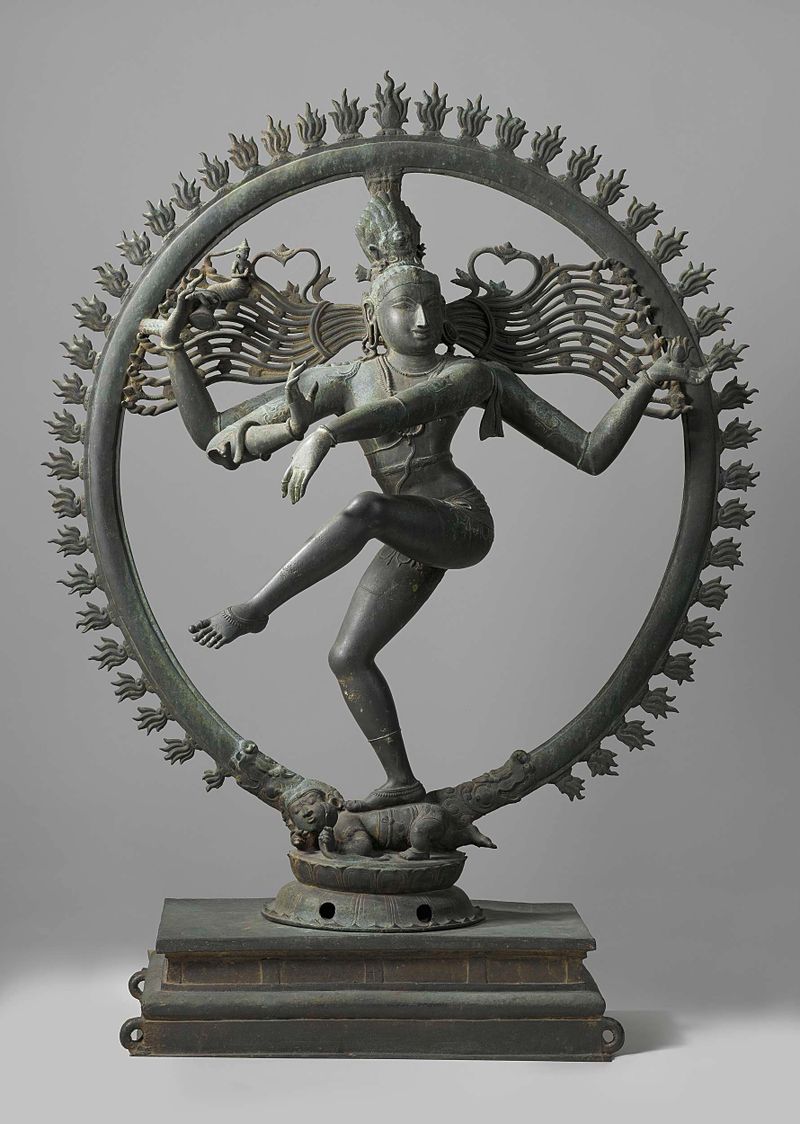
Shiva Nataraja
Unknown Artist
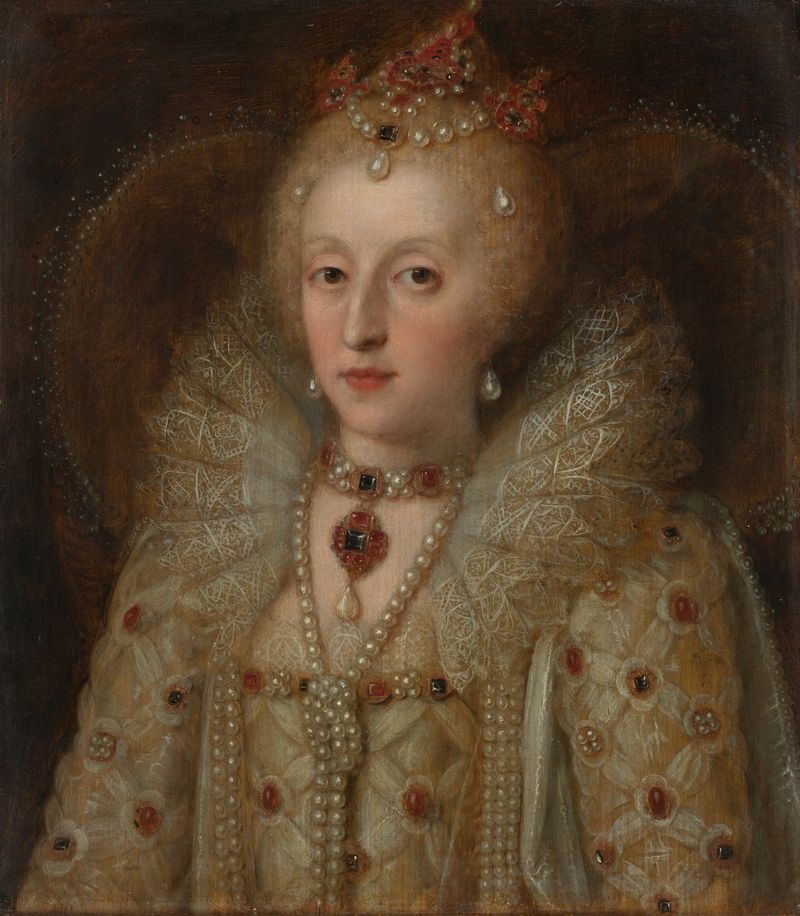
Portrait of Elizabeth I, Queen of England
Unknown Artist
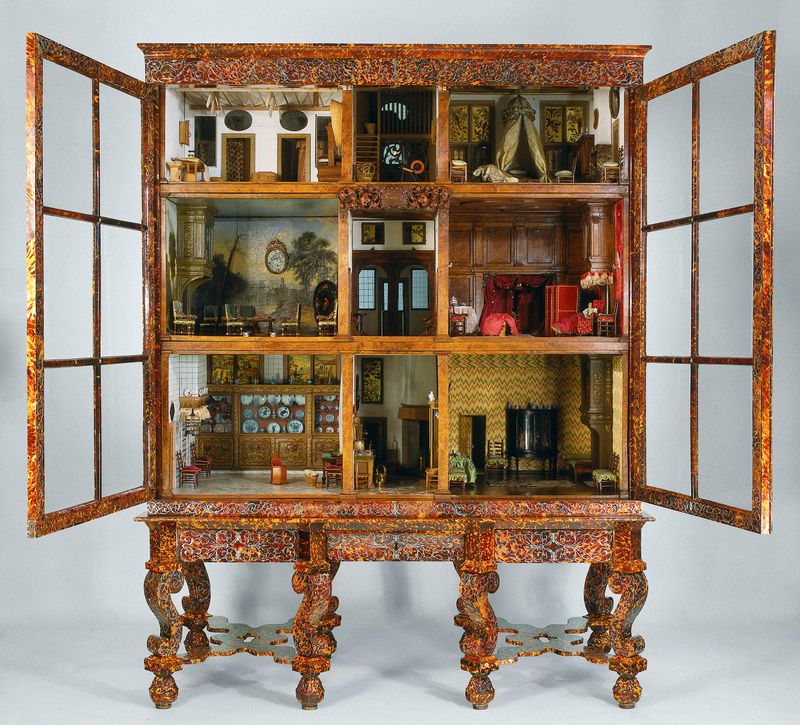
Dolls’ house of Petronella Oortman
Unknown Artist
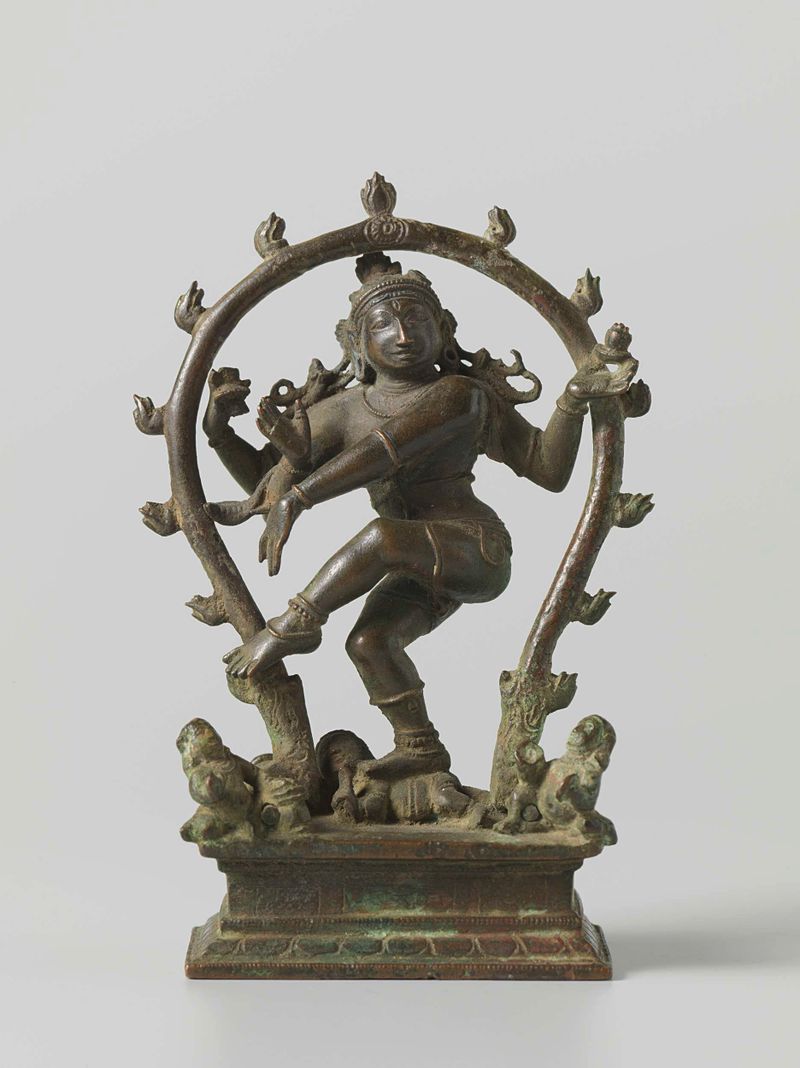
Shiva Nataraja
Unknown Artist

The Tale of Genji
Unknown Artist

The Tale of Genji
Unknown Artist

Cong
Unknown Artist
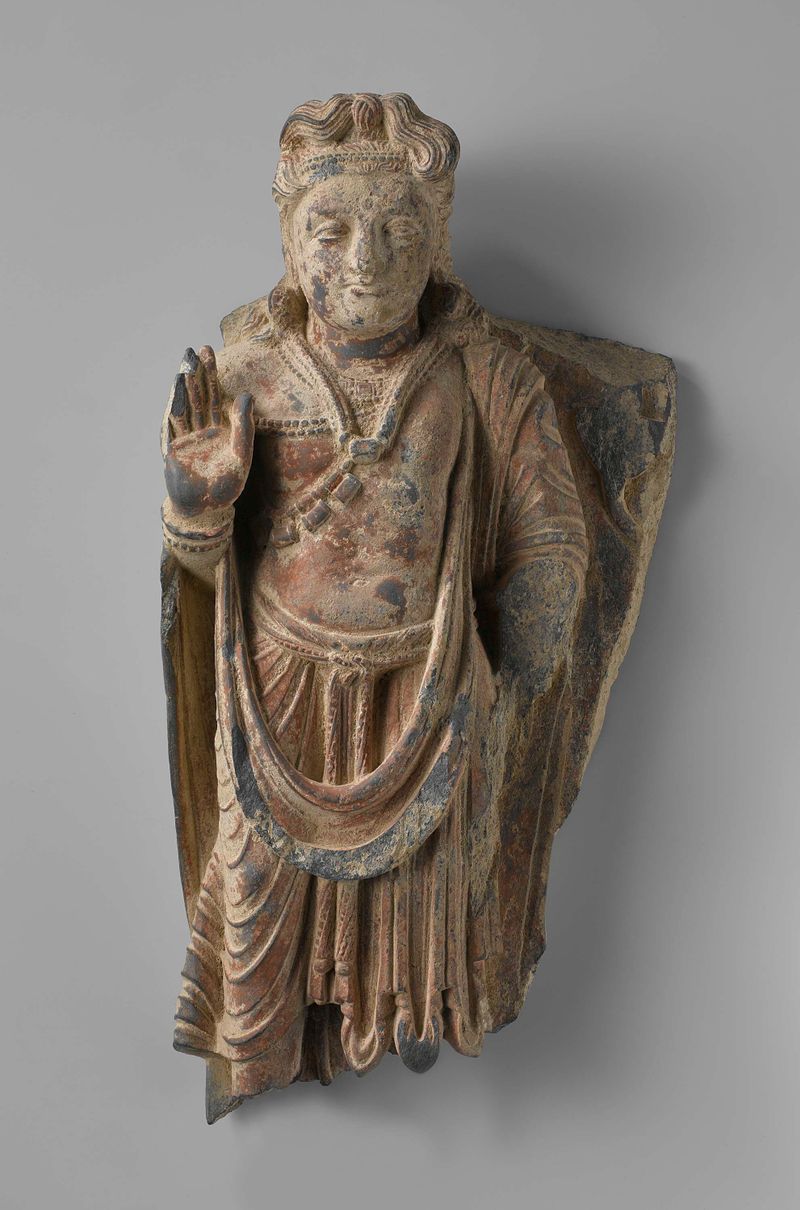
The bodhisattva Maitreya
Unknown Artist

Teabowl with a 'hare's fur' glaze
Unknown Artist