
Farm in an Alpine village — History & Facts
Could a single brushstroke hold eternity? In the soft embrace of sunlight filtering through the mountains, the desire for simplicity and connection is palpable in every corner of Farm in an Alpine village. Focus on the verdant fields that cradle the rustic homestead, where the greens are alive, blending seamlessly into the distant peaks. Notice how the light dances across the surface, illuminating the textures of the thatched roofs and casting gentle shadows that suggest warmth. The composition draws the viewer's eye toward the humble abode, inviting contemplation of the lives lived within its walls, while the cool blues and earth tones create a harmonious balance that feels both nostalgic and timeless. Delve deeper into the contrasts at play: the stillness of the farmstead juxtaposed with the dynamic landscape that surrounds it.
Each stroke conveys a longing for connection to nature, yet hints at the isolation of rural life. The detailed foliage and the sweeping mountains evoke a sense of serenity, while the absence of people highlights an unspoken yearning for presence amidst the beauty—an echo of the human experience tinged with solitude. In 1847, Arthur Blaschnik painted this work during a time of profound change in Europe, where burgeoning industrialization threatened the tranquil existence of rural life. He was influenced by the Romantic movement, which celebrated nature and the emotional range of human experience.
This piece not only reflects the picturesque villages of his native lands but also serves as a lament for a simpler time, capturing the essence of desire that resonates across generations.
More Artworks by Arthur Blaschnik
Browse all →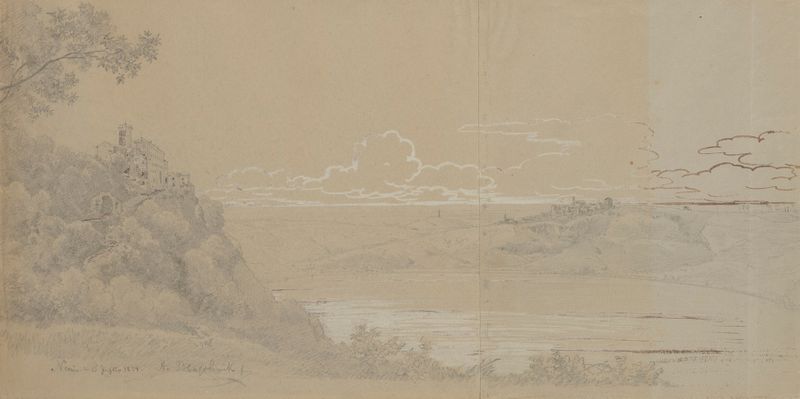
Palazzo Ruspoli by Lake Nemi, in the Distance the Town of Genzano di Roma
Arthur Blaschnik
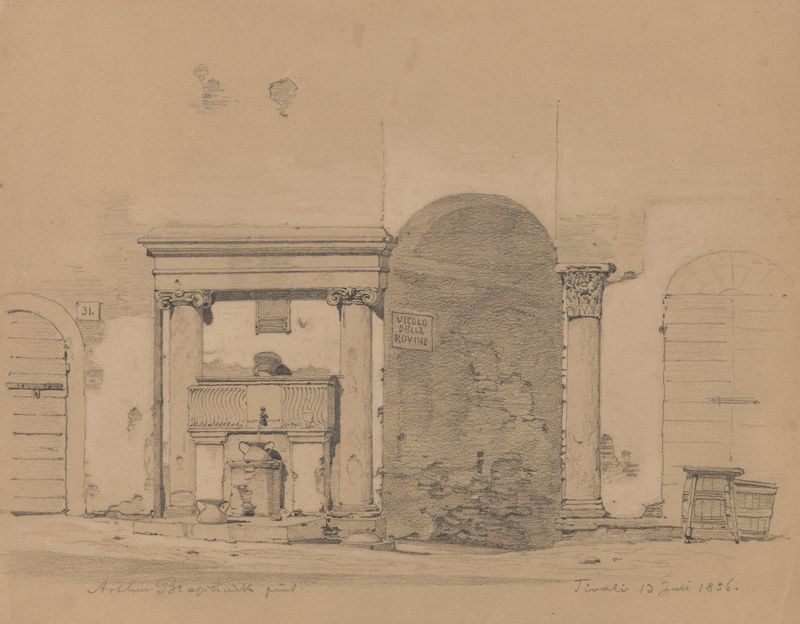
Gate Leading to Vicoli dei Grana near Piazza Palatina in Tivoli
Arthur Blaschnik
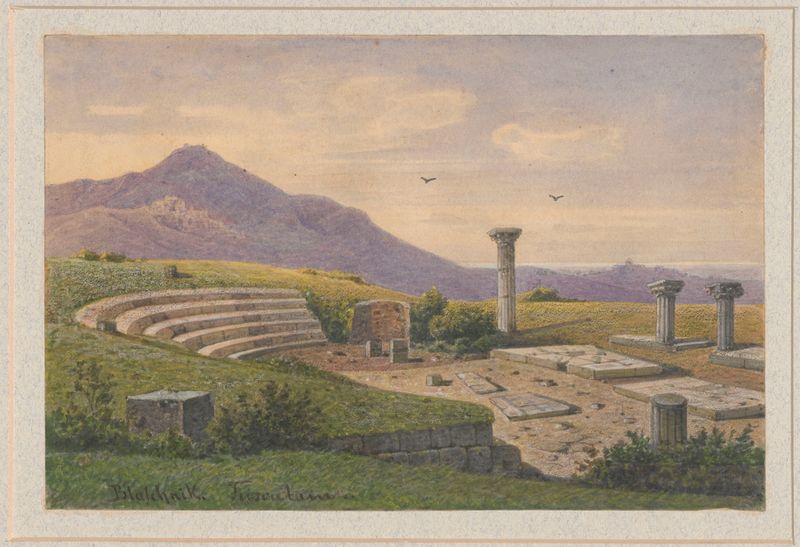
Amphitheatre in Tusculum
Arthur Blaschnik
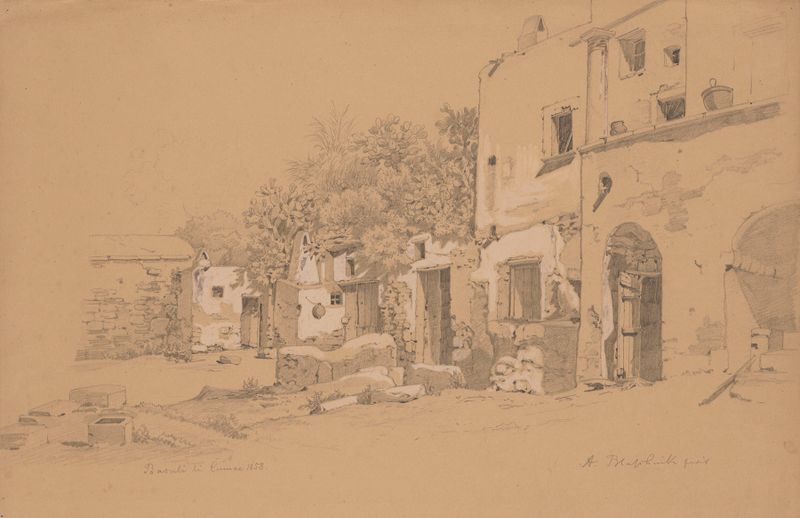
House and Outbuildings in Bacoli
Arthur Blaschnik
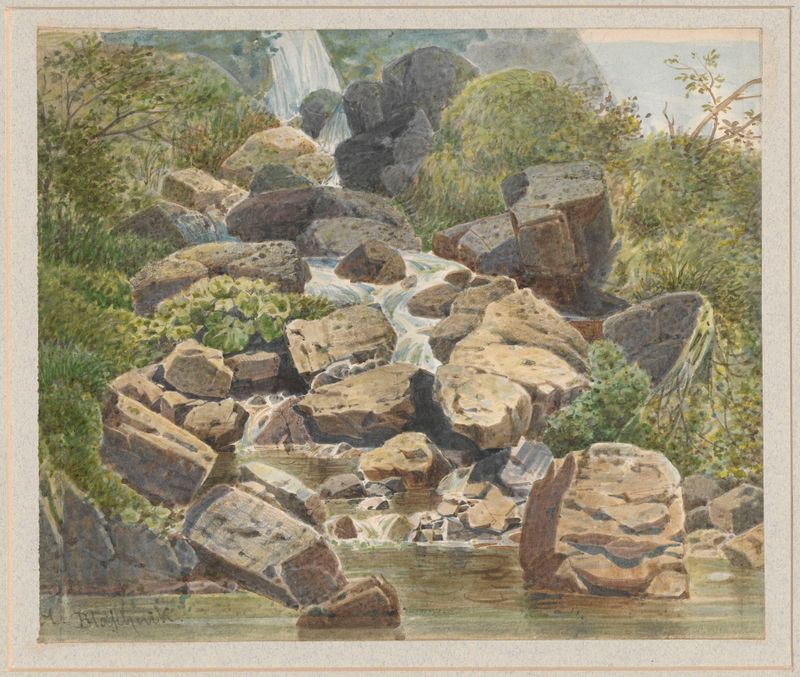
View of a small waterfall near Covigliaio, Tuscany
Arthur Blaschnik
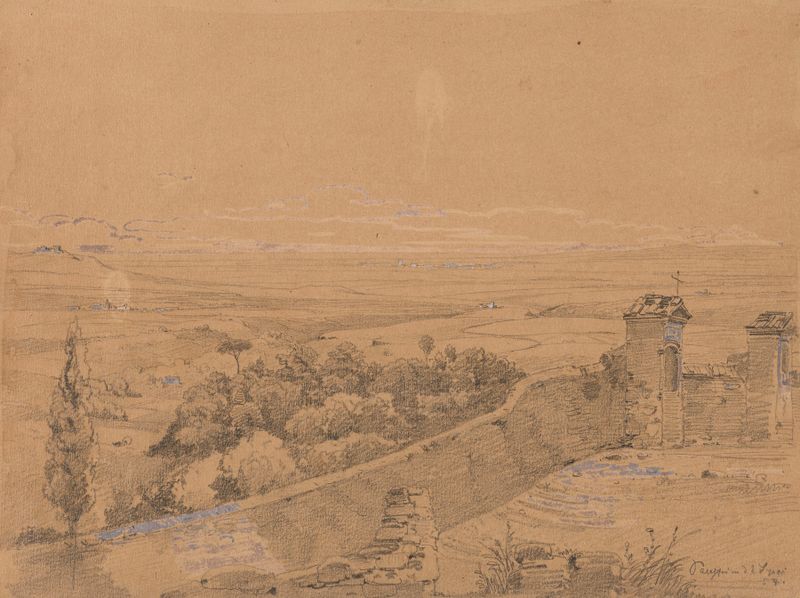
Landscape from the Vicinity of Palestrina
Arthur Blaschnik
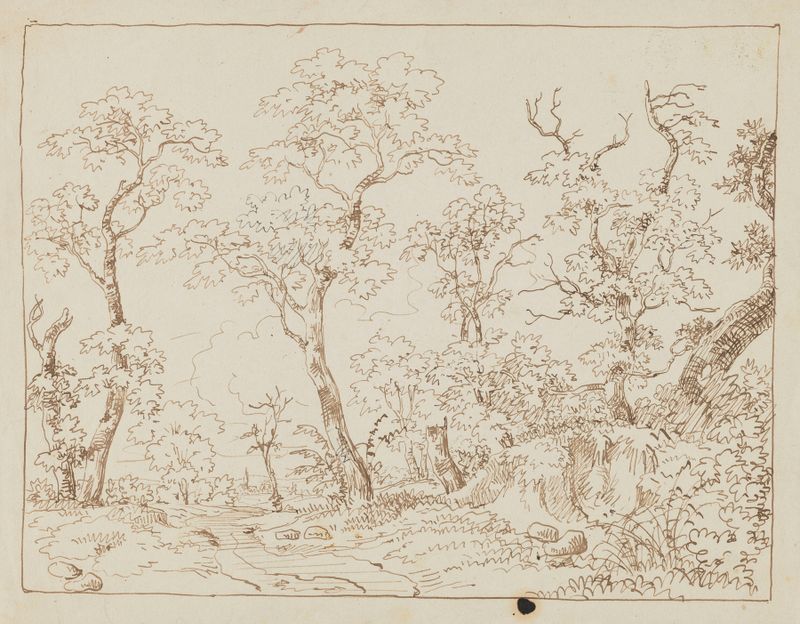
Studies of Trees, Landscape
Arthur Blaschnik
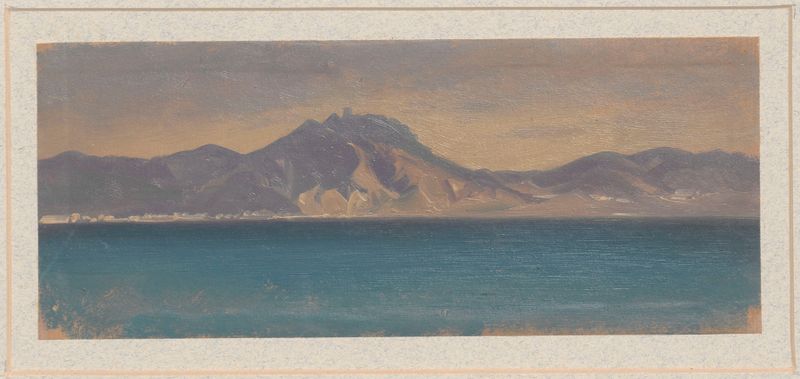
View of the Island of Capri
Arthur Blaschnik
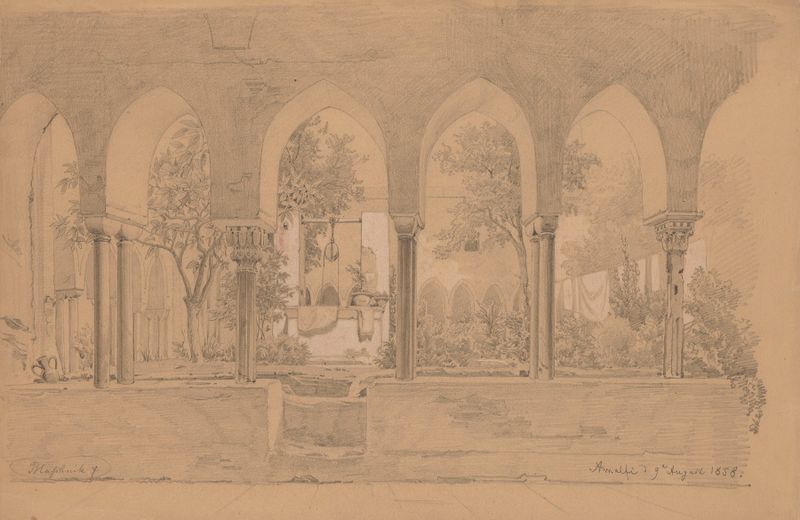
Cloister with Arcade Gallery in Amalfi
Arthur Blaschnik
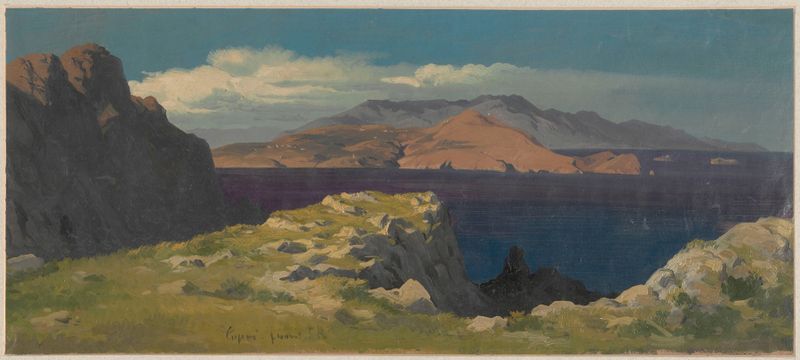
View of Capri
Arthur Blaschnik





