
Farm with Poplar Trees of Holland — History & Facts
Can paint confess what words never could? In Farm with Poplar Trees of Holland, the canvas speaks of tranquil beauty overshadowed by an unsettling tension, a silent drama lurking beneath the surface of pastoral peace. Look to the left at the towering poplar trees, their slender forms reaching skyward as if yearning for something just beyond the horizon. The vibrant greens of the foliage contrast sharply with the muted earth tones of the farm, drawing the viewer's eye to the separation between nature and human endeavor. Notice how the light dances across the fields, casting elongated shadows that suggest the presence of unseen forces, whispering stories of both cultivation and destruction in a world on the brink of transformation. Beyond the idyllic scene lies a poignant dichotomy.
The vibrant colors evoke a sense of life and vitality, yet the looming presence of the trees hints at decay and solitude. The calmness of the farm belies the underlying currents of change—of wars raging beyond the idyllic countryside and the discord that would soon envelop Europe. Each brushstroke captures a fleeting moment, yet within this stillness, there is an echo of an inevitable violence that history would soon unleash. In 1914, as the artist painted, Europe teetered on the edge of World War I.
Living in France, Lepère witnessed the rising tensions and the impending chaos that would alter the landscape of art and society. This period marked a significant shift in artistic expression, reflecting the disillusionment and unrest that permeated the air, ultimately influencing the themes of his work as he grappled with the fragility of peace.
More Artworks by Auguste Louis Lepère
Browse all →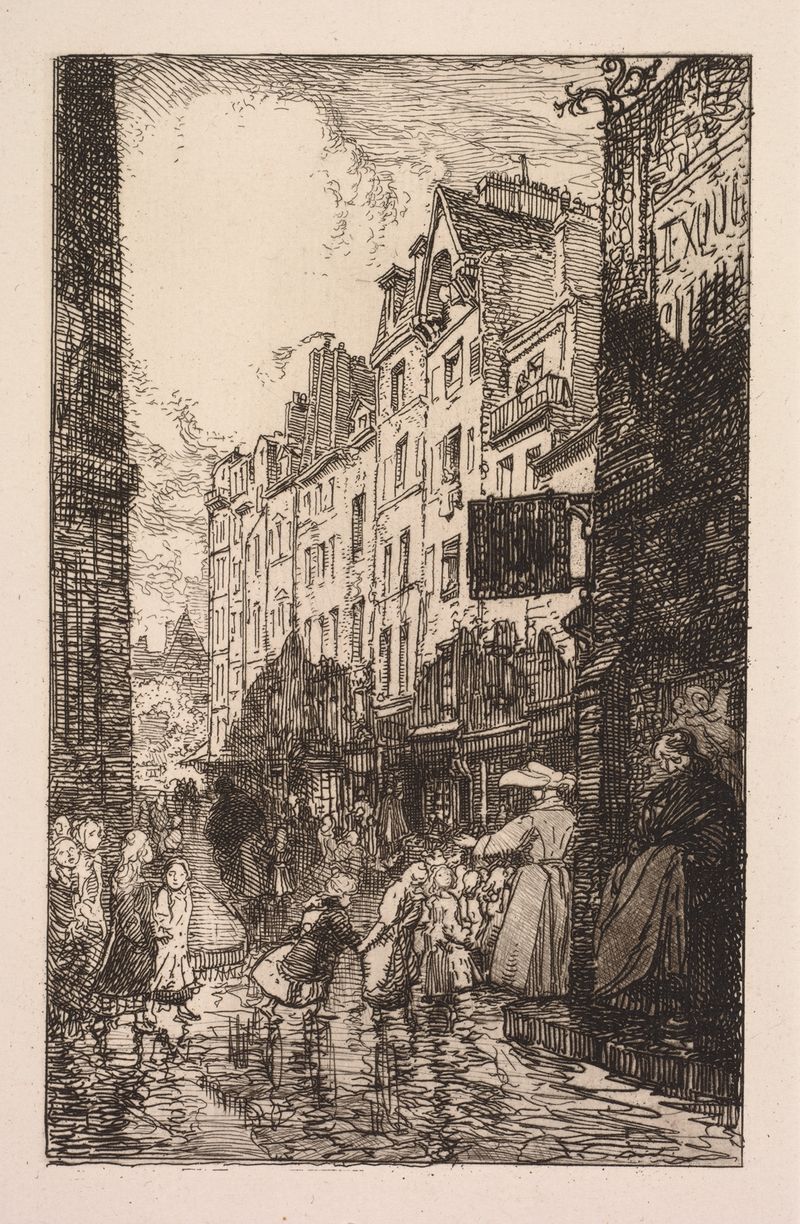
La Rue des Prêtres Saint-Séverin
Auguste Louis Lepère
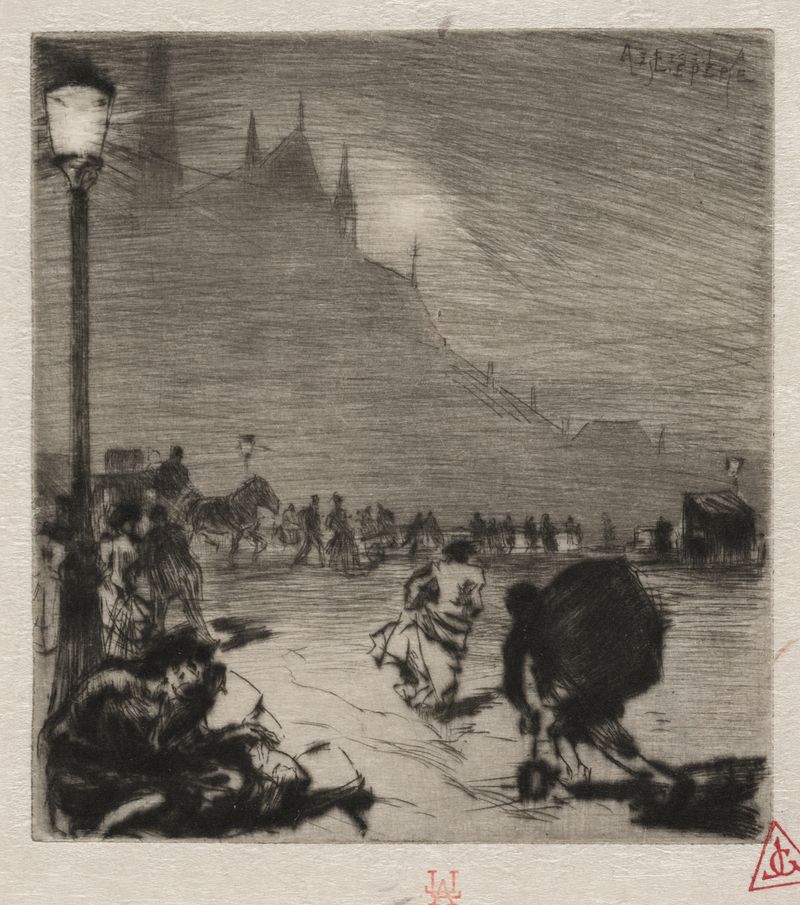
Au Coin du Pont-aux-Doubles
Auguste Louis Lepère
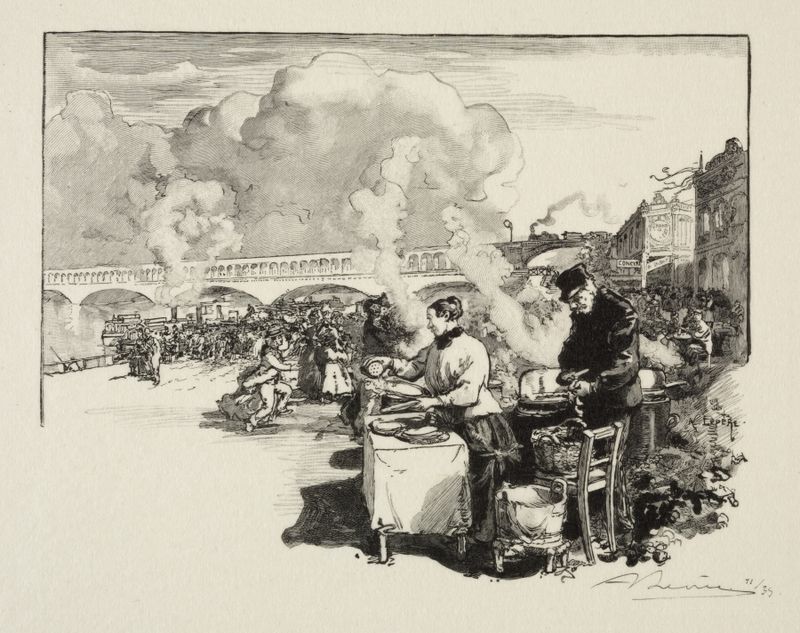
Debarcadère des bateaux-omnibus
Auguste Louis Lepère

La Seine, au quai de la Rapée
Auguste Louis Lepère
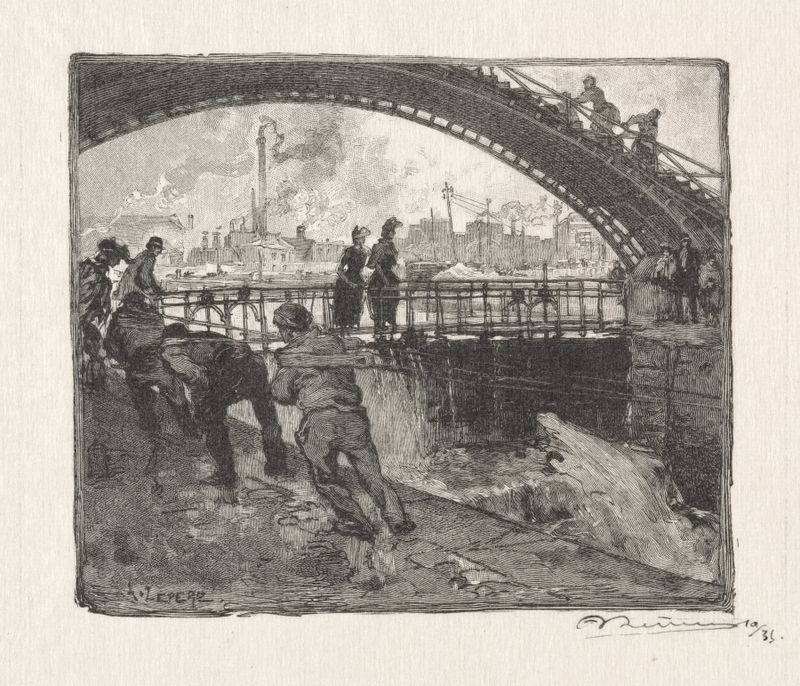
L’Ecluse du Canal St. Martin
Auguste Louis Lepère

Le Boulevard Montmartre, le Soir
Auguste Louis Lepère

Une Chasse au Mont Gérard
Auguste Louis Lepère
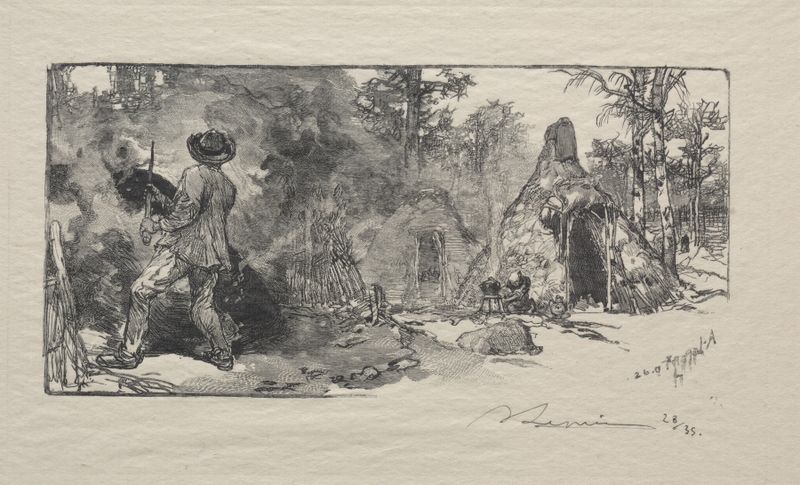
Les Charbonniere
Auguste Louis Lepère
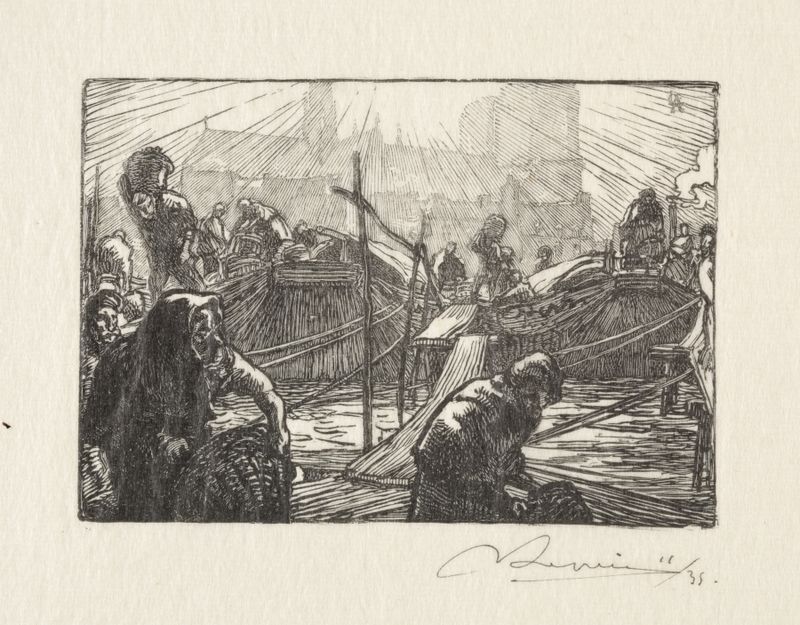
Notre Dame vue du Marché aux pommes
Auguste Louis Lepère

Le Palais des Arts Liberaux, Intèrieur
Auguste Louis Lepère





