
Farmhouse — History & Facts
Can paint confess what words never could? Beneath the calm facade of a rustic farmhouse lies a tale of betrayal, echoing through the whispers of time. Look to the left at the sturdy, weathered façade of the building, where the light delicately dances across the wooden beams, illuminating the deep crevices and casting long shadows. The muted palette of earthy browns and greens invokes a sense of both tranquility and foreboding, inviting you to investigate further. Notice how the small windows, framed by ivy, seem to hold secrets within their panes, while the lush greenery surrounding the structure pulses with life, contrasting sharply against the silent witness of the house. Beneath the surface, the composition speaks volumes about isolation and hidden narratives.
The inviting exterior belies a more somber reality, hinting at the tensions that lie dormant within those walls. The juxtaposition of the vibrant landscape against the stoic, almost oppressive presence of the farmhouse creates a palpable sense of unease, as if the very air around it is thick with unspoken words and unresolved conflicts. In 1802, Edward Francis Burney painted this piece during a time of social change in England, marked by the stirrings of the Industrial Revolution. Burney, a prominent figure in the realm of romantic landscape painting, sought to capture the essence of rural life, yet within Farmhouse, he subtly critiques the complacency of pastoral ideals.
This period in his life was characterized by a deep exploration of nature and humanity, reflecting a world at the cusp of transformation.
More Artworks by Edward Francis Burney
Browse all →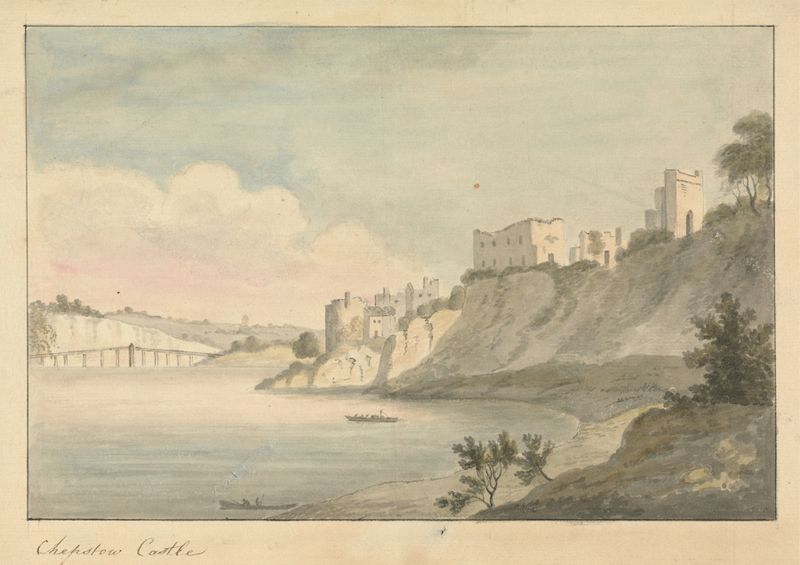
Chepstow Castle
Edward Francis Burney
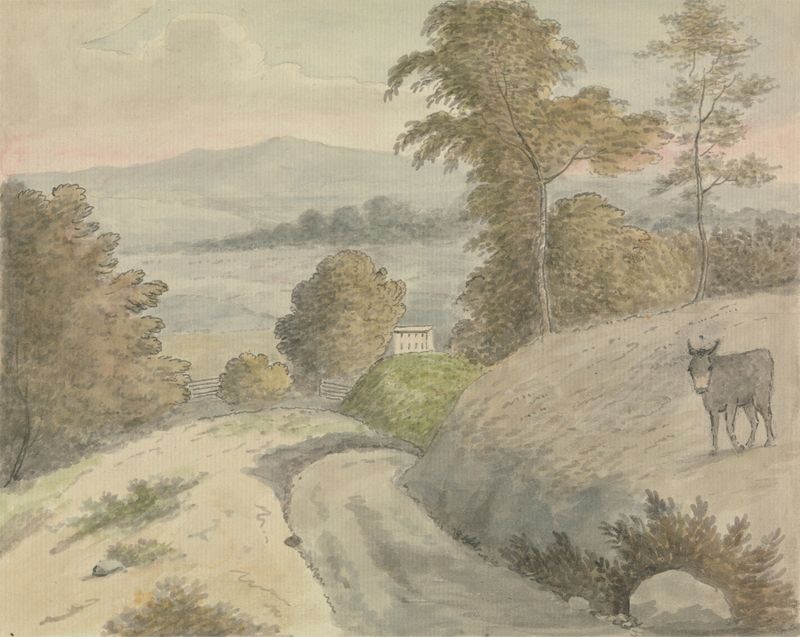
View in Surrey
Edward Francis Burney
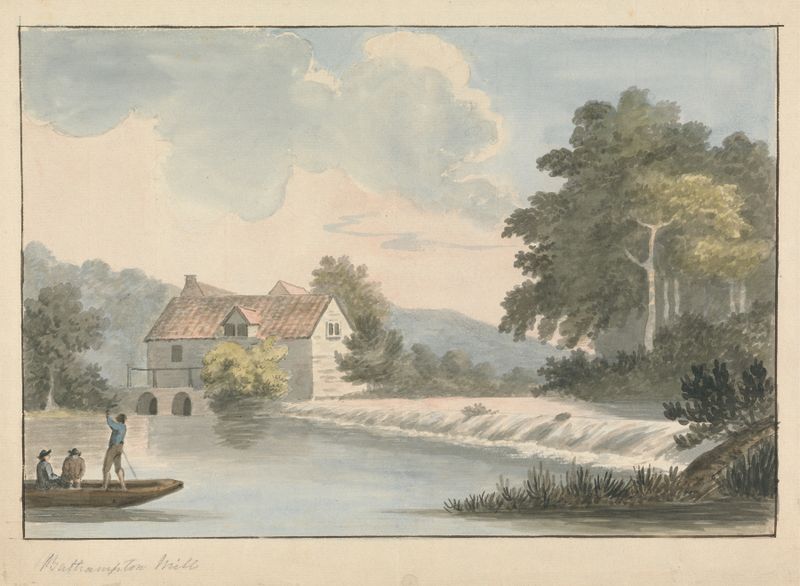
Bathampton Mill
Edward Francis Burney
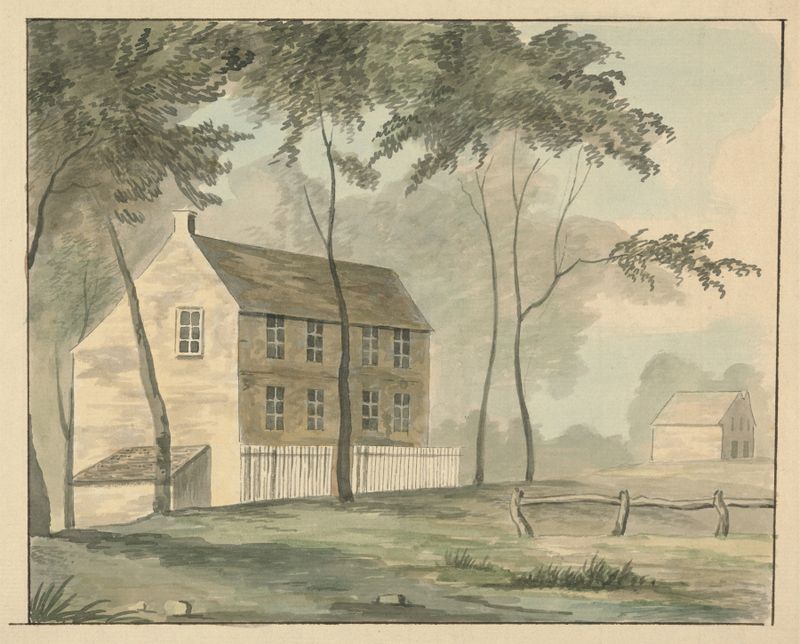
Country House.
Edward Francis Burney
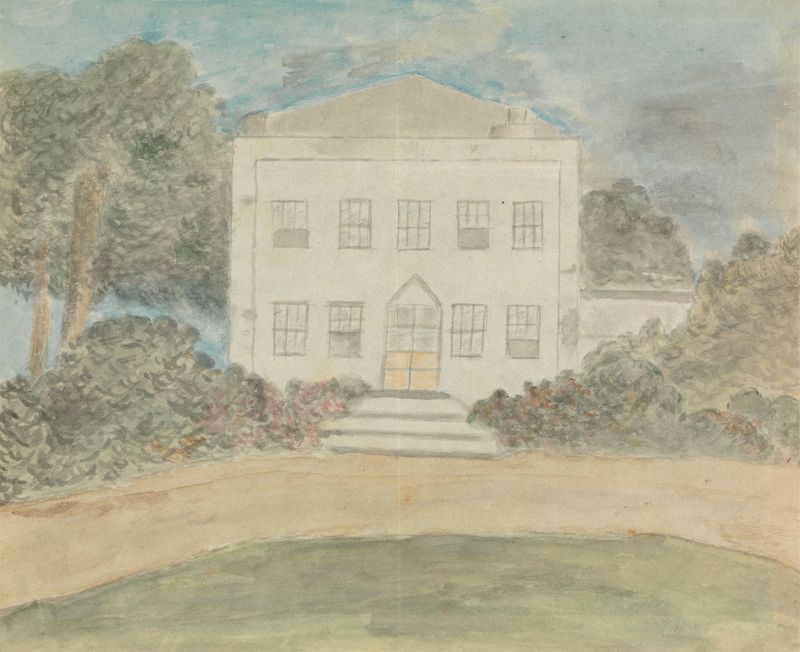
Country House
Edward Francis Burney
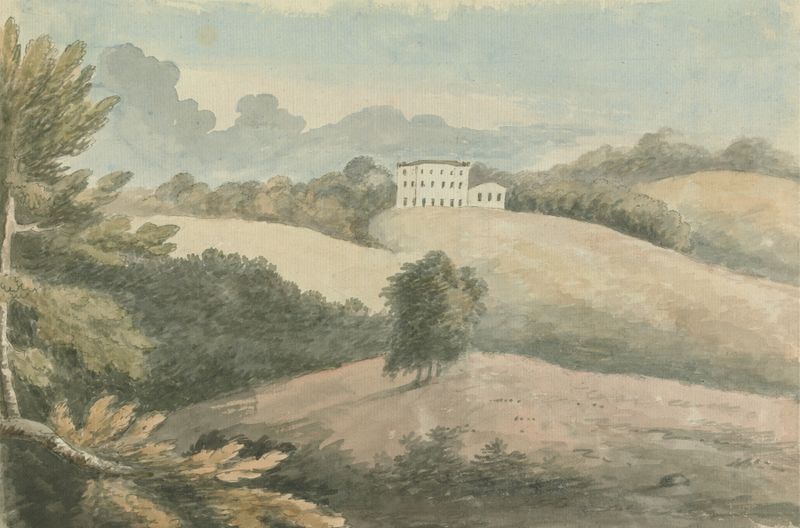
Mowbray Park
Edward Francis Burney
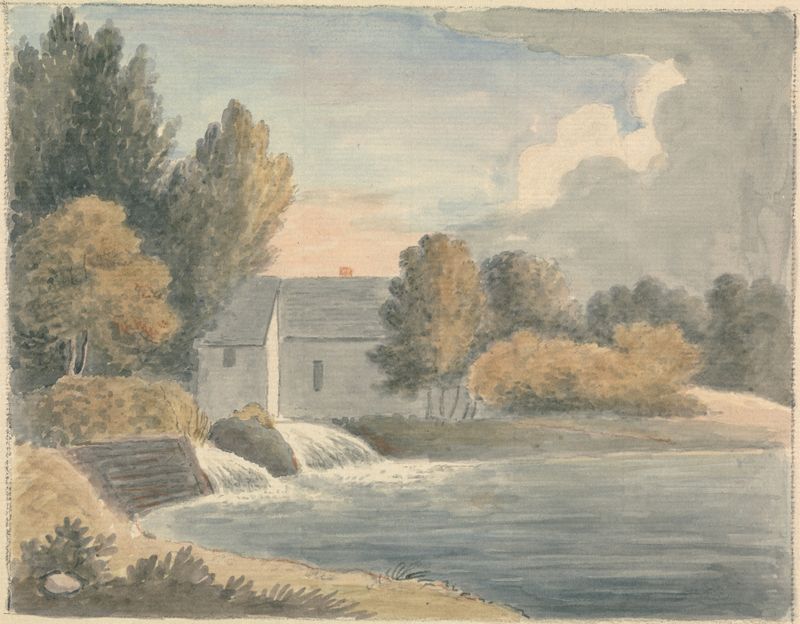
Bathampton Mill.
Edward Francis Burney
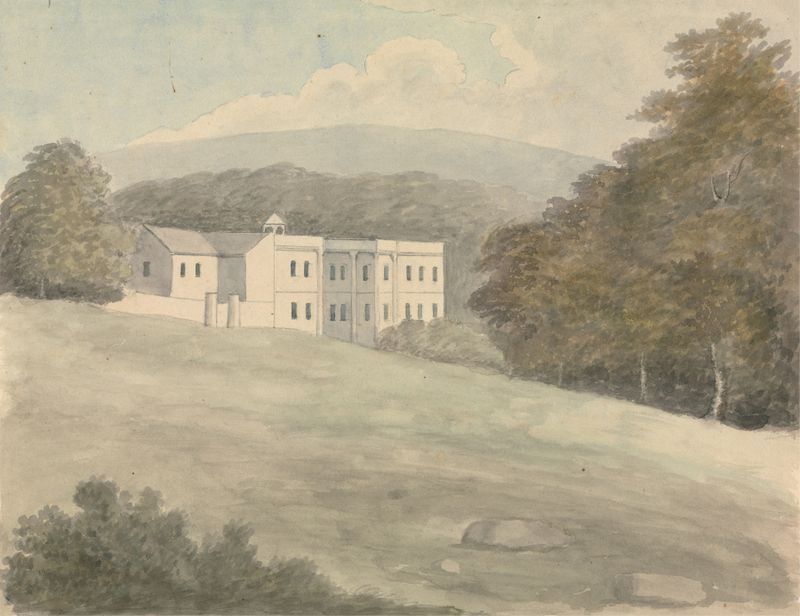
Norbury Park
Edward Francis Burney
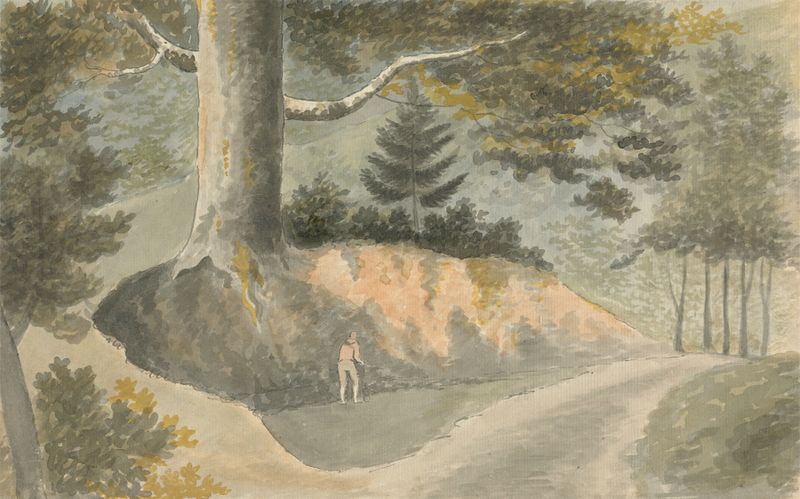
Road in the Forest
Edward Francis Burney
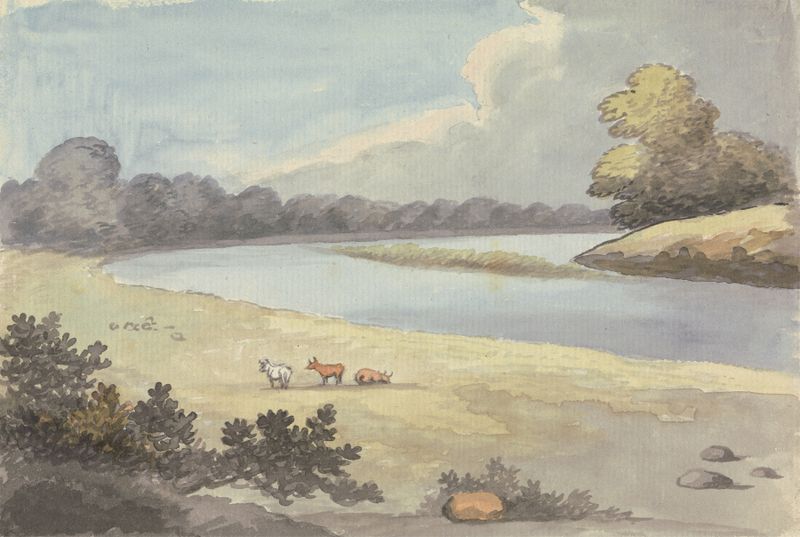
Richmond
Edward Francis Burney
More Architecture Art
Browse all →
The statue of Liberty
Frédéric Auguste Bartholdi

View of Houses in Delft, Known as ‘The Little Street’
Johannes Vermeer

View of Houses in Delft, Known as ‘The Little Street’
Johannes Vermeer

The Cathedral in Rouen. The portal, Grey Weather
Claude Monet

The yellow house
Vincent van Gogh

The Church in Auvers-sur-Oise, View from the Chevet
Vincent van Gogh