Farmhouse on the River — History & Facts
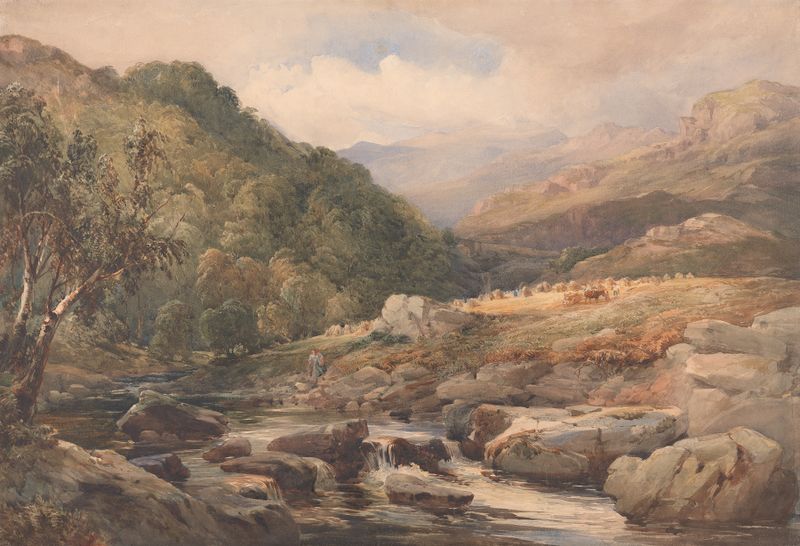
Where does light end, and longing begin? In the stillness of the moment captured, one can almost feel time pause, as if the world outside is holding its breath, waiting for the next breath of life. Focus on the serene landscape occupying the canvas. Your gaze is drawn first to the soft play of light glimmering on the river’s surface, dancing with hues of gold and silver. The farmhouse, nestled amid lush greenery, exudes warmth, inviting a sense of nostalgia.
Notice how the gentle brushstrokes create a delicate balance between the vivid colors of nature and the muted tones of the structure, grounding the scene in reality while allowing the imagination to wander. Hidden within this idyllic portrayal lies a contrast between permanence and transience. The farmhouse stands as a testament to human presence, yet the flowing river symbolizes the relentless passage of time, ever-changing and ungraspable. Subtle details, like the wisps of clouds reflecting on the water, suggest an ephemeral quality, evoking a bittersweet longing for moments that slip away too quickly.
This interplay invites introspection about our own relationship with time, memory, and the spaces we inhabit. This artwork emerged from the lens of David Hall McKewan during a period when the artist sought to capture the simplicity and beauty of rural life. Although the exact date isn't recorded, it reflects a time when he explored themes of nature and domesticity, often influenced by the Impressionist movement that celebrated light and atmosphere. His work embodies a sense of place and belonging, resonating with a universal desire to connect with fleeting moments in our own lives.